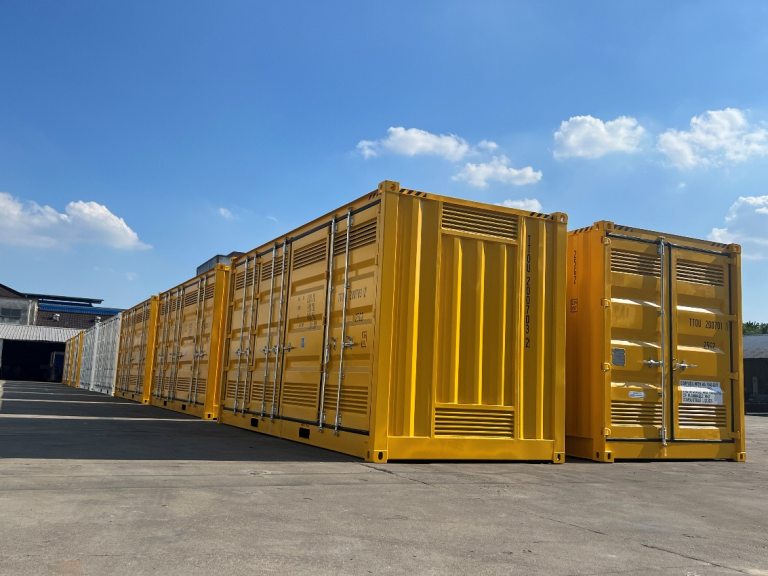
Choosing the right warehouse containers helps make your warehouse better. You can use space well by stacking containers up high. Arrange them so you can reach things easily. Many managers say work goes smoother with containers. Containers help keep products together and make picking orders faster. They also keep goods safe and help stop injuries. Containers made for safety protect people. Strong containers last a long time and save money. They also help meet rules for cleanliness or keeping things cold. Start now—small steps can make your warehouse safer and better fast.

Key Takeaways
Pick warehouse containers that match your products. This helps save space and keeps things safe. Use tall racks to store more items. Put similar things together to use space better. Label containers with barcodes or colors. This helps workers find things fast and make fewer mistakes. Put containers in safe places that are easy to reach. Check them often to stop accidents from happening. Look at your warehouse setup often. Ask your team for ideas to make things work better and safer.
Assess Your Warehouse Containers Organization
Identify Problem Areas
Start by looking for trouble spots in your warehouse. Many warehouses have the same problems. Labor shortages and bottlenecks can slow things down. Inventory shrinkage is also a big issue. You might see delays at the receiving dock. Sometimes goods pile up in the aisles. These problems can make costs go up. They can also make workers less productive.
You might also have trouble with order accuracy or returns. For example, a warehouse in Texas had picking mistakes. They added pick-to-light systems and trained their staff again. After that, order accuracy got 30% better. Real stories like this show small changes can help a lot.
Tip: Walk around your warehouse and talk to your team. Ask them where things slow down or get confusing. Their answers can help you find hidden problems.
Review Current Warehouse Containers Storage Methods
Now, check how you store your goods. Many warehouses use old ways that do not work well. Manual tracking and bad layouts cause mistakes. They also slow down warehouse work. Here is a table of common mistakes and how to fix them:
Common Mistake | Impact | Best Practice |
|---|---|---|
Using manual methods | More errors, slower work | Use barcode scanning and automation |
Poor warehouse layout | More travel time, higher costs, safety risks | Optimize layout, use vertical storage, clear paths |
Lack of training | More mistakes, lower satisfaction | Ongoing training and cross-training |
Infrequent stocktakes | Inventory errors | Regular audits and partial counts |
A warehouse in California used pen and paper for inventory. They switched to a warehouse management system. This cut stock errors by half. It also made picking orders faster. You can get the same results by updating your storage and tracking.
Remember, warehouse organization is more than just where things go. It is about making every step easier and safer. Check your storage often. Try to use space better and make fewer mistakes. This will help you build a stronger and better warehouse.
Warehouse Containers Selection

Picking the right warehouse containers is very important. You need to choose containers that fit your inventory. This helps you use space well. It also keeps goods safe. The right containers make work easier for your team.
Types and Materials
There are many kinds of storage containers in warehouses. Each kind has a special use. You must pick the best one for your items. Think about how you move things too. Here is a table to compare the main types:
Container Type | Key Features | Typical Use Cases |
|---|---|---|
Stackable Storage Bins | Open front for easy access, some with rear hangers for hanging on panels | Quick retrieval of items, visibility of contents |
Nesting Shelf Bins | 7 width divider slots, nest when empty to save space | Organizing small parts and components |
Stack and Nest Containers | Heavy-duty totes with covers, stackable and nestable, suitable for conveyors | Use in automated systems, conveyors, space optimization |
You should also think about what your containers are made of. The right material keeps your goods safe. It also makes your warehouse safer. Here is a table that shows common materials and their effects:
Container Material | Common Use Case | Effect on Durability and Safety |
|---|---|---|
Steel | Drums, tanks for flammable liquids | High strength, fire resistance, prevents leaks |
Plastic (HDPE) | Drums, IBCs for corrosive substances | Chemical resistance, prevents corrosion |
Fiber | Drums for solids and powders | Lightweight, less durable, for less hazardous materials |
Aluminum | Cylinders for compressed gases | High strength, lightweight, withstands high pressure |
Composite Materials | IBCs and specialty containers | Combines strength and chemical resistance |
Lead or Steel (shielded) | Casks for radioactive materials | Provides radiation shielding, ensures safety |
Tip: Always look at your storage containers for cracks or leaks. Check for rust or damage often. This helps stop accidents and keeps your warehouse safe.
Choosing the right type and material is not just for safety. It also saves space and cuts down on mistakes. For example, a warehouse in Shenzhen used to have open cardboard boxes. They changed to stackable plastic bins. Workers found things faster. Picking mistakes went down by 20%. This small change made work easier and orders more correct.
MEOX Custom Solutions
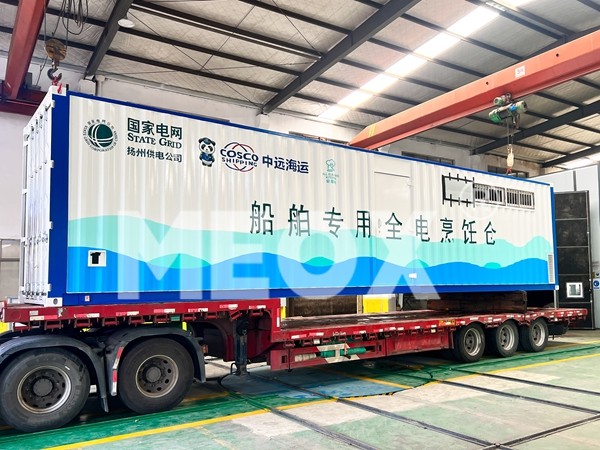
Sometimes, regular storage containers do not work for you. You might have big items or fragile goods. You may need to follow special safety rules. Custom solutions can help with these problems. MEOX has many special containers you can change to fit your needs. You can pick the size and door type. You can even add your company logo.
Here are some ways custom containers help your warehouse:
You can pick containers that fit your items’ size and shape. This stops wasted space and keeps goods safe.
Custom features like clear panels or dividers help you organize and pick items.
Special doors, like side openings or roller shutters, help you load and unload big items fast.
You can add lids to keep out dust or germs. This is important for food or medical supplies.
A logistics company in Europe used custom open-side containers for big machine parts. Before, they had trouble loading and had damaged goods. After using custom containers, loading was 30% faster. They had fewer damaged products. This made their warehouse better and customers happier.
Note: When you pick custom solutions, you get help after you buy. If your container has a problem, you can call the supplier. They can fix or replace it. This keeps your warehouse working without long waits.
Picking the right warehouse containers is not just about buying boxes. It is about making your warehouse safer and faster. It also helps you stay organized. Take time to check your needs. Look at your inventory. Choose the best storage containers for your warehouse.
Warehouse Organization Tips for Space Optimization

Vertical and Horizontal Storage
You can use more space in your warehouse by storing things up high and across the floor. Many warehouses only use the ground, so they waste space. If you look up, you might see empty space that could hold containers. Tall racks and shelves let you keep more items without needing a bigger building.
Here are some steps to help you organize your warehouse better:
Look at your inventory. Check the size, weight, and how often you use each item. Put heavy or big items on lower shelves. Lighter or less-used things can go higher.
Measure your warehouse. Know how tall your ceilings are and how wide your aisles are. This helps you choose the right racks and containers.
Pick storage tools that fit your needs. Use strong racks for heavy things. Try vertical lift modules for small parts. These machines bring items down to you and save time.
Teach your team. Make sure everyone knows how to use ladders and lifts safely.
Watch how your system works. See if workers can find and move items quickly. Change your setup if things slow down.
Tip: Using tall racks can save money. You do not need to rent more space or build new rooms. Workers also walk less, so you save on labor.
A warehouse in Chicago used to keep everything on the floor. They added tall racks and used stackable containers. After three months, they stored 30% more products in the same space. Workers picked orders faster because everything was easy to find.
You can also use wide shelves along the walls to keep aisles open. Rolling carts or bins help with items that move a lot. This keeps your warehouse safe and easy to walk through.
Storage Method | Best For | Main Benefit |
|---|---|---|
Vertical Racks | Small or light items | Saves floor space |
Pallet Racking | Heavy or bulky goods | Easy forklift access |
Stackable Containers | Mixed inventory | Flexible and space-saving |
Rolling Carts/Bins | Fast-moving products | Quick access and mobility |
Smart warehouse organization tips like these help you use all your space. You get more room and a safer place to work.
Grouping and Categorizing Inventory
Good warehouse organization means putting similar items together. When you group items, picking and restocking is easier. You also make fewer mistakes and lose fewer things.
Start by sorting your products into groups. You can group by type, size, or how often you ship them. For example, keep fast-moving items near the shipping area. Put slow-moving goods on higher shelves or in corners.
Here are some easy steps:
Use color-coded containers for each group. Red bins can hold urgent items. Blue bins can hold spare parts.
Label every container with big, clear labels. This helps workers find things fast.
Keep a map of your warehouse. Update it when you move items or add new containers.
Check your groups every month. Move items if some are picked more often.
A parts distributor in Dallas used to mix all items together. Workers spent too much time looking for things. After using color-coded containers and grouping by type, picking speed went up by 25%. There were fewer mistakes, and new workers learned the system quickly.
Note: If you have special items that need extra care, use containers with lids or dividers. This keeps them safe and easy to find.
You can also use a simple table to track your groups:
Product Group | Container Color | Location in Warehouse | Special Handling |
|---|---|---|---|
Fast-Moving Goods | Red | Near shipping dock | None |
Spare Parts | Blue | Middle shelves | Dividers |
Fragile Items | Green | Top shelves | Lids, padding |
Bulk Materials | Yellow | Floor level | Heavy-duty bins |
When you follow these warehouse organization tips, your warehouse layout is clear and easy to use. Your team works faster and safer. It is also easier to change things when your inventory changes.
Labeling and Signage Ideas
Clear Labels for Containers
Putting clear labels on every container helps your warehouse work better. When you use a good labeling system, your team finds things faster. They also make fewer mistakes. Many warehouses now use barcode scanning. This checks each product at different steps. It connects to your warehouse management system. It updates inventory right away. Pick-to-light systems help too. These use lights to show workers where to go and how many items to pick. This lowers mistakes in busy places.
Here are some labeling methods that help stop picking mistakes:
Barcode scanning checks products at every step and updates your system fast.
Pick-to-light systems use lights to guide workers to the right item and number.
Print-and-apply labels make clear, scannable tags for each container.
Automated labeling makes the process faster and cuts down on mistakes.
A warehouse in Atlanta used to have handwritten labels. They switched to barcode labels. Workers scanned each item before picking. Picking mistakes went down by 40% in two months. This change also made it easier to train new workers.
You should use labels that are easy for people and scanners to read. High-contrast text and clear icons help everyone. Strong labels last longer, even in tough warehouse places.
Labeling System | Main Benefit | Best Use Case |
|---|---|---|
Barcode Labels | Fast, accurate scanning | All inventory containers |
Pick-to-Light | Guides workers, reduces errors | High-volume picking zones |
Print-and-Apply | Consistent, scannable labels | Automated labeling stations |
Tip: Try your labels with your scanners before using them everywhere. This helps stop delays and keeps your work moving.
Signage for Navigation
Good signs help your team move fast and stay safe. When you mark aisles, shelves, and zones clearly, workers find things quicker. This also helps new workers learn the layout faster. Good signs also show hazards, which keeps everyone safe.
You can use different signs to help people find their way:
Big overhead signs show main areas for quick direction.
Aisle markers help staff and forklifts get to the right spot.
Shelf labels help workers find the exact product.
Color-coded signs make it easy to see different zones or groups.
A distribution center in Houston added color-coded aisle signs and shelf labels. Workers found items 20% faster. Fewer items got lost, and safety problems went down.
Smart signs save time and help people work better. Strong signs and labels last through heavy use and keep info clear. When you update signs as your layout changes, your warehouse stays safe and works well.
Note: Always check your signs for damage or fading. Replace bad signs fast to stop confusion and keep your team working well.
Improve Warehouse Organization with Efficiency and Safety
Warehouse Container Placement
You can make your warehouse better by putting containers in smart spots. Use tall shelves to store more things without making your warehouse bigger. Automated racks and vertical lift modules help you use space up high. For example, ABC Electronics used vertical storage and fit 70% more items. Workers picked orders 65% faster. Put popular items close to the shipping area. This saves time and helps fill orders quickly.
Always put heavy or big items on the bottom shelves. This keeps stacks safe and stops accidents. Place round items flat side down so they do not roll. Never put too much weight on top of containers. If you use machines like AS/RS, you can use most of your tall space. These systems can help workers pick up to 600 items each hour.
If you put containers in bad spots, things can fall and hurt people. Do not stack things too high or in a wobbly way. Check your shelves often to find problems early. Many warehouses use digital tools to watch where containers are and if they are safe. This helps managers keep the warehouse safe and organized.
Tip: Check where your containers are every few months. Move things if people need them more or if you see a safety problem.
Safety Features and Practices
Safety is very important in a warehouse. You need strong containers and safe shelves. The table below shows important safety parts for warehouse containers:
Safety Feature Category | Key Components / Features | Importance / Purpose |
|---|---|---|
Structural Components | Step beams, tear drop frames, uprights, pallet support bars, bolted footplates | Stop racks from falling and keep containers steady |
Decking Material | Wire mesh decking | Helps with fire rules, lasts long, and stops spills |
Safety Barriers and Guards | Barriers, bollards, column guards, rack guards, safety railings | Keep people and things safe, stop crashes and falls |
Check racks and containers often to find damage before it gets worse. Regular checks help you fix things before accidents happen. Many warehouses use phone apps to track checks and repairs. This keeps your warehouse system up to date and helps everyone stay safe.
Sometimes things fall or stacks break. You can stop this by following safety rules. Teach your team to look for dangers and tell someone fast. Workers feel safer when you check equipment often. A survey in 2024 said 83% of workers care about safety at work.
Note: Always fix broken containers or racks right away. Fast repairs help your team stay safe and keep work going.
When you put containers in smart places and use good safety steps, your warehouse works better and your team stays safe. These ideas help you get more done and keep your warehouse running well.
Warehouse Containers Organization Ideas for Continuous Improvement
Regular Reviews and Adjustments
You should check your warehouse often to keep it working well. Many good warehouses do regular checks to find problems early. For example, one online store had fewer late orders after they checked their stock often. They found mistakes and fixed them. You should look at important numbers every month. These numbers show how fast you fill orders and how many mistakes you make. This helps you know what to fix.
Metric | What It Shows | Example Result |
|---|---|---|
Order Cycle Time | How fast orders are sent out | 18% faster after checks |
Inventory Accuracy Rate | If your stock records are correct | Fewer missing items, less waste |
Pick Path Length | How far workers walk | 35% shorter with new setup |
Try using a warehouse management system to watch these numbers. When you see data right away, you can make changes fast. You can move popular items closer to shipping. You can also change where shelves go. Training your team is important too. When you teach workers about new setups or tools, they work better and safer.
Tip: Celebrate small wins with your team. Give out badges or small prizes for good work. This helps everyone stay happy and want to do better.
Adapting to Inventory Changes
Your inventory changes a lot. You need to change your warehouse to keep up. Many warehouses use ABC analysis to sort items by how important they are. Expensive items get checked more often. You can also use FIFO for things that can spoil. This means you use old items first to stop waste.
Here are some easy ideas to help your warehouse change:
Make zones for different types of products and how much people want them.
Use colored labels and clear signs so you can find things fast.
Move your stock around often to keep it fresh and easy to reach.
Count items more often if they are worth more.
Keep aisles open and special spots clean for safety.
A drink company picked orders 25% faster after they changed how they stored things. Workers learned the new way quickly because of clear labels and training. You can use these ideas to keep your warehouse working well and ready for change.
Note: Always listen to your team. They see problems every day and can give good ideas. When you ask for feedback, you find new ways to make things better.
You can make your warehouse better by doing these things:
Look at your layout and find any problems with how work moves.
Pick containers that match your items and keep them safe.
Save space by using tall racks and putting similar things together.
Put clear labels and signs so people can find things fast.
Put containers where workers can reach them and stay safe.
Check your setup often and change it when you need to.
When you use containers made for your space, work gets easier and mistakes happen less. Training your team and asking for their ideas helps everyone learn fast. Try making small changes now and see how much better your warehouse can be.
FAQ
What is the best way to choose warehouse containers for different products?
Pick containers that fit your product’s size and weight. Think about what shape your items are. Use the right material for safety. For example, a food distributor in Shanghai used sealed plastic bins for food. This helped keep food fresh and stopped 15% of spoilage. Always check what kind of items you have before you buy containers.
How often should you inspect warehouse containers for safety?
Check your containers once a month. Look for cracks, rust, or broken parts. A warehouse in Berlin checked every month and had 20% fewer accidents. Use a checklist to keep track of checks and repairs.
What should you do if a container gets damaged during use?
Take out the broken container right away. Use a backup container if you have one. Tell your supervisor about the problem. Many warehouses write down repairs and replacements. This helps stop more problems and keeps everyone safe.
How can you improve picking speed in your warehouse?
Put fast-moving items close to the shipping area. Use bins with colors and clear labels. A parts supplier in Texas made picking 30% faster by moving things around and using barcode labels.
Tip: Check your picking process every few months. Even small changes can make a big difference.
Problem Found | Action to Take | Result Seen |
|---|---|---|
Damaged container | Replace or repair | Fewer accidents |
Slow picking | Reorganize layout | Faster order filling |
Label confusion | Use clear barcodes | Fewer mistakes |