Why Plan a Whole House Generator Before the EPC Bid?
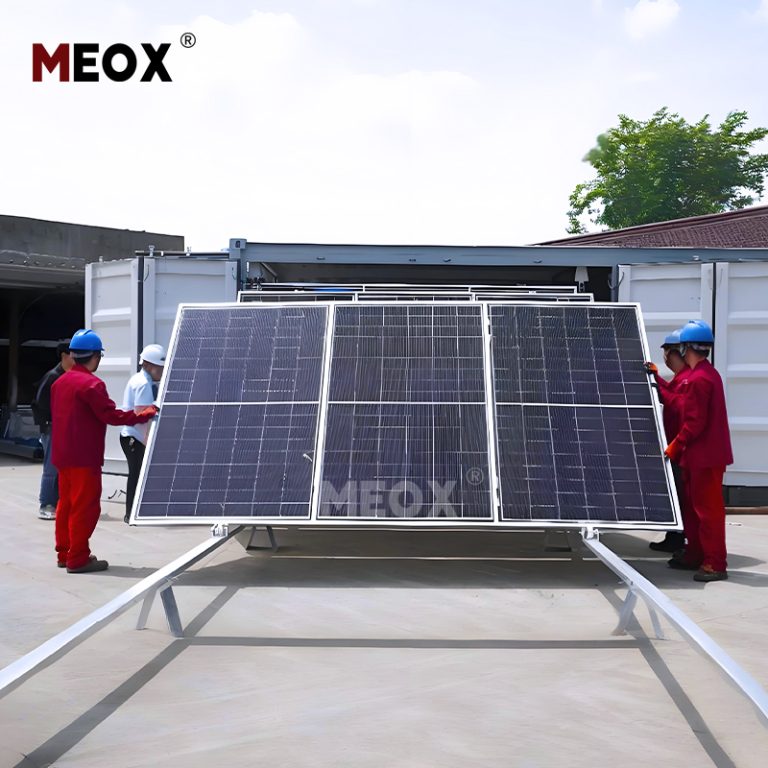
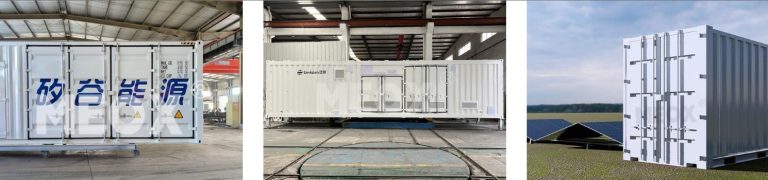
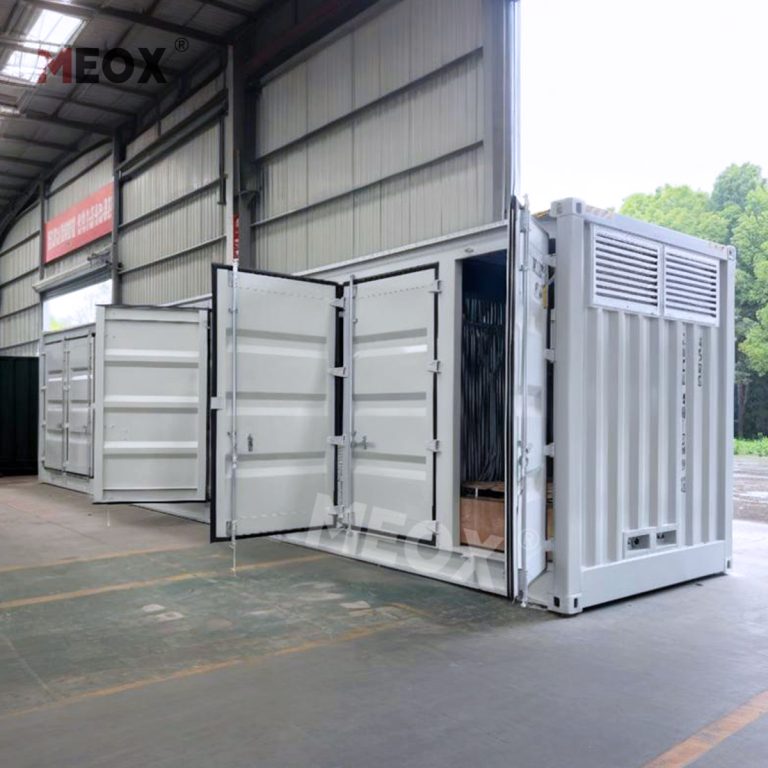
A whole house generator delivered in a solar container is a compact, transportable power solution that acts as both a primary power source and a backup system. For EPC contractors and site teams, planning the whole house generator early in the project reduces delays and keeps costs predictable. This guide lists the items contractors need to check before delivery, during installation, and at handover. It focuses on clear, practical steps that make bids and site work smoother.
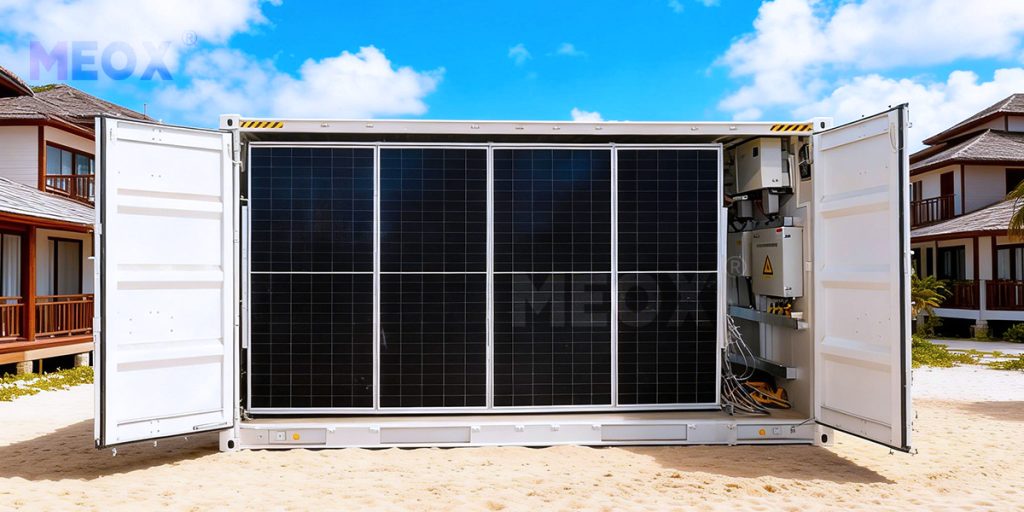
Site Survey Checklist Before Delivering a Whole House Generator
Before the container arrives, verify site access and utilities. Confirm that trucks and cranes can reach the final siting point. Check gate width, overhead clearances, and turning radius. Inspect the ground bearing capacity where the whole house generator will sit. Look for hidden obstacles such as low power lines, tree branches, drainage lines, and underground services. Request as-built drawings for the building distribution and note the potential locations for the emergency power generator tie-in. Early contact with the utility avoids surprises and speeds approvals. Confirm the point of common coupling and available feeder capacity. A clear survey shortens commissioning time for the whole house generator.
Civil Works and Foundation Requirements for a Whole House Generator
A stable and level base is essential. Design a concrete pad or compacted gravel surface to the vendor’s dimensions with half a meter to one meter clearance on all sides. Include anchor details for wind and seismic loading, and set leveling tolerances to match the whole house generator anchor bolt pattern. Plan drainage away from the device and access routes for maintenance. Ensure fire lanes and egress paths meet local code. Specify whether the contractor or client supplies the foundation and who will inspect it. A robust foundation protects both the whole house generator and the team during long-term operation.
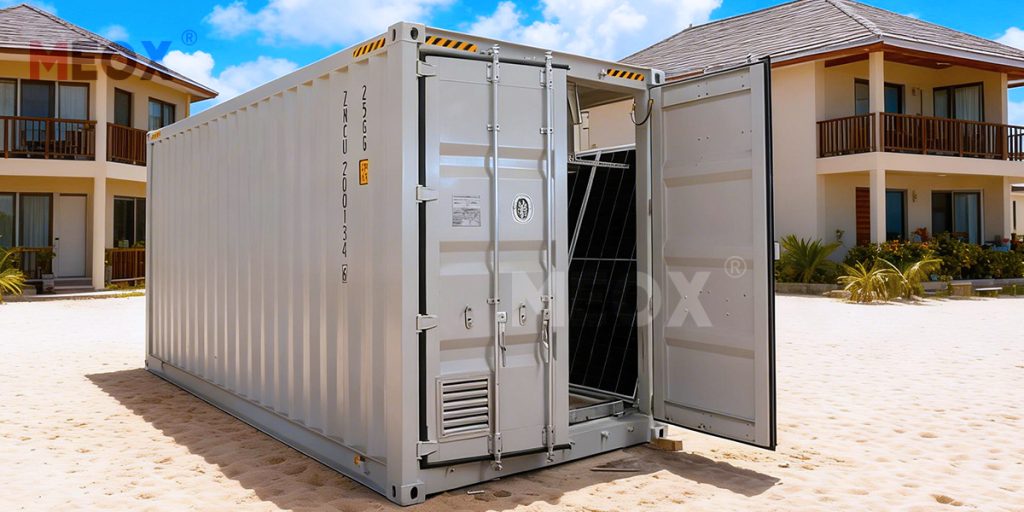
Mechanical Handling and Lifting Plan for Whole House Generator Installation
Moving a fully loaded unit requires a certified lift plan. Book a rigging contractor and confirm crane capacity, pad ratings, and the lift radius. Verify lifting points against the vendor drawings for the whole house generator. If ground conditions are soft, plan for temporary shoring or ramps. Define exclusion zones and make sure all personnel use PPE. Schedule lifts in calm weather and during daylight when possible. Include the handling plan in the site safety file and confirm who will sign off on the lift. Careful handling prevents damage to the whole house generator and protects the crew during installation.
What electrical interface points and protections are required?
Define electrical interfaces in writing so commissioning is straightforward. Obtain the container vendor’s single line diagram showing AC output breakers, grounding points, protective relays, and recommended cable sizes. Produce a site single line showing the point of common coupling (PCC), main switchgear, and load priorities. Install a visible isolation device between the whole house generator and the building distribution for safe maintenance. Specify the main AC breaker rating and cable runs from the whole house generator to the PCC. Add overcurrent protection, anti-islanding relays, synchronization relays, and surge protection on both AC and DC sides. Label terminal blocks and cable trays clearly to speed future work. Confirm whether the unit will export to the public grid or only serve site loads; this changes metering and protection requirements.
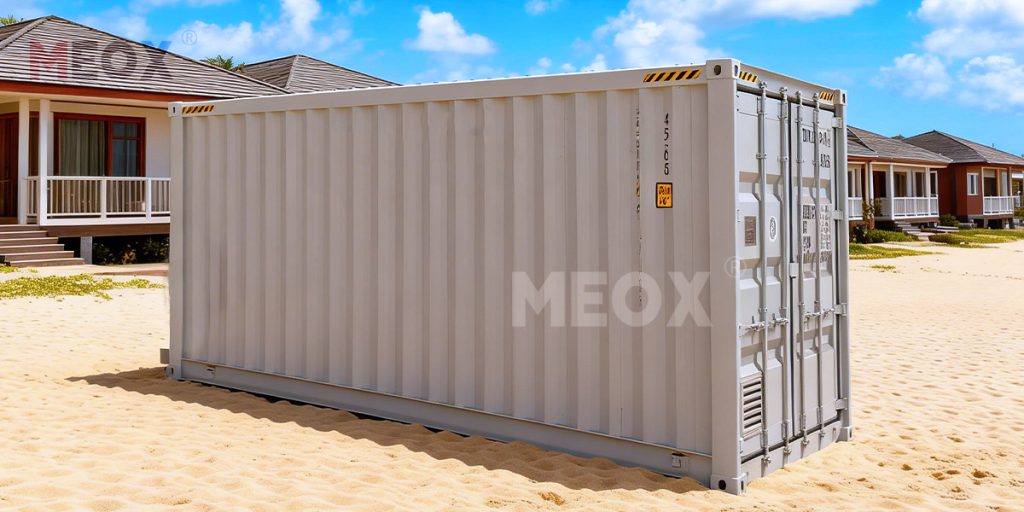
How do we manage grid interconnection and utility rules?
Utility rules vary by region and must be addressed early. Submit an interconnection application and track the utility’s approval steps. Confirm the required relays, certificates, and witness tests listed in the utility technical guide. Prepare switchgear settings for export limits or grid support modes such as voltage regulation or frequency response if requested. Arrange for utility metering—bi-directional metering or export limiting hardware—before commissioning. Schedule utility witness testing and final inspection for the whole house generator. Build schedule contingency for utility review cycles and potential hardware upgrades.
What communication, monitoring, and controls are needed?
Remote monitoring and clear controls reduce operational risk. Decide on a SCADA or cloud monitoring endpoint and the communications method—Ethernet, 4G/5G, or satellite. Define required data points such as state of charge, inverter status, AC output, alarms, and metering. Agree on remote control authority and which site staff can operate local controls. Set cybersecurity measures like VPN tunnels, firewalls, and password policies. Provide a local HMI for on-site troubleshooting. Document alarm response responsibilities so alarms from the whole house generator do not get ignored.
What protection against environmental and safety risks is required?
The container must meet safety and environmental standards. Fit fire detection and suppression as required by code. Plan ventilation and HVAC for battery and inverter thermal control. Include battery containment and spill protection where applicable. Control access with locked enclosures and a clear key-holder list. Assess noise and community impact and add mitigation measures if needed. Post safety signage and a PPE list for maintenance crews. Specify inspection intervals and maintenance checks in the O&M plan so safety features for the whole house generator remain effective.
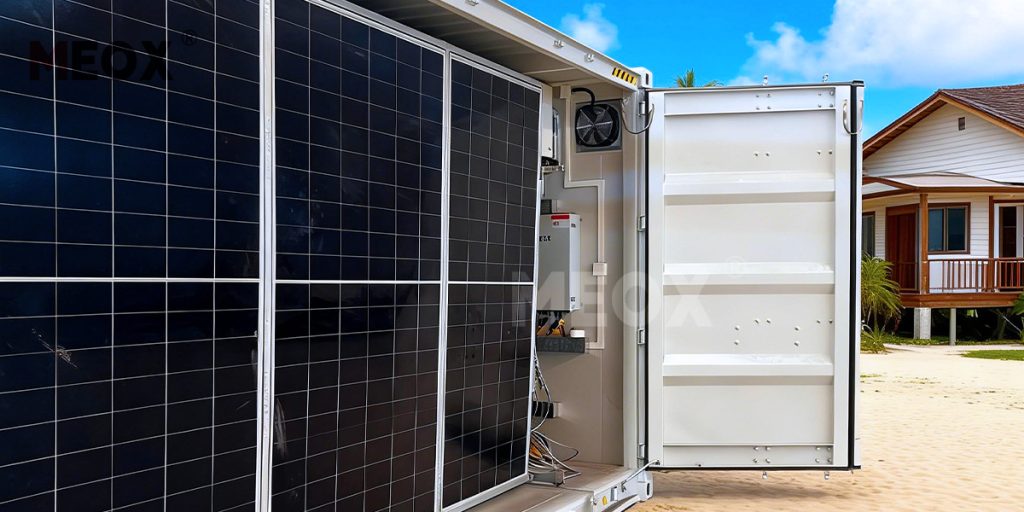
How should we plan for load connection and priority switching?
Identify the critical loads that the whole house generator will serve. Perform a load survey and list essential circuits—lighting, HVAC, kitchens, servers, medical equipment, and process loads. Establish a load shedding strategy and rank priorities. Choose transfer switch type and location: automatic transfer switch (ATS) or manual transfer. Define reconnection sequencing and manage inrush currents for motors and compressors. Consider soft-start solutions or staged reconnection to avoid nuisance trips. If the emergency power generator must support sensitive equipment, include UPS or power conditioning in the scope.
What cabling, conduit, and routing standards should we specify?
Good cable routing reduces faults and future work. Provide a cable schedule with sizes, insulation ratings, and length calculations. Design conduit runs with pull boxes and allowed bend radii. Separate DC and AC cabling and size cable trays for current and future expansion. Apply a clear labeling standard for all terminations, junctions, and breakers. Allow spare capacity for future growth and provide as-built cable drawings and test reports at handover. Proper routing improves safety and speeds troubleshooting for the whole house generator installation.
What testing, commissioning, and documentation will the EPC deliver?
Testing and commissioning prove safety and performance. Run pre-energization checks including insulation resistance, polarity, and earth continuity tests. Functionally test protection relays, synchronization, and ATS operation. Perform load tests at rated output and verify export limits if the whole house generator will export power. Validate communications, monitoring, and metering. Supply Factory Acceptance Test (FAT) records and a Site Acceptance Test (SAT) protocol. Deliver an operations and maintenance manual, spare parts list, warranty certificates, and updated single-line diagrams. Make commissioning a staged activity with clear sign-offs by vendor, EPC, and client.
How do we structure operations, maintenance, and handover responsibilities?
Define roles clearly to avoid disputes. List who performs daily checks, who responds to alarms, and who replaces consumables. Specify service intervals for battery health checks, inverter firmware updates, and filter replacements. Keep minimum spare parts on site and identify the party that holds them. Provide operator training, written procedures, and emergency contact lists. Add SLAs for response times and a priced maintenance schedule. Include long-term support options so the whole house generator and the emergency power generator remain reliable.
Conclusion — What should EPCs include in bids to reduce risk?
Include site survey assumptions, foundation responsibilities, and handling plans in your bid. Provide a clear responsibility matrix for civil, mechanical, electrical, and commissioning tasks. Add utility interconnection timelines and contingency allowances. List FAT and SAT requirements and acceptance criteria. Offer a clear handover package with manuals, spare parts, and training. A detailed bid that references these checks and deliverables reduces risk for both the EPC and the client. It increases the chance that the whole house generator will perform reliably when called on as an emergency power generator.
Quick at-a-glance checklist
Site access & survey .
Foundation & anchors.
Lifting & handling plan.
Electrical interface & single line.
Utility interconnection application.
Communication & monitoring plan.
Fire, ventilation, safety systems.
Load distribution & ATS plan.
Cabling & labeling.
FAT/SAT and commissioning.
O&M, training, and spare parts.