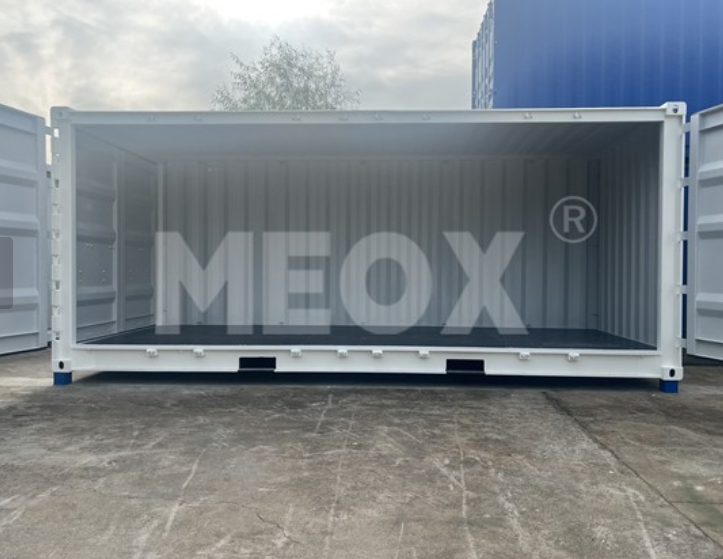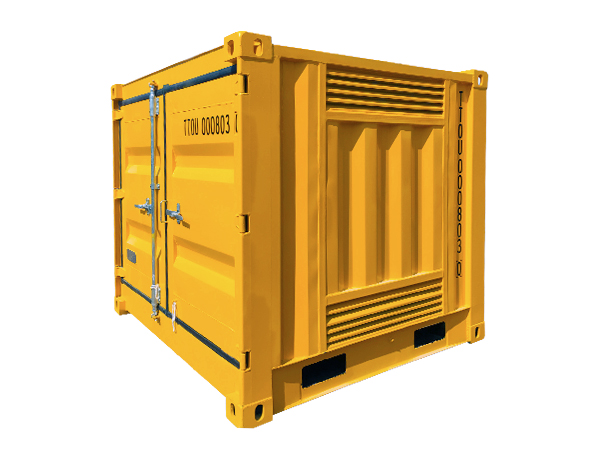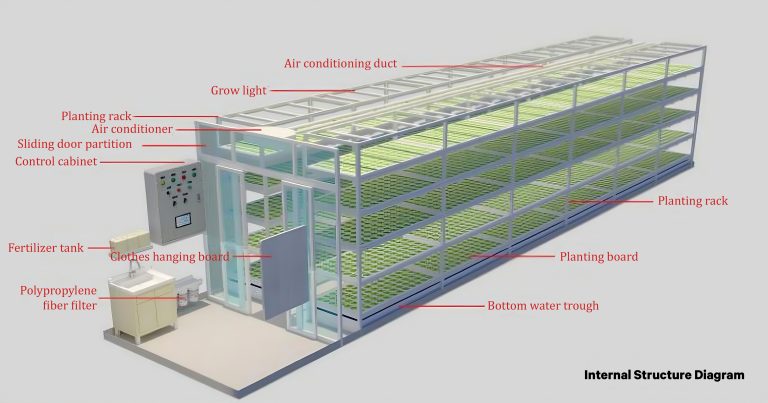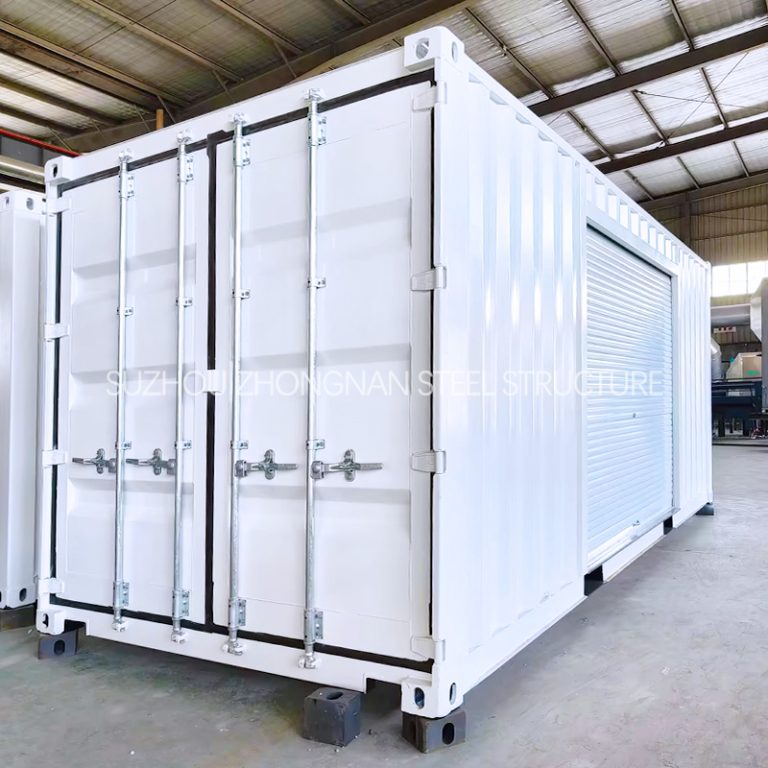
The use of converted shipping containers and shipping container tiny house designs has revolutionized modern architecture, offering innovative, sustainable, and cost-effective solutions for housing. These structures blend functionality with creativity, transforming industrial materials into stylish and efficient living spaces. As the world seeks greener building alternatives, shipping container-based homes have emerged as a prominent trend, appealing to environmentally conscious individuals and designers alike.
The Rise of Converted Shipping Containers in Modern Architecture
Converted shipping containers have gained significant traction due to their durability, modularity, and eco-friendly nature. Made from corten steel, these containers are built to withstand harsh marine environments, making them ideal for long-lasting housing solutions. Their standardized dimensions simplify transportation and stacking, allowing architects to create multi-story structures or complex layouts with ease.
One of the key advantages of converted shipping containers is their sustainability. Repurposing these containers reduces waste and minimizes the need for new construction materials, lowering the carbon footprint of housing projects. Additionally, their strong structural integrity means they can be modified to meet various architectural needs, from adding windows and doors to incorporating advanced insulation and energy-efficient systems. Many designers are now integrating solar panels, rainwater harvesting systems, and green roofs into these structures, further enhancing their environmental benefits.
Designing a Functional Shipping Container Tiny House
A shipping container tiny house is a compact living space created by converting one or more shipping containers. The design process focuses on maximizing space efficiency while maintaining comfort and style. Common modifications include removing interior walls to create open-plan layouts, installing large windows to enhance natural light, and using multifunctional furniture to save space.
When designing a shipping container tiny house, insulation is crucial to ensure year-round comfort. Spray foam or rigid foam insulation is often used to regulate temperature and prevent condensation. Flooring options range from recycled materials to durable hardwood, while interior finishes can be customized to reflect personal style, from minimalist modern to rustic charm. Many homeowners also incorporate smart home technology into these spaces, allowing for efficient control of lighting, heating, and cooling systems. Despite their small size, shipping container tiny houses demonstrate that functional and aesthetically pleasing living spaces can be achieved with careful planning and innovative design.
Exploring the Charm of Shipping Crate Houses
Shipping crate houses, often confused with standard shipping container homes, offer a unique blend of ruggedness and warmth. These structures typically use smaller shipping crates or combine multiple crates to create diverse layouts. The natural texture of the steel and the industrial aesthetic of shipping crate houses appeal to those who appreciate a raw, minimalist design.
One of the defining features of shipping crate houses is their adaptability. They can be used as standalone cabins, backyard offices, or even part of larger residential complexes. The modular nature of crates allows for easy expansion, enabling homeowners to add new sections as their needs change. Like their larger container counterparts, shipping crate houses are highly sustainable, utilizing recycled materials and energy-efficient systems. Interior design often emphasizes the industrial look, with exposed steel beams, concrete floors, and minimalistic decor, creating a unique living environment that stands out from traditional housing.
Innovations in Modern Shipping Container House Design
The concept of the modern shipping container house has evolved beyond basic conversions, with designers pushing the boundaries of what these structures can achieve. Advanced engineering and creative layouts have resulted in luxurious, spacious homes that rival traditional brick-and-mortar constructions. Multi-container configurations allow for large living areas, multiple bedrooms, and even outdoor spaces like decks and gardens.
Technological innovations play a key role in modern shipping container house design. Smart home integration, energy-efficient appliances, and sustainable building materials are standard features in many of these homes. Architects are also experimenting with curved containers and unique stacking patterns to create visually striking structures that defy the boxy stereotype of container homes. Additionally, the use of eco-friendly paints, recycled insulation, and renewable energy sources ensures that modern shipping container houses are not only stylish but also environmentally responsible, setting a new standard for sustainable living.
Shipping Container Tiny House FAQs
What are the key advantages of living in a shipping container tiny house?
A shipping container tiny house offers several significant benefits. Firstly, it’s an incredibly cost-effective housing solution. Shipping containers are relatively inexpensive to purchase, and converting them into livable spaces often costs less than traditional construction. Secondly, these tiny houses are highly sustainable. Repurposing shipping containers reduces waste and gives new life to materials that would otherwise sit idle. Additionally, shipping container tiny houses are known for their durability, as containers are built to withstand harsh conditions during sea transport. They are also modular and can be easily customized, allowing homeowners to design a space that fits their unique needs and preferences. offers numerous advantages, including cost-effectiveness, sustainability, and mobility.
How can I ensure my converted shipping containers are energy efficient?
To enhance energy efficiency in converted shipping containers, proper insulation is essential. Using high-quality insulation materials in walls, floors, and ceilings helps regulate temperature, reducing the need for heating and cooling systems. Installing energy-efficient windows and doors, along with solar panels and rainwater harvesting systems, further improves sustainability and lowers utility costs.
What design considerations should I keep in mind for a modern shipping container house?
When designing a modern shipping container house, consider the layout and functionality of the space. Open-plan designs are popular for creating a spacious feel, while incorporating large windows can enhance natural light and views. Additionally, choosing durable and weather-resistant materials for exteriors and interiors ensures the longevity of the structure, especially in harsh climates.
Are shipping crate houses suitable for permanent living?
Yes, shipping crate houses can be designed for permanent living. While they are often smaller than standard container homes, careful planning and modular designs allow for comfortable, long-term living spaces. Adding proper insulation, plumbing, and electrical systems ensures they meet all the requirements for permanent residency, combining durability with a unique aesthetic.
What challenges might I face when building with converted shipping containers?
Building with converted shipping containers may present challenges such as ensuring proper structural modifications and meeting local building codes. Cutting into the steel framework requires professional expertise to maintain structural integrity, and some regions may have specific regulations for container-based housing. Working with experienced architects and builders who specialize in container conversions can help overcome these challenges.
The world of converted shipping containers and shipping container tiny house designs offers a promising path toward sustainable and innovative living. These structures demonstrate that functionality, style, and environmental responsibility can coexist, providing viable solutions for a variety of housing needs. As technology and design continue to evolve, the potential for these unique homes to transform the housing industry grows, offering a glimpse into a more sustainable future.
The article delves into the innovative use of converted shipping containers to craft sustainable living spaces. It showcases how these structures seamlessly blend durability, efficiency, and creativity, highlighting their role in promoting eco-friendly housing solutions. These shipping container homes represent a modern approach to housing that balances practicality with environmental consciousness.