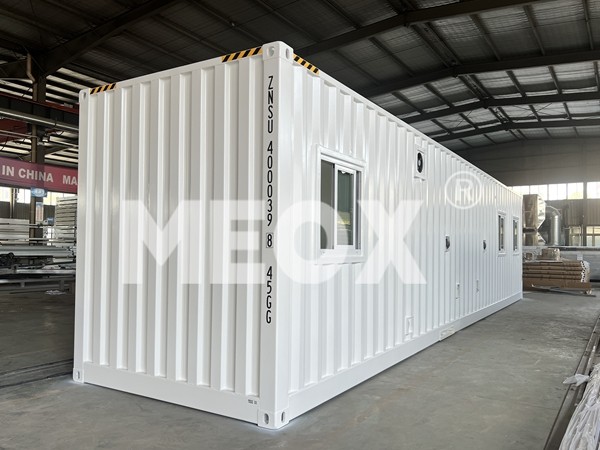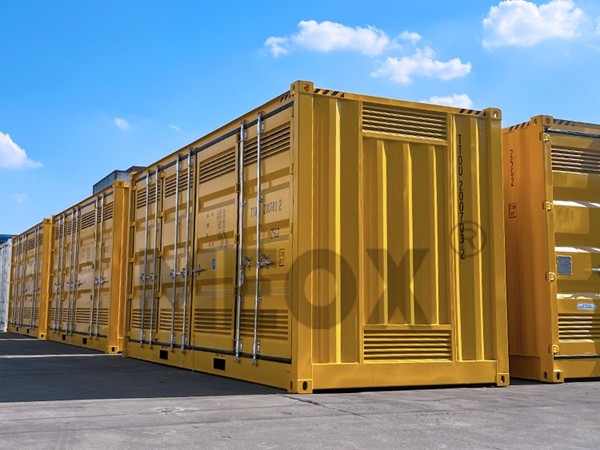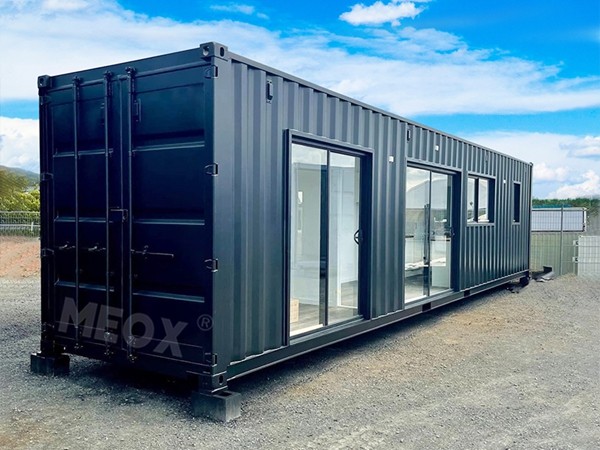
In modern logistics, the safe storage and transport of hazardous materials is more important than ever. Industries such as chemicals, pharmaceuticals, mining, energy, and manufacturing must follow strict regulations when handling dangerous substances. This is where the DG container—short for Dangerous Goods container—becomes an essential solution. Designed to meet global safety standards and protect both operators and the environment, DG containers provide a robust, compliant, and efficient method for transporting regulated goods.
Whether you are storing flammable liquids, corrosive chemicals, explosives, or toxic substances, using a DG container is often not just a recommendation—it is a regulatory requirement. Below are the seven key reasons businesses choose DG containers and why they have become the standard for hazardous-material logistics.
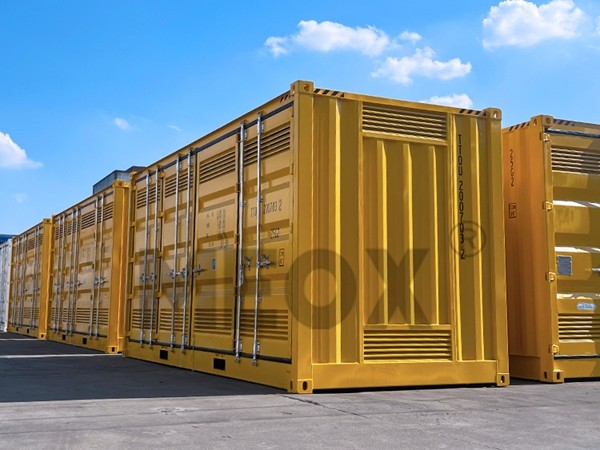
1. Full Compliance With International Safety Standards
One of the primary reasons companies rely on DG containers is their compliance with strict global transport regulations, including IMDG Code, ADR, DOT, and other national standards. Every DG container class is engineered to meet requirements for specific hazardous materials, ensuring safe transport by sea, air, or land. Using certified equipment is essential for avoiding violations, penalties, or operational shutdowns.
In industries where even minor noncompliance can lead to safety hazards or costly delays, choosing a standardized DG container ensures peace of mind throughout the logistics process.
2. Purpose-Built Construction for Hazardous Materials
DG containers differ significantly from standard shipping containers. They are manufactured with enhanced materials, reinforced structures, and safety mechanisms designed to handle highly volatile, reactive, or toxic goods.
A typical dg container may include:
- Chemical-resistant interior coatings
- Spill-containment floors
- Fire-resistant paneling
- Explosion-proof ventilation systems
- Drum-holding brackets and secure tie-downs
These features ensure that even in extreme conditions—heat, shock, or accidental impacts—the container continues to protect its contents and the environment.
3. Improved Risk Management and Workplace Safety
Hazardous materials pose serious risks during handling, storage, and transport—risks that can be dramatically reduced with the right equipment. DG containers help prevent chemical exposure, accidental spills, cross-contamination, and fire hazards.
By isolating dangerous goods in a controlled and certified structure, companies can safeguard workers, equipment, and property. This is especially important in locations where hazardous substances are stored near other operational areas.
4. Versatile Applications Across Multiple Industries
DG containers are used in almost every sector that handles regulated materials, including:
- Petrochemicals
- Pharmaceuticals
- Agriculture and fertilizers
- Batteries and electronics
- Hazardous waste disposal
- Explosives and mining
Because each DG container class is designed for a specific category of dangerous goods, businesses can choose a model that perfectly matches their application. This versatility makes DG containers a long-term asset for companies that handle diverse materials.
5. Cost-Efficient Long-Term Storage and Transport
Traditional methods of storing hazardous materials—such as building permanent storage structures—are costly and time-consuming. DG containers offer a flexible, portable, and cost-effective alternative.
Companies save money through:
- Reduced construction and installation costs
- Lower insurance premiums due to higher safety ratings
- Faster compliance certification
- Long service life with minimal maintenance
Additionally, because DG containers are mobile, they can be relocated based on changing operational needs—something fixed facilities cannot offer.
6. Enhanced Environmental Protection
Environmental responsibility is no longer optional. DG containers help organizations meet sustainability goals by minimizing the risk of chemical leaks, soil contamination, and water pollution.
Features such as drainage collection trays, sealed floors, and integrated spill systems ensure that even if a container’s contents become unstable, the environment remains protected. This makes DG containers essential not just for compliance but also for corporate environmental stewardship.
7. Flexible Customization for Specific Working Conditions
While certified DG containers must adhere to strict design standards, many manufacturers offer customizable features to enhance usability. Businesses can request:
- Multi-level shelving
- Temperature control systems
- Advanced ventilation and air filtration
- Explosion-proof lighting
- Internal partitions for mixed-class goods
This flexibility allows companies to design a DG container that aligns perfectly with their operational workflow while still meeting regulatory requirements.
How Dangerous Goods Shipping Containers Work
Unlike traditional shipping containers, dangerous goods units are engineered to isolate, ventilate, and secure hazardous materials. A typical DG container uses fireproof steel structures, external ventilation to prevent vapor buildup, and leak-proof floors that collect any accidental spills. Sensors, drainage valves, and reinforced doors further increase safety.
Different DG container class categories determine what types of materials the unit can hold—flammable liquids (Class 3), corrosive substances (Class 8), oxidizers (Class 5), and more. These classifications ensure that incompatible chemicals are stored separately and handled with industry-approved precautions.
Through this controlled engineering, DG containers eliminate common risks associated with dangerous materials and ensure safe, reliable, and compliant transportation.
Author
Written by Marcus Lee — Industrial Safety & Logistics Specialist
Marcus Lee is a senior technical writer with over 12 years of experience in hazardous materials logistics, compliance engineering, and industrial container solutions. He focuses on simplifying complex safety standards and helping businesses choose reliable DG container systems.