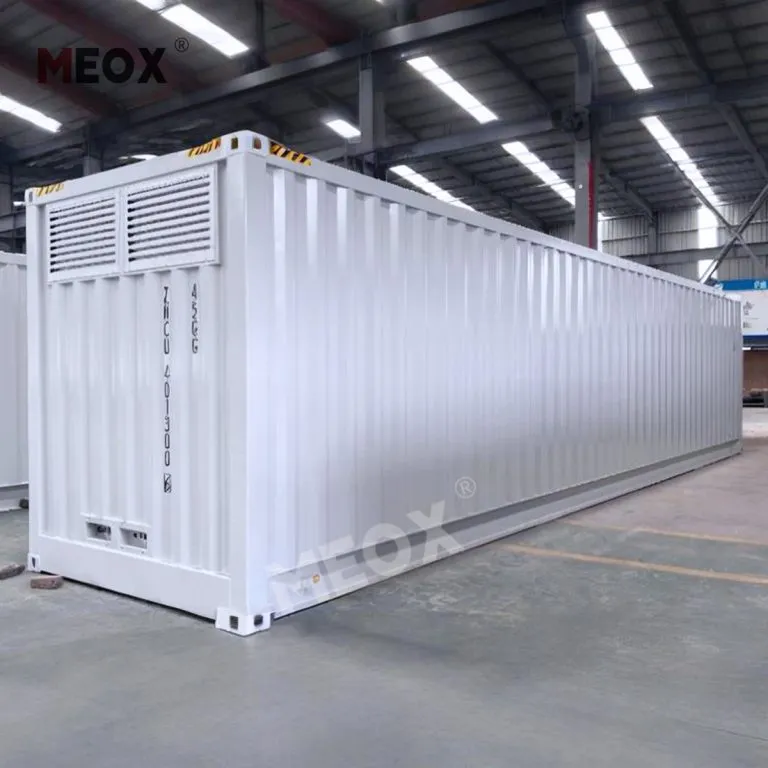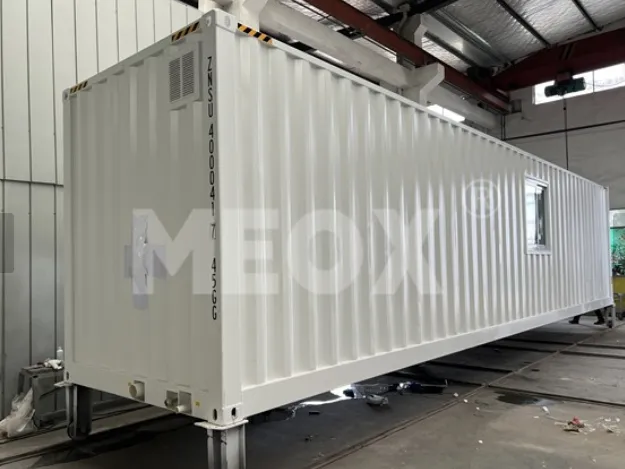
In the intricate realm of cold-chain logistics, proper pre – cooling of 40 refrigerated containersis the cornerstone of preserving the freshness and quality of temperature – sensitive cargo. Suzhou Zhongnan Intelligent Equipment Co, Ltd., a leading manufacturing enterprise, specializes in crafting high – quality special and standard containers. Boasting complete manufacturing equipment, a professional production team, and experienced design technicians, the company is committed to providing reliable container solutions. Understanding and implementing the correct pre – cooling procedures for 40ft reefer containersand 40 reefer containersis essential for businesses to avoid product spoilage and ensure successful transportation.
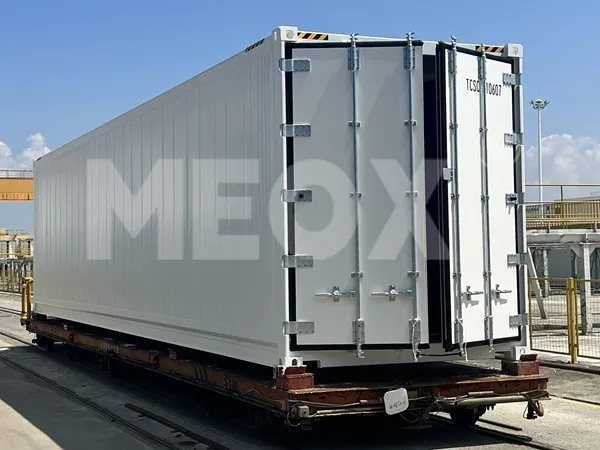
Pre – Cooling Preparation for 40ft Reefer Containers
- Inspect Container Equipment: Before initiating the pre – cooling process for a 40ft reefer container, a thorough inspection of the refrigeration unit, insulation, and other components is crucial. Check if the refrigerator, such as DAIKIN, Carrier, or Thermo King models commonly installed in these containers, is functioning properly. Examine the insulation thickness (Roof: 80mm, Side Plate: 80mm, Door: 76mm, Floor: 76/110mm) to ensure there are no leaks or damages that could compromise the cooling efficiency.
- Verify Power Supply: Ensure a stable and appropriate power supply for the 40 reefer container. Connect the container to a reliable electrical source that meets the power requirements of the refrigeration system. Any issues with the power supply can lead to insufficient cooling or even system failures during the pre – cooling stage.
Step – by – Step Pre – Cooling Process for 40 Refrigerated Containers
- Set the Target Temperature: Based on the specific requirements of the cargo to be loaded, set the target temperature inside the 40 refrigerated container. Different goods, such as fresh produce, pharmaceuticals, or frozen foods, have varying optimal temperature ranges. For example, fresh fruits might require a temperature between 0°C – 10°C, while frozen goods need temperatures as low as -18°C or lower.
- Start the Refrigeration Unit: Power on the refrigeration unit of the 40ft reefer containerand let it run. Monitor the temperature inside the container using the built – in temperature sensors. The container should start to cool down gradually. It’s important to note that the pre – cooling process may take several hours, depending on the initial temperature of the container and the target temperature.
- Monitor and Adjust: Continuously monitor the temperature during the pre – cooling process. If the temperature is not dropping as expected or deviates from the set range, check for any malfunctions in the refrigeration system, such as blocked vents or compressor issues. Make necessary adjustments to ensure the container reaches the desired temperature before loading the cargo.
Key Considerations During 40 Reefer Container Pre – Cooling
- Cargo Compatibility: Consider the compatibility of different types of cargo when pre – cooling a 40 reefer container. Some goods may release ethylene gas, which can accelerate the ripening or spoilage of other sensitive products. Separate such incompatible items during pre – cooling and loading to maintain the quality of all cargo.
- Humidity Control: Along with temperature, humidity levels inside the 40 refrigerated containeralso matter. High humidity can lead to condensation, which may damage certain goods, while low humidity can cause products to dry out. Some refrigeration units have humidity control features that can be adjusted during pre – cooling to create an optimal environment for the cargo.
| Parameter | Details | Significance for Pre – Cooling |
| Standard | ISO, CSC, UIC, TIR | Ensures the container meets international and industry – recognized quality and safety requirements during pre – cooling and subsequent operations |
| Classification Society | BV, ABS, LR, or CCS | Verifies the container’s design and construction, providing confidence in its performance during the pre – cooling process |
| Refrigerator | DAIKIN/Carrier/Thermo King | These reliable refrigeration units are crucial for achieving and maintaining the desired pre – cooling temperature |
| Insulation Thickness | Roof: 80mmSide Plate: 80mmDoor: 76mmFloor: 76/110mm | Adequate insulation helps retain the cold air inside the container during pre – cooling, improving energy efficiency and cooling effectiveness |
| External Dimensions | 12.192m2.438m2.896m (LWH) | Determines the space available for pre – cooling and loading, as well as compatibility with transportation and storage infrastructure |
| Internal Dimensions | 11.588m2.294m2.554m (LWH) | Influences the volume of cargo that can be pre – cooled and transported, and also affects the air circulation inside the container during pre – cooling |
| Internal Cubic Capacity | 67.9 m³(2,397 CU.ft) | Indicates the amount of cargo that can be accommodated, which impacts the pre – cooling time and the uniformity of temperature distribution |
| Door Size | 2.29 m2.569m (WH) | Affects the ease of loading and unloading during pre – cooling and subsequent operations, and also needs to be sealed properly to prevent cold air leakage |
| Gooseneck Tunnel Size | 3.1741.0290.12m (LWH) | Relevant for the container’s connection to transportation vehicles, ensuring smooth movement during pre – cooling and transit |
| Tare Weight | 34,000 KGS | Helps in calculating the total weight when loaded with cargo, and also impacts the energy consumption during pre – cooling and transportation |
Tips for Efficient 40 Reefer Container Pre – Cooling
- Plan Ahead: Schedule the pre – cooling of 40 reefer containersin advance, taking into account the time required to reach the target temperature. This helps avoid delays in the loading process and ensures that the cargo is loaded into a properly cooled container.
- Regular Maintenance: Keep the refrigeration unit and other components of the 40 refrigerated containerwell – maintained. Regularly clean the condenser coils, check the refrigerant levels, and lubricate moving parts. A well – maintained container will pre – cool more efficiently and reduce the risk of breakdowns.
40 Refrigerated Container FAQS
How Long Does It Take to Pre – Cool a 40ft Reefer Container?
The time required to pre – cool a 40ft reefer containercan vary significantly. It depends on factors such as the initial temperature of the container, the target temperature, the capacity of the refrigeration unit, and the insulation quality. On average, it can take anywhere from 4 to 8 hours, but in some cases, especially when cooling from a high initial temperature to a very low target temperature, it may take longer.
Can I Pre – Cool a 40 Reefer Container with Cargo Inside?
It is generally not recommended to pre – cool a 40 reefer containerwith cargo inside. Pre – cooling without cargo allows for more efficient temperature reduction and ensures that the container reaches the desired temperature uniformly. Loading cargo into a container that is still in the process of pre – cooling can lead to uneven cooling of the goods, potentially causing spoilage or damage.
What Should I Do If the 40 Refrigerated Container Fails to Reach the Target Temperature During Pre – Cooling?
If the 40 refrigerated containerfails to reach the target temperature during pre – cooling, first check the power supply to ensure it is stable and sufficient. Then, inspect the refrigeration unit for any visible signs of malfunction, such as abnormal noises or leaks. Check the temperature settings and make sure they are correct. If the issue persists, contact a professional technician for further diagnosis and repair.
Does the External Environment Affect the Pre – Cooling of 40ft Reefer Containers?
Yes, the external environment can have a significant impact on the pre – cooling of 40ft reefer containers. High ambient temperatures, direct sunlight, or strong winds can increase the workload on the refrigeration unit and slow down the pre – cooling process. It’s advisable to pre – cool the containers in a shaded and well – ventilated area to minimize the influence of the external environment.
Where Can I Get Professional Guidance on 40 Refrigerated Container Pre – Cooling Procedures?
For professional guidance on 40 refrigerated containerpre – cooling procedures, visit the official website of Suzhou Zhongnan Intelligent Equipment Co, Ltd. With their expertise in container manufacturing and deep understanding of cold – chain logistics, the company can provide comprehensive advice and support. Explore their website to access valuable resources and ensure that you follow the best practices for pre – cooling your 40 reefer containersand transporting your cargo safely and efficiently.
Ready to ensure the perfect pre – cooling of your 40 refrigerated containers? Visit the https://zn-meox.com/of Suzhou Zhongnan Intelligent Equipment Co, Ltd. today! Discover our high – quality container solutions and access expert guidance on pre – cooling procedures. Don’t let improper pre – cooling compromise the quality of your cargo. Start optimizing your cold – chain logistics with us now!