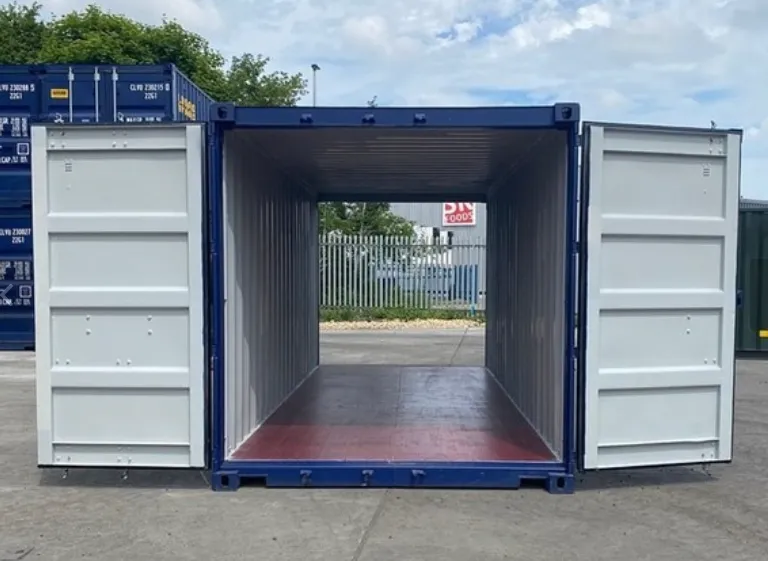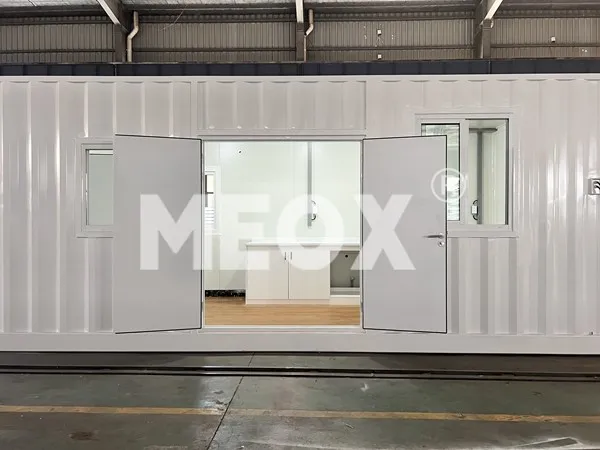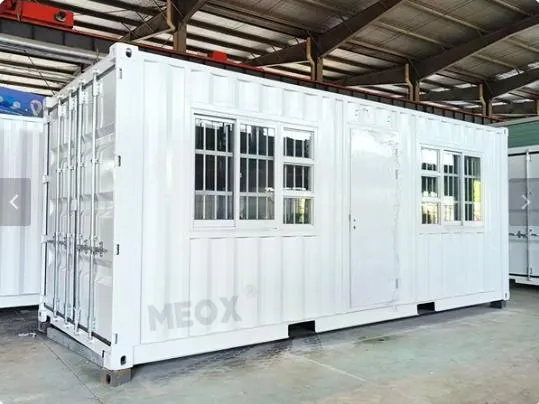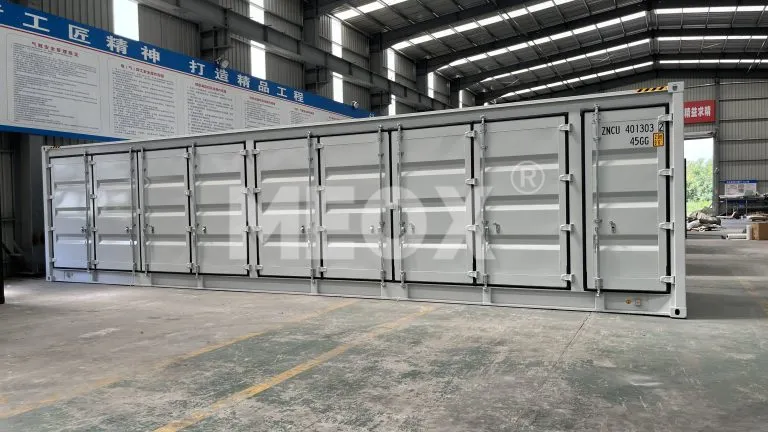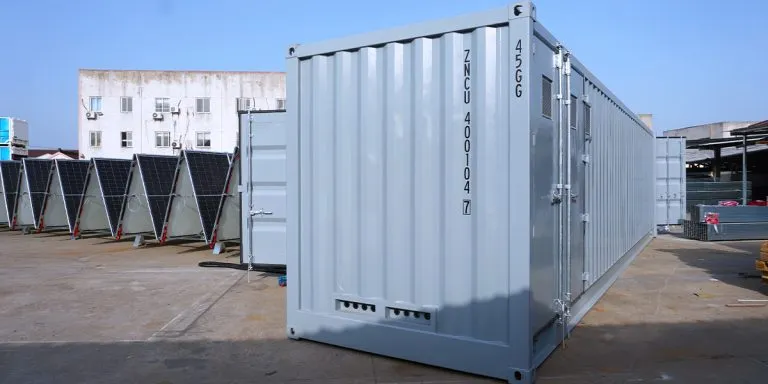
Shipping container shops are a smart pick for many businesses. People use them to make restaurants, stores, offices, and art galleries. These shops look different and can move to new places. Construction companies use them for safe storage and offices at job sites. Coffee shopsand small stores like them because they are easy to set up and look modern.
Market trends show more people want shipping container shops around the world. Asia-Pacific is the top market, but North America is growing fast too.
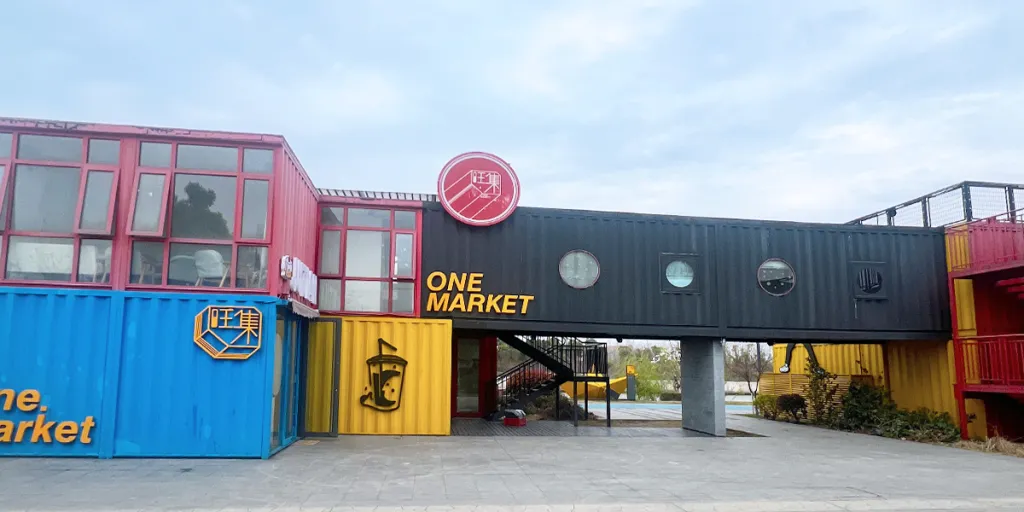
Shipping Container Shop Application and Ideas
Retail and Shop Conversions
Shipping container shops give stores many choices. Owners can set up pop-up shops fast. They can also make small offices or storage spaces. These shops keep items and tools safe. Many brands use containers for events and art shows. The modular design makes it easy to add more space. MEOX’s Shipping Container Shop lets you add your own style. It also uses eco-friendly materials. Stores can try new places quickly. They can change the look for different products. Using containers helps stores be greener. It also brings in customers who care about the planet.
Cafés and Food Businesses
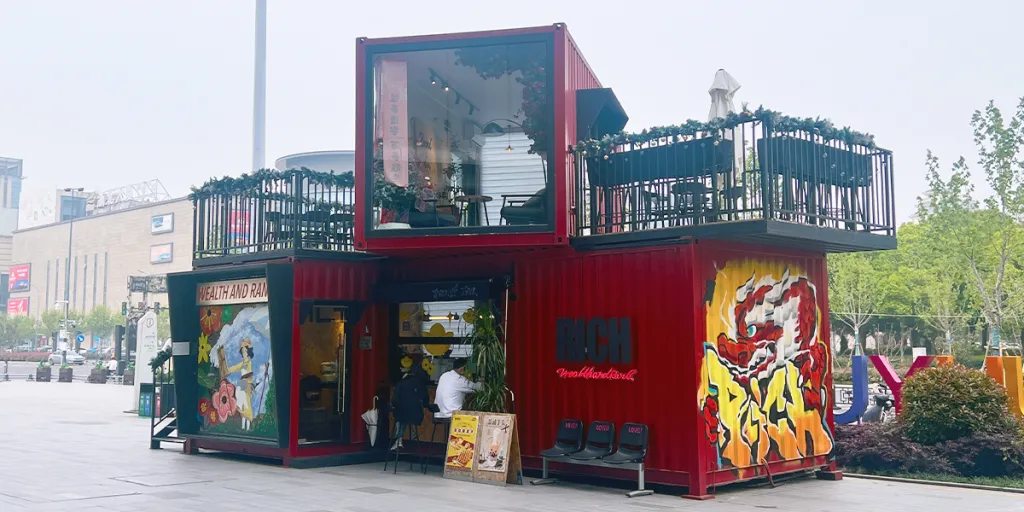
Shipping container cafés are now seen in many cities. People use them to make coffee shops and ghost kitchens. The Shipping Container Cafe story shows owners save money. They also get more choices on where to go. These cafés are strong and last a long time. Many food shops pick containers because they are green. They also help reach more people.
Creative and Specialty Uses
Creative people use containers for special spaces. Taco Bell and Starbucks made pop-up restaurants with them. Subway put a container restaurant on a tall building. Art galleries and event spaces use containers for cool designs. MEOX’s Shipping Container Shop can become a tiny house or art studio. It can also be a mobile show space. Owners can pick the design and features they want.
Benefits of a Shipping Container Shop
Cost and Speed
Shipping container shops help owners save money and time. The main frame is already built. This means less work is needed. Owners pay less for workers. Shops are ready much faster. Most shops take only a few months to finish. Regular buildings can take a year.
Durability and Security
Shipping container shops are strong and safe. They use tough steel that stands up to bad weather. Heavy rain or snow does not hurt them. These shops can handle strong winds. They do better in disasters than most buildings. Owners can add locks and strong doors. Special windows make them safer. Climate control keeps the shop comfy all year. Cleaning and painting often helps them last longer.
Sustainability
Building with containers lowers carbon emissions. Good insulation and solar panels save energy. Building these shops makes less pollution. It also makes less waste than regular shops. These are some ways container shops help the planet.
Flexibility
Shipping container shops are easy to change and grow. Owners choose the size and layout they want. They can pick special features too. The modular design lets owners add more space. Shops can move to new places.
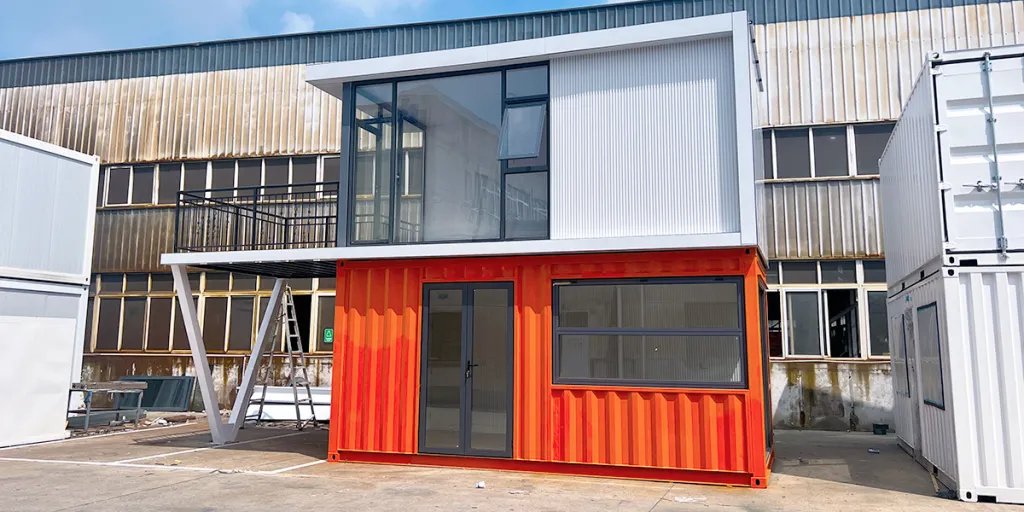
How to build a Shipping Container Shop?
Building Steps
Phase 1: Planning & Design
Develop a Detailed Budget: Calculate all required funds, including:
Cost of shipping containers (new or used)
Modification/construction costs
Permit fees
Labor costs
Contingency funds (for unexpected expenses)
Research Regulations & Obtain Permits:
Check local zoning laws and building codes.
Submit detailed plans for official approval before starting construction.
Design the Layout: (Consider using a professional guide)
Determine required size and shape.
Plan door and window locations.
Design internal workflow and movement paths.
Phase 2: Preparation
Source Shipping Containers:
Purchase new or suitable used containers.
Ensure containers are structurally sound and free of significant rust/damage.
Prepare the Site:
Clear and level the land.
Plan for essential utilities (water drainage, power connections).
Install a proper foundation (e.g., concrete slab or piers).
Phase 3: Construction & Modification
Position Containers:
Use cranes or specialized trucks to place containers securely onto the foundation.
Make Structural Modifications:
Cut openings for doors and windows as per the design.
Reinforce the structure where necessary (especially after cutting).
Install Core Systems:
Run electrical wiring.
Install plumbing.
Add HVAC (Heating, Ventilation, and Air Conditioning) systems.
Phase 4: Finishing
Complete Interior & Exterior:
Install interior finishes (flooring, wall coverings, ceilings).
Fit lighting fixtures.
Apply weatherproofing/sealing to the exterior.
Complete any external cladding or features.
Custom Options
Owners have many choices when building a shipping container home. Some popular types are bars, food stands, kitchens, restaurants, cafes, patios, and offices. Modular shops can be moved, set up for a while, or stay forever. Outside upgrades include regular doors, roll-up doors, special windows, vents, ramps, paint, logos, and custom sizes. Inside upgrades have electric systems, heating and cooling, LED lights, shelves, walls, folding tables, floors, and locks. Other extras are insulated storage, stackable containers, office spaces, and lunch rooms. Owners use these for parks, holiday fairs, stadiums, farmers’ markets, pop-up shops, and community places. Many people like to do projects themselves and build container homes for fun uses.
Don’t just imagine the possibilities – build them. Partner with MEOX to unlock the unique potential of your custom shipping container shop and create a space that empowers your business to grow, adapt, and thrive. Explore the future of flexible, sustainable, and impactful spaces today.