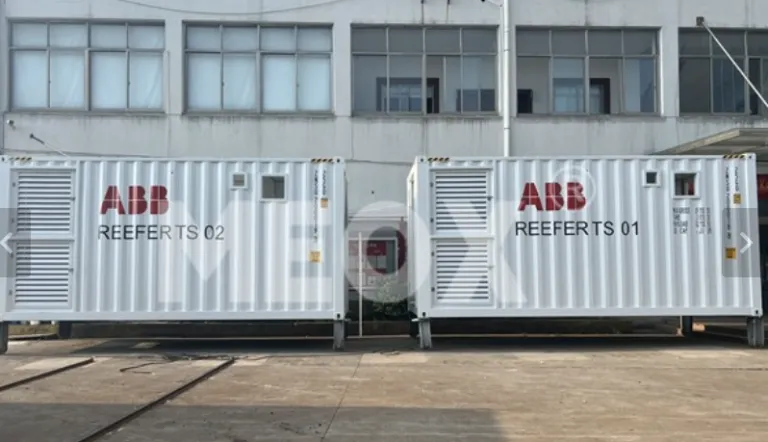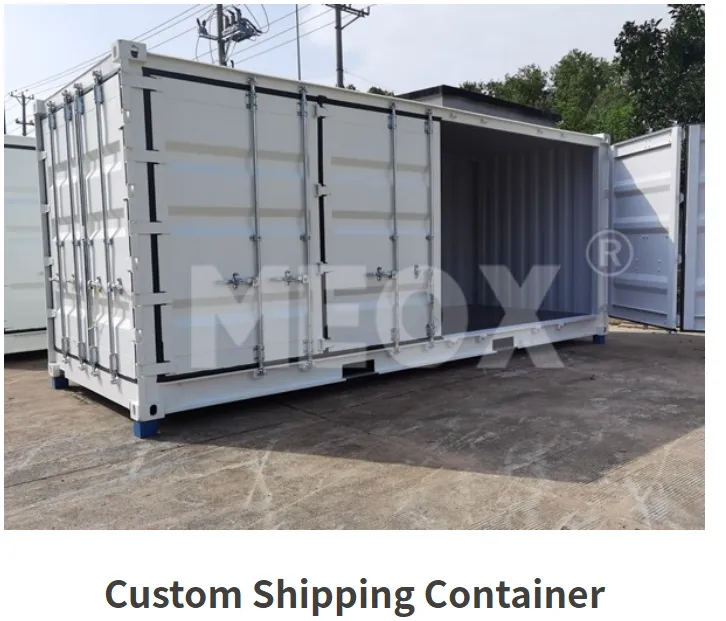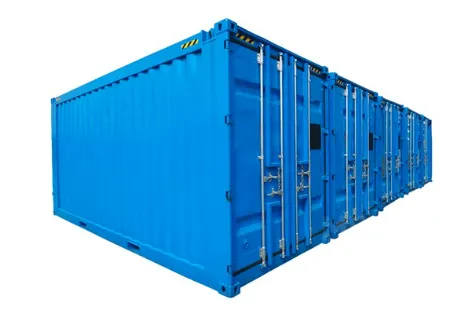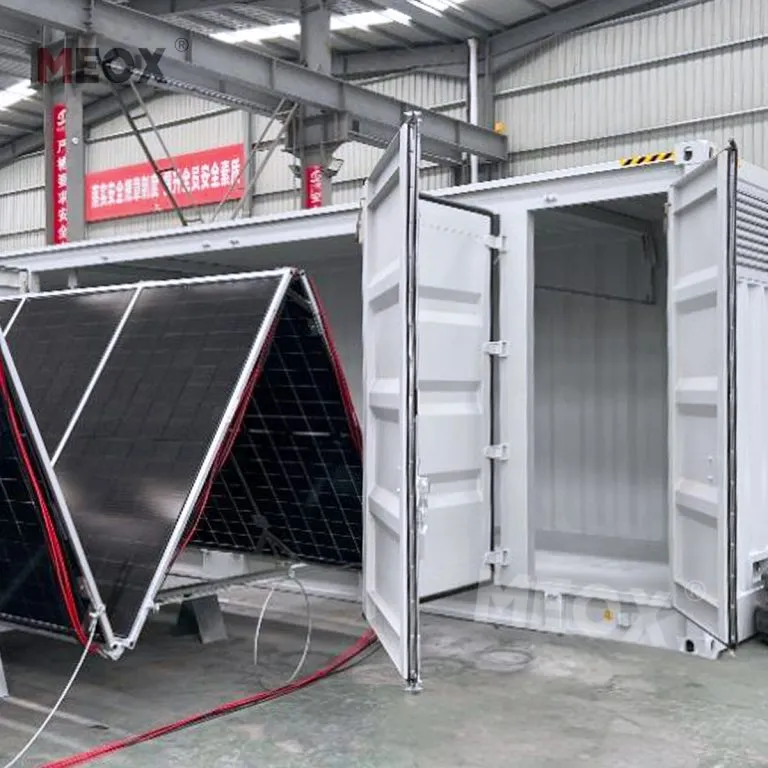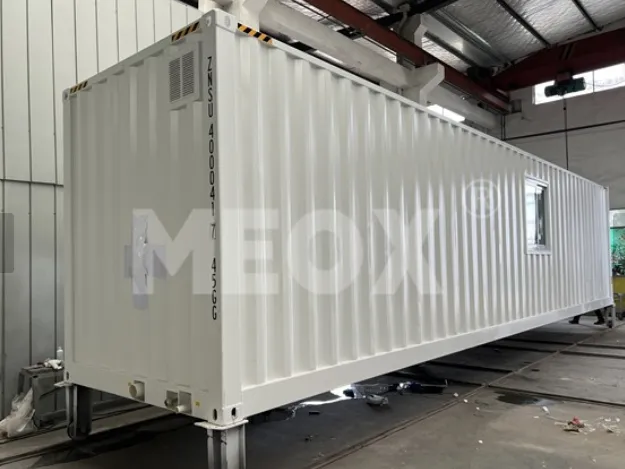
In today’s world, access to clean and safe drinking water is a critical concern, especially in remote areas, disaster zones, and rapidly developing regions. A containerized water treatment plantoffers an innovative solution to this challenge. These portable, modular systems can be easily deployed and provide efficient water treatment to communities in need. By housing the entire water treatment process within a standardized shipping container, this compact and flexible system can be transported anywhere and quickly set up to deliver purified water.
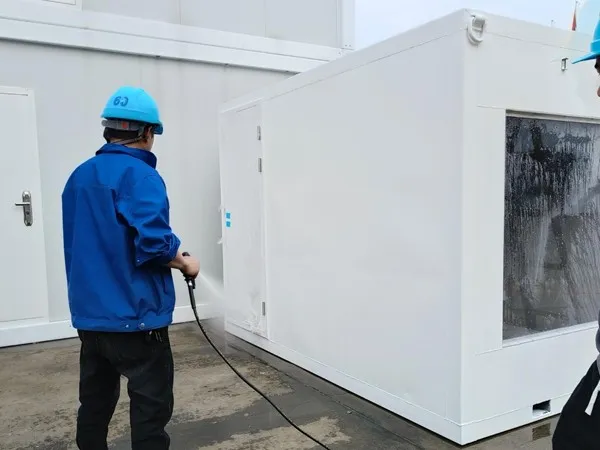
The containerized water treatment plantcombines the latest technology in water filtration and purification into a highly transportable, scalable unit. Whether it’s for emergency relief, temporary construction sites, or remote industrial operations, the ability to move and install a water treatment system with minimal setup is a huge advantage. These systems are designed for maximum efficiency and can treat large volumes of water in a short time, providing a reliable source of clean water wherever it’s needed.
What Determines Containerized Water Treatment Plant Cost?
When considering a containerized water treatment plant, one of the key factors to evaluate is the containerized water treatment plant cost. The cost can vary widely depending on several factors, including the size of the system, the treatment capacity, and the level of customization required. Typically, the cost is influenced by the specific technology used in the treatment process, such as reverse osmosis (RO) systems or filtration systems, as well as the container size and complexity of the infrastructure.
Containerized water treatment plant costcan be divided into several categories, such as initial installation, maintenance, and ongoing operational costs. For instance, systems with containerised RO plantsmay have higher upfront costs due to the advanced filtration technology involved. However, they offer greater efficiency and longer-term savings by reducing the need for chemical treatments or extensive maintenance. The overall containerized water treatment plant costwill also depend on the location and logistics of deploying the system, as transport and installation can add to the expense.
The Advantages of a Containerised RO Plant
A containerised RO plantis one of the most popular solutions for treating water, especially in areas where access to clean water is scarce or unreliable. Reverse osmosis (RO) is a highly effective filtration method that removes impurities, contaminants, and salts from water, making it safe for consumption. By integrating this technology into a containerised RO plant, users can enjoy the benefits of a compact, scalable, and efficient water treatment system.
One of the main advantages of a containerised RO plantis its versatility. These systems can treat a wide range of water sources, including seawater, brackish water, or contaminated groundwater, providing clean, potable water for various uses. Whether it’s for drinking, industrial applications, or agricultural irrigation, a containerised RO plantcan be customized to meet the specific needs of the location and water quality.
Additionally, containerised RO plantsare easy to deploy and can be set up quickly, making them ideal for emergency response situations or temporary water treatment solutions. Their portable design allows them to be relocated as needed, making them a cost-effective choice for areas with fluctuating or seasonal water needs. Moreover, the modular nature of containerised RO plantsallows for expansion or scaling, enabling the system to grow along with the demand for clean water.
Containerized Water Treatment: A Sustainable and Flexible Solution
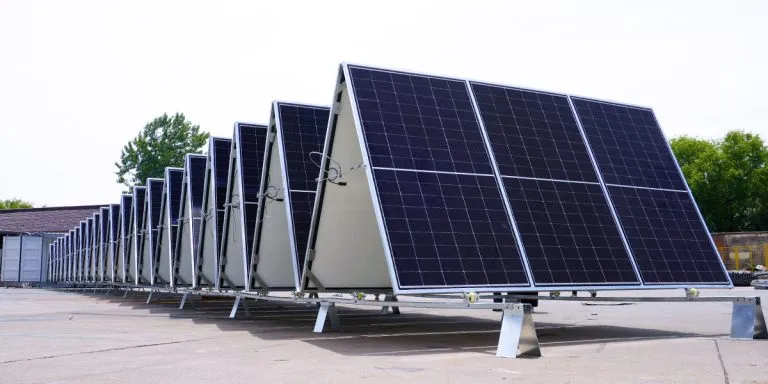
In addition to being portable and efficient, containerized water treatmentsystems are an environmentally friendly and sustainable choice for water purification. These systems often use energy-efficient technologies, such as solar power, to reduce their environmental footprint. By using renewable energy sources, containerized water treatmentplants can operate in remote or off-grid locations, further improving access to clean water in areas with limited infrastructure.
The containerized water treatmentapproach is also flexible in terms of its application. These systems are scalable, meaning they can be sized up or down depending on the water demand. A small unit can serve a community of just a few hundred people, while larger systems can meet the needs of thousands. This flexibility makes containerized water treatmentplants ideal for a wide range of scenarios, including emergency relief, community development, and industrial operations.
Why Invest in a Containerized Water Treatment Plant?
There are several compelling reasons why investing in a containerized water treatment plantmakes sense for both public and private sector projects. Here are a few of the key benefits:
Portability and Flexibility: The most significant advantage of a containerized water treatment plantis its portability. It can be moved and relocated easily, allowing for fast deployment in emergency situations or for projects in areas lacking water infrastructure. Its modular design means that the system can be expanded or reduced based on the demand for clean water.
Cost-Effective: When compared to traditional, large-scale water treatment facilities, containerized water treatment plantsoffer a more affordable solution. The reduced need for land, infrastructure, and complex installations lowers the overall cost of setup and operation.
Scalability: Whether you need a small-scale unit for a remote village or a larger system for an industrial site, containerized water treatmentsystems are highly scalable. This makes them suitable for a wide range of projects, from small communities to large commercial or municipal applications.
Quick Setup and Operation: Since these plants are pre-assembled in containers, installation and startup time are significantly reduced. Within hours of arrival, the system can be operational, ensuring that clean water is available quickly in areas where it’s urgently needed.
Sustainability: Many containerized water treatmentsystems utilize eco-friendly energy sources, such as solar power, which reduces their carbon footprint and operational costs.
Containerized water treatmentsystems represent a revolutionary way to address global water challenges. The combination of portability, efficiency, and scalability makes these systems a highly viable option for providing clean water in both emergency and long-term settings. By understanding the containerized water treatment plant cost, the benefits of a containerised RO plant, and the overall advantages of containerized water treatment, you can make a well-informed decision about investing in this innovative technology.