
Container Hotel — Fast-to-deploy, Eco-friendly Accommodation Solutions
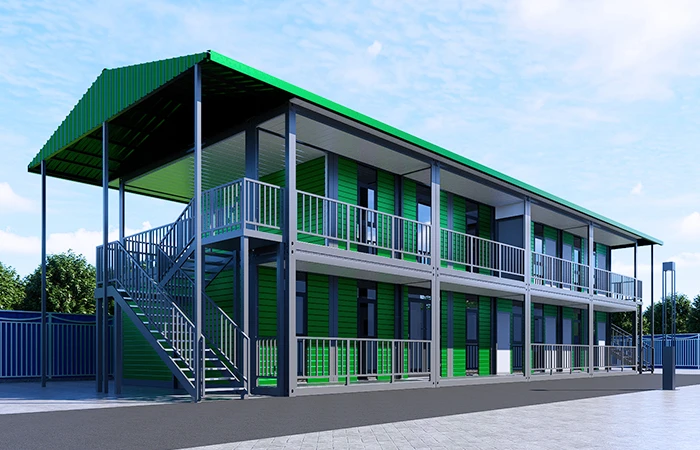
A container hotel is a type of accommodation created by converting containers into guest rooms, suites and shared hotel spaces. Combining modular prefabrication with factory-quality finishes, a container hotel lets operators open quickly, minimize on-site disruption, and deliver memorable guest experiences across urban rooftops, festival pop-ups, remote glamping fields or full-service boutique sites. Where land is scarce, small modular and mobile structures are particularly well suited: the core idea is that you don’t need a large footprint to create something striking. The flexibility of container modules and lightweight steel framing makes bespoke design easy to deploy, disassemble and relocate as needs change, while avoiding heavy on-site construction that raises carbon emissions. For many container hotel projects, this model lowers upfront risk for entrepreneurs through phased investment. Thoughtful layouts often place social decks and communal areas on lower levels, with bedrooms above to provide privacy and elevated views.
Types of container hotels
Permanent container hotel
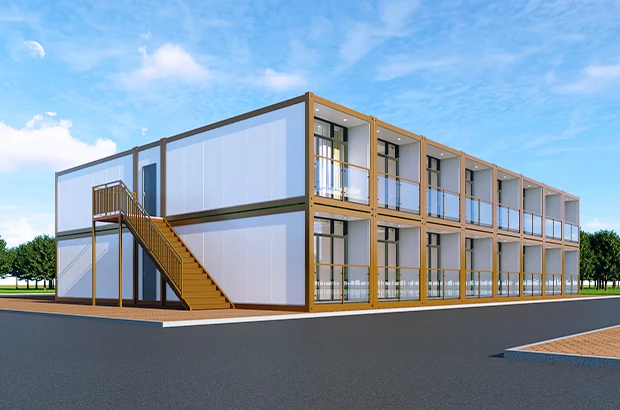
Permanent container hotels are designed for long-term operation at a fixed site. These projects typically use reinforced stacking, integrated MEP (mechanical, electrical, plumbing) connections and finished façades to blend with local architecture. They suit boutique hotels, airport-adjacent properties, or campus housing where durability, comfort and local permitting compliance are priorities.
Pop-up container hotels
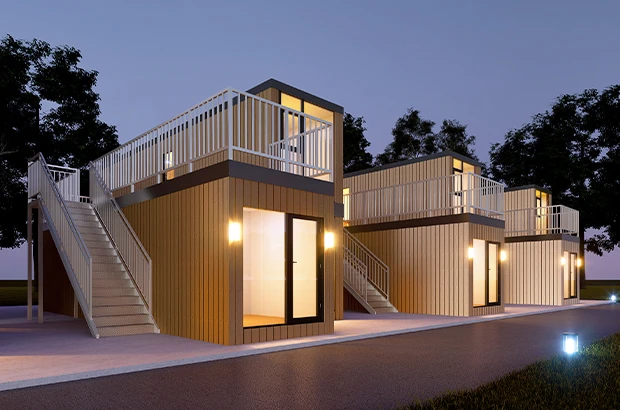
Pop-up container hotels are mobile, temporary solutions assembled quickly for seasonal demand, festivals, sports events or tourism peaks. Modules are built for rapid deployment and removal, minimizing site works and allowing operators to follow market opportunities. They are cost-effective for short-term activations and ideal where land availability is temporary or expensive.
Luxury container hotels
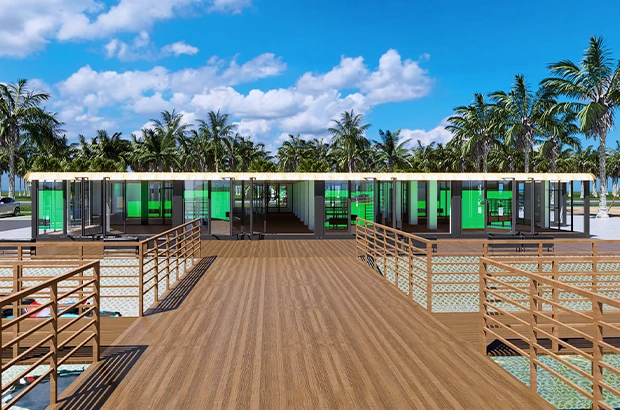
Luxury container hotels elevate the guest experience by pairing insulated container modules with panoramic glazing, private terraces and upscale interiors. These units emphasize connection with nature while offering hotel-standard comfort — perfect for scenic coastal, mountain or rural properties. The glamping format commands premium rates and attracts guests seeking experiential stays.
Hostel-style container hotels
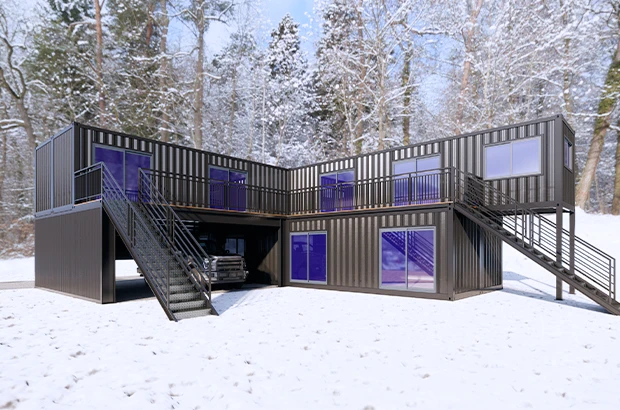
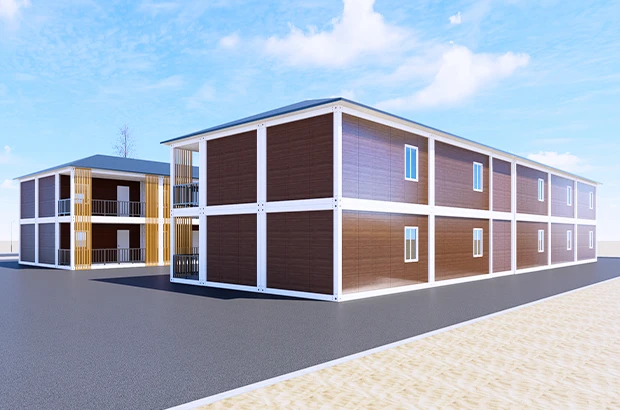
Hostel-style container hotels optimize capacity and social spaces for budget travelers and groups. Configurations include dormitory pods, shared bathrooms, communal kitchens and co-working lounges, often clustered around a central social deck or courtyard. This model reduces per-bed costs while encouraging guest interaction and extended-stay turnover.
Hybrid container hotels
Hybrid container hotels combine guest accommodation modules with dedicated F&B pods, wellness units, retail or event spaces to create a hospitality precinct. By mixing functions — such as cafés on ground level and private suites above — hybrid projects increase onsite revenue streams and guest dwell time. This format works well for urban infill, resort clusters and destination developments.
Technical specifications & modular configurations
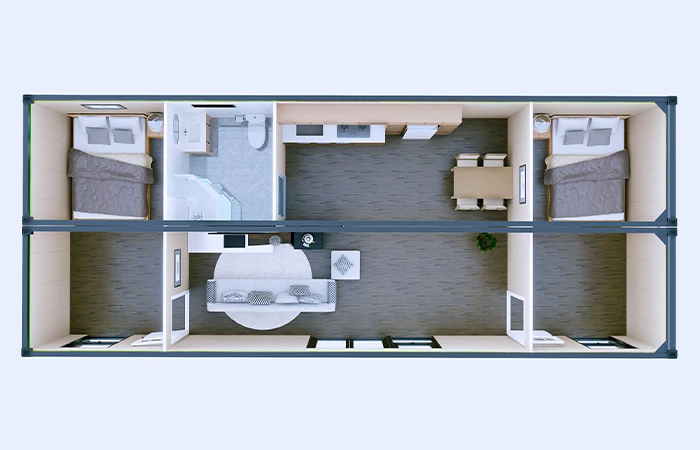
Each container hotel model is offered in standard footprints (10ft, 20ft, 40ft) with various options for custom projects. For every container hotel module we provide clear data: external dimensions, internal clearances, gross weight, insulation type and R-value, typical HVAC sizing, electrical load per unit, window and door types (sliding, tilt-and-turn, fire-rated), structural reinforcement for stacking and rooftop terraces, floor load rating, finish options, and waterproofing details. Architects and planners can download CAD files directly from the resources section to integrate container hotel modules into existing site plans.
Sample floorplans for container hotel modules include single-room suites, studio + kitchenette units, two-story stacks with rooftop decks, and L-shaped linked lanes for food-and-beverage circulation.
Technical specifications & modular configurations
Sustainability & lifecycle benefits
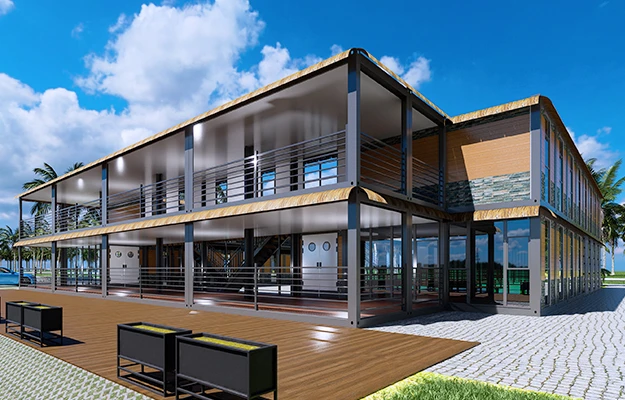
Choosing a container hotel reduces site disturbance and embodied construction waste when compared to conventional builds. The container hotel lifecycle supports refurbishment and reuse: units can be upgraded, redeployed or recycled instead of demolished. Optional renewable systems (PV arrays, battery storage), LED lighting, water-harvesting and thermal insulation further cut operational carbon and operating costs for a container hotel operator.
Certifications, standards & warranties
Every container hotel model can be supplied with structural test reports, fire-safety documentation and electrical compliance packages. Regional certifications (CE, ISO and local approvals) and warranty terms for structure and MEP systems are provided to support permitting and procurement of a container hotel project.
Cost & lead-time guidance
Typical factory lead time for a standard container hotel module runs 4–10 weeks depending on customization; on-site assembly and commissioning for small-to-medium container hotel sites usually takes 1–4 weeks. Ballpark cost ranges vary by unit size and finish level — from entry-level 10ft pods to premium 40ft suites with terraces. Use our estimator or contact Sales for a tailored container hotel quote including logistics and local site works.
Intrinsic durability & weather resistance
Container modules are built from high-strength Corten steel and engineered to endure heavy loads and harsh environments. This inherent robustness reduces deformation, fatigue and corrosion over time, lowering maintenance needs and extending the useful life of a container hotel module.
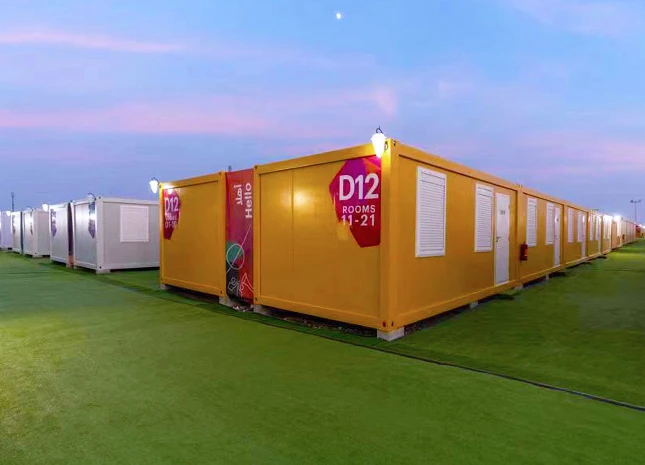
For the Qatar World Cup fan village in Doha, a container hotel solution provided fast, comfortable accommodation for thousands of guests. Each module featured fully finished rooms with en-suite bathrooms, efficient climate control, and hotel-level furnishings that matched traditional properties in comfort and service. The container hotel cluster was optimized for rapid assembly and later disassembly; after the tournament the units were transported and redeployed in other projects, demonstrating a circular, low-waste approach that cut material use and logistics carbon.
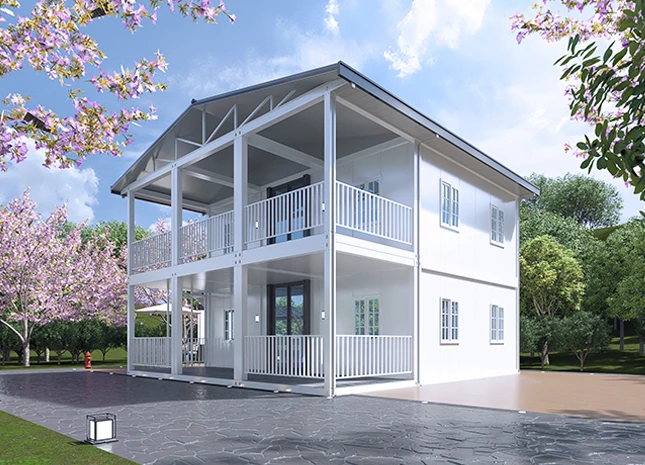
Along the Mediterranean coast, a European container hotel resort combined modular suites, landscaped terraces and energy-efficient systems to comply with sensitive planning rules and seasonal demand. Modules were finished to local standards, fitted with high-performance insulation and optional PV systems, and deployed in phases to match tourism cycles. The container hotel approach minimized on-site construction, supported local contractors for final fit-out, and enabled straightforward refurbishment and reuse between seasons, enhancing long-term sustainability and guest appeal.
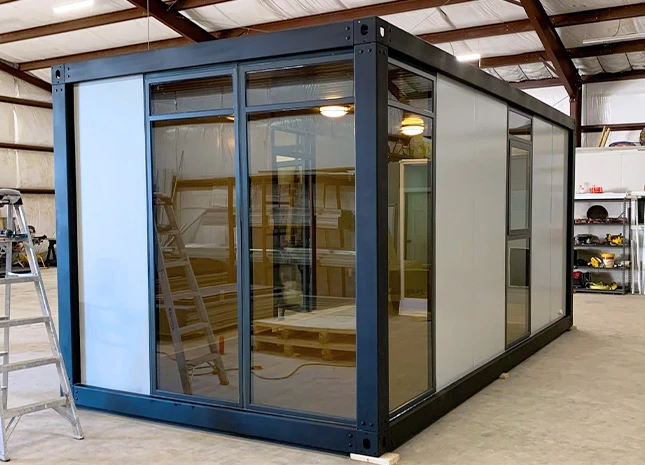
A compact multi-storey container hotel in central Seoul converted small lots into profitable hospitality with stacked 20ft units, ground-floor café and rooftop terraces. The container hotel delivered strong ROI by reducing initial capex and offering unique urban views and social spaces.
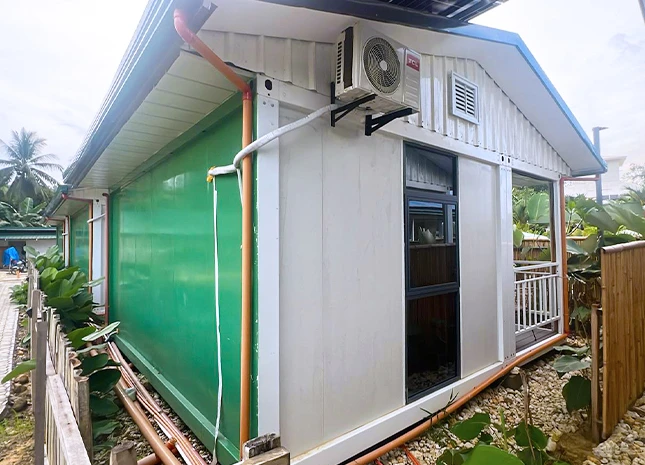
A beachfront container hotel on Boracay used 20ft glamping modules with wide glazing and private decks. The design minimized land take, and enabled seasonal relocation. The container hotel concept reduced construction time and provided high-margin boutique stays for tourists.
