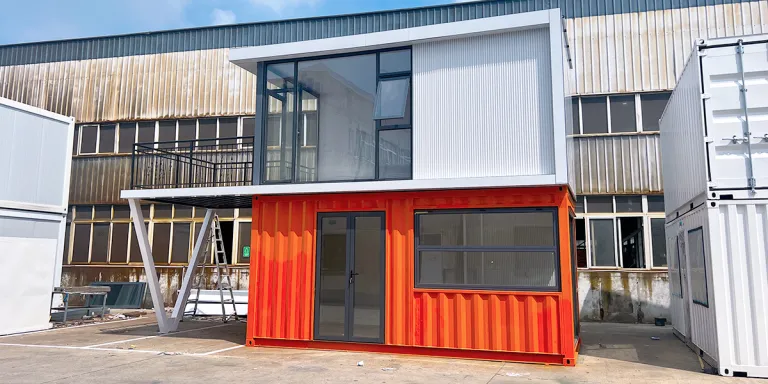
The rise of shipping container commercial kitchenhas transformed the food service industry, offering flexible, cost-effective, and portable solutions for restaurants, food trucks, catering businesses, and outdoor events. However, obtaining the necessary licenses and certifications is a critical step to ensure compliance with health, safety, and building regulations. As a leading container manufacturing enterprise, Suzhou Zhongnan Intelligent Equipment Co, Ltd. (equipped with complete manufacturing facilities and professional design teams) specializes in engineering code-compliant shipping container kitchensolutions, including fully functional shipping container commercial kitchenand weather-resistant shipping container outdoor kitchenmodels. Our expertise in custom container design ensures that wholesale partners can offer clients kitchen solutions that meet global licensing requirements, reducing approval delays and ensuring seamless market entry. For wholesalers targeting food service operators, event organizers, and hospitality developers, understanding the licensing process for shipping container commercial kitchenis key to delivering valuable, compliant products and driving business growth.
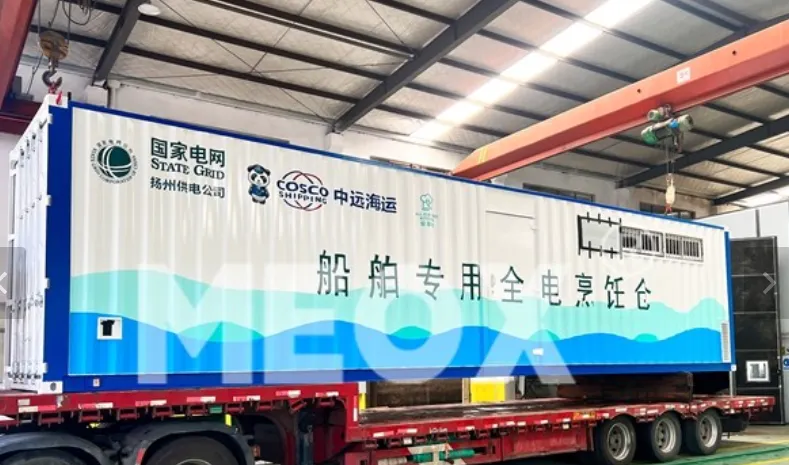
Key Licensing Requirements For Shipping Container Commercial Kitchen
- Health Department Compliance Standards: The primary licensing requirement for any shipping container commercial kitchenis compliance with local health department regulations, which govern food storage, preparation, and handling. Our shipping container kitchenmodels are designed with stainless steel food contact surfaces (easy to clean and sanitize), proper ventilation systems (to remove grease and odors), and separate zones for raw and cooked food preparation—all critical for passing health inspections. For shipping container outdoor kitchenunits, we integrate weather-tight enclosures and pest-resistant features to meet outdoor food service standards. Suzhou Zhongnan provides detailed documentation of material safety and design compliance to simplify health department applications for wholesale clients. A wholesaler supplying North American catering businesses reported that our health-compliant shipping container commercial kitchenhad a 95% first-time inspection pass rate, reducing client frustration and costly rework.
- Building Code and Zoning Approval: Shipping container commercial kitchenmust also comply with local building codes and zoning regulations, which vary by region. Our shipping container kitchensolutions meet structural safety standards (wind, seismic, and load-bearing requirements) and are designed to fit within commercial zoning classifications for food service use. For shipping container outdoor kitchenunits, we address specific zoning restrictions for temporary or permanent outdoor food service, including setback requirements and fire safety clearances. Suzhou Zhongnan’s design team works closely with wholesalers to adapt shipping container commercial kitchenmodels to regional building codes, ensuring compliance with International Building Code (IBC), Eurocode, and other global standards. A wholesaler serving European hospitality clients noted that our code-compliant container kitchens reduced zoning approval delays by 40%, helping clients open for business faster.
Compliance Features: Shipping Container Kitchen Licensing Support
| Compliance Feature | Suzhou Zhongnan Specifications | Licensing Benefit | Wholesale Value Proposition |
| Ventilation & Grease Management | Commercial-grade exhaust hoods; grease filters; fire suppression systems; ductwork compliant with NFPA 96 | Meets fire safety and health department ventilation requirements; prevents grease buildup and fire hazards | Reduces fire code violations; ensures smooth health and safety inspections |
| Plumbing & Sanitation Systems | Potable water lines; waste water holding tanks; handwashing stations; backflow prevention devices | Complies with food service plumbing standards; ensures proper water quality and waste disposal | Eliminates sanitation-related licensing delays; supports safe food preparation |
| Electrical Safety Features | GFCI-protected outlets; commercial-grade wiring; waterproof electrical enclosures (for outdoor models); emergency shutoffs | Meets electrical code requirements (NEC, IEC); prevents electrical hazards in wet kitchen environments | Passes electrical inspections; reduces liability risks for food service operators |
| Structural Integrity & Accessibility | ADA-compliant entryways and workspaces; reinforced flooring (for heavy equipment); stable foundation systems | Complies with accessibility and structural codes; accommodates commercial kitchen equipment | Meets ADA and building code requirements; expands client base to include accessible food service operators |
| Documentation & Certification | Material safety data sheets (MSDS); structural test reports; compliance certificates for global standards | Simplifies licensing applications; provides evidence of regulatory compliance to inspectors | Reduces administrative burden for clients; builds trust in product reliability |
Licensing Process Support For Shipping Container Outdoor Kitchen
- Pre-Manufacturing Design Consultation: Suzhou Zhongnan offers pre-manufacturing design consultations to ensure that shipping container outdoor kitchenand shipping container commercial kitchenmodels are engineered to meet specific regional licensing requirements. Our design team reviews local health, building, and zoning codes with wholesalers and clients, identifying potential compliance issues early in the design process. For example, in regions with strict outdoor food service regulations, we modify shipping container outdoor kitchenmodels to include additional insulation, weatherproofing, or waste management systems. This proactive approach reduces the risk of costly design changes post-manufacturing and ensures that container kitchens are license-ready upon delivery. A wholesaler supplying Australian event organizers reported that our pre-manufacturing consultations helped clients avoid 90% of licensing-related design issues, saving time and money.
- Post-Delivery Licensing Assistance: Beyond manufacturing, Suzhou Zhongnan provides post-delivery support to help wholesale clients and their customers navigate the licensing process. We supply comprehensive compliance documentation, including structural engineering reports, material certifications, and equipment safety data sheets, which are critical for license applications. Our technical team is available to answer inspector questions and provide additional documentation as needed, ensuring a smooth approval process. For bulk wholesale orders, we offer on-site training for clients on maintenance and operational practices that support ongoing licensing compliance (e.g., cleaning schedules, equipment safety checks). A wholesaler serving Asian food truck operators noted that our post-delivery licensing support reduced client approval times by 35%, driving repeat orders and positive referrals.
Shipping Container Commercial Kitchen FAQS
How Long Does It Take To Obtain Licensing For A Shipping Container Commercial Kitchen?
The licensing timeline for a shipping container commercial kitchenvaries by region and complexity, but typically takes 4-8 weeks from application submission to approval. With Suzhou Zhongnan’s code-compliant shipping container kitchenmodels, clients can reduce this timeline by 30-40% compared to non-compliant designs, as our pre-engineered solutions minimize inspection issues and documentation gaps. For shipping container outdoor kitchenunits (often subject to temporary licensing), approval can be obtained in 2-4 weeks. We recommend that wholesalers advise clients to begin the licensing process during manufacturing (4-8 weeks for standard units) to align delivery with approval, ensuring no delays in opening for business. A wholesaler supplying North American food trucks reported that our compliant container kitchens helped clients achieve licensing approval in an average of 5 weeks, compared to 8-10 weeks for competitors’ non-compliant models.
Are Shipping Container Outdoor Kitchen Subject To Different Licensing Requirements?
Yes—shipping container outdoor kitchenunits are subject to additional licensing requirements specific to outdoor food service, including weather resistance standards, temporary structure permits (if applicable), and enhanced ventilation to address outdoor environmental conditions. Our shipping container outdoor kitchenmodels are engineered to meet these unique requirements, with features like waterproof electrical systems, wind-resistant enclosures, and portable waste management solutions. In regions with seasonal outdoor food service restrictions, we design shipping container outdoor kitchenunits that qualify for temporary licensing, allowing clients to operate during peak seasons without permanent zoning changes. Suzhou Zhongnan provides region-specific documentation to support outdoor licensing applications, including weather durability test reports and temporary structure certifications. A wholesaler serving European event organizers noted that our outdoor-compliant container kitchens had a 90% temporary licensing approval rate, enabling clients to capitalize on seasonal event opportunities.
Can Shipping Container Kitchen Be Modified To Meet Regional Licensing Differences?
Absolutely—Suzhou Zhongnan’s shipping container kitchenmodels are fully customizable to meet regional licensing differences, including variations in health codes, building standards, and zoning regulations. Our design team can modify key features such as ventilation systems (adapted to local grease management requirements), electrical configurations (compliant with regional voltage and safety standards), and food preparation zones (aligned with local health department guidelines). For example, shipping container commercial kitchenunits for the Middle East include enhanced temperature control for hot climates, while European models integrate stricter EU food safety features. Minimum order quantities for regionally modified container kitchens start at 5 units for wholesale partners, with our team providing 3D renderings and compliance checklists to ensure alignment with local licensing requirements. A wholesaler supplying global hospitality chains reported that our regional customization capabilities allowed them to penetrate 20+ countries with compliant container kitchen solutions, driving international growth.
What Happens If A Shipping Container Commercial Kitchen Fails A Licensing Inspection?
If a shipping container commercial kitchenfails a licensing inspection, Suzhou Zhongnan provides technical support and modification solutions to address non-compliance issues. Our shipping container kitchendesigns are modular, allowing for relatively quick and cost-effective adjustments (e.g., adding ventilation upgrades, modifying food preparation zones, or enhancing plumbing systems). We offer wholesale partners discounted replacement parts and technical guidance to implement necessary changes, minimizing downtime for clients. To prevent inspection failures, we recommend that wholesalers encourage clients to conduct pre-inspection walkthroughs using our compliance checklist, which covers all key licensing requirements. A wholesaler supplying North American catering businesses reported that our post-inspection support reduced 整改 costs by 50% for clients who needed modifications, maintaining customer satisfaction and loyalty.
What Documentation Do You Provide To Support Shipping Container Kitchen Licensing?
Suzhou Zhongnan provides comprehensive documentation to support licensing applications for shipping container commercial kitchenand shipping container outdoor kitchenunits, including: 1) Structural engineering reports (wind, seismic, and load-bearing compliance); 2) Material safety data sheets (MSDS) for all food contact surfaces and construction materials; 3) Equipment certification documents (for appliances, ventilation systems, and fire suppression units); 4) Compliance certificates for global standards (FDA, CE, NSF, NFPA); 5) As-built drawings and design specifications. For wholesale orders, we can customize documentation to include client-specific details (e.g., business name, location, and equipment configurations) to streamline the application process. A wholesaler serving Asian food service operators reported that our comprehensive documentation package reduced client administrative time by 40%, making it easier for them to complete licensing applications and focus on their core business.