You now see container conversions changing how you use stores, restaurants, hospitals, and offices. These solutions help your projects be more flexible, save money, and protect the environment. It is easy to use as you shop online, meet new needs, and set up things fast. Look at the table below for 2025 world market facts:
Aspect | Statistic / Insight |
|---|---|
Container Data Center Market Size | $16.28 billion in 2025, expected to go over $65 billion by 2032 |
More than 22% from 2025 to 2032 | |
Industry Applications | Healthcare, factories, and banks with special containerized data centers |
Shipping Containers Market CAGR | 3.8% expected from 2025 to 2032 |
Asia Pacific Market Share | 47.13% in 2025 |
Emerging Applications | Modular homes, stores, and new uses besides shipping |
Key Takeaways
Container conversions change shipping containers into useful spaces like stores, clinics, and homes. This helps businesses save money and make less waste.
Using container conversions makes projects start faster and lowers energy bills. It also saves money by cutting labor and material costs.
Container conversions help the environment by reusing materials and making less pollution. They help businesses follow new green rules and grow at the same time.
Container Conversions Overview
What Is Container Conversion?
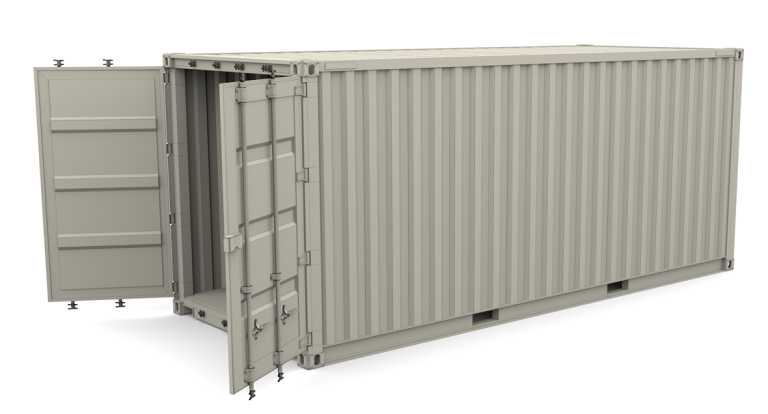
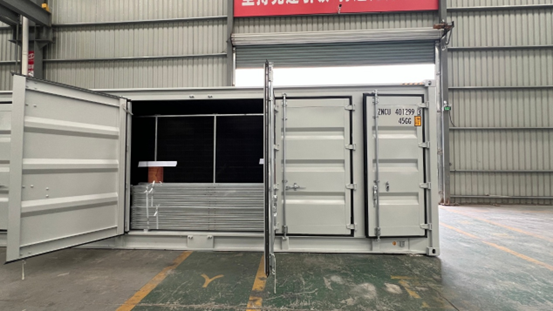
Container conversion means changing shipping containers into new spaces. People first used containers to move things. Now, they can be offices, stores, clinics, or homes. This helps save space and money. Many companies use them for flexible work areas or pop-up shops. For example, a store can open a mobile shop in a busy city using a container. You can also use them for extra storage or when you need space fast.
Tip: Using container conversions lets you reuse strong steel containers. This means less waste and more value from each one.
2025 Trends in Container Conversions
In 2025, you will see big changes in container conversions. New rules make companies use greener packaging and smarter designs. Experts say 2025 is important because of new laws and more people wanting to help the planet. You will see more reusable and compostable packaging, not just single-use plastics. Companies now work together to make shared refillable packaging. This helps cut waste and supports the circular economy. Only 9% of plastics get recycled, so reusable packaging is very important. By 2025, new technology like AI and automation will make container conversions smarter and faster. You will also see more recycled materials and foldable containers. These help save space and lower costs. These trends change the future of retail and packaging. Container conversion is a smart choice for your business.
Trend | Impact on You |
|---|---|
Reusable packaging | Cuts waste, saves money |
Smart automation | Faster, more flexible conversions |
Circular economy focus | More value from every container |
Container Conversion Economic Impact: Cost Savings & ROI
Upfront Savings
Container conversion helps you save a lot of money. Making a container home can cost about $25,000. Regular modular homes can cost $180,000 to $360,000. This big price gap is why many people pick container conversion. Most work is done in a factory, so you pay less for workers. Projects finish faster, sometimes in just 90 days. You spend less on labor and use your new space sooner. These savings let you put more money into your business or your space.
Operational ROI
Container conversion gives you strong benefits for a long time. Good insulation and smart systems can cut energy bills by 30–40%. Some container spaces even reach net-zero energy use. This means you might not pay for utilities. In hotels, you can build a guest suite for $25,000–$40,000. You could earn $1,500–$3,000 each month. This quick payback helps your business grow. You also help the planet by using less energy and fewer new things.
Lower energy bills
Faster payback times
New ways to make money
Tariff Mitigation
Container conversion can help you skip some tariffs and fees. Using old containers means you need fewer new materials. This helps the circular economy and the planet. Many countries give tax breaks or lower tariffs for green building. You can use these programs to save more money. This rewards your focus on being green and creative.
Tip: Picking container conversion helps you follow new green rules and makes the world better for everyone.
Container Conversion Industry Applications: High-Growth Sectors

Healthcare
Healthcare is changing quickly in 2025. Container conversions help more people get medical care. You can set up clinics, labs, and pharmacies fast. These spaces use strong containers. You save money and time because you do not build new buildings. You can move these medical units where people need them. This helps in rural places, disaster areas, and crowded cities.
Here is how container conversions help healthcare:
Aspect | Explanation |
|---|---|
Durability | Containers keep medical supplies and equipment safe during travel and use. |
Modularity & Customization | You can design spaces for doctor visits, labs, or pharmacies. |
Rapid Deployment | You set up clinics quickly, even in emergencies or faraway places. |
Cost-Effectiveness | You spend less than on regular buildings, so you help more patients. |
Mobility | You move clinics to new places as needs change. |
Scalability | You add more units as your healthcare needs grow. |
Sustainability | You reuse containers, which cuts waste and helps the planet. |
Versatility | You use these spaces in cities, small towns, festivals, and schools. |
You can see real results. For example, container hospitals cost much less than regular hospitals. You can make them bigger if you need more space. You meet health and safety rules. You also give safe, comfortable care to patients and staff. This way, more people can get healthcare fast.
Retail & Logistics
Retail and e-commerce are changing how you shop and sell. Container conversions give you new ways to reach customers. You can make pop-up shops, mobile showrooms, and delivery hubs. These retail spaces use 40ft containers for size and easy moving. You do not need to rent expensive stores. You can move your shop to busy places or events. This gives you more choices and makes shopping easier.
You see new business ideas in retail and e-commerce:
Pop-up shops let you try new markets without long leases.
Mobile showrooms bring your products closer to buyers.
Inventory and storage in containers help e-commerce grow fast.
Mobile marketing uses containers for brand events and ads.
Permanent container malls give many brands flexible spaces.
You can change containers for different sales or events. You use them for holiday sales or online shopping days. You also help the planet by reusing containers and making less trash. This is good for shoppers who care about the environment.
Packaging and supply chain work better with container conversions. You get:
Easy shipping with standard container sizes.
Lower handling costs and less damage to products.
Simple moves between trucks, trains, and ships.
On-site storage for goods and tools.
Safe, strong spaces that protect items and lower insurance.
Custom spaces for your business needs.
Reusable packaging that cuts waste and helps the planet.
You see real savings. For example, a big hardware company saved over $500,000 on packaging and cut almost 100,000 pounds of waste. Stores like Wal-Mart want packaging to be better for the planet by 2025. This makes suppliers use greener solutions. These changes help you save money and protect the earth.
Urban Factories
Urban factories use container conversions to make more products and save money. You can set up workspaces fast. You move or grow your factory as you need. This helps you keep up with city growth and new needs.
You get:
Quick setup and changes for workspaces.
Portable containers you can move when needed.
You can join containers for bigger factories.
Special features like climate control, lights, and security.
Lower costs than building new factories.
Flexible leases and shared workspaces.
Startup costs for container conversion are much lower, often $3,000 to $5,000 per unit.
You also use space better in cities. You fit containers into small city areas. You can add or remove units as your business grows. This keeps costs low and your work flexible.
Urban factories help the planet too. You reuse containers and tools. You make less waste and use less energy. You help cities grow in a smart, green way.
Tip: Pick container solutions with good warranties and helpful support teams. This keeps your retail spaces, healthcare units, and factories working well.
Container Conversion Operational Advantages: Flexibility & Tech
Rapid Deployment
You can set up stores or e-commerce hubs very fast with container conversions. Many companies like this because you do not wait for long building times. Shipping container workshops are easy to move and last a long time. You can take them to new places when you need to.
You get strong steel buildings that handle bad weather.
You can make your store bigger by adding more containers.
You can quickly add things like lights, water, and storage.
You can open a new shop or hub in just 8 hours.
You can move your store without losing how nice it looks.
Heating and cooling systems keep your space comfy all year.
You save money by not building new stores and using easy-to-grow options.
Here is a real story: A city e-commerce business used containers to open three pop-up shops in one week. They moved each shop to busy places, which helped them sell more and get noticed.
AI & Automation
AI and automation help your stores and e-commerce work better. AI helps you pick the best spot for containers and plan good delivery routes. Automation makes moving containers faster, so you do not have to wait as long.
AI loading can lower shipping costs by up to 30%.
Sensors help fix problems before things break, cutting downtime by half.
Machines do dangerous jobs, so your team stays safe.
You get live data to track your stock and use space well.
Automation uses less fuel and makes less pollution, which helps the planet.
You see these good changes in city stores and e-commerce warehouses. For example, a store chain used AI to cut packaging trash by 20% and save on shipping.
Climate Resilience
Container conversions make your stores and e-commerce hubs strong against bad weather. You get insulation and heating or cooling to keep your space nice in any season.
Containers stand up to storms, heat, and cold.
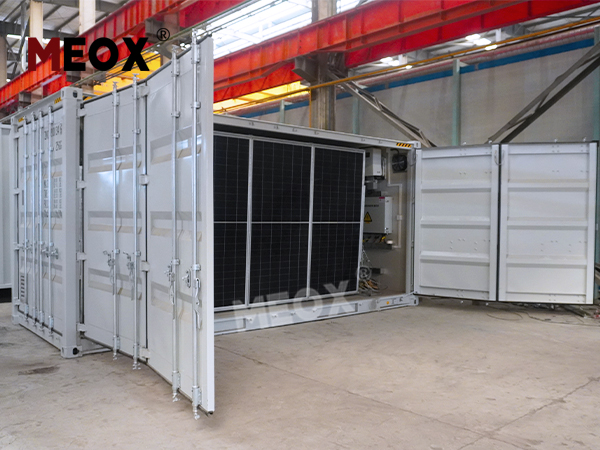
You can add solar panels and collect rainwater to be greener.
You can change your space to fit new weather needs.
You keep your goods and workers safe, so your business keeps going.
A store in a city used containers to make weather-proof shops. They stayed open during bad weather and kept growing.
Tip: Pick after-sales help that gives you repairs, spare parts, and tech support. This keeps your stores and e-commerce working well.
Operational Advantage | Benefit for Retail & E-Commerce Spaces |
|---|---|
Rapid Deployment | Fast setup, easy relocation |
AI & Automation | Cost savings, higher productivity |
Climate Resilience | Year-round use, business continuity |
Container Conversion Sustainability: ESG Compliance & Circular Economy

Carbon Reduction
You help the planet by picking container conversions. Companies check each container’s whole life to see how much CO2 they save. They also see how much material they reuse. New container spaces use IoT sensors to watch energy use and keep things safe. You lower emissions by using less new stuff and more recycled steel. You can track CO2, energy, water, and waste. For example, a logistics company saved 35% on energy bills by using container offices. This proves that caring for the earth brings real results.
Sustainability Metric | What You Can Track |
|---|---|
CO2 Emissions (kt) | Lower greenhouse gases |
Energy Use (kWh) | Less power needed |
Water Usage (tons) | Save water |
Waste Reduction (m³) | Less landfill waste |
Regulatory Wins
You get rewards for following new green rules. Many places give bonuses to companies that use green tech. You can win better contracts by showing you care about the earth. Programs like EPA’s SmartWay give awards for green shipping. You also skip fines by following packaging and recycling rules. For example, using recycled containers can mean lower fees and more jobs. You can join programs to help you track and improve your work.
Add green goals to your contracts
Try cleaner fuels or zero-emission trucks
Share reports on fuel use and pollution
Follow state and national packaging laws
Circular Models
You help the circular economy by reusing containers for a long time. Regular checks and repairs keep containers working well. When a container is too old, you can recycle it or turn it into something new. Ports and shipping hubs use these ideas to make less waste and use things longer. New tech, like additive manufacturing, lets you fix containers with recycled parts. You help the earth by keeping materials in use and making less trash.
Note: If you have trouble with ESG rules, you can use digital tools like IoT sensors and blockchain to track things better. Many companies also give help, checks, and training to help you meet new rules.
In 2025, container conversions change how businesses work around the world. Modular designs help cut down on waste and bring new chances. These containers are strong and can handle bad weather for many years. They also help save money over time. Real projects, such as modular schools, show how fast you can set them up and how easy they are to move or change. Try these solutions to help your business grow and get more benefits that last.
FAQ
What should you do if your container office needs repairs?
You can contact the support team. Most providers offer quick repairs, spare parts, and technical help. This keeps your workspace safe and running.
How fast can you set up a container workspace?
You can set up a basic container office in one day. For example, a team in Shanghai installed three units in eight hours during a recent project.
Can you customize the design of your container space?
Yes, you can choose layouts, colors, and features. Many companies offer design options for private offices, meeting rooms, or open work areas.