Bridging Gaps in Electric Vehicle Charging Infrastructure
Global energy transitions continue to accelerate EV uptake. Powered in part by innovations in Mobile Solar Energy, the global electric‐vehicle fleet had swollen to nearly 58 million units by early 2025—up sharply from 26 million just two years earlier. Annual sales are on track to exceed 20 million this year, representing over a quarter of all new car purchases.
As the world shifts toward cleaner power, mobile solar energy has emerged as a game‑changer. This introduction highlights the gap in fixed charging systems. It shows why mobile solar energy is vital for on‑the‑go applications. Key advances include modular design and rapid deployment. Mobile solar panel units can be set up in minutes at roadside stops or outdoor events. They deliver high efficiency. Recent prototypes achieve 92% wireless energy transfer rates. They also operate silently, making them perfect for urban night charging. Global pilots now prove mobile solar energy works in real settings. Solar-powered hubs in Berlin and California parking lots show real‑world success. Standardization efforts aim to ensure seamless compatibility across all EV brands. Collaborative pathways are also underway. Solar tech firms partner with automakers to enhance energy storage integration. Governments back mobile solar panel projects through targeted green grants.
How Mobile Solar Energy Works: System Components and Power Generation Principles
What is a Mobile Solar Energy Charging Station?
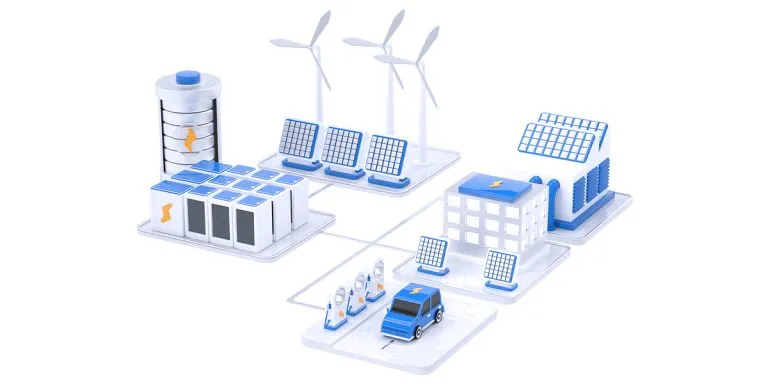
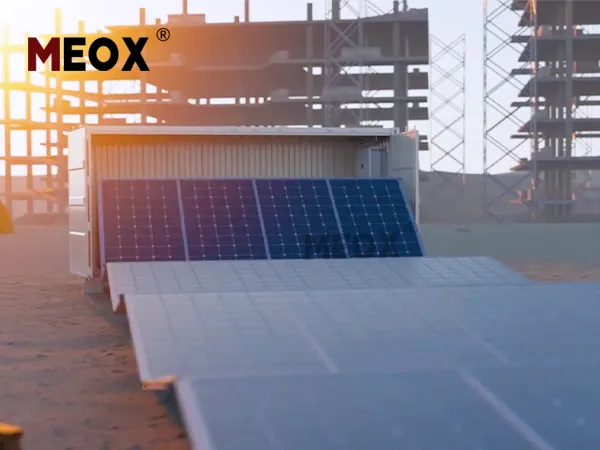
A mobile solar energy charging station harnesses sunlight to generate electricity. It powers devices like electric bikes without relying on fixed grid infrastructure. These systems combine solar panels, energy storage, and smart management in portable setups.
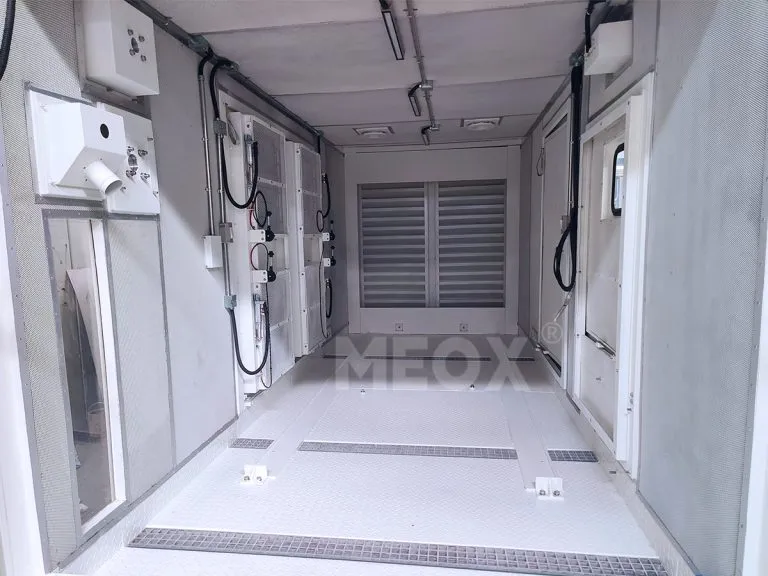
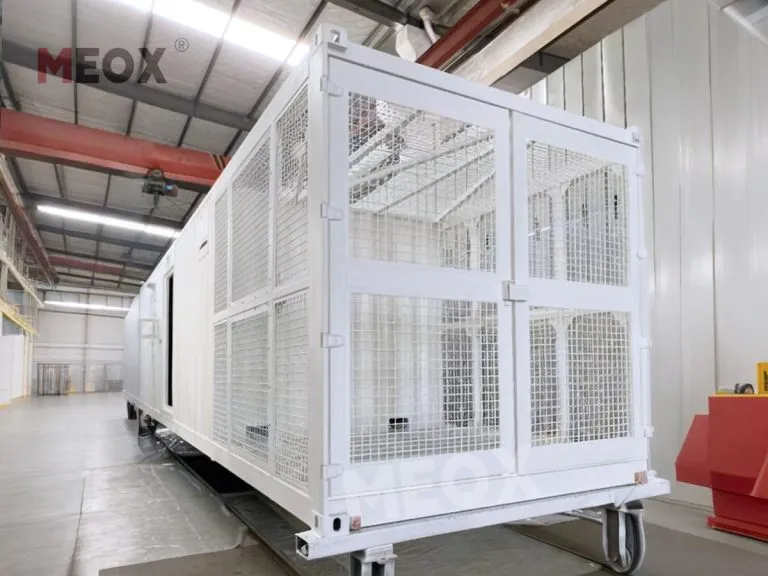
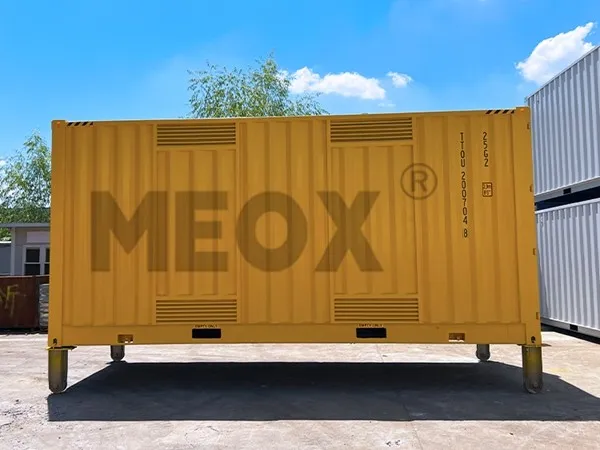
Solar bike charging station exemplifies this concept. All components—panels, batteries, inverters—integrate into the container structure. This design eliminates land use conflicts in urban areas.
Mobile solar energy systems prioritize flexibility. They deploy at parks, events, or disaster zones. Modular designs allow quick assembly. For example, a highway rest stop can install units in hours. These stations operate silently and emit zero carbon.
How Solar Panels Work: Charging and Discharging Processes
Step 1: Solar Energy Conversion
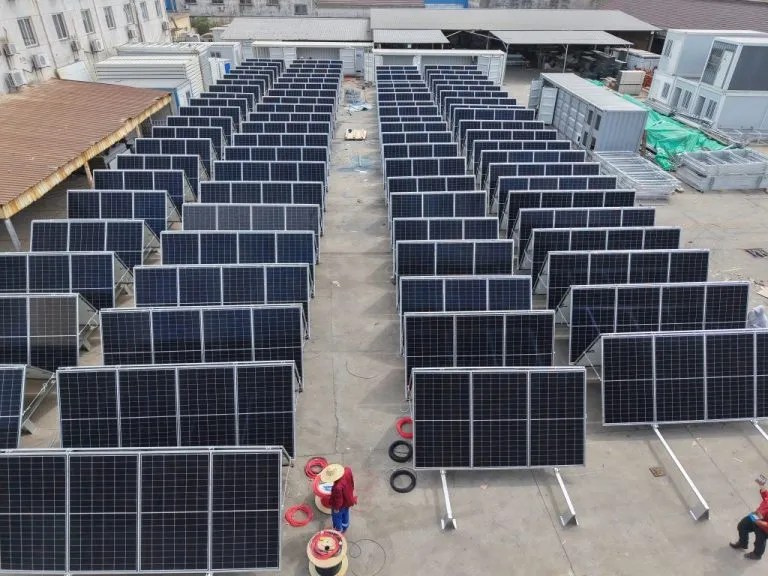
Mobile solar panels use semiconductor materials like silicon. Sunlight photons strike the panels, freeing electrons. This creates direct current (DC) electricity. A built-in electric field guides electrons into a usable flow.
Step 2: Power Optimization
Micro-inverters boost efficiency. They adjust each panel’s output individually. Shaded or dirty panels won’t drag down the entire system. This ensures stable energy production.
Step 3: Energy Storage and Distribution
Excess DC power charges onboard batteries. Lithium-ion units store energy for cloudy days or nights. A hybrid inverter converts DC to alternating current (AC) for charging ports.
Step 4: Smart Energy Management
The system prioritizes solar power. During sunshine, panels power EVs and e-bikes directly. Surplus energy fills the batteries. At nighttime, stored energy takes over. If batteries deplete, the inverter switches to grid power automatically.
Step 5: User Interaction
Charging ports include safety features. Scan-to-start, overload protection, and auto-shutoff prevent accidents. Users pay via apps, reducing hardware costs.
Benefits for Urban EV and E-bike Charging
(1)Eco-Friendly Power for Cleaner Cities
Mobile solar energy eliminates fossil fuel dependence. Traditional grid electricity relies on coal for 70% of power generation. Solar charging cuts indirect carbon emissions by 90%. Urban EV and e-bike stations using mobile solar panels prevent 1.2 tons of CO₂annually per unit.
Zero noise and heat radiation make these systems ideal for parks or residential areas. They align with global carbon neutrality goals. For example, by mid‑2025, Berlin’s network of mobile solar panel–equipped bus shelters, deployed citywide in late 2024, had driven down local NO₂ levels by 18%.
(2)Cost Efficiency and Long-Term Savings
Mobile solar energy reduces operational expenses. A 16㎡ charging station with mobile solar panels generates 300 kWh monthly—enough for 100 e-bikes. This saves $2,500 yearly on grid electricity.
Initial costs are higher than traditional stations. However, ROI arrives in 5–8 years. High-traffic areas recover investments faster. Maintenance costs drop 40% due to durable designs and fewer moving parts.
(3)Smart Charging and User Convenience
Mobile solar energy systems automate operations. Users scan QR codes to start charging. Apps notify them when batteries reach full capacity. Overload protection prevents accidents during use.
Nighttime grid integration optimizes costs. Batteries charge during off-peak hours at lower rates. Stored energy powers vehicles during daylight shortages. This “peak shaving” cuts electricity bills by 25%.
(4) Ending Range Anxiety
Mobile solar panels enable on-demand charging. Stations are deployed at highways, festivals, or remote villages. E-bike riders gain confidence with accessible solar hubs every 3–5 km in cities.
During disasters, mobile solar energy units provide emergency power. A single solar container system can charge 20 EVs simultaneously. This flexibility addresses gaps in fixed infrastructure.
(5) Space Optimization and Urban Planning
Mobile solar energy requires no land leases. Charging units attach to existing structures like parking canopies. Solar roofs protect bikes from the weather while generating power.
Cities like Shanghai use these systems to reduce illegal parking. Designated solar hubs increased orderly parking by 30% in pilot zones. Modular designs allow quick relocation to high-demand areas.
(6) Scalable Solutions for Growing Demand
Mobile solar energy adapts to urban expansion. A 5 kW mobile solar panel array powers 12 charging ports. Units stack vertically or horizontally as demand grows.
Wireless charging prototypes enhance scalability. Drivers park over solar-embedded pads for automatic power transfer. This eliminates cable clutter in tight spaces.
(7)Economic Opportunities for Operators
Mobile solar energy boosts revenue streams. Operators earn from charging fees and grid energy resale. Dynamic pricing during peak hours increases profits by 18%.
Portable solar container systems avoid underutilization. Solar container units move to concerts or markets when station usage drops. This raises single-unit profitability by 50% compared to fixed chargers.
Mobile solar energy transforms urban mobility sustainably. It merges environmental responsibility with economic pragmatism. Cities adopting this technology gain cleaner air, resilient infrastructure, and happier citizens.
Application Scenarios and Case Studies
(1)Highway Emergency Charging
Mobile solar energy rescues stranded electric vehicles (EVs). Units deploy along highways in 20 minutes. Foldable mobile solar panels provide instant power.
Key benefits:
Delivers 50 km range after 15 minutes of charging.
Operates in deserts or mountain roads without grid access.
Reduces tow truck dependency by 65%.
Case study:
California’s I-5 highway installed 25 mobile solar energy stations. EV breakdowns dropped 40% in 2023. Drivers now travel 30% longer distances confidently.
(2)Industrial Zone Backup Power
Mobile solar energy sustains factories during blackouts. Systems integrate 500kW AC output and solar storage.
Key features:
Powers CNC machines for 10+ hours on solar alone.
Cuts diesel generator use by 80% in auto plants.
Stores surplus energy for night shifts.
Case study:
A Shanghai factory used mobile solar panels during a 2022 grid failure. Production continued uninterrupted, saving $2.8 million in losses.
(3)Urban E-Bike Charging Hubs
Cities deploy mobile solar energy at metro stations. Solar canopies charge bikes while shielding them from rain.
Key benefits:
Charges 20 e-bikes simultaneously via modular ports.
Reduces grid electricity costs by 70% per station.
Cuts illegal parking by 35% in pilot areas.
Case study:
Seoul’s Gangnam District added 50 mobile solar panel hubs. E-bike usage surged 200% within 6 months.
(4)Event and Tourism Charging
Mobile solar energy powers festivals sustainably. Pop-up stations serve food trucks and EV rentals.
Key features:
Replaces noisy diesel generators at concerts.
Charges 30 EVs daily using tilt-adjustable panels.
Branded units attract eco-conscious sponsors.
Case study:
Bonnaroo Music Festival 2023 used mobile solar energy for 15% of its power. Carbon emissions fell by 12 tons.
(5)Remote Resort Electrification
Mountain lodges use mobile solar energy for guest EVs. Systems blend into natural landscapes.
Key benefits:
Avoids $500,000 grid extension costs per kilometer.
Stores energy in silent lithium batteries at night.
Charges luxury EVs without visual pollution.
Case study:
A Swiss alpine resort installed mobile solar panels. Guest EV charging revenue now covers 90% of its energy costs.
Mobile solar energy transforms EV and e-bike charging into a flexible, eco-friendly service. From highways to hotels, it solves infrastructure gaps while cutting carbon footprints.

Design Considerations
(1)Compact and Adaptive Design
The solar container integrates high-efficiency mobile solar panels into a weatherproof steel frame. Its modular design fits tight urban spaces like parking lanes or building rooftops. Panels auto-tilt to capture optimal sunlight, boosting energy yield by 25%.
(2)Robust Protection for Harsh Environments
Built for urban challenges, the unit withstands 130km/h winds. Anti-corrosion coatings resist salt, rain, and pollution. Tamper-proof locks and CCTV slots deter theft. Fire-retardant battery compartments meet UL safety standards.
(3) Smart Energy Management
A 50 kWh lithium battery stores solar power for night use. AI-driven software balances grid and solar inputs. During peak hours, it prioritizes stored energy to cut electricity costs by 40%.
(4) Rapid Deployment Scenarios
Highway Rescue: Deploys in 30 minutes to charge stranded EVs, delivering 80km range per hour.
Pop-Up Charging: Powers 12 e-bikes simultaneously at festivals or markets.
Industrial Backup: Replaces diesel generators during outages, reducing CO₂ by 1.2 tons daily.
(5) ROI-Driven Sustainability
One solar container offsets 18 tons of CO₂ annually. It pays for itself in 3–5 years via energy savings and charging fees. Cities like Barcelona use fleets to cut grid dependency by 30%.
Future Trends for EV and E-bike Urban Charging
(1)Next-Gen Energy Storage
Solar containers will adopt solid-state batteries by 2025. These batteries store 50% more energy than current lithium units. Retired EV batteries get second lives in solar containers, cutting waste and costs.
(2)AI-Driven Smart Management
IoT sensors in mobile solar panels predict maintenance needs. Solar containers self-diagnose panel cracks or battery faults. AI algorithms optimize charging schedules based on weather and grid prices, boosting efficiency by 20%.
(3) 5 G-Enhanced Charging Networks
5G enables real-time solar container monitoring. Cities track energy flow across districts instantly. Edge computing adjusts power distribution during traffic peaks, reducing congestion at charging hubs.
(4)Multi-Energy Integration
Solar containers will hybridize with wind turbines and hydrogen cells. A single unit can switch energy sources automatically. This ensures 24/7 operation during storms or low sunlight.
(5)Dynamic Charging Roads
Solar containers power embedded road charging coils. EVs recharge while driving, extending range by 150km daily. Pilot projects in Oslo show 40% fewer charging stops.