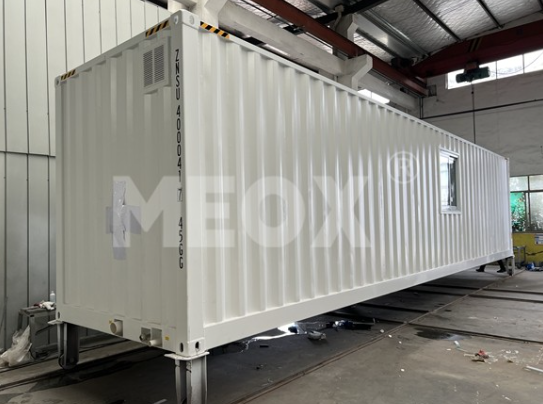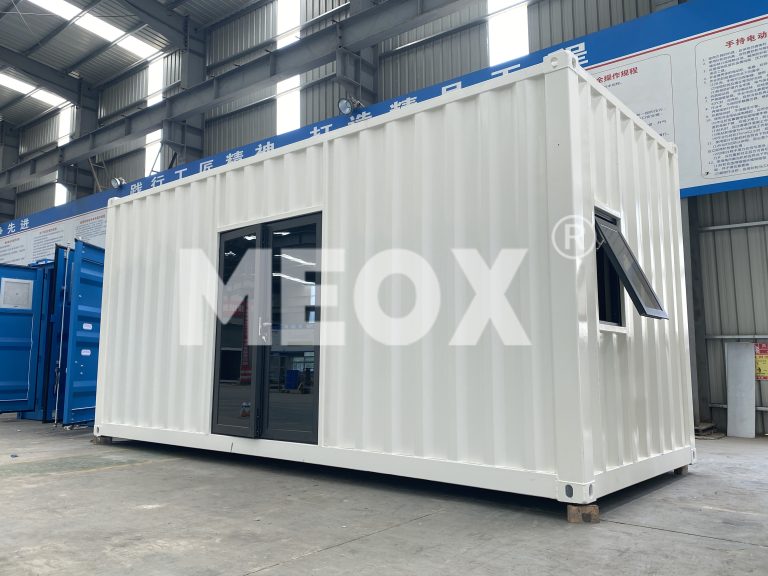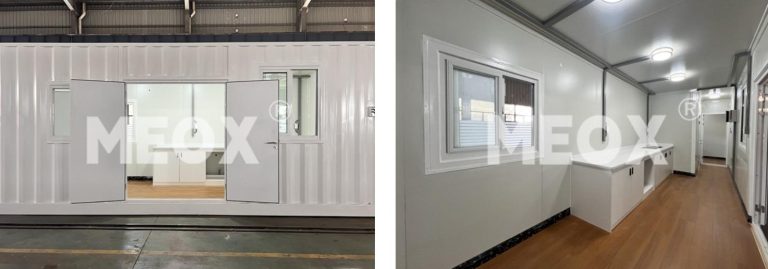
The modern mining industry faces immense challenges in powering remote operations where connection to the main grid is impractical or impossibly expensive. Reliable, continuous, and sustainable energy is not just an operational requirement but a critical safety and economic imperative. Containerised energy solutions have emerged as the definitive answer to these challenges, offering robust, scalable, and transportable power. This article explores the technical composition of a container energy storage system, examines the core technology behind container battery energy storage, and highlights the strategic advantages of containerised battery storage for ensuring operational resilience, reducing diesel dependency, and lowering emissions in isolated mining sites.
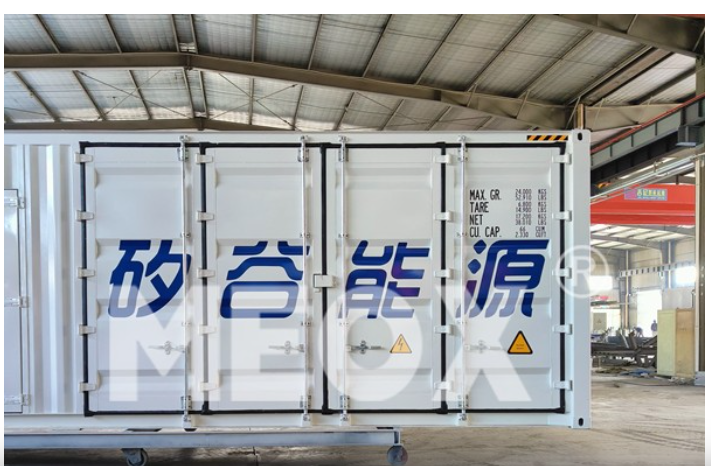
The container energy storage system provides an all-in-one power solution for remote sites
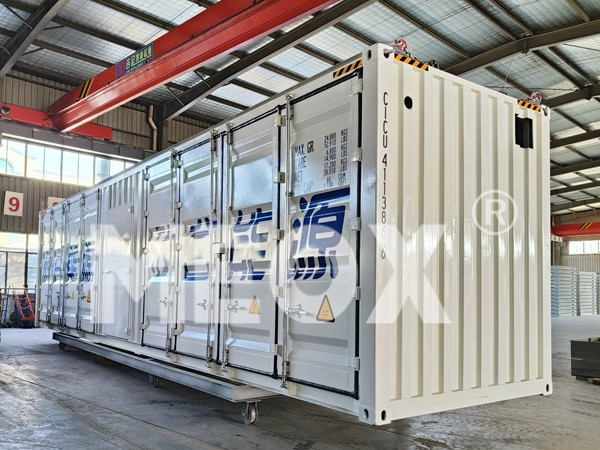
A container energy storage system is far more than just batteries in a box; it is a fully integrated, engineered solution designed for plug-and-play deployment in the world’s harshest environments. For off-grid mining operations, this reliability is paramount, as any power failure can lead to massive operational disruptions and safety hazards.
• Integrated System Design and Components: A standard container energy storage system is a marvel of integration, housing not only the lithium-ion battery racks but all ancillary equipment required for a functioning microgrid. This includes a sophisticated Battery Management System (BMS) to monitor the health and status of each cell, a Power Conversion System (PCS) that manages AC/DC conversion, climate control systems to maintain optimal temperature, and fire suppression systems. This all-in-one design eliminates complex on-site integration, drastically reducing installation time and potential points of failure.
• Robust Construction for Harsh Environments: Mining sites are characterized by extreme conditions, including dust, moisture, wide temperature fluctuations, and potential physical impacts. These systems are built from standard ISO shipping containers, fabricated from corrosion-resistant Corten steel. They are further modified with enhanced insulation, sealed doors, and air filtration systems to protect the sensitive electronics inside from particulate matter and humidity, ensuring reliable performance year-round.
The technology behind container battery energy storage ensures reliability and efficiency
At the heart of any containerised solution is the advanced technology that stores and dispatches energy. The effectiveness of container battery energy storage hinges on the chemistry of the batteries, the intelligence of the management systems, and its ability to interface with various power sources.
• Advanced Lithium-Ion Battery Technology: Modern container battery energy storage primarily utilizes lithium-ion phosphate (LiFePO4) chemistry, which is chosen for its superior thermal stability, long cycle life, and excellent performance in a wide range of temperatures. This chemistry is inherently safer than other alternatives, a critical consideration for remote operations. These battery systems offer high round-trip efficiency, meaning minimal energy is lost during the charge and discharge cycles, maximizing the usefulness of every kilowatt-hour generated, whether from solar, wind, or generators.
• Intelligent Energy Management and Control: The true intelligence of a container energy storage system lies in its software and control systems. The integrated energy management system (EMS) orchestrates the entire power flow. It can be programmed to prioritize renewable energy sources, automatically start backup generators only when necessary, and provide critical load shedding during high demand or low supply. This smart control optimizes fuel consumption, reduces generator runtime, and ensures a stable power supply for vital infrastructure.
Implementing containerised battery storage offers profound operational and financial benefits
Deploying a containerised battery storage solution is a strategic decision that transforms the energy economics of an off-grid mine. The benefits extend beyond simple power provision to deliver tangible cost savings, enhanced sustainability credentials, and improved operational management.
• Significant Reduction in Diesel Fuel Consumption and Costs: The most immediate financial benefit is the drastic reduction in diesel fuel. By enabling a high penetration of renewables and allowing generators to operate at their most efficient optimal load rather than cycling, a container battery energy storage system can cut diesel consumption by 50% or more. This translates directly into lower fuel costs, reduced logistics for fuel transportation, and lower exposure to volatile fuel prices.
Container Energy Storage System FAQs
Q: What main components make up a Container Energy Storage System?
A: A Container Energy Storage System includes core parts: battery modules (lithium-ion is common), BMS (Battery Management System) for safety/performance, PCS (Power Conversion System) to convert AC/DC, cooling/heating units (to control temperature), and a monitoring system for real-time data tracking.
Q: How does Container Battery Energy Storage help with renewable energy (solar/wind) integration?—-H3
A: Container Battery Energy Storage stores excess energy from solar/wind when production is high, then releases it when output drops (e.g., night for solar). This stabilizes grid supply, reduces waste, and ensures consistent power for users.
Q: What factors affect the lifespan of Containerised Battery Storage?
A: Key factors are temperature control (extremes shorten life), charge/discharge cycles (fewer deep cycles help), and maintenance (regular BMS checks). Well-managed units typically last 10–15 years.
Q: Can a Container Energy Storage System be used for off-grid applications?
A: Yes—Container Energy Storage System is ideal for off-grid use (mines, remote villages). It pairs with solar/wind to store power, providing reliable electricity where grid access is unavailable.
Q: Are Container Battery Energy Storage units safe for urban areas?
A: Yes—they have safety features: fire suppression systems, thermal insulation, and short-circuit protection. Compliance with standards (e.g., IEC, UL) ensures they’re safe for urban settings like commercial buildings or data centers.