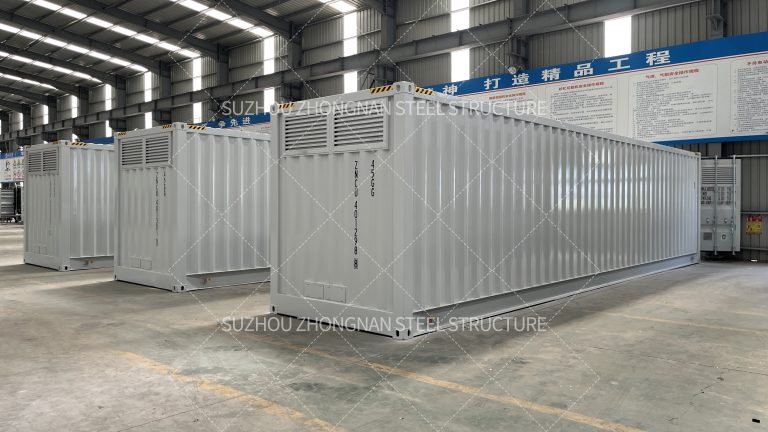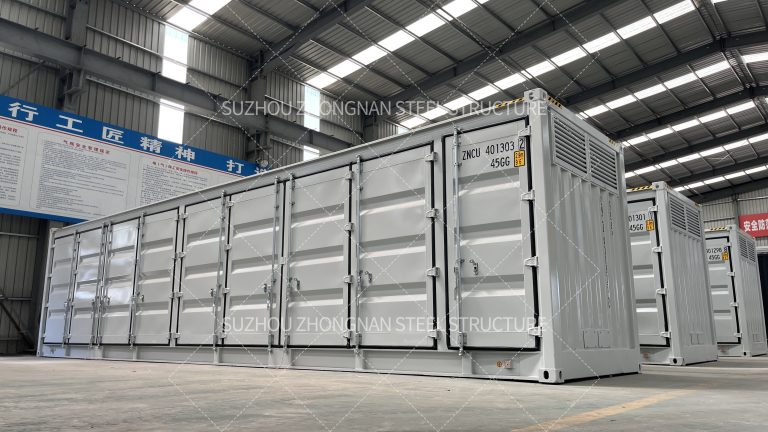
Transporting and storing hazardous materials requires strict safety standards. A dangerous goods container is designed specifically to meet international regulations for handling substances that pose risks to health, safety, property, or the environment. Whether you need chemical storage, flammable goods transport, or safe waste handling, using a certified container is not optional but mandatory.
This guide covers what dangerous goods containers are, their standard requirements, key features, and what to know when looking for a dangerous goods container for sale.
What Is a Dangerous Goods Container
A dangerous goods container is a specially constructed and certified shipping container intended to carry hazardous materials in a secure and compliant manner. Unlike regular shipping containers, these units are engineered with additional safety features to prevent leaks, spills, fire, and environmental contamination.
Typical hazardous materials include:
Flammable liquids and solids
Corrosive substances
Toxic chemicals
Gases under pressure
Radioactive materials
Oxidizers and organic peroxides
Dangerous goods containers are often color-coded, labeled with hazard class placards, and built to conform to international standards such as the International Maritime Dangerous Goods Code (IMDG), International Convention for Safe Containers (CSC), and other regional regulations.
Dangerous Goods Container Requirements
Proper handling of dangerous goods starts with the container itself meeting strict construction and certification standards. Common requirements include:
Structural Integrity
Containers must be built to ISO standards with additional reinforcement to withstand external impacts, internal pressure buildup, and chemical exposure.
Secondary Containment
For liquid storage, units must feature integrated bunded floors or spill trays capable of containing a full container’s worth of liquid leakage.
Ventilation
Proper passive or mechanical ventilation is required to prevent the accumulation of flammable or toxic vapors inside the container.
Corrosion Resistance
Surfaces and internal coatings must be resistant to the chemical properties of stored or transported goods.
Secure Locking Mechanisms
Heavy-duty doors and locks prevent unauthorized access and minimize accidental openings during transit.
Hazardous Goods Signage
Proper labeling according to UN and IMDG requirements must be displayed on all sides of the container.
Fire Protection
Some containers may require fire-resistant insulation, built-in fire suppression systems, or thermal barriers depending on the class of dangerous goods.
Certification
All dangerous goods containers must have a valid CSC plate and be certified under the relevant dangerous goods regulations for their intended mode of transport, whether by sea, road, or rail.
Inspection and Maintenance
Regular inspection intervals are required to maintain certification validity and operational safety.
Features of a Standard Dangerous Goods Container
Typical dangerous goods containers include the following design features:
Bunded flooring with a containment capacity of at least one hundred percent of the largest stored item
Louvered ventilation or forced-air systems
Heavy-duty lockable double doors with chemical-resistant seals
Internal shelving or racking systems rated for hazardous substances
Non-sparking materials used in construction where required
Anti-slip flooring and drainage systems
Forklift pockets and corner castings for safe handling
Clearly visible hazard warning signs and emergency contact information
Some models are also designed with temperature control for chemicals sensitive to heat or cold.
Types of Dangerous Goods Containers
Depending on the specific hazardous material class and application, several types of dangerous goods containers are available:
Chemical Storage Containers
Used for storing drums, IBCs, or containers of industrial chemicals, acids, and solvents.
Flammable Goods Containers
Designed for storing and transporting fuels, oils, paints, and other flammable substances.
Gas Cylinder Storage Containers
Built with specialized racks and ventilation to safely secure and store gas cylinders.
Waste Storage Containers
Used for temporarily holding hazardous waste materials pending treatment or disposal.
Laboratory Storage Containers
Small-scale dangerous goods containers used for mobile or temporary laboratory setups offshore or in remote locations.
Each type must be carefully matched to the specific hazard classes involved.
Applications for Dangerous Goods Containers
Offshore oil and gas operations
Mining sites handling explosive chemicals
Chemical and pharmaceutical manufacturing
Laboratories and research centers
Agriculture and pesticide storage
Transport companies moving hazardous cargo
Waste management and environmental cleanup operations
Using certified dangerous goods containers is often a legal requirement for these activities and critical to operational safety.
What to Look for When Buying a Dangerous Goods Container
Compliance Certification
Always verify that the container complies with IMDG, ADR, CSC, OSHA, or other relevant standards depending on your location and intended use.
Condition
New containers offer the latest design standards and longer service life. Used containers must be inspected for corrosion, structural integrity, and valid certification.
Spill Containment Capacity
Ensure the bunded floor or spill system meets or exceeds the volume of the stored materials.
Customization Options
Some suppliers offer custom designs including temperature control, fire suppression, or internal partitioning based on your specific hazardous materials.
Supplier Reputation
Work with established manufacturers or dealers experienced in supplying dangerous goods containers with a proven safety record.
Cost Considerations
Price varies depending on size, level of modification, and certification. Generally, dangerous goods containers cost more than standard shipping containers due to the added safety features and regulatory compliance.
A dangerous goods container is essential for the safe storage and transport of hazardous materials. Whether you operate in chemical processing, oil and gas, logistics, or waste management, ensuring compliance with strict dangerous goods container requirements is non-negotiable for safety, regulatory compliance, and environmental protection.
When looking for a dangerous goods container for sale, focus on verified certification, spill containment capability, ventilation systems, and supplier expertise. Proper investment in the right container protects not only assets but also people and the environment.
Dangerous Goods Container FAQs
1. What size options are available for dangerous goods containers?
Standard sizes are twenty-foot and forty-foot units, but custom sizes are available based on specific operational needs.
2. Do dangerous goods containers require regular inspection?
Yes. Containers must undergo regular inspections to maintain certification and ensure structural and safety integrity.
3. Can dangerous goods containers be transported internationally?
Yes. If properly certified under IMDG and CSC standards, they can be shipped by sea, road, or rail across international borders.
4. Are dangerous goods containers fireproof?
They are fire-resistant but not necessarily fireproof unless specially modified with fireproof materials or insulation for specific applications.
5. Can I customize a dangerous goods container for specific chemicals?
Yes. Many suppliers offer custom modifications including chemical-resistant coatings, temperature control, and enhanced spill containment to match specific hazardous material storage needs.