In today’s world, access to clean water is a growing concern. As the demand for efficient water treatment systems rises, containerized wastewater treatment solutions have emerged as a practical, scalable, and cost-effective alternative. These systems offer a compact, mobile, and flexible way to address water treatment needs in both urban and remote areas. Whether you’re looking for a solution for wastewater management, improving water quality, or expanding your water infrastructure, containerized water treatment systems provide a sustainable and efficient option. Let’s dive deeper into this innovative technology and explore how it can benefit your operations.

Containerized Wastewater Treatment: A Modern Approach
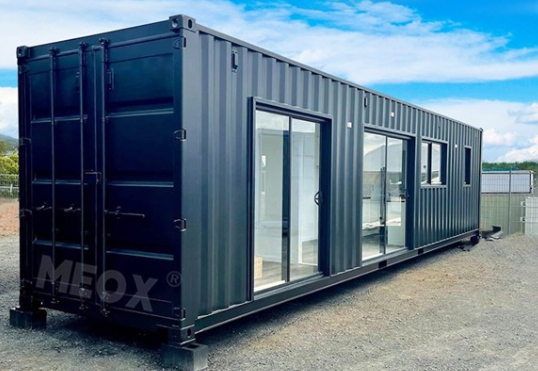
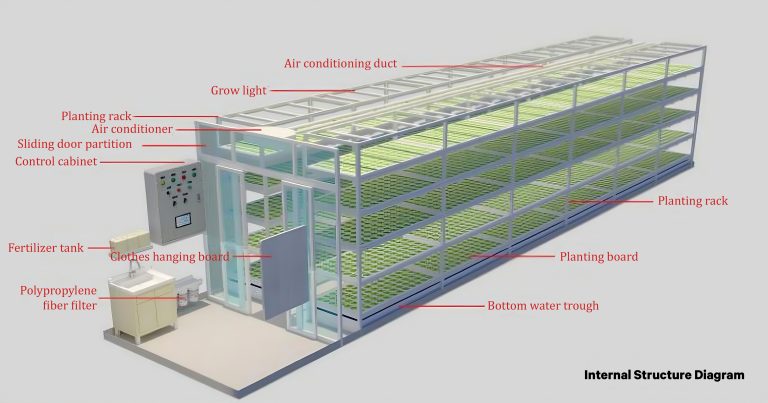
Containerized wastewater treatment has revolutionized how we manage and treat water waste. This system involves integrating advanced water treatment technologies into a compact, modular container. These containers house various treatment components like filtration, chemical treatment, biological treatment, and disinfection. They can be easily deployed to any location, providing a flexible solution for wastewater treatment needs, especially in areas lacking traditional infrastructure.
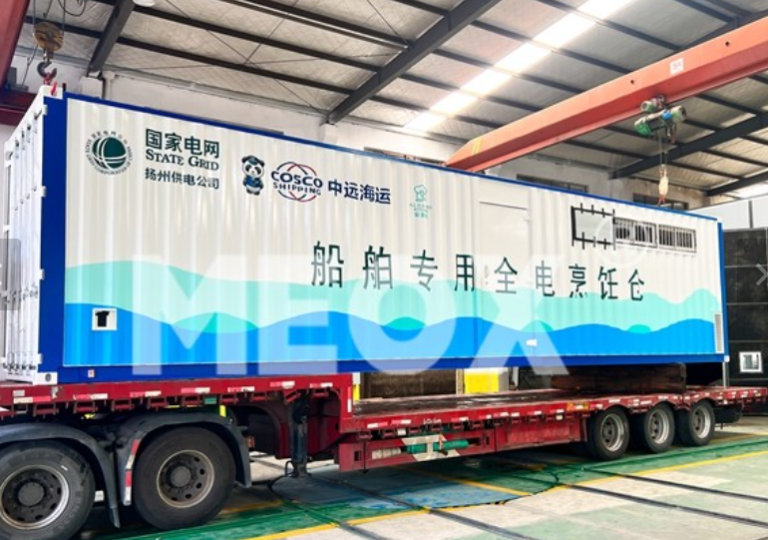
A significant advantage of containerized wastewater treatment is its mobility. The system can be transported to different locations, making it ideal for temporary setups, such as in construction sites, remote communities, or emergency relief efforts. It offers a quick, turnkey solution that reduces the time and costs associated with traditional water treatment plants. Moreover, the containerized format ensures that the system can be easily maintained and scaled to meet the specific needs of any project.
Containerized Water Treatment Plant Cost: Affordable and Efficient
The containerized water treatment plant cost is one of the main reasons why this solution is gaining traction in both developed and developing regions. Traditional water treatment plants are often expensive to build and maintain, requiring significant investment in land, infrastructure, and labor. In contrast, containerized water treatment systems are much more affordable, thanks to their modular design and scalability.
When you choose a containerized water treatment plant, you’re essentially investing in a cost-effective solution that requires minimal upfront investment. The cost of a containerized water treatment plant is typically much lower than that of a conventional treatment plant. This makes it an attractive option for smaller communities, businesses, or industries that need to meet water treatment requirements without the burden of large capital expenditures.
Additionally, containerized systems are energy-efficient, reducing operational costs and improving overall sustainability. The ability to scale the system to suit specific needs means you’re only paying for the capacity you require, making this a highly efficient and affordable solution.
Containerised Water Treatment Systems: Versatility and Flexibility
Containerised water treatment systems offer exceptional versatility, making them suitable for a wide range of applications. Whether you need to treat industrial wastewater, municipal sewage, or agricultural runoff, these systems can be customized to meet specific treatment needs. The modular design of containerised water treatment systems allows for easy integration of various treatment technologies such as reverse osmosis, UV disinfection, or activated carbon filtration.
One of the key benefits of containerised water treatment systems is their flexibility. They can be deployed in a variety of environments, from urban areas to remote villages, and can be tailored to address specific water quality issues. Whether you’re dealing with high levels of contaminants, bacteria, or other pollutants, containerized systems can provide a reliable and efficient solution to ensure safe, clean water.
Moreover, these systems are designed to be easily upgraded or expanded as your water treatment needs evolve. With advancements in technology, containerised water treatment systems can incorporate the latest water treatment innovations to provide even better performance over time.
The Advantages of Containerized Water Treatment Solutions
There are numerous advantages to adopting containerized wastewater treatment and containerized water treatment systems. First and foremost, they offer a compact and modular design that simplifies installation and operation. These systems can be quickly deployed and are particularly beneficial in areas where water infrastructure is lacking or outdated.
In addition to their mobility, containerized water treatment systems provide excellent performance. They are engineered to treat large volumes of wastewater or contaminated water effectively, removing harmful pollutants, bacteria, and pathogens. By ensuring that water meets the required standards, these systems contribute to public health and environmental protection.
Containerized systems also offer long-term sustainability. They require minimal maintenance and can be easily upgraded or expanded to accommodate growing water treatment needs. Moreover, with the increasing focus on environmental sustainability, these systems are designed to minimize water wastage and energy consumption, making them a responsible choice for the environment.
Containerized Water Treatment Systems FAQs
What is a containerized wastewater treatment system?
A containerized wastewater treatment system is a compact, modular solution for treating wastewater. It integrates various treatment technologies into a container, allowing for flexible deployment and easy maintenance.
How much does a containerized water treatment plant cost?
The containerized water treatment plant cost is generally lower than traditional water treatment plants due to its modular design, ease of installation, and scalability. The cost can vary depending on the size and complexity of the system.
What types of contaminants can containerized water treatment systems remove?
Containerized water treatment systems are designed to remove a wide range of contaminants, including bacteria, viruses, heavy metals, and organic compounds. They can be customized to address specific water quality challenges.
Are containerized water treatment systems scalable?
Yes, containerized water treatment systems are highly scalable. You can easily add more containers or upgrade existing systems to meet growing water treatment demands.
What are the benefits of using containerized water treatment systems?
The benefits include lower installation and operational costs, mobility, easy scalability, flexibility in treatment technologies, and improved water quality. These systems are ideal for remote areas, temporary projects, or communities with limited infrastructure.
As water treatment challenges continue to rise globally, containerized wastewater treatment and containerized water treatment systems provide an efficient, cost-effective, and sustainable solution. Whether for small communities, industrial sites, or emergency relief efforts, these systems ensure access to clean, safe water while reducing costs and operational complexity. With their versatility, flexibility, and scalability, containerized systems are shaping the future of water treatment worldwide.