You can see future solar tech changing city energy use every day. Smart solar hubs help you use less outside energy and support sustainability. Solar technology like MEOX Mobile Solar Container and Solar container help make more renewable energy. These solar energy solutions make cities stronger, help new ideas grow, and change how cities use energy for solar-powered community features in the renewable energy sector.
Key Takeaways
Smart solar hubs help cities make their own energy. This gives cities more energy safety. Cities do not need as much energy from other places. Solar technology gives backup power when there are emergencies. It also helps important places like hospitals and shelters. Using AI and IoT with solar systems helps manage energy better. This makes cities cleaner, safer, and work better.
Future Solar Tech: Solar Hubs & Urban Resilience

Energy Security in Smart Cities
Smart cities need strong energy systems to work well. Solar hubs help cities make their own energy. This means cities do not need as much outside energy. When cities use local solar energy, they become safer. They can take care of themselves better.
Solar hubs make a lot of energy for smart cities.
Local solar power means cities do not need faraway power plants.
Rooftop panels and other solar systems keep lights on if the main grid stops.
Making your own energy helps you avoid big price changes.
Solar power helps smart cities stay safe from blackouts and high prices. People get steady energy, and cities are less likely to have problems. Using solar energy helps your community stay strong and ready for trouble.
Tip: Support local solar projects to help your city. You make energy more steady and less costly for everyone.
Emergency Power Solutions
When disasters happen, you need energy that works. Solar hubs help smart cities keep important things running. Solar power and batteries work together to give backup power in emergencies.
The REACH Hub in Central Florida helps people during storms. This mobile hub goes where people need help most. It gives safe shelter and keeps services working. Hospitals and shelters use solar microgrids with batteries. These systems keep medical tools working and keep people safe.
Local governments use solar energy in their emergency plans. They make sure hospitals and shelters have power if the main grid fails. Solar hubs give energy without needing outside fuel or electricity.
Here are some emergency power solutions in smart cities:
Emergency Power Solution | Description |
|---|---|
Solar-Plus-Battery Microgrids | Uses solar panels and batteries to give energy to important places. |
Stationary Solar+Storage Systems | Put in certain buildings to give power when the lights go out. |
Mobile Solar+Storage Units | Can be moved to different places to help during disasters. |
Solar hubs help smart cities stay strong. They keep schools, hospitals, and shelters open when needed. You can count on solar energy to help your community and recover after emergencies.
Future Solar Tech Integration
IoT and Smart Grids
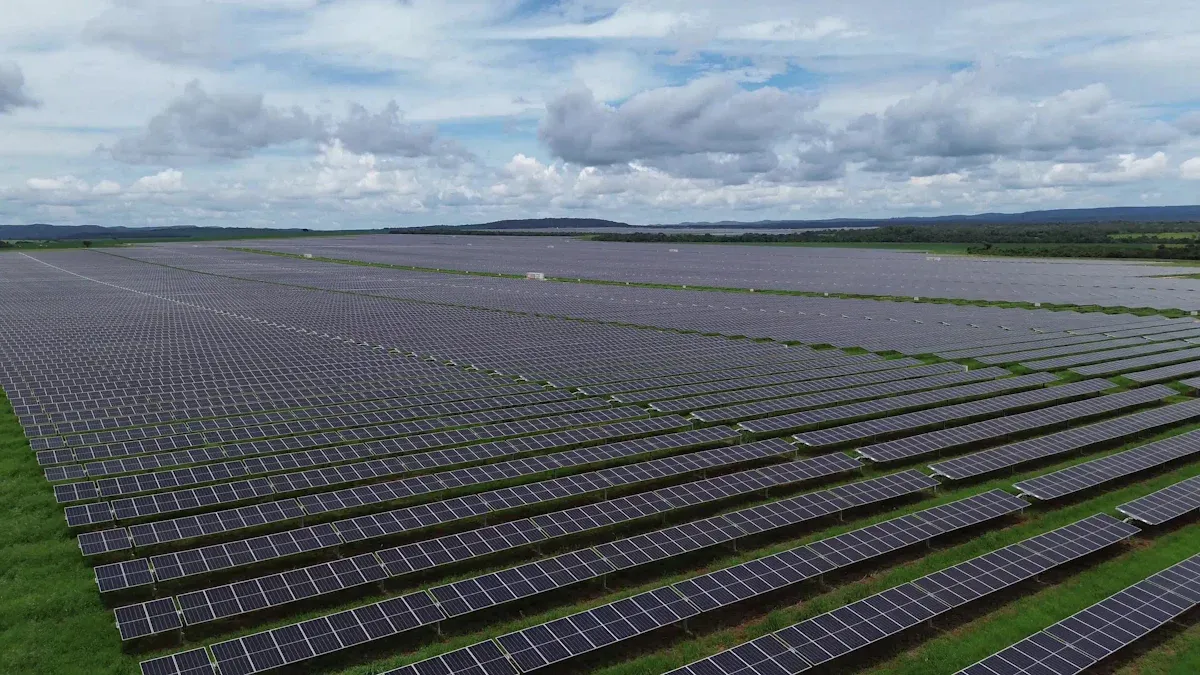
Smart cities are changing quickly with solar integration. IoT devices link solar technology to smart grids. This makes energy use smarter and safer. Solar-powered sensors can control street lights. They also watch how energy moves in the city. These sensors help save power and keep streets bright at night. Solar integration with Industrial IoT gives power to faraway places. It works even when there is not much sunlight. Better batteries help store energy for later use.
Smart grid integration helps manage solar energy from many places. You get updates right away about city energy use and production. Smart grid technology can guess when you need more power. It also helps share solar energy with others. Solar integration supports low-power devices using edge computing. This makes your city work better.
Solar-powered sensors and controllers make the grid stronger.
IoT-enabled solar integration lets you track and control energy use.
Smart grid integration makes solar energy sharing easy and steady.
AI and Data Analytics
AI changes how solar integration works in smart cities. You get better energy use because AI can guess when you need more power. AI monitoring finds problems early, so you can fix them fast. You use thermal imaging to find hot spots in solar panels. This keeps your solar technology safe.
AI tools help manage battery storage and solar energy integration. You see real-time data about weather and energy use. This helps you get the most from solar integration. Digital twins let you make virtual models of solar sites. You can plan repairs and make things work better.
AI Feature | Benefit for Solar Integration |
|---|---|
Predictive Maintenance | Less downtime, lower repair costs |
Solar Forecasting | Better energy management |
Asset Management | Longer system life, higher efficiency |
You use AI and data analytics to make solar integration smarter. Your city becomes stronger, cleaner, and more reliable with solar energy integration.
Future Solar Tech: Benefits of Solar Technology
Economic Impact
You get real money benefits from solar technology in smart cities. Solar power helps you pay less for energy. It also creates new jobs for people. Many people work in the solar energy sector. They do jobs like installation and manufacturing. In 2020, more than 242,000 people worked in the U.S. solar industry. This growth helps local economies and supports families.
Solar technology gives good returns on investment. You can see the average returns in this table:
Investment Type | Average ROI (%) |
|---|---|
Urban Solar Technology | 8% – 16% |
Solar Farms | 13.52% |
Stocks | 7% – 10% |
Bonds | 3% – 5% |
Real Estate | 6% – 10% |
Solar hubs help homes and businesses save money on energy. This means you can spend more on other things. It helps the local economy grow. The solar industry also brings in more money for the government through taxes and fees.
Environmental Gains
Solar power helps fight climate change and makes cities greener. When you use renewable energy, you make less pollution. Solar energy makes the air cleaner and your city healthier. Solar panels give shade and help cool down the city. This keeps the city cooler during hot days.
Solar power stops a lot of CO2 and other pollution.
Cleaner air means people get sick less often.
Solar installations help cities stay green and reach climate goals.
You help make your city greener every time you use solar energy.
Future Solar Tech Social Value
Solar technology makes life better in many ways. Cities like Detroit use solar hubs to turn empty land into clean energy places. These projects make neighborhoods look nicer and help the planet. Resilience hubs with solar energy give safe places during emergencies. They keep medical tools working and food safe.
Solar hubs help everyone get renewable energy.
Community solar projects let low-income families use clean energy.
Local jobs in solar projects help people and support diversity.
You help make cities better and life nicer for everyone when you support solar power.
MEOX Future Solar Tech Solutions for Smart Cities
Mobile Solar Container Applications
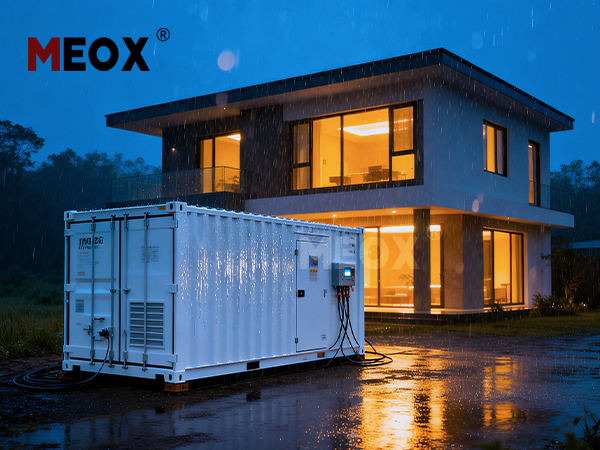
Smart cities are changing quickly. People need energy that works everywhere. The MEOX Mobile Solar Container gives flexible power for many needs. You can move these containers easily. You set them up fast, even in emergencies. They give steady solar power to rescue teams and medical centers. You also use them for outdoor events.
Here are the main features of the MEOX Mobile Solar Container:
Feature | Description |
|---|---|
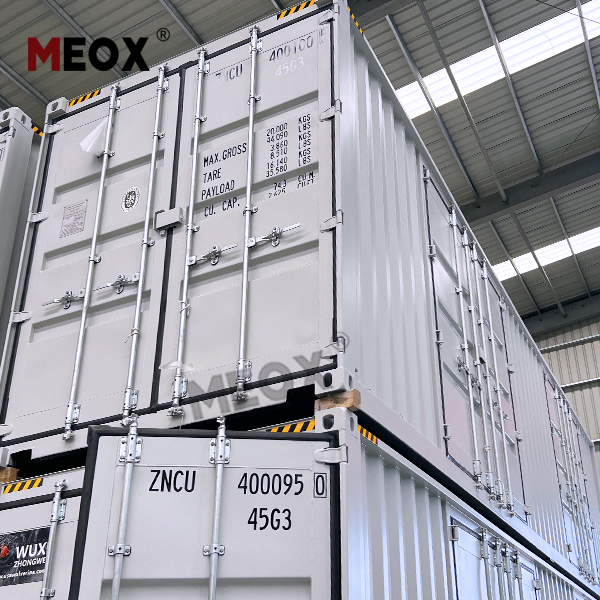
Flexible Deployment | You move the container to different places. It follows shipping rules used around the world. |
Integrated Energy Storage | Built-in batteries let you use power off-grid. You can add more batteries if you need more energy. |
Hybrid Options | You switch between grid and off-grid modes. This helps when power needs change. |
Certified Safety | The container meets strong safety rules. You can trust it to be safe. |
Advanced Customization Capabilities | You pick parts and looks to match your energy needs. |
You can set up this solar unit quickly. Four people can do it in one hour. You use it for emergencies, events, or faraway places. It gives power to rescue teams and medical centers. You move the container to new places when needed.
Feature | Description |
|---|---|
Rapid Setup | Four people can set up the container in one hour. |
Application Scenarios | You use it for emergencies, events, and remote sites. |
Power Provision | It gives emergency power to important places. |
Flexibility | You move and use the container wherever you need. |
You see these containers used in real life. Mobile units help rescue teams during floods and earthquakes. You use them as signal relays when other systems break. Shelters get off-grid lights and heat. Water pumps run to keep water clean after floods. You help schools save money and lower disaster costs. A 20kW solar container cuts carbon emissions by 35 tons each year. Communities get power back faster after storms.
Use Case | Description |
|---|---|
Disaster Response | Rescue teams use containers when roads and wires are broken. |
Shelter Support | People get safe lights and heat in shelters. |
Water Pumping | Pumps keep water clean after floods. |
Carbon Reduction | You cut CO₂ pollution by 35 tons each year. |
Economic Empowerment | Schools and cities save money on power. |
Community Resilience | Communities get power back 40% faster after disasters. |
Multi-Sector Partnerships | Governments use mobile solar units in emergency plans. |
Tip: Using mobile solar containers makes your city safer and stronger during emergencies.
Future Solar Tech: Solar Container for Construction
Smart cities need strong and clean energy. The MEOX Solar Container for Construction gives steady solar power to building sites. You save money and help the planet. Solar energy powers tools, lights, and machines. You do not need diesel generators. You spend less and make less pollution.
Here are the main benefits of solar containers for construction:
Advantage | Description |
|---|---|
Cost Savings | You pay less for fuel and repairs. |
Environmental Benefits | Solar power keeps the air clean and lowers carbon emissions. |
Reliability | Solar power works well and needs little fixing on building sites. |
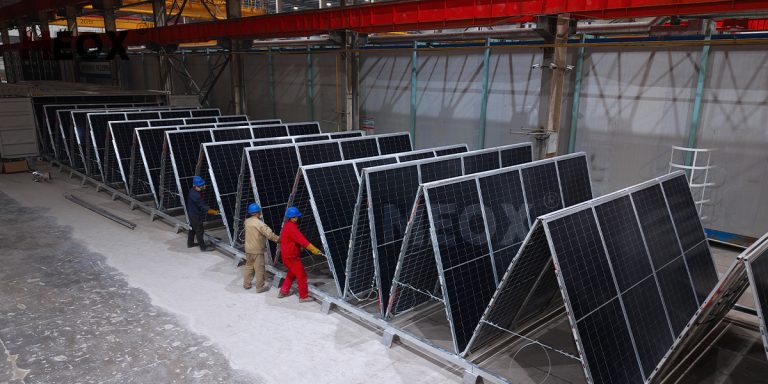
You set up the solar container fast. You do not need special building work. You finish setup in less than a day. Foldable solar panels open or close in one hour. Smart systems help you watch energy use. You can make the system bigger or smaller for your project. Your site gets steady energy all the time.
Solar technology makes building safer and cleaner. You help your city reach climate goals. You support clean energy and save money on every project.
Note: Choosing solar containers helps your building site and your city grow with clean energy.
Solar Infrastructure Challenges
Technical Barriers
There are many technical barriers in smart cities. Solar power loses energy when sent from far away. You need good batteries because solar does not always match when people use it. Old grid systems make adding new solar technology hard. The table below shows the main technical barriers:
Barrier Type | Description |
|---|---|
Efficiency Loss | Loss during electricity transmission from remote solar farms to urban centers increases costs. |
Energy Storage | Need for reliable storage solutions due to mismatch in production and consumption times. |
Grid Integration | Limited grid capacity and outdated wiring restrict solar energy integration into existing systems. |
You can fix some problems with rooftop solar panels. These panels use space you already have. Building-integrated photovoltaics add solar to walls and roofs. Hybrid systems mix solar power with thermal collectors for more energy.
Regulatory & Economic Issues
You face rules and money problems with future solar tech infrastructure. Permitting takes a long time and slows projects. Zoning laws limit where you can put solar technology. Utility rules make connecting solar energy to the grid hard. Sometimes, people do not want solar projects in their area. The table below lists common regulatory challenges:
Regulatory Challenge | Description |
|---|---|
Complex Permitting Processes | Navigating through various local, state, and federal regulations can be intricate and time-consuming. |
Zoning Restrictions | Local zoning laws may limit where solar installations can be placed, affecting project feasibility. |
Utility Interconnection Challenges | Integrating solar systems into the existing grid requires compliance with utility-specific policies. |
Community Opposition | Local communities may resist solar projects due to aesthetic concerns or other local interests. |
Solar infrastructure costs a lot at first. You may worry about getting your money back because prices change. Sometimes, there are not many financial incentives for community solar programs.
Community Engagement
Strong community engagement helps solar infrastructure succeed. People care about how solar technology looks in their neighborhood. Community solar programs work best when you listen to local needs. You can use these strategies:
Talk to people early and often.
Share how solar power helps everyone.
Make sure community solar programs reflect local values.
Good engagement makes permitting faster and lowers legal costs. It also gets more support for solar energy projects. The table below shows how community engagement helps:
Benefit | Impact on Project Success |
|---|---|
Reduced permitting times | Speeds up project initiation |
Lower legal costs | Decreases overall project expenses |
Increased community support | Enhances project acceptance |
When you focus on community solar programs, you help make energy solutions that last. You make solar infrastructure stronger and more accepted in your city.
Case Studies & Best Practices
Urban Solar Power Projects
Cities everywhere use future solar tech to fix real problems. Many urban solar power projects use smart ideas and local help. These projects help cities save water and cut pollution. They also make energy more steady and safe.
Project Name | Location | Key Achievement |
|---|---|---|
Canal Solar Power Project | Gujarat, India | Uses canal space for solar panels, saves water, and conserves resources. |
Cochin International Airport | India | First airport powered fully by solar power, now produces extra energy. |
Gila River Indian Community’s Solar-Over-Canal | Arizona, USA | Generates 1 MW of power while saving water. |
Singapore’s Floating Solar Farms | Singapore | Large floating solar farm powers 16,000 homes and cuts carbon emissions. |
These projects prove solar energy works in many places. You can put solar panels on water or over canals. When you support these projects, your city becomes more sustainable.
Lessons from MEOX Deployments
Using MEOX solutions teaches you important lessons. Every city needs a plan that fits its own needs. Local knowledge helps you use solar technology better. You must think about problems like old buildings or crowded spaces.
Key Lessons Learned | Description |
|---|---|
Tailored Strategies | You need to match your plan to your city’s special needs and past experience. |
Importance of Local Knowledge | You build on what local people know and have done before. |
Addressing Infrastructure Challenges | You must plan for weak or old city systems. |
MEOX projects help cities connect energy plans with city plans. You can support walking, biking, and electric vehicles. You help buildings use less energy and add more solar power. You teach people about living in a sustainable way. Cities like Bologna and Modena use these ideas to make zero-energy neighborhoods and strong energy communities.
Tip: Using solar energy and smart planning makes your city cleaner, safer, and stronger.
You can see smart cities get stronger with solar energy. Solar technology lets you use energy from your own city. This makes your city last longer and stay healthy. The air gets cleaner and there is less carbon in the air. AI-driven systems help you use energy in a smarter way. They also keep the grid working well.
You do not need as much power from outside sources. This makes your city’s energy safer.
You lose less energy when moving it, and buildings can make their own power.
You use good forecasts to stop using too much energy at busy times.
Experts say you should look at project costs, work with local power companies, and try small projects in schools first. MEOX solutions help you make cities that last and have steady solar energy.
Future Solar Tech FAQ
What is a mobile solar container?
You use a mobile solar container to get power from the sun. It stores energy and works in places where you need electricity fast.
Can solar containers help during emergencies?
You rely on solar containers for backup energy. They keep lights on and help hospitals and shelters stay open when the main grid fails.
How long does it take to set up a solar container?
You set up most solar containers in less than one day. The foldable panels make installation quick and easy.
Also Read: Retail Solar Container: Smart Energy Solutions for Commercial Spaces