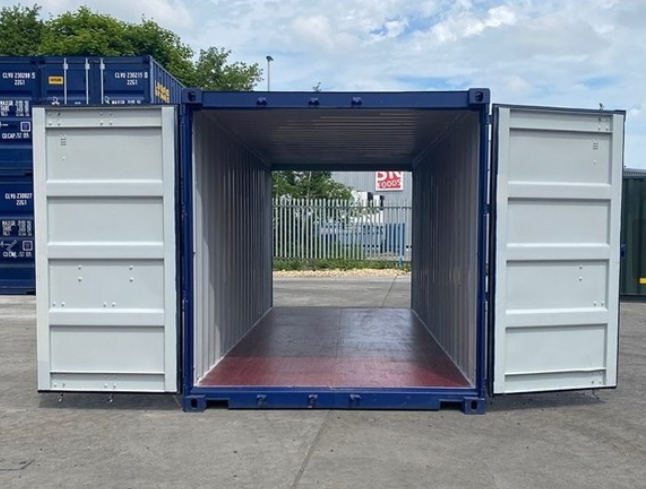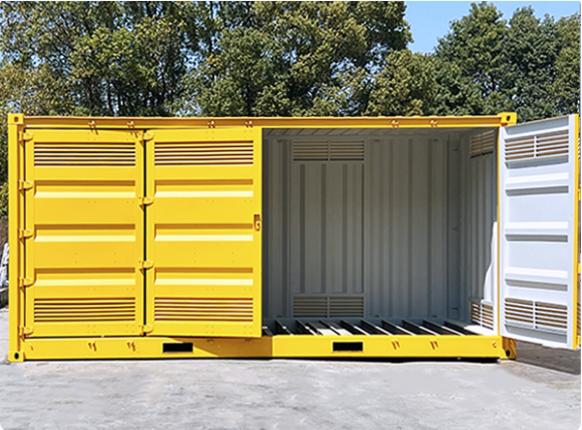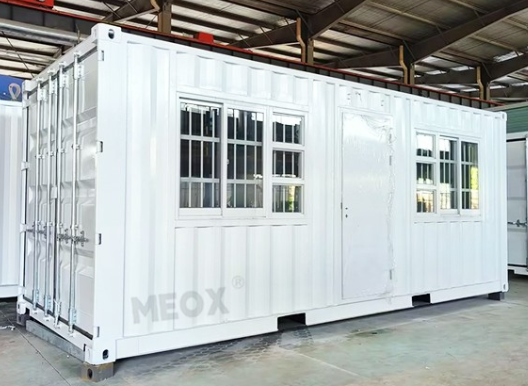
Generator Container is a specialized mobile power unit that integrates a power generator, fuel storage, and control systems within a modified shipping container, designed to deliver on-demand electricity across various off-grid or temporary scenarios. Unlike traditional fixed generators that require separate installation of components like fuel tanks and control panels, a Generator Container comes as a preassembled, all-in-one unit—requiring only minimal on-site preparation, such as connecting fuel lines and grounding, before it can start supplying power. This integrated design not only reduces setup time from days to hours but also ensures consistent performance, as all parts are tested and calibrated to work together during production. Generator Container units are typically based on standard shipping container sizes (20-foot or 40-foot), making them compatible with global transportation networks, and can be customized with additional features like soundproofing, climate control, or extra fuel tanks to meet specific power needs.

Generator Container includes specialized variants like the Diesel Generator Container, which leverages diesel fuel’s high energy density to provide long-lasting power for heavy-duty applications
A Diesel Generator Container is equipped with a robust diesel generator as its core component, paired with a large-capacity fuel tank that can support continuous operation for 24 to 72 hours without refueling—ideal for scenarios where frequent fuel replenishment is difficult. The diesel generator within this container is engineered for high efficiency, even under full load, and produces lower emissions compared to older diesel models, aligning with modern environmental standards. Additionally, Diesel Generator Container often features advanced cooling systems to prevent overheating during prolonged use, ensuring stable power output in high-temperature environments like construction sites or remote mining operations.
Generator Shipping Container, a key type of Generator Container, utilizes the structural strength of shipping containers to enhance durability and mobility
A Generator Shipping Container retains the rugged steel frame of standard shipping containers, which can withstand harsh transportation conditions—including sea voyages, rough road travel, and exposure to wind, rain, or dust—without damaging the internal generator components. This design allows the Generator Shipping Container to be easily transported via trucks, ships, or trains, making it suitable for global deployment to remote areas or disaster zones. The shipping container’s modular nature also enables easy stacking or combination with other containers (such as fuel storage units) to create a comprehensive power system, adapting to growing or changing power demands.
Portable Generator Container, another essential variant of Generator Container, prioritizes mobility and quick deployment for temporary power needs
A Portable Generator Container is often built on a smaller 20-foot or even 10-foot shipping container frame, with lightweight materials used for non-structural parts to reduce overall weight—making it easier to move via small trucks or even forklifts. This type of Generator Container is ideal for short-term applications like outdoor events, emergency response, or temporary construction projects, where power is needed quickly and for a limited period. Many Portable Generator Container models also include foldable access ramps, external power outlets, and simple control panels, allowing on-site personnel to operate and maintain the unit without specialized training.
Generator Container is designed with high durability and safety features to ensure long-term reliable operation in challenging environments
The exterior steel shell of a Generator Container is treated with anti-corrosion coatings to resist rust from moisture or saltwater, extending its service life to 15+ years with proper maintenance. Inside the container, the generator and electrical components are housed in insulated compartments that protect against temperature fluctuations, while fire-resistant materials and smoke detectors minimize the risk of fire hazards. Most Generator Container units also include noise reduction panels, which lower operational noise to levels suitable for residential areas or events, avoiding disruptions to nearby communities. Additionally, fuel tanks within the Generator Container are equipped with leak-proof valves and secondary containment systems to prevent fuel spills and environmental contamination.
In summary, Generator Container, along with its specialized variants—Diesel Generator Container, Generator Shipping Container, and Portable Generator Container—stands out as a versatile and reliable mobile power solution. Its integrated design, compatibility with global transportation, and ability to adapt to different scenarios (from heavy-duty industrial use to temporary events) address the limitations of traditional fixed generators. Whether providing backup power for remote communities, supporting emergency response efforts, or powering temporary construction sites, Generator Container delivers consistent, on-demand electricity with minimal setup and maintenance. As the demand for flexible, portable power grows across industries, Generator Container will continue to play a crucial role in ensuring access to reliable energy, even in the most challenging or off-grid locations.
Generator Container FAQs
1. What is a generator container?
A generator container is a custom-engineered solution that integrates a complete power generation system within a modified shipping container structure, providing a fully self-contained and mobile power package.
2. How does a generator container simplify power deployment?
The generator container arrives as a turnkey solution with pre-installed equipment including the generator, fuel tanks, cooling systems and electrical distribution components, requiring only basic site preparation and connection to loads.
3. What are the transportation benefits of a generator container?
Standard shipping container dimensions allow the generator container to be transported globally via container ships, freight trains, and standard heavy-duty trucks without requiring special permits for oversized loads.
4. How does a generator container facilitate system expansion?
Multiple generator containers can be paralleled together to create larger power plants, with built-in cabling pathways and synchronization systems designed for straightforward capacity increases as power demands grow.
5. What protection does the generator container provide for equipment?
The heavy-duty steel enclosure of the generator container offers weatherproof protection, security against unauthorized access, and acoustic damping for reduced noise emissions during operation.