As electric vehicles (EVs) rapidly transform the automotive industry, a pressing challenge looms: what to do with their lithium-ion batteries once they’re no longer fit for the road. While these batteries may lose their ability to power cars, they still retain 60–70% of their energy storage capacity—a resource too valuable to waste. Enter energy storage shipping containers, an innovative solution that transforms retired EV batteries into scalable, sustainable power stations. This article dives into how shipping container battery storage systems and lithium-ion battery storage containers are revolutionizing energy management, reducing waste, and paving the way for a cleaner future.
Giving Retired EV Batteries a Second Life with Energy Storage Shipping Containers
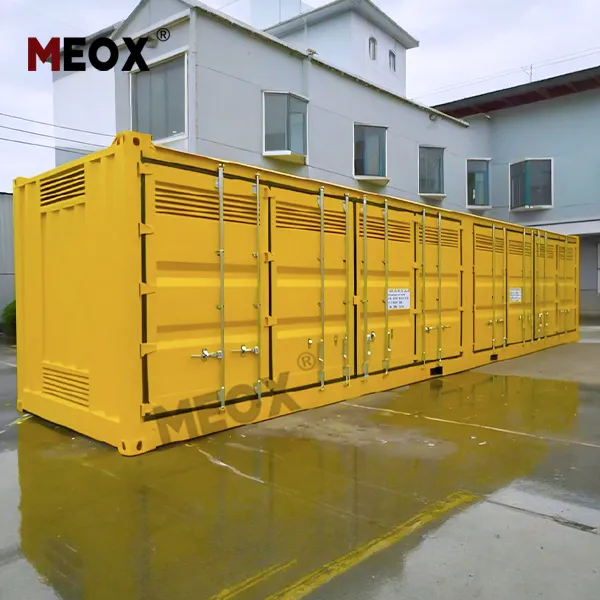
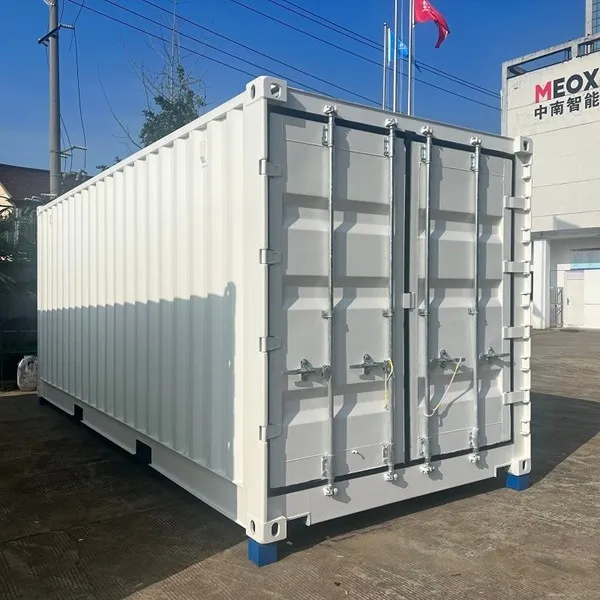
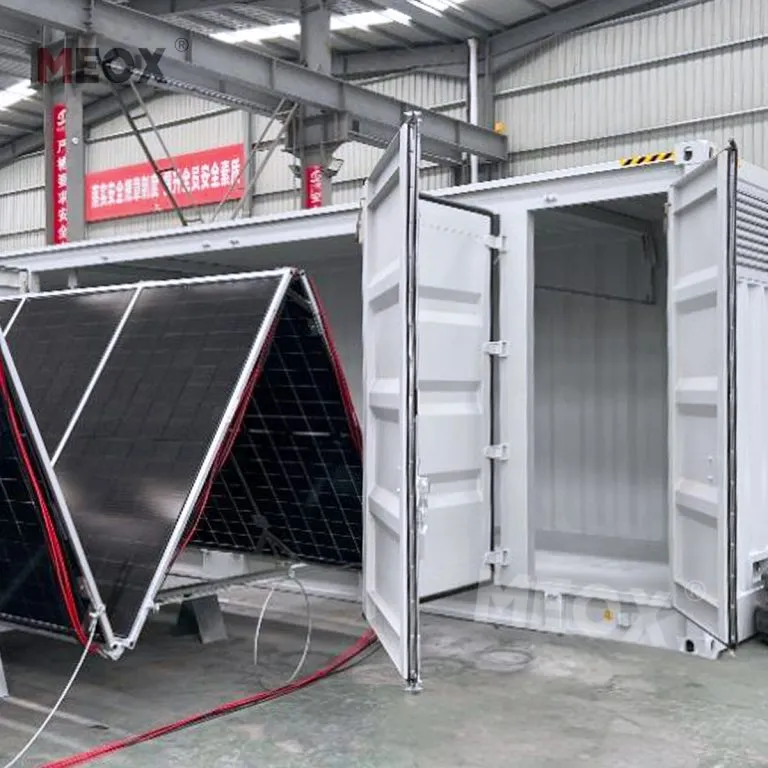
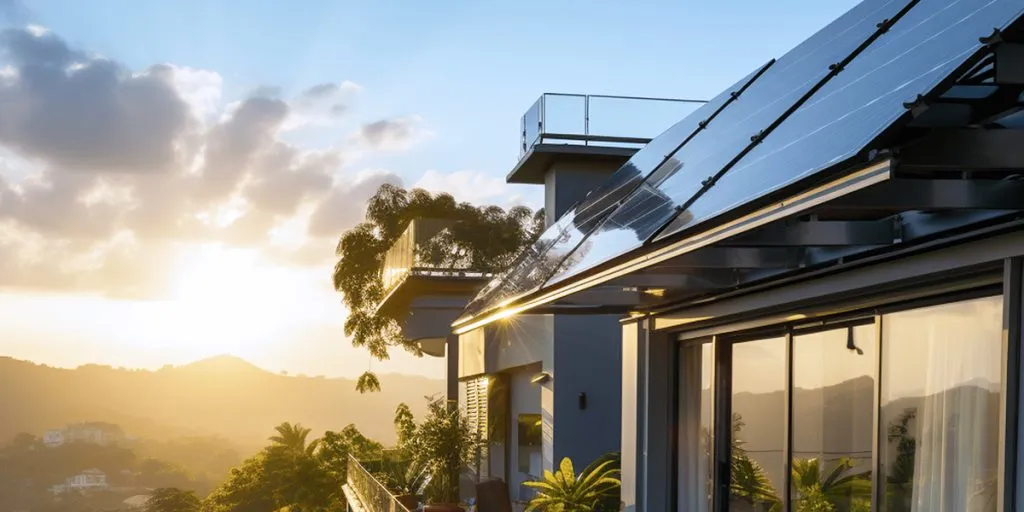
Retired EV batteries are far from obsolete. When repurposed intolithium-ion battery storage containers, they become a powerful tool for energy resilience. These containers are engineered to house hundreds of battery modules in a climate-controlled, secure environment. By connecting stacks of retired EV batteries,energy storage shipping containerscan store surplus renewable energy from solar panels or wind turbines, stabilize electrical grids during peak demand, and provide backup power during outages.
This approach extends the functional lifespan of lithium-ion batteries by 5–10 years, diverting them from landfills and reducing the need for raw material extraction. For example, a singleshipping container battery storageunit can store up to 2 MWh of energy—enough to power a small neighborhood for several hours. This not only maximizes the value of existing resources but also supports decentralized energy systems, empowering communities to take control of their power needs.
How Shipping Container Battery Storage Systems Work
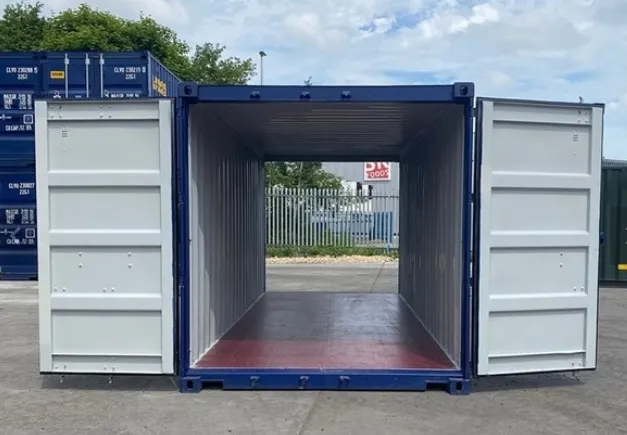
Ashipping container battery storagesystem is a plug-and-play solution. Retired EV batteries are carefully tested, sorted, and reconfigured into modular packs that fit inside a standardized container. Advanced battery management systems (BMS) monitor performance, temperature, and safety in real-time, ensuring optimal efficiency.
Theselithium-ion battery storage containersare then equipped with inverters, cooling systems, and connectivity interfaces. Once deployed, they can
Store solar or wind energy for later use.
Provide emergency power during natural disasters.
Offset peak electricity demand for commercial facilities.
Support off-grid projects in remote areas.
The portability ofenergy storage shipping containersallows them to be rapidly transported and installed anywhere, making them ideal for temporary events, construction sites, or disaster recovery zones.
The Role of Lithium-Ion Battery Storage Containers in Sustainability
Repurposing retired EV batteries inlithium-ion battery storage containersaddresses two major environmental challenges:
Reducing E-Waste: Over 12 million tons of lithium-ion batteries are expected to retire by 2030. Containerized storage gives them a purposeful second life
Accelerating Renewable Adoption: By storing intermittent solar or wind energy, these containers enable a smoother transition away from fossil fuels.
Moreover,shipping container battery storagesystems require minimal raw materials compared to building new batteries. Retrofitting containers cuts construction costs and carbon footprints, while their modular design allows for easy scaling as energy needs grow.
FAQs About Battery Storage Containers
Are retired EV batteries safe for reuse in energy storage systems?
Yes. Every battery undergoes rigorous testing for capacity, voltage, and thermal stability before integration intolithium-ion battery storage containers. Advanced safety features, including fire suppression and temperature control, ensure reliable operation.
How much cost savings can I expect compared to new batteries?
Second-life batteries cost 30–50% less than new ones, makingshipping container battery storagea budget-friendly option. Their modularity also allows incremental expansion, reducing upfront investment.
What is the lifespan of a repurposed battery container?
A well-maintainedenergy storage shipping containercan operate efficiently for 7–12 years, depending on usage patterns. Regular maintenance and monitoring further extend its service life.
Can these containers be customized for specific energy needs?
Absolutely. Whether you need 100 kWh for a small farm or 10 MWh for an industrial complex,lithium-ion battery storage containerscan be scaled and configured to match your requirements.
How does this solution benefit the environment?
By diverting batteries from landfills and supporting renewable energy integration,shipping container battery storagesystems reduce carbon emissions and promote a circular economy.
Retired EV batteries are no longer a sustainability challenge—they’re an opportunity. Through innovativeenergy storage shipping containers, these batteries gain a second life as affordable, scalable, and eco-conscious power solutions. Whether for grid support, emergency backup, or off-grid projects,lithium-ion battery storage containersprove that sustainability and practicality can go hand in hand. Ready to power your future with yesterday’s batteries? The next energy revolution is already here.