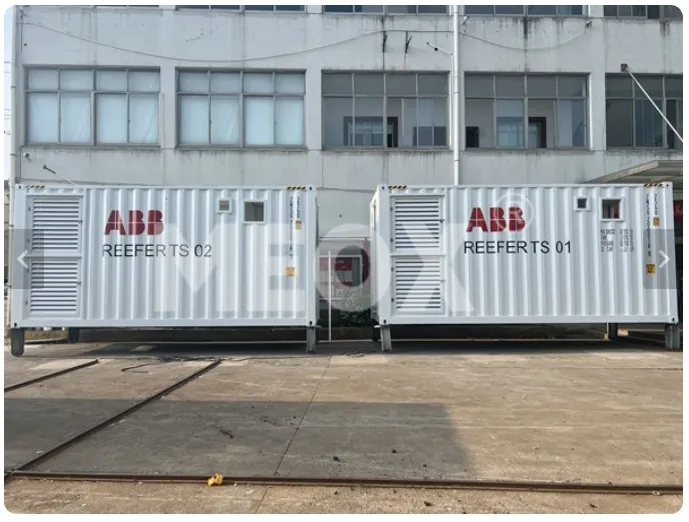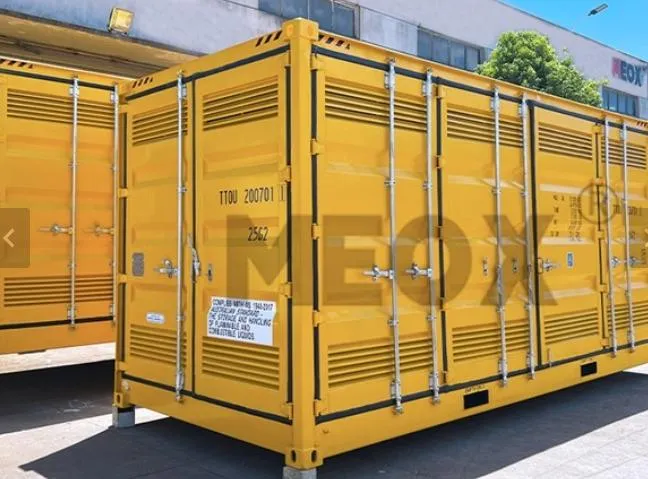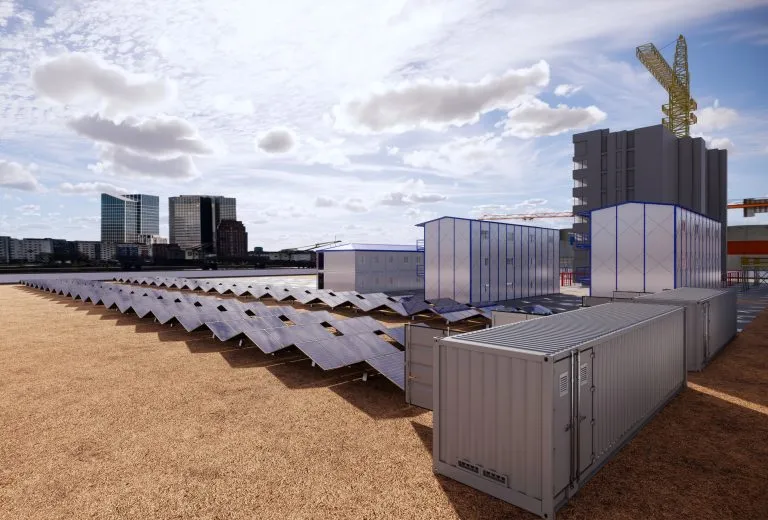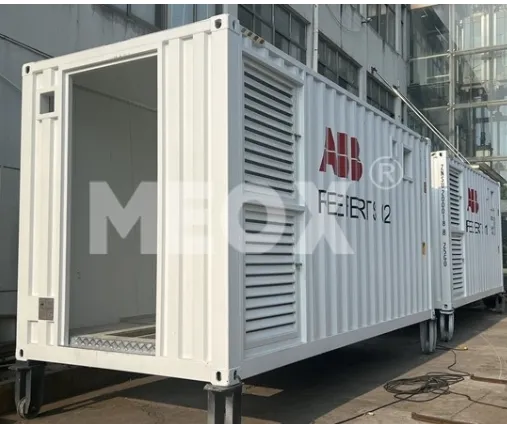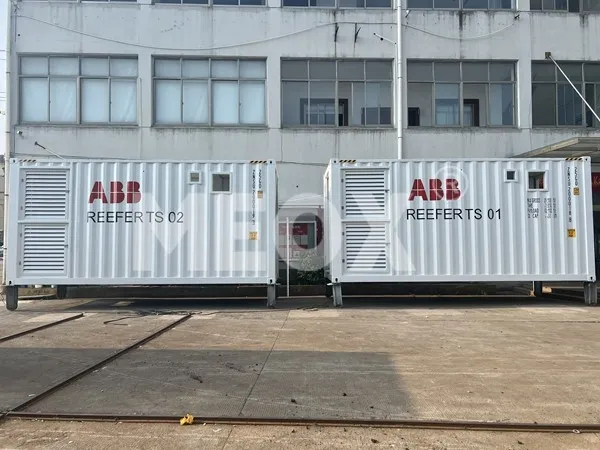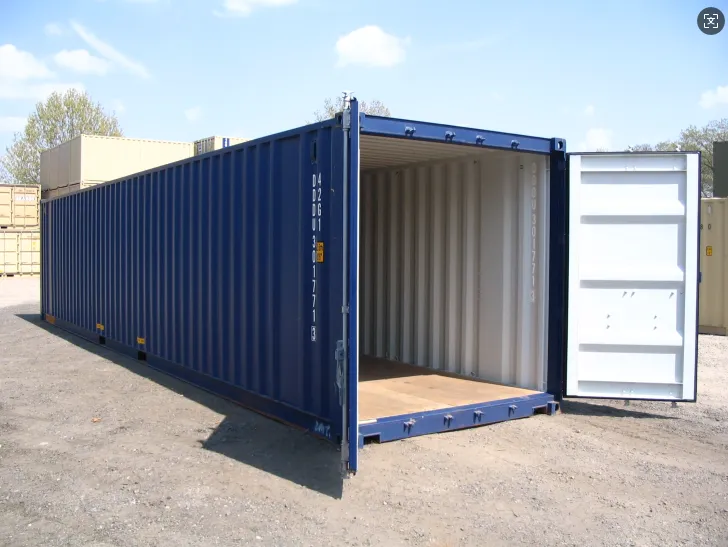
The world of agriculture is evolving, andshipping container farmsare at the forefront of this revolution. These innovative growing systems transform standardshipping container greenhousesinto highly efficient, space-saving farms capable of producing fresh, organic food year-round. Whether you’re a wholesaler looking to invest in sustainable farming or an urban dweller interested incontainer vertical farming, this guide will explore how these compact yet powerful systems work and why they are the future of food production.
Sustainable & Versatile Design of Shipping Container Farms
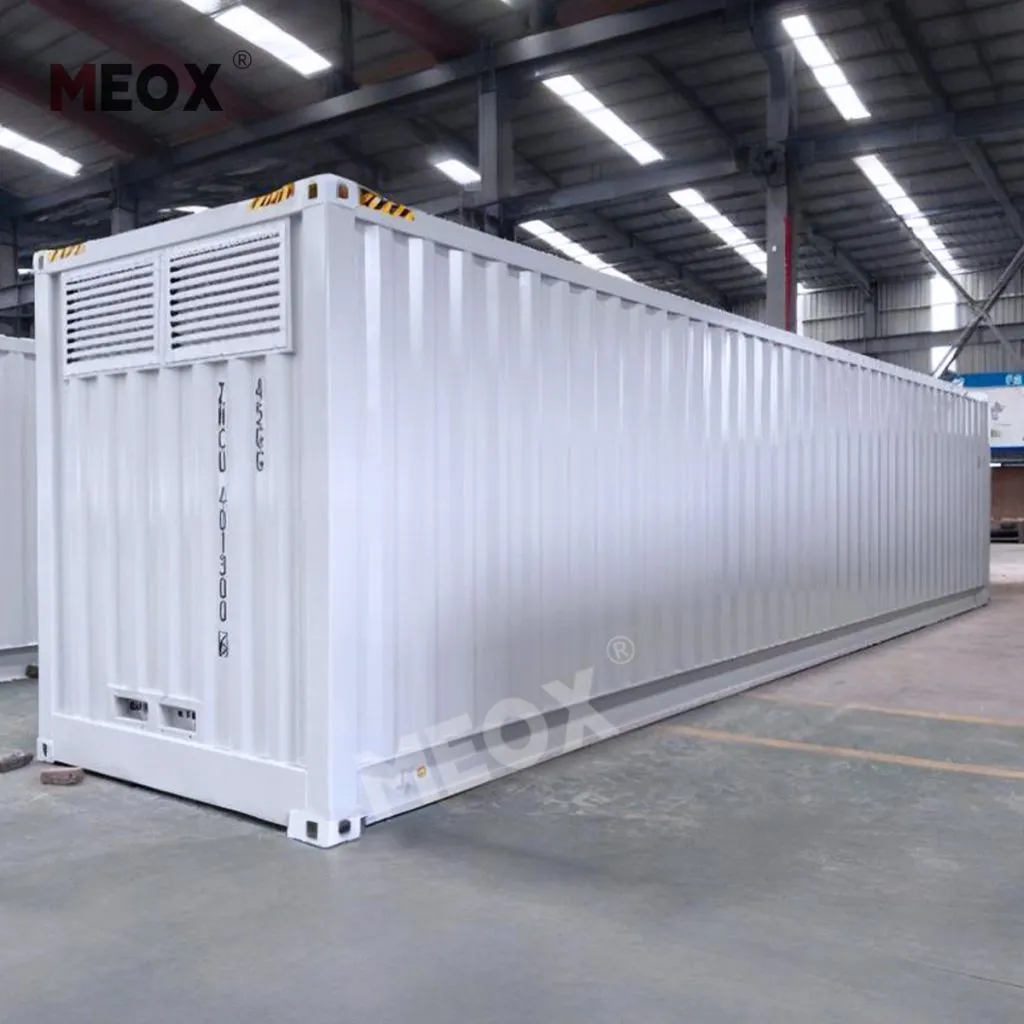
One of the biggest advantages of ashipping container farmis its sustainable and adaptable design. Made from repurposed shipping containers, these farms reduce waste while providing a durable, mobile growing environment.
Eco-Friendly Construction: By upcycling used shipping containers, these farms minimize environmental impact while offering a sturdy, weather-resistant structure.
Portability & Space Efficiency: Unlike traditional farms,container vertical farmingunits can be placed on rooftops, parking lots, or even remote locations, making them ideal for urban and rural settings alike.
Customizable for Any Climate: With insulation and climate control options, ashipping container greenhousecan operate in extreme temperatures, ensuring consistent crop production.
| Feature | Benefit |
| Recycled Materials | Reduces environmental footprint |
| Modular Design | Easy to transport and expand |
| Weather-Resistant | Suitable for all climates |
Controlled Environment Agriculture (CEA) for Optimal Growth Shipping Container Farms
Ashipping container farmutilizes Controlled Environment Agriculture (CEA) technology to create the perfect growing conditions, regardless of external weather.
Precision Climate Control: Advanced systems regulate temperature, humidity, and CO₂ levels, ensuring plants thrive in any season.
Year-Round Harvests: Unlike traditional farming, ashipping container greenhouseis not dependent on seasons, allowing continuous production.
Reduced Pest Risks: Enclosed environments minimize exposure to pests and diseases, reducing the need for harmful pesticides.
This technology makescontainer vertical farminga reliable solution for food security, especially in regions with harsh climates.
Shipping Container Farms Hydroponic & Aeroponic Systems: Soil-Free Farming
Traditional farming requires vast amounts of land and water, but ashipping container farmeliminates these limitations with hydroponic and aeroponic systems.
Water Efficiency: These systems use up to 90% less water than soil farming, making them ideal for drought-prone areas.
Faster Growth Rates: Plants grown hydroponically absorb nutrients more efficiently, leading to quicker harvest cycles.
Higher Yields in Less Space: By eliminating soil, more plants can be grown vertically, maximizing output in a compactshipping container greenhouse.
| System Type | Water Savings | Growth Speed |
| Hydroponics | Up to 90% | 30-50% Faster |
| Aeroponics | Up to 95% | 50-70% Faster |
Vertical Shipping Container Farming: Maximizing Space & Productivity
A key feature ofcontainer vertical farmingis its ability to grow crops in stacked layers, dramatically increasing production capacity.
Higher Crop Density: Vertical farming allows 5-10 times more plants per square foot compared to traditional methods.
Reduced Land Requirements: Perfect for urban areas where space is limited, ashipping container farmcan fit almost anywhere.
Automated Harvesting: Many systems include robotic arms or conveyor belts to streamline harvesting, reducing labor costs.
This method ensures that even small-scale farmers can compete with large agricultural producers.
Shipping Container Farm FAQs
How much does a shipping container farm cost?
The price varies based on size and features, but a fully equippedshipping container greenhousetypically ranges from $50,000 to $150,000. Wholesale discounts are available for bulk orders.
What crops can be grown in a container-based vertical shipping container farming system?
Leafy greens, herbs, strawberries, and even some root vegetables thrive in hydroponic and aeroponic setups.
How much energy does a shipping container farm consume?
With LED lighting and efficient climate control, energy use is optimized, and solar panel integration can further reduce costs.
Is maintenance difficult for a shipping container farm?
Automated systems handle most tasks, and remote monitoring allows easy management with minimal manual labor.
Can I customize my shipping container farm?
Absolutely! From size to growing systems, we offer tailored solutions to fit your specific needs.The future of agriculture is here, andshipping container farmsare leading the charge. Whether you’re a wholesaler looking to stock the next big thing in sustainable farming or an entrepreneur ready to start a local food business, ourcontainer vertical farmingsystems provide the perfect solution. Suzhou Zhongnan Intelligent Equipment Co, Ltd. is a manufacturing enterprise mainly engaged in the designing and production of special and standard containers.The company not only has complete manufacturing equipment but also a professional production team and design technicians, providing customers with high-quality and reliable equipment and services. We focus on manufacturing a full range of container products and can design multiple types of special containers according to the special requirements of enterprises and research institutions in various working conditions, providing comprehensive products and services.Why wait? Contact us today to place your order and be part of the movement toward fresher, greener, and more efficient food production!