As industries and governments worldwide accelerate their transition to renewable energy, the need for adaptable, large-scale storage solutions has never been greater. Lithium ion battery storage containers, energy storage containers, and container battery energy storage systems are revolutionizing how businesses and utilities manage energy demands. Designed for wholesale deployment, these systems offer unmatched scalability, cost efficiency, and reliability. This article explores how these innovations empower bulk buyers to future-proof their energy infrastructure while meeting sustainability goals.

Modular Design of Lithium Ion Battery Storage Containers for Bulk Customization
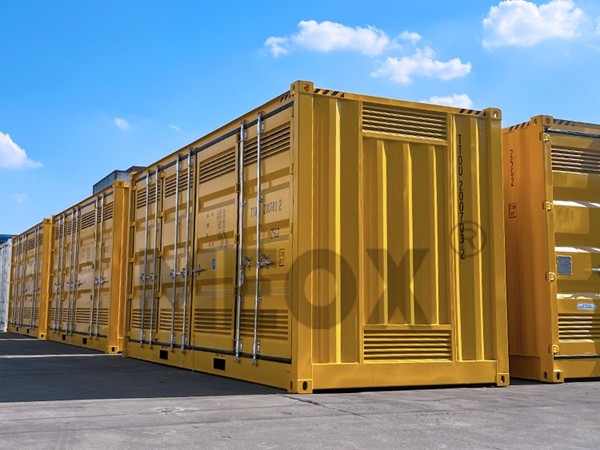
The lithium ion battery storage container stands out for its modular architecture, making it a cornerstone for wholesale energy projects. Each unit is a self-contained system with pre-integrated battery racks, inverters, and climate control, enabling rapid deployment and effortless scalability. By stacking or linking multiple energy storage containers, bulk buyers can achieve capacities ranging from 10 MWh to over 1 GWh—ideal for industrial complexes, utility grids, or renewable farms.
For wholesale purchasers, standardization is key. Manufacturers produce container battery energy storage systems using uniform designs, slashing customization costs and lead times. This uniformity ensures compatibility across units, allowing buyers to expand storage capacity incrementally without retrofitting existing infrastructure. For example, a solar farm operator can start with ten containers and double capacity within months as demand grows.
The compact design of lithium ion battery storage containers also optimizes space efficiency. Unlike traditional brick-and-mortar storage facilities, these containers require minimal site preparation. They can be installed in parking lots, vacant industrial zones, or adjacent to solar/wind farms, reducing land acquisition costs—a critical advantage for bulk projects.
Energy Storage Containers as Grid-Scale Solutions for Renewable Integration
Energy storage containers are pivotal in bridging the gap between renewable generation and grid stability. Solar and wind power’s intermittent nature often leads to curtailment, but container battery energy storage systems capture excess energy during peak production and discharge it during high demand. For wholesale investors, this capability unlocks revenue through energy arbitrage while reducing reliance on fossil-fuel peaker plants.
Utilities and independent power producers (IPPs) are increasingly purchasing lithium ion battery storage containers in bulk to create decentralized energy hubs. These hubs act as “virtual power plants,” balancing supply and demand across regions. For instance, a 500 MWh container battery energy storage system can stabilize a grid serving 100,000 households, preventing blackouts during heatwaves or storms.
Advanced grid management software embedded in modern energy storage containers further enhances their value. These systems autonomously respond to frequency fluctuations, voltage dips, and load shifts, ensuring seamless integration with existing infrastructure. Bulk buyers should prioritize partnerships with manufacturers offering software updates and remote monitoring to maximize long-term ROI.
Cost Efficiency of Container Battery Energy Storage Systems in Bulk Deployments
Economies of scale make container battery energy storage systems a financially astute choice for wholesale procurement. Manufacturers typically offer tiered pricing, with discounts increasing alongside order volumes.
Operational savings compound these upfront benefits. Lithium ion battery storage containers are pre-tested and pre-assembled, requiring only basic site preparation (e.g., concrete pads and electrical hookups). This plug-and-play design slashes installation labor by up to 70%, a significant advantage for large-scale deployments. Additionally, integrated fire suppression and thermal management systems lower insurance premiums and maintenance expenses over the system’s 15+ year lifespan.
Bulk buyers should also explore lifecycle partnerships. Leading suppliers offer battery health monitoring, refurbishment services, and recycling programs. These initiatives ensure compliance with evolving environmental regulations while recovering value from degraded cells, further bolstering the cost-effectiveness of container battery energy storage systems.
Future-Proofing Energy Infrastructure with Scalable Lithium Ion Battery Storage Containers
The energy landscape is evolving rapidly, with advancements in battery chemistry, AI-driven management, and renewable integration. Lithium ion battery storage containers are inherently future-proof, thanks to their modular design. Wholesale buyers can retrofit existing units with higher-density batteries (e.g., solid-state or lithium-sulfur) or upgraded inverters without replacing entire systems.
Industries like mining, manufacturing, and data centers are adopting energy storage containers to replace diesel generators and meet net-zero targets. For example, a mining company deploying container battery energy storage systems can cut diesel consumption, reducing both emissions and fuel logistics costs. Similarly, ports using these containers for cold ironing (shore power) can comply with stringent emissions regulations.
Global electrification trends underscore the urgency for scalable solutions. By investing in container battery energy storage systems today, wholesale buyers position themselves to capitalize on emerging technologies and regulatory incentives.
FAQs: Lithium Ion Battery Storage Container and Energy Storage Container Solutions
What safety certifications are critical for wholesale lithium ion battery storage containers?
Prioritize systems certified to UL 9540, IEC 62619, and NFPA 855. These standards ensure fire resistance, thermal runaway prevention, and structural integrity—non-negotiable for bulk deployments.
How do energy storage containers perform in extreme climates?
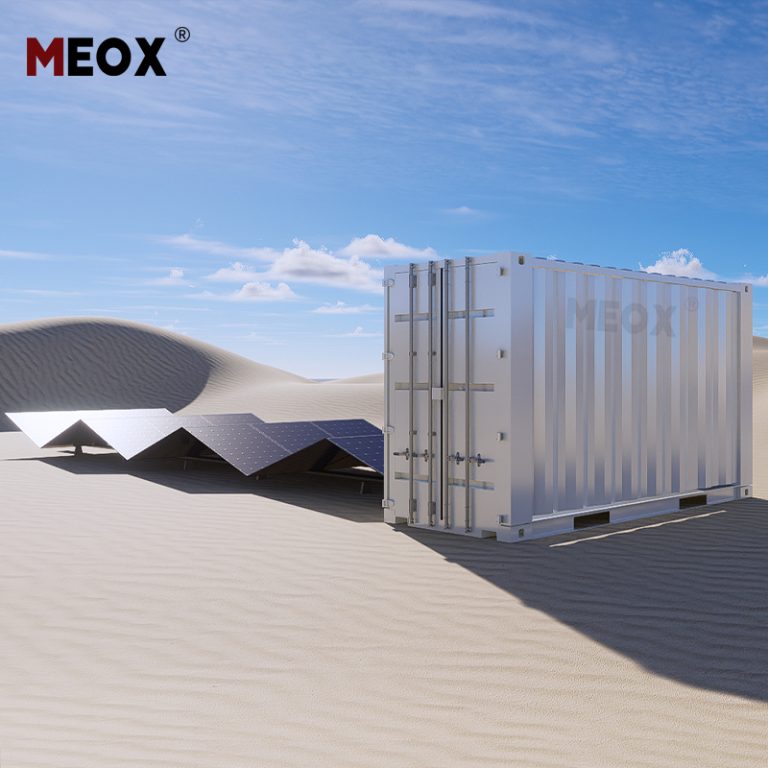
Modern container battery energy storage systems include HVAC systems . Optional heating/cooling upgrades are available for arctic or desert environments.
Can container battery energy storage systems integrate with existing solar/wind farms?
Absolutely. Most systems support bidirectional inverters and grid-forming capabilities, enabling seamless AC/DC coupling with renewables. Bulk buyers can request custom voltage configurations.
What lead times apply to bulk orders of lithium ion battery storage containers?
Planning phased deliveries can mitigate project delays.
Are there tax incentives for deploying energy storage containers at scale?
Yes. Many countries offer investment tax credits (ITCs), accelerated depreciation, or grants for large-scale container battery energy storage system projects, particularly those paired with renewables.