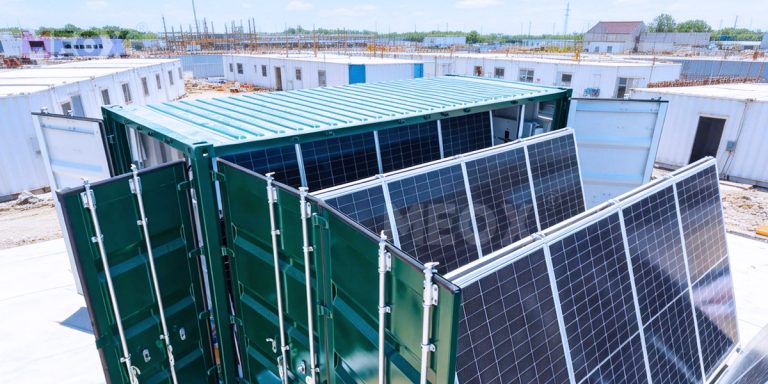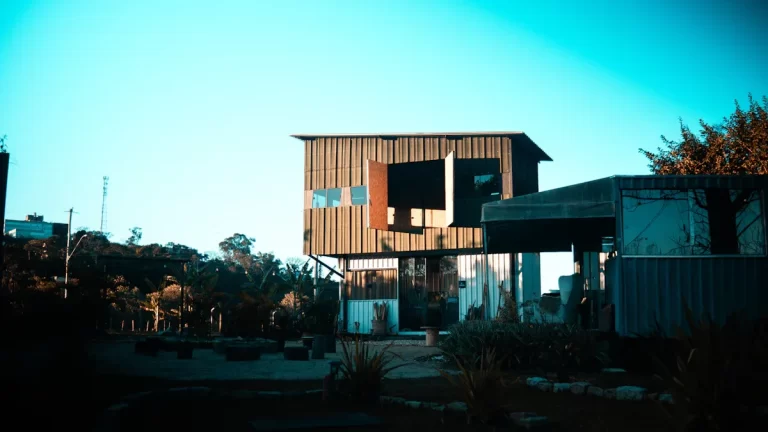
You want to get the most for your money when storing things. Sea container storage usually costs less and keeps your items safe. It works well if you need to store things for a long time. Traditional warehousing can be better for some items or if you only need storage for a short time. This comparison will help you choose what is best. Companies like MEOX give you different ways to use container storage.
Key Takeaways
Sea container storage is strong and flexible. It is also cheap and helps save money over time. This is very good if you need storage for a long time.
Containers are very safe because they have steel walls. They use smart locks and can be changed to fit your needs. You can control who gets in.
Traditional warehousing is good if you need climate control. It is also good if you need to get things often. But it usually costs more and is not as flexible.

Sea Container Storage Options Overview
Overview of Sea Container Storage Units
Sea container storage lets you keep things safe in a simple way. You can use shipping containers at work sites, businesses, or even at your house. These containers come in different sizes, from 10 feet to 45 feet long. Most containers are made from strong steel that does not rust easily. This makes them last a long time and keeps out bad weather. You can pick new, used, or fixed-up containers, depending on your money. Many people like container storage because it is easy to set up and move. You can add shelves, insulation, or alarms to make them safer.
MEOX has container storage units you can change to fit your needs. You can rent or buy these containers. If you rent for a longer time, it usually costs less. If you need to store things for a long time, container storage can help you save money. Taking care of the containers is easy. You might need to fix rust or doors, but these jobs do not cost much. Many people find container storage works for both short and long times.
Why Compare to Traditional Warehousing
Traditional warehousing uses big buildings to keep goods safe. These warehouses often have climate control, workers, and good security. You may pay more for warehousing, especially in cities where space is tight. Warehousing can give you easy access and extra help, but the price can get high over time.
A side-by-side chart shows the main differences:
Feature | Sea Container Storage | Traditional Warehousing |
|---|---|---|
Cost | Lower for long-term storage | Higher, especially in cities |
Security | Steel locks, alarms, cameras | Staff, cameras, access logs |
Flexibility | Portable, customizable | Fixed location, less flexible |
Maintenance | Minimal, easy repairs | Managed by warehouse staff |
You should look at both choices before you decide. Shipping container storage units give you strong safety and can be moved. Traditional warehouses may be better if you need to get to your things often or need special help. Both types of storage have their own good points. Your choice depends on what you need, your budget, and how much safety you want.
Sea Container Storage Units: Key Features
Sea Container Construction & Types
When you pick container storage, you get something strong and safe. Most shipping containers are made from corten steel. This metal does not rust or break easily. It forms a layer that protects your things from bad weather. The walls are thick and can hold heavy stuff. They also help stop damage from bumps. These containers keep your things safe from thieves, rats, and water.
Shipping container storage units come in many shapes and sizes. Dry storage containers are the most common. They work well for things like furniture, tools, and supplies. If you need to keep food or medicine cold, use refrigerated containers. Flat rack containers are good for big machines or cars. Open-top containers let you put tall things inside with a crane. Tank containers are made for liquids. High cube containers are taller and fit big items. Double door containers have doors on both ends. This makes loading and unloading faster. Each type is made for a different job.
Here is a table to help you compare the main types:
Container Type | Typical Sizes (Length) | Height (ft) | Load Capacity (CFT) | Special Features / Uses |
|---|---|---|---|---|
Dry Storage Containers | 20 ft, 40 ft, 40 ft HC | 8’6″, 9’6″ | 1,172–2,694 | Fully enclosed, weatherproof; for non-temperature-sensitive goods |
Refrigerated Containers | 20 ft, 40 ft | 8’6″, 9’6″ | 1,172–2,040 | Temperature-controlled; for perishables like food and medicine |
Flat Rack Containers | 20 ft, 40 ft | Varies | 1,154–1,860 | No rigid walls/roof; for oversized/heavy cargo |
Tank Containers | 20 ft | 8’6″ | ~26,001 liters | For bulk liquids/gases; anti-corrosive materials |
Open-Top Containers | 20 ft, 40 ft | 7’10” interior | 1,172–2,390 | Removable tarpaulin top; for over-height or bulky cargo |
High Cube Containers | 40 ft | 9’6″ | 2,694 | Taller for larger volume capacity |
Double Door Containers | Varies | Standard | Similar to standard | Doors on both ends for quick loading/unloading |
Shipping containers last a long time. Many can be used for 25 to 30 years. You just need to check for rust, make sure the locks work, and keep the seals tight. If you see a problem, you can fix it with simple tools. This means you do not spend much time or money on repairs.
Tip: If you want to store things that need special care, you can add insulation, vents, or climate control. This helps protect your items from heat, cold, or wetness.
Shipping container storage is flexible. You can stack containers or move them to new places. You can also add shelves or lights inside. This is helpful for businesses that are growing or changing.
Sea Container On‑Site Deployment
Setting up container storage units at your place is easy and quick. You can put a shipping container almost anywhere that is flat and has enough space. Most people use concrete, gravel, or hard ground. Before delivery, make sure there is enough space above and room for the truck.
You can pick from different container types and sizes. Your choice depends on what you need to store and how much you want to spend. Here are some average prices:
Container Type | Price Range (USD) | Description |
|---|---|---|
Standard 40ft | $1,000–$4,000 | General purpose container, suitable for most needs. |
High Cube 40ft | $1,500–$6,000 | Extra height for bulky items and increased capacity. |
Reefer | $5,000–$8,000 | Refrigerated container for perishable goods. |
Flat Rack | $3,000–$5,000 | Open sides for heavy or oversized cargo. |
Double Door | $2,500–$4,500 | Doors on both ends for easy loading/unloading. |
Open Side | $3,500–$6,000 | Full side accessibility, good for wide goods. |
Open Top | $3,000–$5,500 | Removable top for tall items. |

You also need to plan for delivery and setup. Moving a container costs about $2,000 to $5,000. The price depends on how far it goes and what equipment is needed. Getting the ground ready may cost $500 to $2,000. Some places need a permit. If you want to stack containers or put them on a base, you might need a crane or forklift.
Note: Always check your local rules before putting a shipping container on your property. Some places have special rules for permits or hooking up utilities.
Container storage units save you money over time. You do not have to pay high rent for a warehouse. You can add more containers if you need more space. Many businesses find this way cheaper and easier, especially for long-term or big storage needs.
Shipping containers do not need much care. Just look for rust, check the locks, and keep the seals good. If you find a problem, you can fix it yourself or call someone to help. This makes container storage a good choice for busy companies.
If you need to move your storage, you can take the container to a new place. This helps you change as your business or life changes.
Real-World Example: A construction company needed more space for tools and equipment. They put three 40-foot shipping containers on their lot. The containers kept everything safe from weather and theft. When the job was done, they moved the containers to a new place. This saved them money and time instead of renting a warehouse.
Container storage units are strong and safe. They save money, are flexible, and give you peace of mind. If you want something affordable and easy, shipping container storage is a smart choice.
Sea Container Cost Comparison vs. Traditional Warehousing

Sea Container Purchase & Rental Costs
When you compare container storage to traditional warehousing, the prices are different. Shipping containers come in many sizes. You can rent or buy them. Here is a table that shows average prices:
Container Size (feet) | Average Monthly Rental Cost (USD) | Average Purchase Cost (USD) |
|---|---|---|
10 | $120 – $130 | $1,400 – $4,900 |
20 | $125 – $175 | $2,000 – $6,900 |
40 | $160 – $185 | N/A |
The cost to rent a container depends on its size, condition, and where you are. For example, a 20-foot container usually costs $125 to $175 each month. If you want a refrigerated container, it will cost more. Buying a container means you pay once, plus delivery. Warehouses usually charge by the square foot. A 10×10 warehouse unit costs about $100 to $130 each month. Warehousing might look cheaper at first, but you pay more for extra services. You also have less freedom to change your space.
Sea Container Operational & Maintenance Expenses
Shipping container storage units are easy to take care of. You just need to check for rust, make sure doors work, and fix seals if needed. Most containers last for many years with little work. You do not pay for things like electricity or water unless you add special features. Warehouses cost more to run. You pay for rent, utilities, repairs, and sometimes workers. These costs can add up fast, especially if you need climate control or more security. Using container storage at your own place also saves money on moving and handling. This makes your work easier and cheaper.
Tip: If your container has a problem, like a stuck door or a small leak, you can often fix it yourself or call someone nearby. This helps keep your costs low and your things safe.
Long‑Term ROI: Sea Container vs. Warehouse
Sea container storage gives you good value over time. Many businesses buy sea containers and use them for years. This saves money compared to renting warehouse space. For example, if you buy 50 containers at $3,000 each, you spend about $150,000. You can rent these sea containers out and make steady money. You might pay off your investment in a few years. Warehouses cost more at the start and have more bills to pay each month. They also do not let you move or add space as easily. Shipping container storage units give you more control and help you change as your business grows. This flexibility and low cost make container storage a smart choice for saving money and working better.
Security Comparison: Sea Container Storage vs. Warehousing

Physical Security
You want your things to be safe. Physical security is the first way to protect both sea container storage and warehousing. Shipping containers have thick steel walls and strong doors. This keeps out thieves, animals, and bad weather. Many containers use special locks that are hard to break. You can put containers in bright, busy places for more safety. You can also add lockboxes or smart locks to make them safer.
Warehousing uses building walls, fences, and gates to keep things safe. Sometimes, staff walk around to check the area. Some warehouses use fences that are hard to climb. But warehouses can have problems inside, like workers stealing or working together to take things. The table below shows the most common security problems for each type:
Environment | Common Security Breaches |
|---|---|
Sea Container Storage Units | Piracy, hijacking, smuggling, tampering with container seals, cyberattacks on digital tracking systems |
Traditional Warehouses | Employee theft, pilferage, collusion between employees and drivers, small-scale thefts |
Both | Cybersecurity breaches including infiltration and manipulation of online supply chain data |
Sea container storage units often have more outside threats. Warehousing usually has more problems from inside. Both need strong barriers and regular checks to keep things safe.
Tip: Put your containers in a safe, bright place. Use strong locks and check the seals often. This helps stop theft or damage.
Surveillance & Monitoring
Modern security tools help a lot. Sea container storage units now use GPS, sensors, and cloud systems. These tools tell you where your container is and if it is safe. You get alerts if someone tries to open a lock or if the temperature changes fast.
Warehousing uses cameras and staff to watch the building. Cameras look at doors and hallways. Staff walk around to look for problems. Warehouses do not always track each storage unit in real time.
Here are some main differences in how they watch over things:
Container storage units are often on private land. You decide who can enter and see your things.
Warehousing uses shared gates and staff to watch the whole place.
Smart containers use sensors to check temperature, humidity, and movement. They send this data by phone or satellite.
Warehousing cares more about tracking items and work, not about watching each container all the time.
You can add cameras, lights, and alarms to your container storage units. These work together to stop theft and damage. For example, a business owner put sensors and cameras on their containers. When someone tried to break in at night, the system sent an alert and turned on bright lights. The person ran away before anything was stolen.
Note: Using locks, lights, and cameras together keeps your things much safer than using just one.
Access Control
Access control means choosing who can get to your things. With container storage, you are in charge. You keep the keys or set the codes. Only people you trust can open the containers. You can use smart locks with PINs or fingerprints for even more safety.
Warehousing uses staff, sign-in logs, and sometimes keycards. Many people might have access to the same area. This makes it harder to know who comes and goes. Some warehouses use better systems, but you still share space with others.
Here is a quick look at the differences:
Containers: The owner controls all access. You can change locks or codes anytime. You always know who enters.
Warehousing: Staff manage access. Many people may enter. You depend on the warehouse’s rules.
If you want more safety, pick containers with smart locks and alerts. This helps you act fast if there is a problem. Many companies help with lock upgrades, alarms, and remote monitoring. If you lose a key or forget a code, you can call for help.
Callout: Smart access control keeps your things safe and helps you feel calm. You always know who has access and when.
Additional Considerations
Climate Control
Sometimes you need to keep things at the right temperature. Traditional warehouses often have climate control built in. This helps keep chocolate, medicine, or art safe. Warehouses can keep the air cool or warm as needed. Shipping containers can also have climate control. But you must add insulation, HVAC, or vents. These upgrades make the container cost more. Still, it is cheaper than renting a climate-controlled warehouse. Adding climate control to a container can make it cost 25% to 40% more. You get storage that keeps your things safe from heat, cold, and wetness. Many businesses use these containers for electronics or special equipment.
Storage Type | Climate Control Standard | Customization Needed | Cost Impact |
|---|---|---|---|
Traditional Warehouse | Yes | No | Higher base cost |
Container Storage | No | Yes | Lower overall cost |
Tip: If you store things like papers or electronics, use climate control. This keeps them safe and helps them last longer.
Accessibility
It is important to get to your things easily. Sea containers with roll-up or side doors are simple to use. You can put them close to where you work. This means you can get your stuff fast. Warehouses may have set hours or locked doors. With containers, you can reach your things any time. For example, a building crew used containers with roll-up doors for tools. Workers could get what they needed at any hour. This made the job go faster and saved time.
Roll-up doors do not need extra space to open.
You can add more doors for different teams.
Portable containers can move if your project changes.
Customization
Sea containers are easy to change to fit your needs. You can add shelves, lights, insulation, or even windows. These changes help you stay organized and safe. A lockbox or strong door keeps thieves out. LED lights and outlets let you work inside at night. Customizing costs more at first. But you get storage that fits you. Warehouses do not let you make many changes. With containers, you can change things as your business grows.
Note: MEOX and other companies can change containers for special jobs. They can make mobile offices or storage for things that need climate control. If you need help later, most companies can fix doors, locks, or add insulation.
Sea container storage units keep your things safe and cost less. They are a good choice if you need storage for a long time or want to move them later. You can get to your stuff any time, day or night. It is easy to add more features if you need them. Use containers if you want to move them or keep them at your place. Pick traditional warehousing if you have a lot of things or need special temperature control. Always think about what you need before you choose your storage.
FAQ
How do you handle repairs if your sea container gets damaged?
You should call the company that gave you the container. Many companies can fix problems fast. If the door is stuck or there is a little rust, you can fix it yourself.
Can you add shelves or electricity to your sea storage container?
Yes, you can put in shelves, lights, or plugs. Many people add these things to make storage easier. Ask your company about ways to change your container.
What should you do if you lose your sea container key or access code?
Call your storage company right away. Most companies will check who you are and help you get back into your container quickly and safely.