Introduction: The Rise of Solar-Driven Agriculture
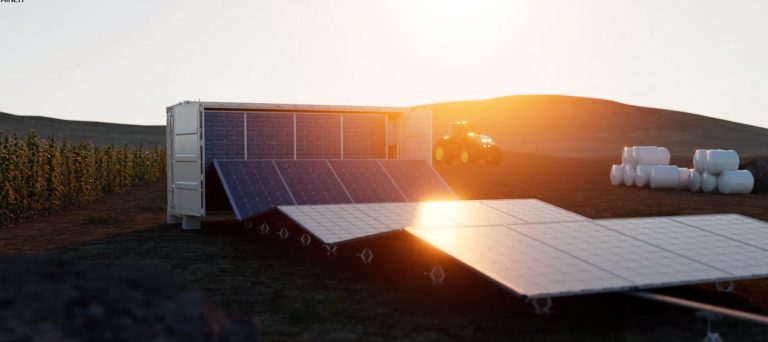
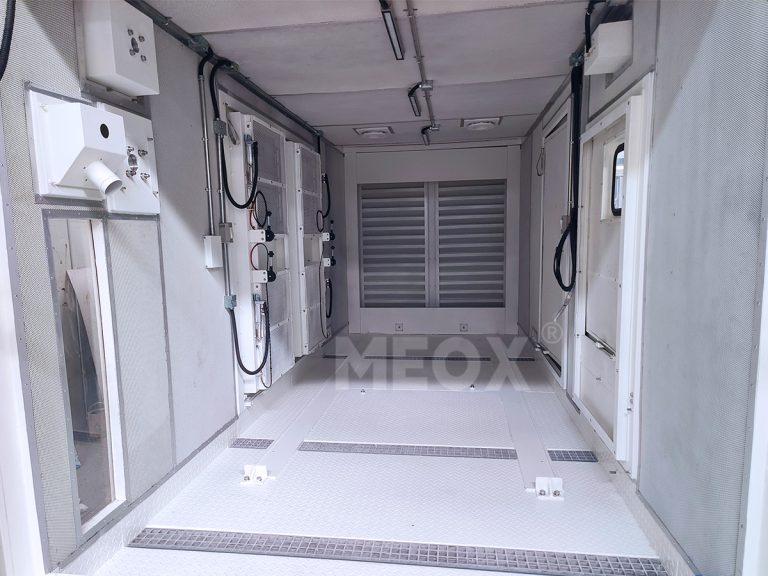
Solar-driven agriculture merges solar energy production with farming on the same land. This model uses sunlight to generate electricity while growing crops or raising livestock. It creates dual revenue: farmers sell both clean power and agricultural products. For example, solar shipping containers combine solar panels, batteries, and smart systems. These units power irrigation pumps or climate controls without grid access.
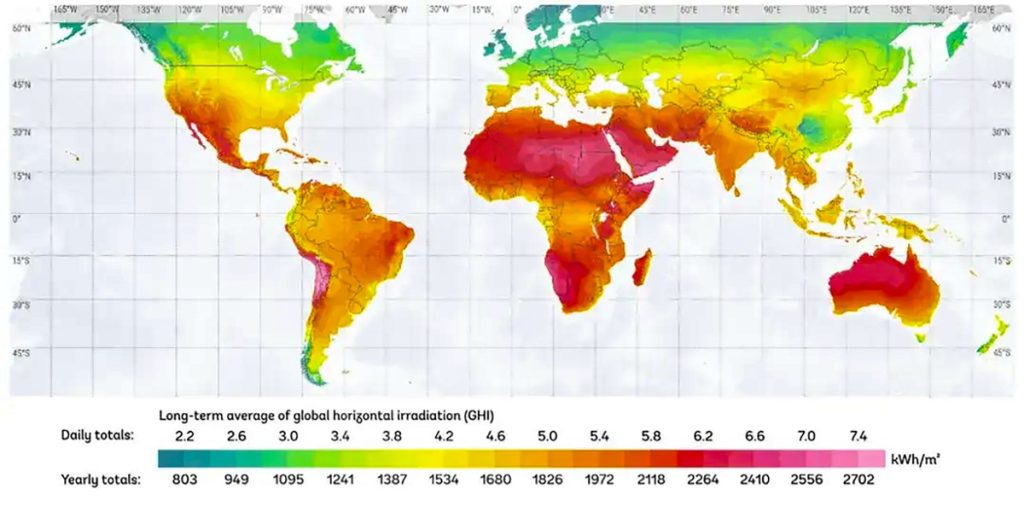
Regional adoption varies globally. Asia-Pacific leads the $6.46 billion agrivoltaics market, holding over 40% of global revenue in 2024. China and India drive growth through rural solar projects. Europe follows, supported by the EU’s renewable energy goals. North America remains steady, led by U.S. corporate farms. South America grows slowly. Africa and the Middle East lag due to funding and infrastructure gaps.
Solar-powered shipping containers solve critical challenges. They provide off-grid energy for remote farms. In Kenya, these units cut diesel irrigation costs by 60%. Vertical farms in Tokyo use them to maintain optimal temperatures. Their mobility suits disaster-prone areas or seasonal operations.
The benefits are clear. Solar shipping containers reduce energy expenses and land waste. They enable year-round production through a stable power supply. A single unit can support 20 acres of drip irrigation. As solar costs drop, small farmers gain access to this technology.
Solar-driven agriculture is more than innovation—it’s necessity. It ensures food and energy security in a changing climate. Solar powered shipping containers exemplify this shift, turning sunlight into sustainable growth.

Types and Models
Solar-driven agriculture combines renewable energy with farming through diverse models and systems. Solar shipping containers and solar powered shipping containers play critical roles in enabling these solutions. Below we break down key agrivoltaic models and applications.
2.1 Three Operational Models
Grid-Connected Systems
These systems feed excess solar power into public grids. Farmers earn income by selling electricity. For example, a Japanese strawberry farm uses rooftop panels to power greenhouses while supplying energy to local grids.
Off-Grid Systems
Off-grid setups rely on independent solar storage. Solar-powered shipping containers are ideal here. They provide energy for irrigation in remote Kenyan farms or refrigeration in Chilean vineyards without grid access.
Hybrid Systems
Hybrid models blend grid and off-grid capabilities. A California almond farm uses solar shipping containers as backup power during outages while selling surplus energy daily.
2. 2 Eight Major Agrivoltaic Types
(1)Solar shipping container + Vegetables/Fruits
By organically combining photovoltaic power generation with agricultural cultivation, the agricultural industry can be driven toward transformation and upgrading. For crops, one can grow aerospace-grade vegetables or shade‐loving plants, or develop agritourism activities.
(2)Solar shipping container + Mushrooms
On idle land, fast‐growing plants can be cultivated alongside mushroom farming to recycle waste resources and alleviate the environmental pressure caused by large volumes of spent mushroom substrate.
(3)Solar shipping container + Livestock
Photovoltaics combined with animal husbandry can take the form of free‐range grazing or shaded livestock sheds. Suitable animals include sheep, pigs, chickens, dairy cows, beef cattle, wild rabbits, and other mainly herbivorous species.
(4)Solar shipping container + Fishery (Agrivoltaics)
By installing solar panels over fish ponds, you can generate electricity while simultaneously farming aquatic species below, making dual use of the same land and significantly boosting profits compared to standalone aquaculture.
Current agrivoltaic systems are mainly classified as closed, open, floating, or spanning installations, typically built over lakes, rivers, ponds, streams, subsidence zones of coal mines, or rice paddies used for fish farming.
(5)Solar shipping container + Forestry
“Agroforestry photovoltaics” often involves horticulture, forestry, and orchard integration. With forestry policies becoming more flexible, there is room for innovation. In this model, shade‐tolerant ornamental plants and nursery stock are grown under photovoltaic greenhouses, either fully enclosed or open.
(6)Solar shipping container + Medicinal Herbs
Medicinal herbs can be cultivated in certain regions under photovoltaic setups, especially shade‐loving species that thrive in cool, moist mountain areas, seamlessly combining herbal cultivation with solar power generation.
(7)Ecological Photovoltaics
Unused lands such as barren hillsides, saline‐alkali soils, and abandoned coal‐mining areas can be developed into ecological photovoltaic power stations. This approach achieves both environmental protection and economic benefits, while allowing these lands to recuperate.
(8)Solar shipping container + Water Conservancy
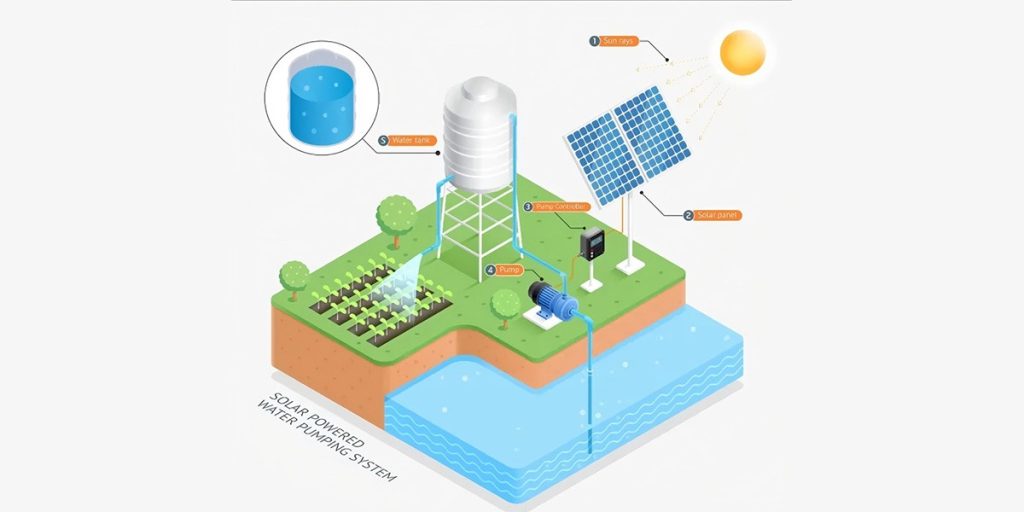
In remote rural areas—particularly mountainous regions and islands—photovoltaic systems can not only meet agricultural and household power needs but also drive the development of modern irrigation technologies, such as mechanized pumping and water‐saving irrigation. This saves labor, capital, materials, and electricity.
Solar Shipping Containers for Farming: Key Features and Innovations
(1) Mobility & Rapid Deployment
Solar shipping containers excel in portability. The system deploys a 100kW solar array in 2 hours. Traditional solar farms take 6 months to build. These containers use foldable steel frames and plug-and-play components. Farmers can relocate units as seasons change or disasters strike.
A standard 20ft container holds 120 high-efficiency solar panels. These dual-sided panels generate 480W each. The design cuts setup time by 90% compared to fixed installations.
(2) Energy Independence
Off-grid farms benefit most. Diesel power costs 0.50/kWh in Africa,while solar powered shipping containers deliver energy at0.08/kWh. They power irrigation pumps, LED grow lights, and cold storage. A Kenyan maize farm using these units reduced water waste by 40% and boosted yields by 25%.
Hybrid systems provide backup during outages. A California vineyard uses solar shipping containers to maintain refrigeration during grid failures while selling excess power daily.
(3) Land Efficiency
Agrivoltaic systems increase land productivity by 30-60%. Vertical farms maximize space: Dutch company PlantLab stacks hydroponic layers inside containers topped with solar panels. This approach yields 20x more crops per square meter than traditional fields.
Floating solar farms on fish ponds (aquavoltaics) show similar gains. Vietnam’s tilapia farms using this model saw 30% higher fish production.
(4) ESG Compliance
Each 20ft solar shipping container cuts 15 tons of CO₂ annually, equivalent to planting 200 trees. Policy incentives boost adoption: the U.S. offers 30% tax credits, while EU farmers earn carbon credits.
In India, solar cold storage units reduced fruit spoilage from 30% to 8%. Colombian coffee growers use solar-powered shipping containers for on-site bean drying, slashing transport emissions.
(5) Technical Specifications
Core Components
Solar Panels: Bifacial modules
Storage: Lithium iron phosphate batteries
Smart Controls: AI-driven apps monitor performance and predict maintenance needs
(6) Customization
Small farms: 10kW systems ($15,000) cover 5-acre irrigation
Large operations: 100kW clusters with cold storage (ROI: 5-7 years)
(7) Overcoming Challenges
Heat Management
Double-glass panels and active cooling prevent efficiency loss in deserts. Saudi tomato farms using these solutions maintain stable yields at 45°C.
Land Rights
Kenya’s Kipeto model proves collaboration works. Developers lease land from communities, sharing profits while preserving grazing rights.
Skills Gap
India’s ISA trains farmers via AR tools. Microsoft HoloLens guides users through maintenance tasks on solar shipping containers.
(8) Global Applications
Arctic Farms: Iceland’s Friðheimar grows tomatoes year-round in solar-heated containers
Urban Vertical Farms: Singapore’s Sustenir produces lettuce in modular units
Disaster Response: Philippine typhoon zones use mobile units for rapid crop recovery
Solar shipping containers address critical needs: mobility, cost savings, and sustainability. Solar powered shipping containers empower farmers to achieve energy and food security simultaneously. As technology advances, these systems will become standard tools for resilient agriculture worldwide.
Long-term Benefits of Agrivoltaics Systems
Agrivoltaics is a new mode of photovoltaic application. It pairs solar shipping container modules with crops. It differs from large ground PV plants. It has many benefits.
(1) Meets farm power needs and generates revenue
Agrivoltaics uses rooftop panels. The solar shipping container panels on greenhouse roofs power temperature control, irrigation, and lighting. Farmers can sell power to the grid. They gain extra profit. They can also offset peak‑hour rates. This reduces their overall energy budget. It makes farm operations more resilient to price spikes.
(2) Eases land conflict and promotes sustainability
The location of the solar shipping container is flexible. It does not occupy fields permanently. It preserves land use. It supports sustainable social and economic development. It allows crops and power generation to coexist. It protects arable land from being converted. This integration helps balance food security and clean energy goals.
(3) Let PV and crops choose each other
Agrivoltaics adapts to crop light preferences. It chooses panels with specific light transmission. It matches crop needs under the panels. It can optimize for shade‑tolerant vegetables or fruits. It can also adjust for full‑sun crops by raising the panel height. This dynamic matching improves both yield and efficiency.
(4) Boosts efficiency and farmer income
Agrivoltaics relies on technology. It improves farm management. It raises labour quality. It drives regional tech adoption. It becomes a pillar industry. It encourages precision agriculture tools. It supports data‑driven decisions on watering and fertilization. This tech infusion attracts young talent back to rural areas.
(5) Delivers multiple income streams
Agrivoltaics provides crop yield income. It delivers PV subsidies. It offers solar shipping container power sales. It saves farm electricity costs. The solar shipping container system works above the crops. It maximizes land use. It secures stable returns. It adds value through carbon credits. It can create new jobs in installation and maintenance.
Overall, agrivoltaics is more than a dual-use concept. It is a sustainable model for the future of farming and clean energy.
The Future of Solar-Driven Agriculture: Trends Shaping Tomorrow
Solar-driven agriculture is evolving rapidly. Solar shipping containers and solar-powered shipping containers will play pivotal roles in this transformation. Three key trends define the future.
- Policy-Driven Expansion
Governments prioritize rural revitalization. China’s Rural Revitalization Strategy (RRS) integrates land reform with solar farming. Incentives for smart greenhouses and agrivoltaics accelerate adoption. The U.S. and EU offer tax breaks for solar shipping containers in off-grid farms.
- Land-Efficient Innovations
High-yield systems avoid new land use. Rooftop solar greenhouses increase crop output by 40% without extra space. Solar-powered shipping containers enable vertical farming in urban areas. A Singapore lettuce farm produces 20x more per square meter than traditional fields.
- Global Investment Surge
The World Bank plans $35 billion for African solar-agriculture projects. Funds target solar shipping containers for irrigation and cold storage. Kenya’s dairy cooperatives now use these units to cut milk spoilage by 80%.
- Technology Integration
AI and IoT enhance efficiency. Israeli farms pair solar-powered shipping containers with soil sensors for precision watering. Hydrogen fuel cells may replace diesel hybrids by 2030.
- Climate Resilience
Solar solutions address extreme weather. Floating solar shipping containers in Bangladesh power flood-resistant rice farms. Desert projects in Saudi Arabia use them for drought-proof tomato cultivation.
The future is clear: Solar agriculture will merge food and energy production. Solar-powered shipping containers will empower small farmers while cutting emissions. With global funding and smarter tech, this sector could feed millions sustainably.
MEOX Solar Shipping Containers
MEOX is the flagship brand of Suzhou Zhongnan Intelligent Equipment Co., Ltd. The company leads in the special equipment and container integration sector. Its factory spans 15,000 m². We house advanced smart production lines. We maintain a rigorous quality management system. We can produce up to 300 TEU annually. MEOX delivers high‑quality Solar Shipping Containers at scale.
The team drives innovation with “intelligent transformation and digitalization.” We cover end‑to‑end solutions. We handle design, structural fabrication, equipment integration, and on‑site commissioning. We serve clients in renewable energy, electrification, and beyond. We support green growth and industrial upgrades.
MEOX has seven years of overseas experience. We operate in more than 50 countries. We partner with over 30 international agents. We offer fast, flexible responses. The company holds BV, CE, ISO 9001, and ISO 14001 certifications. We also earned high‑tech and “Specialized, Refined, Differential, and Innovative” SME titles. We received the “Gazelle Enterprise” award.
MEOX works with leading firms such as ABB, Bosch, and Envision Energy. We have completed multimillion‑dollar projects overseas. Projects include photovoltaic energy storage containers, integrated power distribution units, and purification equipment containers. MEOX delivers safe, stable, and tailored Solar Shipping Containers. We ensure every client receives top‑tier products and services.