In hot regions, power is not just about comfort. It is about keeping operations running. Whether for homes, construction sites, or industrial use, a reliable backup system is essential. Many buyers focus only on the purchase price. But the real cost of a whole house generator is more complex.
High temperatures change how systems perform. They affect fuel use, maintenance needs, and equipment lifespan. They also influence how an emergency power generator should be selected and installed.
This article explains the key factors that shape the whole house generator cost in high-temperature areas. It also looks at how diesel generator containers and foldable solar containers can help control long-term expenses.
Why Does Whole House Generator Cost Increase in High-Temperature Areas?
Heat puts extra pressure on any power system. This directly impacts overall generator expenses.
First, cooling becomes critical. Generators need stronger airflow systems to prevent overheating. This adds to the design and manufacturing cost.
Second, performance can drop in extreme heat. A diesel-based emergency power generator may need to work harder to deliver stable output. This leads to higher fuel consumption.
Third, environmental conditions are often harsher. High temperatures usually come with dust and humidity. This requires better protection, such as sealed enclosures and durable materials.
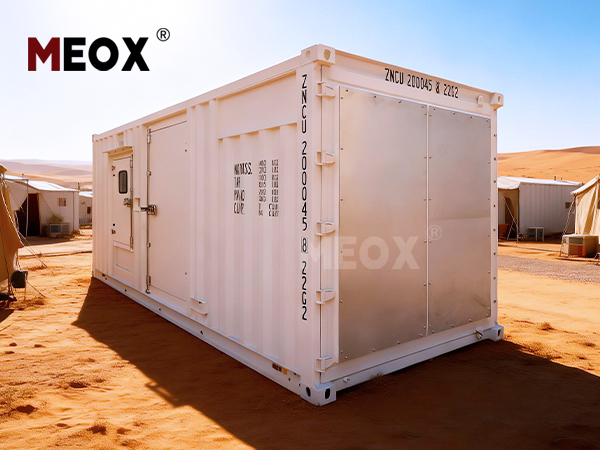
A diesel generator container is designed to handle these conditions. It integrates ventilation, insulation, and structural strength into one unit. This helps control long-term costs by reducing failures and downtime.
What Equipment Factors Affect Whole House Generator Cost?
Equipment choices play a major role in the total investment. Not all systems are built for hot environments.
Generator Type
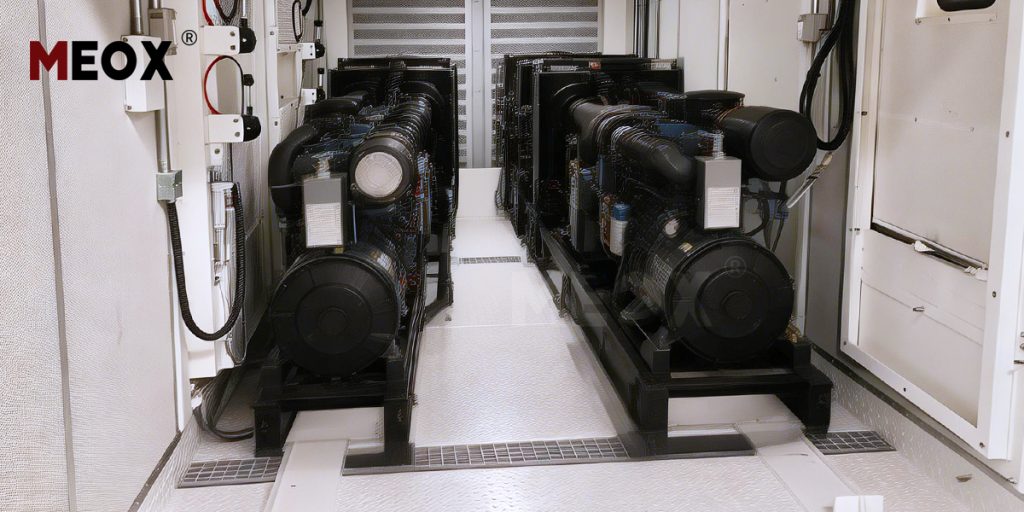
Diesel generators are a common choice. They are stable and reliable. A containerized diesel generator combines the generator and enclosure into one system. This simplifies deployment.
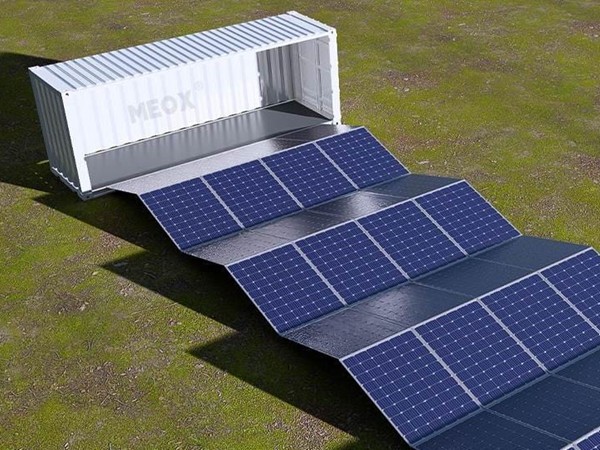
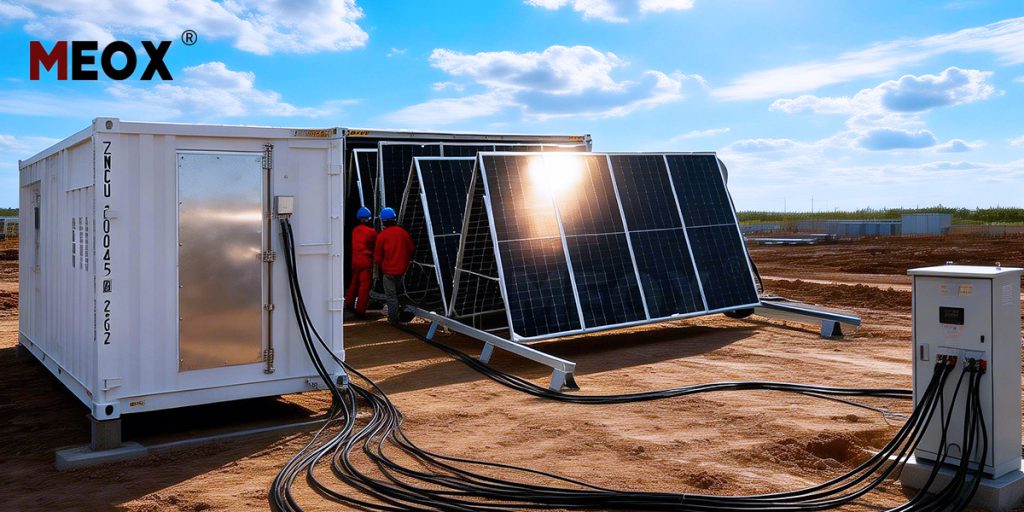
Solar solutions are also used in many projects. In this case, solar refers to foldable photovoltaic containers. These systems provide clean energy and reduce reliance on fuel. However, they usually come with a higher upfront whole house generator cost.
Power Capacity
Power demand directly affects pricing. Larger systems cost more. Choosing the right size is important. Oversizing increases expenses without adding value. Undersizing creates performance risks.
Cooling and Protection Design
In high-temperature areas, cooling systems must be stronger. Heat-resistant components are also needed. These features increase the initial investment, but they reduce long-term risks.
How Does Installation Impact Whole House Generator Cost?
Installation is often overlooked, but it is a key part of the total cost.
Site Preparation
Traditional generator setups require foundations and protective structures. This increases labor and material costs.
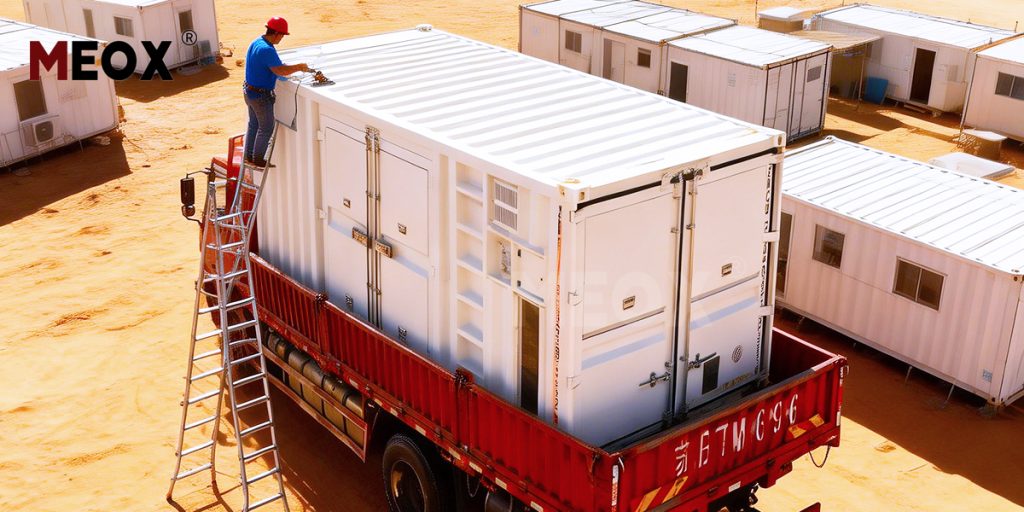
A containerized emergency power generator reduces this need. It arrives as a ready-to-use system. This lowers installation complexity and helps control overall expenses.
Transportation
Remote and hot areas often have limited infrastructure. Transporting equipment can be difficult.
A diesel generator container is easier to move because it is a single unit. This reduces logistics costs and helps manage the budget.
Setup Time
Faster installation reduces labor expenses. It also allows projects to start sooner. This is important for construction and temporary sites where time matters.
What Are the Operating Costs of an Emergency Power Generator?
Costs continue after installation. Daily operation plays a major role.
Fuel Consumption
Fuel is one of the largest ongoing costs. Diesel generators consume more fuel in high temperatures.
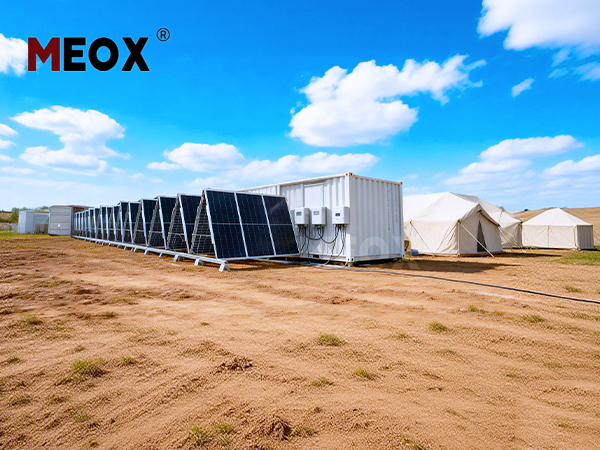
A hybrid setup can help. A solar container supports daytime energy use. This reduces the load on the diesel emergency power generator and lowers fuel consumption.
Maintenance
Heat increases wear and tear. Regular maintenance is necessary to keep systems running.
A containerized system makes maintenance easier. Components are protected and organized. This helps reduce long-term operating costs.
Equipment Lifespan
High temperatures can shorten equipment life. A well-designed system lasts longer. This reduces replacement costs and keeps expenses under control.
Is a Diesel Generator Container More Cost-Effective?
Many buyers compare traditional setups with containerized solutions.
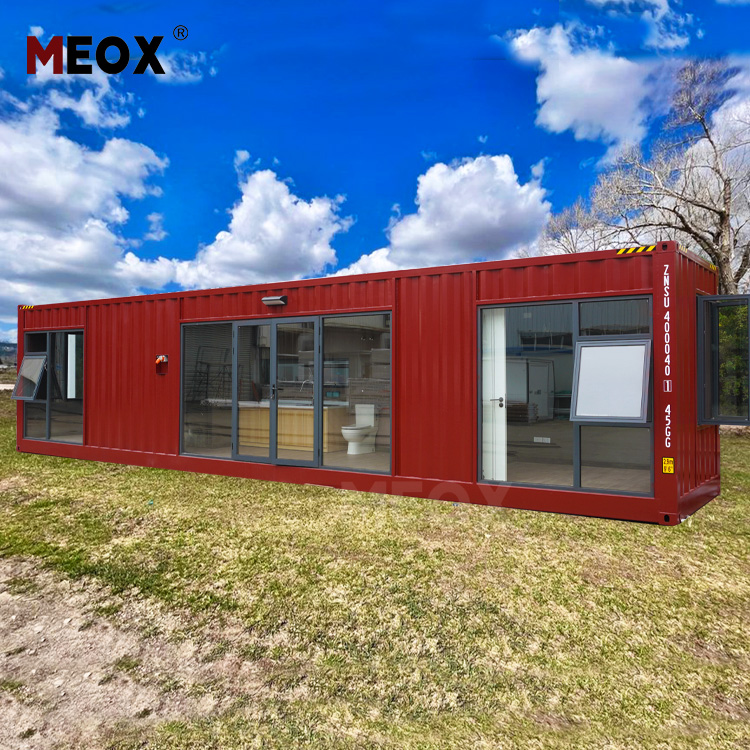
A diesel generator container integrates multiple functions. It includes structure, protection, and power generation in one unit. This reduces the need for additional construction.
In hot environments, this design offers better durability. It protects the generator from heat and external conditions.
The upfront whole house generator cost may be higher. However, the total cost over time is often lower. Reduced installation work, lower maintenance, and better reliability all contribute to savings.
Can Solar Containers Reduce Whole House Generator Cost?
Solar containers provide another way to manage energy costs.
These systems use foldable photovoltaic panels. They can be deployed quickly and work well in sunny regions.
They do not fully replace diesel generators. Instead, they support them. During the day, solar power reduces the workload of the diesel emergency power generator.
This leads to lower fuel consumption and reduced operating costs. Over time, this can significantly lower the overall whole house generator cost.
However, solar containers require a higher initial investment. Buyers should focus on long-term savings rather than just upfront cost.
What Hidden Costs Do Buyers Often Miss?
Some costs are not obvious at the beginning. These hidden factors can increase total expenses.
Downtime Costs
If a generator fails, operations stop. This can lead to financial losses. Reliability is more important than the lowest price.
Environmental Adaptation
Systems that are not designed for high temperatures may fail more often. This leads to repair and replacement costs.
Future Expansion
Power needs can grow over time. A flexible emergency power generator system can adapt to new demands.
Containerized solutions make expansion easier. Additional units can be added without major changes.
How to Optimize Whole House Generator Cost for Your Project
Managing costs requires careful planning.
Start with a clear understanding of your power needs. Avoid oversizing or undersizing.
Choose equipment designed for hot climates. Durability is more important than saving money upfront.
Consider hybrid systems. Combining diesel generator containers with solar containers can balance cost and efficiency.
Focus on the full lifecycle cost. It includes purchase, installation, operation, and maintenance.
Conclusion
The whole house generator cost in high-temperature areas depends on many factors. Equipment, installation, and operating conditions all play a role.
A reliable emergency power generator must handle heat, dust, and long working hours. Diesel generator containers provide strong protection and easy deployment. Solar containers add flexibility and reduce fuel use.
By looking beyond the initial price, buyers can make better decisions. A well-planned system will deliver stable power and lower long-term costs.