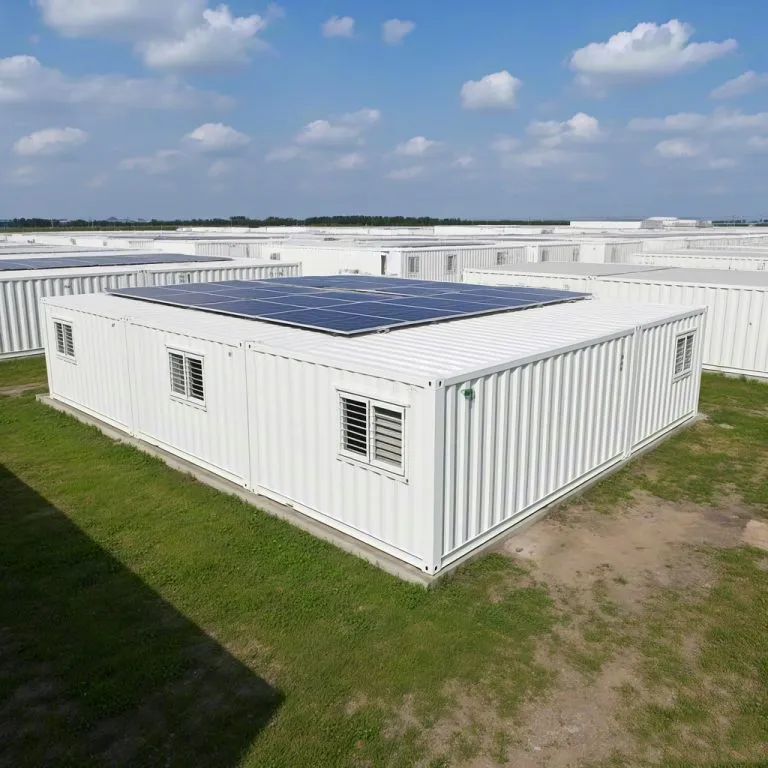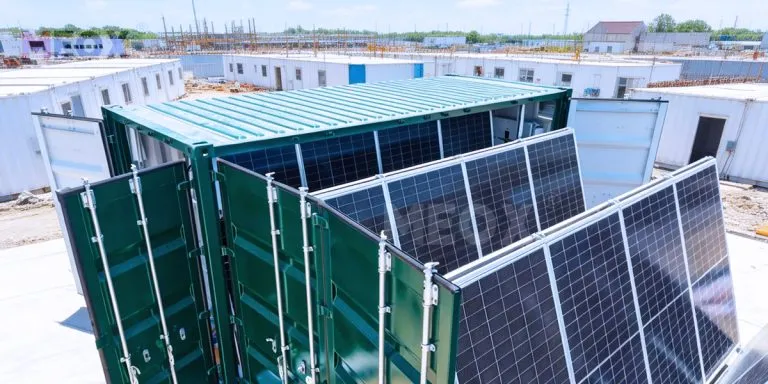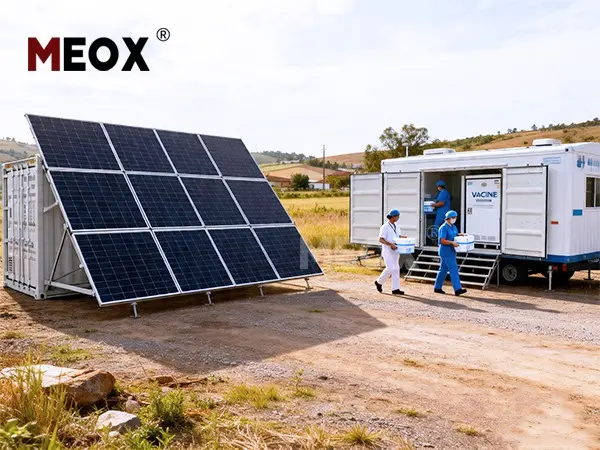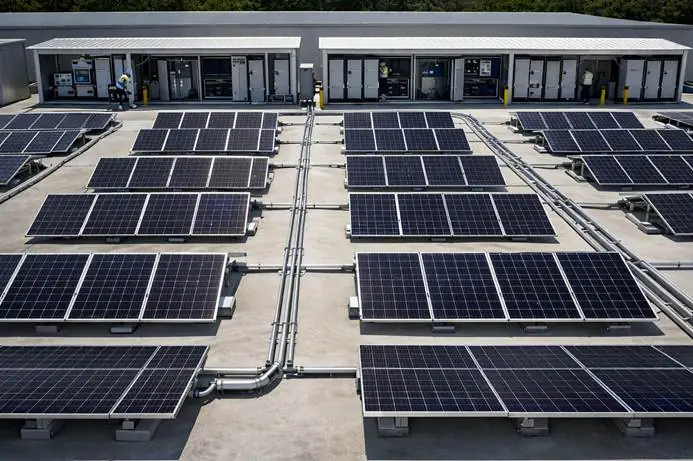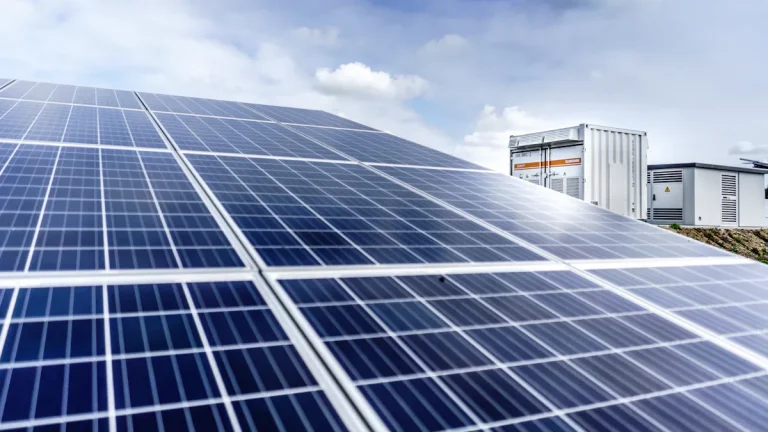
You need five main solar system parts for a strong off grid solar system in a container:
Solar panels
Charge controllers
Battery storage
Inverters
Monitoring systems
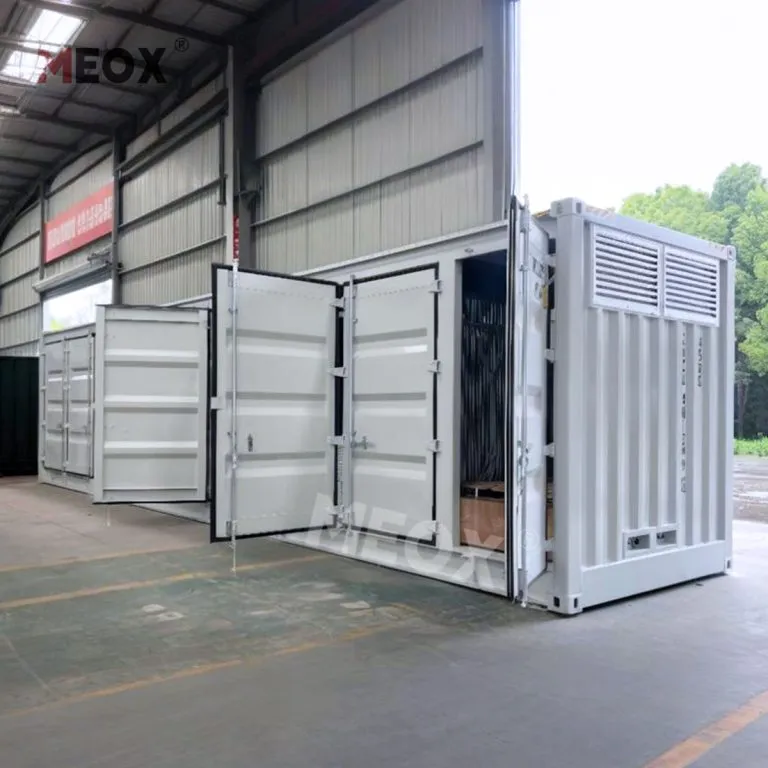
Each part works with the others to give you steady power and real energy freedom. MEOX’s new Mobile Solar Container puts these parts together for a trustworthy off grid solar system.
Key Solar System Parts
Overview of Off Grid Solar System
If you want an off grid solar system, you need five main parts. These are solar panels, charge controller, battery storage, inverter, and monitoring system. Each part does something important. Solar panels grab sunlight and make electricity. The charge controller makes sure the battery gets the right amount of power. It stops the battery from getting too full or too hot. Battery storage saves extra energy for times when there is no sun. The inverter changes the saved power from DC to AC. Most things you plug in use AC power. The monitoring system helps you see how your solar system is working right now.
Here’s a simple look at what each part does:
Component | Main Function |
|---|---|
Solar Panels | Take sunlight and make electricity for your solar system. |
Charge Controller | Keeps battery charging safe and stops it from getting too full or hot. |
Battery Storage | Holds extra power for nighttime or cloudy days. |
Inverter | Switches DC power from batteries to AC power for your stuff. |
Monitoring System | Shows you how your system is doing and helps you find problems fast. |
System Integration
All these solar system parts need to work together for good off grid power. Solar panels send energy to the controller. The controller keeps battery storage safe. The inverter lets you use this power for lights or tools. The monitoring system tells you how things are going, so you know your system works well. MEOX container solutions, like the Mobile Solar Container, put all these parts in one easy package. This setup gives you freedom from the grid, quick setup, and strong solar power anywhere you want.
Solar System Parts: Solar Panel Selection
Choosing the Right Solar Panel
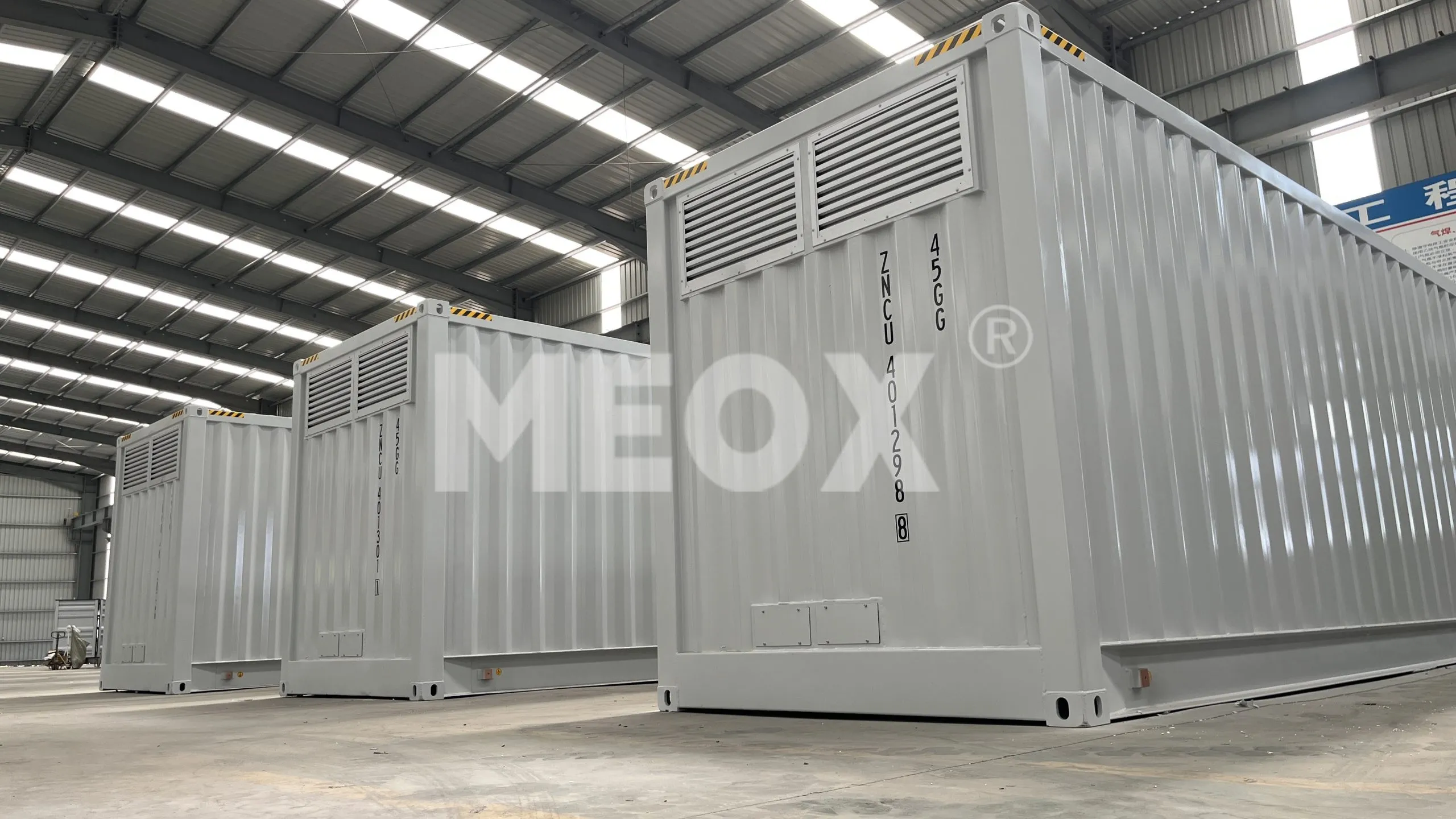
Picking the best solar panel for your off grid container setup can feel tricky, but you can make it simple by following a few steps. First, think about what you want your solar panel system to do. Do you need to power lights, tools, or maybe a small fridge? Next, figure out how much energy you use each day. You can use a load calculator or just list out your devices and their power needs.
Here’s a quick checklist to help you choose:
Decide on the type of solar panels. Monocrystalline panels work best for most container setups because they give you higher efficiency and save space.
Check the quality and grading of the panels. Look for trusted brands and good reviews.
Make sure the panels fit your available space. Measure your container roof or mounting area.
See if the panels match your battery and inverter. Compatibility is key for a smooth solar power system.
Look for certifications and warranties. These show the panels are reliable and built to last.
Think about the environment. If your site gets very hot or has lots of shade, pick panels that handle those conditions well.
Tip: Monocrystalline solar panels often reach over 22% efficiency, which means you get more power from less space.
MEOX Mobile Solar Container Features
When you pick a MEOX Mobile Solar Container, you get more than just solar panels. You get a full system designed for quick setup and strong performance. The container uses a modular design made from tough, corrosion-resistant steel. This keeps your solar panels safe in harsh weather.
The panels mount on the roof and use sun-tracking technology. This means they follow the sun and boost energy capture by up to 26%. The system comes with high-capacity lithium-ion batteries, so you have power even at night. You can choose between 20ft and 40ft container sizes, depending on how much solar power you need.
The whole system is plug-and-play. You can set it up fast, and it works right away. MEOX containers also have IP65 waterproof ratings and CE/UL safety certifications. This makes them a smart choice for remote sites, construction zones, or anywhere you need reliable solar power.
Solar System Parts: Charge Controller Role
Importance in Off Grid Solar System
A solar charge controller is very important for your off grid solar system. It works like a smart guard for your batteries. The controller makes sure your batteries get the right amount of power. Too much energy can hurt your batteries. The controller stops this from happening. It also keeps power from going back to your solar panels at night. This helps protect your panels from damage.
Here’s what a solar charge controller does for your system:
Makes battery charging safe by watching voltage and current.
Stops batteries from getting too full or too empty.
Keeps your solar panels safe from reverse current.
Checks battery voltage all the time.
Makes sure power only goes from solar panels to batteries.
Check out this table for more details:
Role/Function | Explanation |
|---|---|
Optimize Battery Charging | Matches voltage and current for best energy capture. |
Prevent Overcharging | Stops charging when batteries are full. |
Prevent Deep Discharging | Stops batteries from losing too much power. |
Protect System Components | Guards against too much power or short circuits. |
Enhance Safety | Lowers the chance of electrical problems or fires. |
Adapt to Environmental Changes | Changes settings for sunlight and weather. |
Extend System Longevity | Helps batteries and inverters last longer. |
Advanced Features (MPPT) | Makes charging work better, up to 99.9% efficient. |
Types and Selection Tips
When you pick a solar charge controller, you need one that fits your system. MPPT controllers are the best for off grid solar systems. They can get up to 30% more energy than PWM controllers. MPPT controllers work with many voltages, like 12V, 24V, or 48V.
Here are some tips for choosing the right controller:
Make sure the controller’s current rating is higher than your system’s max current. Add 25-40% more for safety.
Look for safety features like overcharge protection, reverse polarity protection, and temperature checks.
Pick a controller with an easy display or a phone app.
Choose a model that lets you add more panels later if needed.
Check for strong build and a good warranty.
Some popular models are MidNite Solar Classic MPPT 150, Outback FLEXmax MPPT 80A, Morningstar TriStar MPPT 60, and Schneider Electric MPPT 60 150. These controllers are efficient, let you check them from far away, and keep your solar system safe.
Solar system parts: Battery Storage Solutions
Energy Storage for Off Grid Solar
You need good battery storage to keep your solar system working all the time. Solar batteries save extra energy from your solar panels. This way, you have power at night or when it is cloudy. Picking the right battery helps you worry less about losing power.
Here’s how you can pick and size your battery storage:
Write down every device you want to use. Note how many watts each one uses and how long you use it each day.
Add up all the watt-hours (Wh) you need in a day.
Divide your total Wh by the battery voltage, like 12V, 24V, or 48V. This gives you the amp-hours (Ah) you need.
Think about depth of discharge (DoD). Lead-acid batteries can use about half their power. Lithium solar batteries can use almost all their power. Divide your Ah by the DoD number.
Add 15-25% more for safety. This helps if you use more power or if it is cloudy.
Make sure your inverter can run all your devices, even if they need extra power to start.
Tip: Always guess low for sunlight hours. This helps you pick enough batteries and keeps your system working well all year.
Here is a table that compares two common battery types for solar storage:
Battery Technology | Lifespan (Cycles/Years) | Efficiency | Depth of Discharge (DoD) | Maintenance | Cost | Environmental & Safety |
|---|---|---|---|---|---|---|
Lithium-ion (LiFePO4) | 10,000 / 10-20 years | >95% | 80% or higher | Almost no maintenance | Costs more at first | Safer, stable, less toxic |
Lead-acid | 300-700 / 3-5 years | 80-85% | ~50% | Needs regular checks | Cheaper at first, costs more later | Toxic lead, corrosive acid |
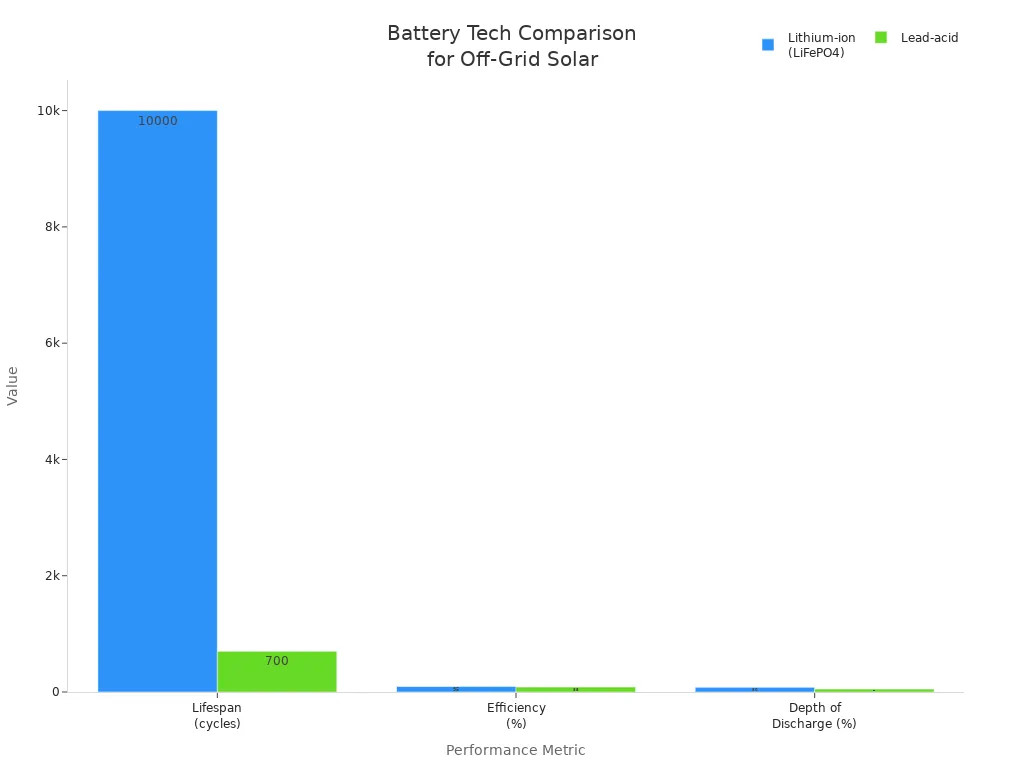
Lithium solar batteries last longer and work better than lead-acid batteries. They give you more cycles, higher efficiency, and need less care. That is why most new off grid solar systems use lithium-ion batteries.
MEOX Battery Technology
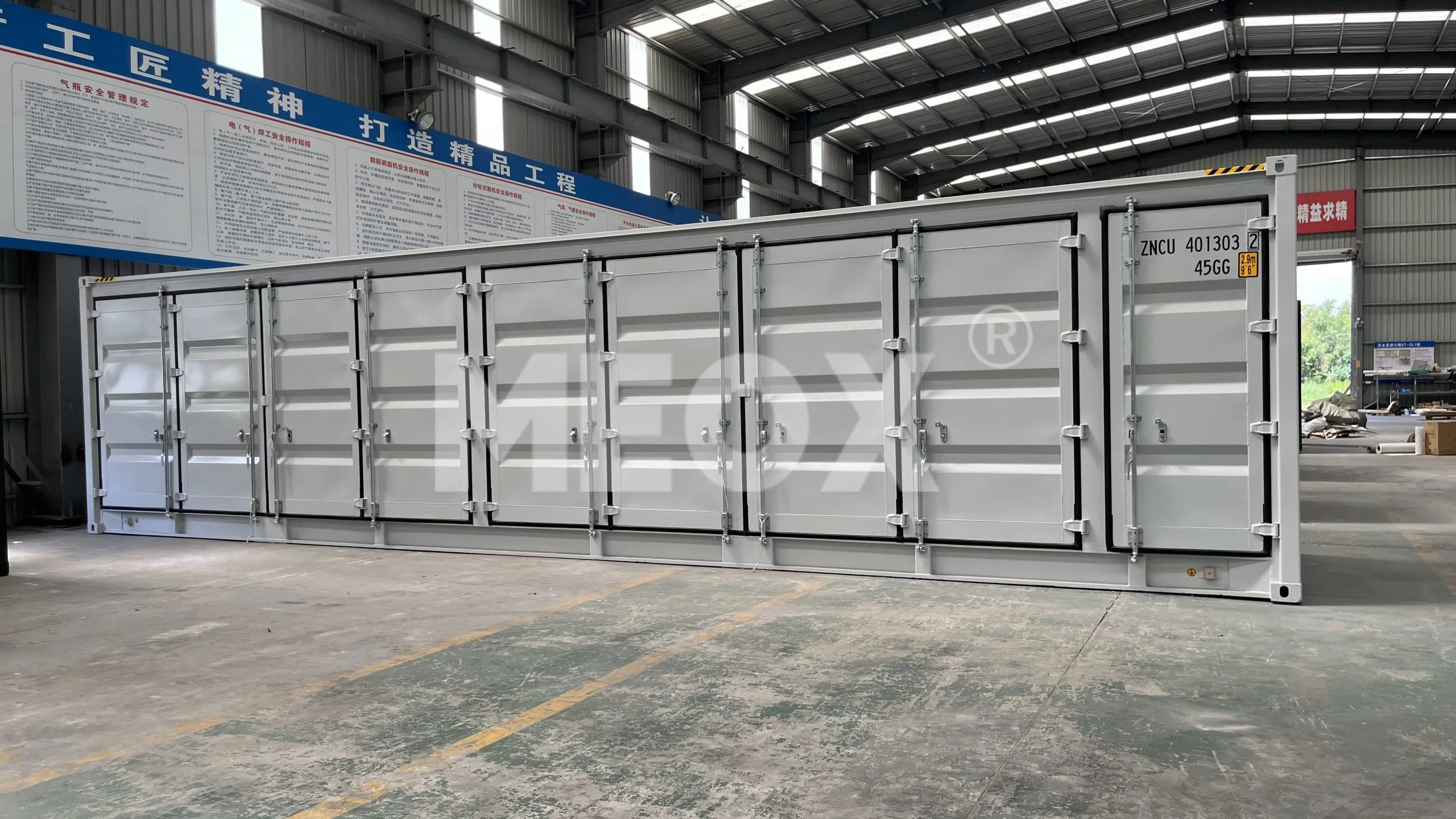
MEOX gives you strong battery storage for your solar system. You get lithium-ion and flow batteries in tough, easy-to-move containers. These batteries come with smart inverters and controllers in one safe box.
You can add more containers to get more battery storage.
The design makes setup and care easy, so you save time and money.
Your batteries are safe from weather and dust, so they last longer.
Smart battery systems help charge and use power the best way, so you waste less energy.
You can use these batteries with solar or wind power for steady energy.
With MEOX, you get battery options that are reliable, flexible, and save money. Your batteries work together to keep your lights and tools running, no matter where you are.
Solar System Parts: Inverter and Power Conversion
Inverter Types for Solar Systems
If you have an off grid solar system, you need an inverter. The inverter changes DC electricity from your solar panels into AC power. AC power is what most devices use. There are two main inverter types for solar systems.
Pure Sine Wave Inverter: This inverter gives you smooth AC power. It works well with sensitive electronics like laptops and TVs. It also works for medical equipment. You get good efficiency and steady power. This helps keep your devices safe.
Modified Sine Wave Inverter: This inverter costs less. It works for simple things like lights and fans. The AC power is not as smooth. It is not great for sensitive electronics.
Here is a table to compare the two inverter types:
Inverter Type | Best For | Key Features |
|---|---|---|
Pure Sine Wave | All appliances, sensitive tech | Clean power, high efficiency, higher cost |
Modified Sine Wave | Basic appliances, small budgets | Choppier power, lower cost, less efficiency |
When you choose an inverter, make sure it matches your solar panels. It should also work with your battery storage. Look for safety features like overload protection. Remote monitoring is also helpful. These features help your system work well and keep your power steady.
Ensuring Reliable Power Output
You want your solar system to give you steady power all the time. Here are some ways to help your inverter do this:
Use battery management systems to check battery health. These systems help balance charging.
Pick a container battery storage system. It stores and releases energy fast. This helps keep power smooth.
Choose a modular system. You can add more storage or panels if you need more power.
Add power capacitors. They help keep voltage steady and stop sudden drops.
Connect your system to a monitoring service. This helps you find problems early and fix them quickly.
Tip: Check your inverter often and clean it. This helps your solar power stay strong and keeps your system working well.
Monitoring and Safety
System Monitoring Essentials
You want your off grid solar system to work well and stay safe. Good monitoring helps you find problems early. This keeps your solar setup working its best. Here are some important features to look for:
State of Charge (SOC) tracking tells you how much battery energy is left.
Internal temperature checks help you see if things get too hot.
Voltage and current checks help you find broken equipment fast.
Protection system status lets you know if safety devices are working.
Alarms and alerts warn you if something is wrong.
Grid frequency and voltage checks help your system handle changes.
Weather tracking helps you get ready for storms or cloudy days.
A strong battery management system (BMS) checks voltage, temperature, and current all the time. It stops batteries from getting too full, too hot, or too empty. Fire suppression and thermal management keep your solar container safe. Circuit breakers and isolation switches let you turn off power fast in an emergency. You can feel calm knowing your system is safe.
MEOX Remote Monitoring
MEOX gives you smart remote monitoring for your solar container. You can check your system anywhere with a phone or computer. Real-time data shows battery health, temperature, and charge levels. If something goes wrong, you get alerts right away. This helps you fix problems before they get worse.
The remote monitoring system uses safe ways to send information and strong cyber security. You get fast updates with enough bandwidth. Time sync keeps your data correct. MEOX’s monitoring makes it easy to take care of your system and find problems fast. You can see patterns and make your system work better over time.
With MEOX, you control your solar power setup. You can see what is happening inside your container. You get safety, steady power, and better performance for your off grid solar system.
Mounting and Installation
Container-Based Panel Mounting
When you put panels on a container, you want them to last. Use strong materials like aluminum or galvanized steel for the frames. These stop rust and protect your panels from bad weather. Some supports let you tilt the panels. This helps you get more sunlight each day. Make sure your frames can handle strong winds or heavy snow. The container gives a strong base, so your panels stay steady.
Some systems have foldable frames with rails. You can lay the panels flat when moving them. When you get there, unfold them to the best angle. This keeps your panels safe and makes setup fast. Look for weatherproof coatings and IP-rated boxes to protect your gear. Many panels meet tough rules like IEC 61215 and IEC 61730. This means they are safe and work well.
Tip: Modular and portable frames make it easy to move your solar setup if you need to change places.
Rapid Deployment with MEOX
You want power quickly, especially far from cities. MEOX makes this simple. Their containers come with panels, batteries, inverters, HVAC, and lights already inside. Most setup is done before the container leaves the factory. When it gets to you, just unfold the panels and plug in a few cables. You can have power in just hours or days.
MEOX uses green materials and saves energy. You get steady power without diesel generators. The modular design lets you add more panels or batteries later. MEOX also helps with cleaning and care, so your system lasts for years. Smart tech inside the container helps you use less energy and stay comfortable.
Good solar panels, deep-cycle batteries, inverters, charge controllers, and monitoring systems all work as a team. They help you have a steady off grid solar setup.
Strong containers, smart controls, and weather protection keep your power safe and working.
MEOX puts all these parts in one place. You get power you can trust anywhere you go. Need something special? Contact MEOX today!
Solar System Parts: FAQ
What are the most important solar system parts for an off grid container?
You need solar panels, charge controllers, battery storage, inverters, and monitoring systems. These parts work together to give you steady power anywhere you go.
Can I add more solar system parts later if my energy needs grow?
Yes! You can add more panels or batteries if you need more power. Modular solar system parts make it simple and quick to upgrade.
How do I know if my solar system parts are working correctly?
Check your monitoring system often. It shows battery levels and power output. You get alerts if something is wrong, so you can fix problems fast.
Further reading:Off-grid cost: solar container vs. diesel generators in 2025