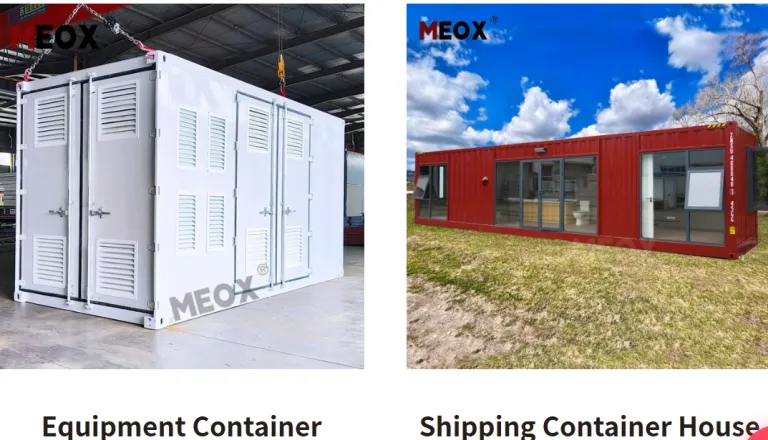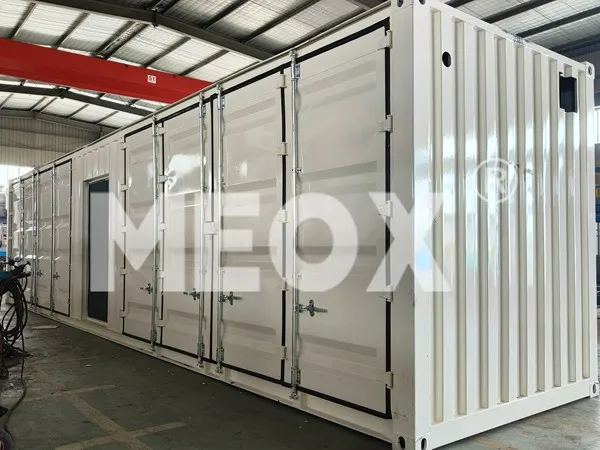
The containerized water treatment plantis an innovation that’s reshaping how we approach water purification, especially in areas where infrastructure is lacking or where access to clean water is a challenge. These systems offer an efficient, flexible, and cost-effective solution to treat water on-site, providing a way for municipalities, industries, and remote areas to access clean, drinkable water. This article will delve into how containerized water treatmentworks, its benefits, and why it’s becoming a preferred choice for many.
With increasing demands for clean water in both urban and rural settings, containerized water treatment plantsystems are a breakthrough solution. By packing advanced water purification technologies into a transportable and scalable container, these plants provide water treatment solutions that are both powerful and efficient.
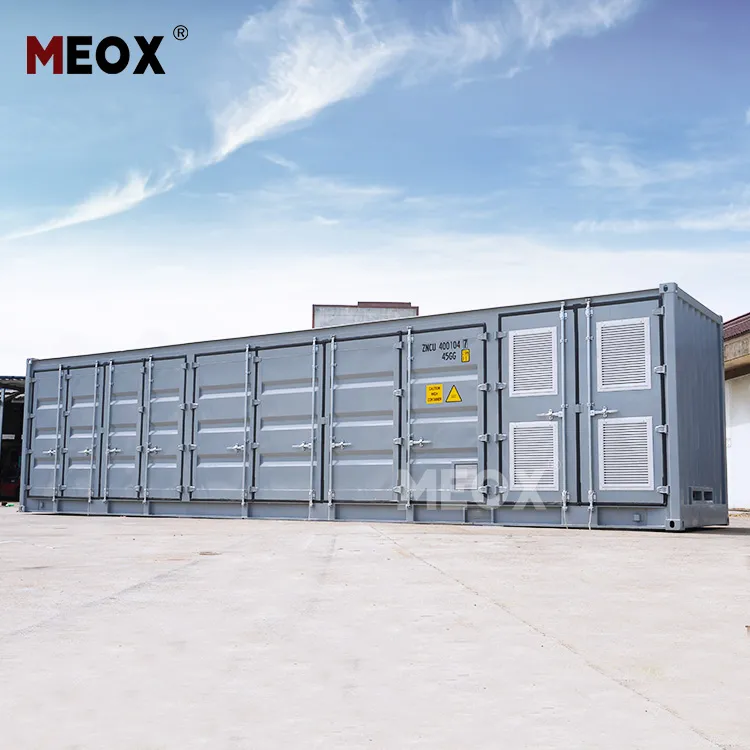
What is a Containerized Water Treatment Plant?
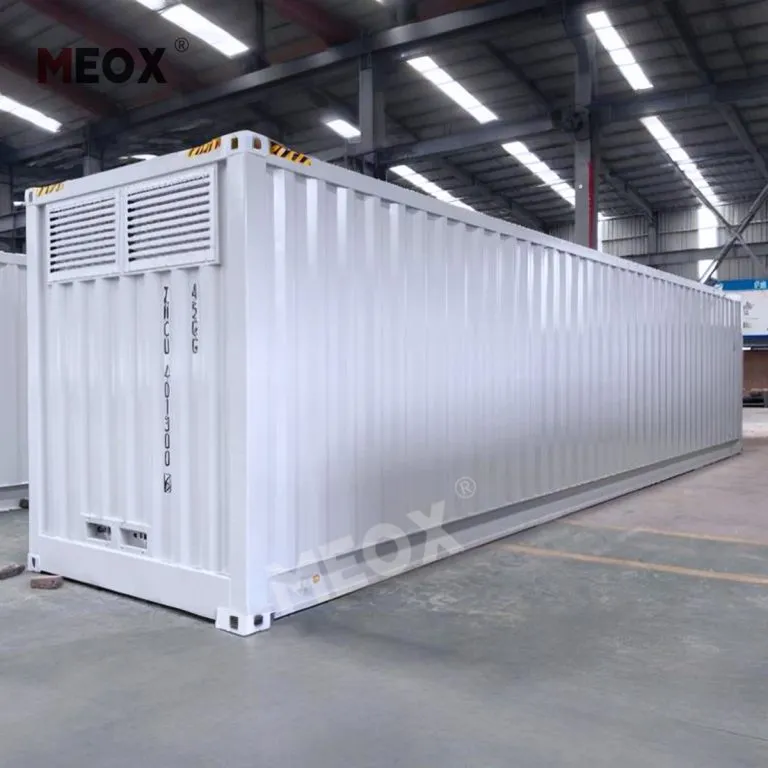
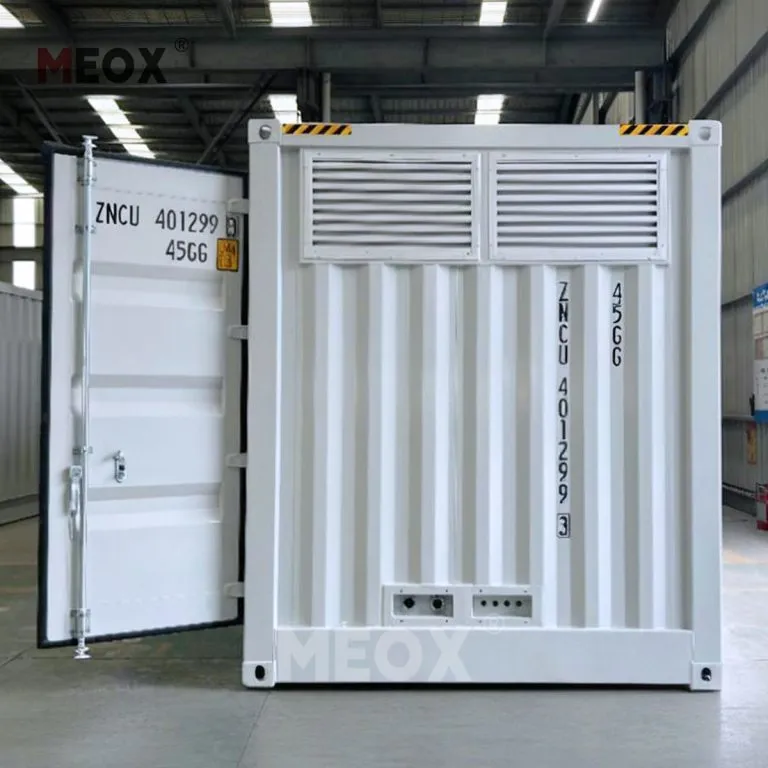
A containerized water treatment plantis a self-contained, portable system that provides water purification and treatment. The system works by utilizing various water treatment technologies like filtration, chemical dosing, reverse osmosis, and UV disinfection to purify water. The beauty of this design is that it allows for easy transport and installation anywhere, from remote communities to construction sites or temporary camps.
These plants are designed to be compact, reducing the space needed to set up an entire water treatment facility. Unlike traditional water treatment plants, which require large plots of land and significant infrastructure, the containerized water treatment plantcomes in a modular format. This means it can be customized to meet specific water treatment needs based on the size of the community or operation. In areas where space is limited, this is a crucial factor that makes the containerized option so appealing.
The system is designed to handle a wide range of water sources, including groundwater, surface water, and wastewater. With various stages of filtration, it can handle different levels of contamination and provide clean water for drinking, industrial use, or irrigation.
The Efficiency of Containerized Water Treatment
Containerized water treatmentsystems offer an efficient solution that can significantly reduce water treatment times compared to traditional methods. Thanks to modern technologies like reverse osmosis (RO) and UV disinfection, water can be treated at much faster rates, and contaminants like bacteria, heavy metals, and other pollutants can be effectively removed.
Additionally, containerized water treatmentsystems are designed to be self-sustaining with built-in power supplies. This is particularly useful in areas where electricity infrastructure is sparse or unreliable. Some systems can even integrate solar power, allowing for an eco-friendly, off-grid solution that’s not dependent on local utilities.
Another key advantage is their scalability. Containerized water treatmentsystems can be scaled up or down based on the volume of water needing treatment. This flexibility is beneficial for both small communities and large industrial operations, allowing for cost-effective solutions regardless of the size of the operation.
Why Choose Containerised Water Treatment Systems?
Containerised water treatment systemsare becoming a top choice for both businesses and governments due to their flexibility and cost-effectiveness. The primary reason why so many are opting for this solution is that they eliminate the need for building large, expensive water treatment plants. These systems can be transported and set up quickly, making them ideal for emergency situations, remote locations, or projects with tight timelines.
Moreover, containerised water treatment systemscan be customized to meet specific water quality standards. For example, industries such as mining, oil, and gas often need to treat water that’s contaminated with chemicals or heavy metals. Containerized water treatmentsystems can be designed to handle these specific contaminants, ensuring that the treated water meets both local and international safety standards.
In addition to industrial applications, these systems can be used in residential settings, especially in areas where access to clean water is limited. With the increasing global demand for sustainable water management, containerized water treatment systemsare providing a viable solution to clean water access in rural and developing regions.
Cost-Effectiveness of the Containerised Water Treatment Plant
When comparing traditional water treatment solutions to the containerised water treatment plant, cost is a major advantage. Setting up a traditional water treatment facility involves high capital costs, including land acquisition, construction, and the installation of infrastructure. In contrast, containerised water treatmentsystems are often much more affordable and quicker to install, making them an attractive option for both large-scale projects and smaller operations.
Additionally, the maintenance costs of containerised water treatment systemsare typically lower than traditional plants, as the systems are designed for ease of operation. With fewer moving parts and automated control systems, these systems can run with minimal intervention, reducing labor and operational costs.
The modular nature of the containerized water treatment plantalso adds to its cost-effectiveness. If a facility or community needs more water treatment capacity, additional containers can be added, and the system can be expanded accordingly, rather than needing an entirely new treatment plant.
Applications of Containerised Water Treatment Systems
The versatility of containerised water treatment systemsmakes them suitable for a wide variety of applications. Whether it’s an industrial operation, a small community, or a temporary disaster relief site, these systems can handle various water treatment needs effectively.
For example, in industrial settings such as mining, where water often becomes contaminated with chemicals or heavy metals, these systems can be designed to remove specific contaminants. Similarly, in disaster-stricken areas where infrastructure has been damaged, containerized water treatmentunits can be deployed quickly to provide access to clean water.
For residential use, especially in rural or off-grid areas, containerised water treatment systemscan ensure that communities have access to purified water without needing expensive infrastructure or utilities. The system can handle a variety of water sources, from rivers and lakes to groundwater and wastewater, making it an incredibly adaptable and practical solution.
Containerised Water Treatment Plant FAQs
What is a containerized water treatment plant used for?
A containerized water treatment plantis used to purify water by removing contaminants, ensuring it’s safe for drinking, industrial use, or irrigation. The system is modular and portable, making it ideal for a variety of applications, including in remote or emergency situations.
How does a containerised water treatment plant work?
A containerised water treatment plantworks by using a combination of filtration, reverse osmosis, and UV disinfection to remove contaminants from water. The system is modular and customizable based on the specific needs of the operation.
Can containerised water treatment systems be used for industrial applications?
Yes, containerised water treatment systemsare widely used in industrial applications such as mining, oil and gas, and construction, where water is often contaminated with chemicals, heavy metals, and other pollutants. These systems can be tailored to treat specific types of water contamination.
How long does it take to install a containerized water treatment system?
One of the main advantages of a containerized water treatmentsystem is its speed of installation. These systems can typically be set up in just a few days, significantly faster than traditional water treatment plants, which can take months or even years to construct.
Are containerised water treatment systems environmentally friendly?
Yes, many containerised water treatment systemsare designed to be energy-efficient, with some incorporating solar power for off-grid operations. The systems are also designed to minimize water waste, making them a more sustainable solution compared to traditional water treatment methods.