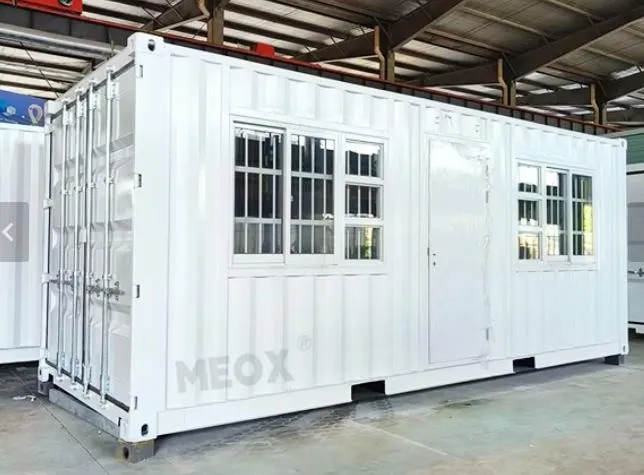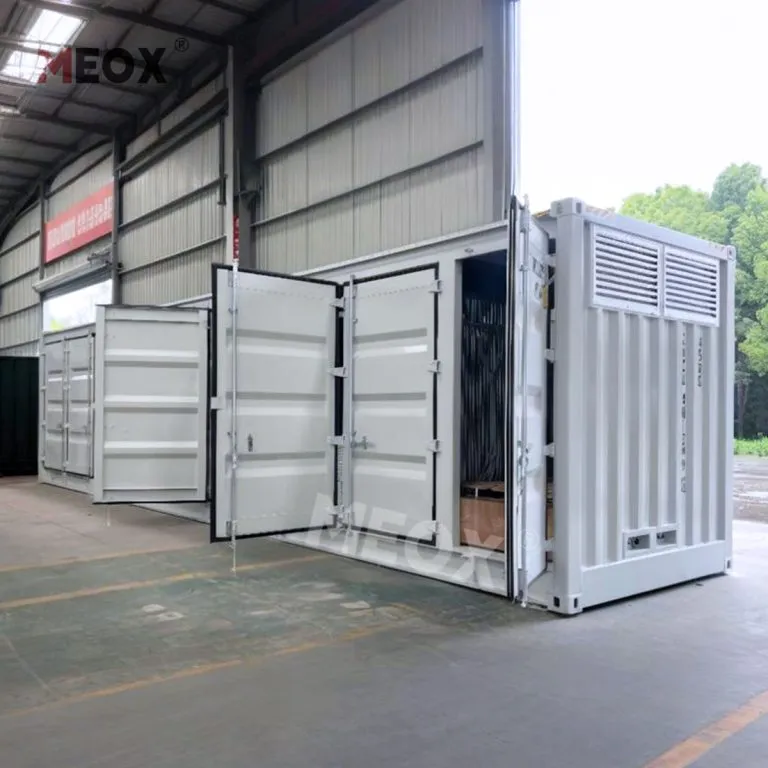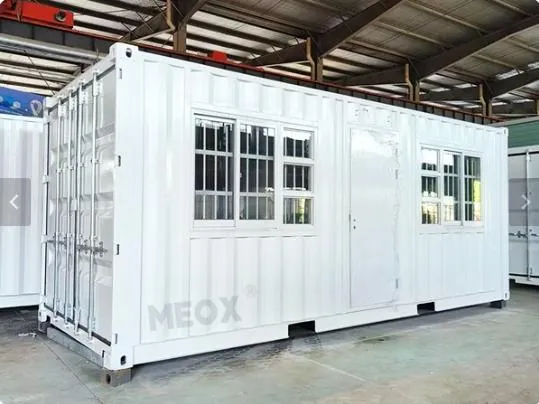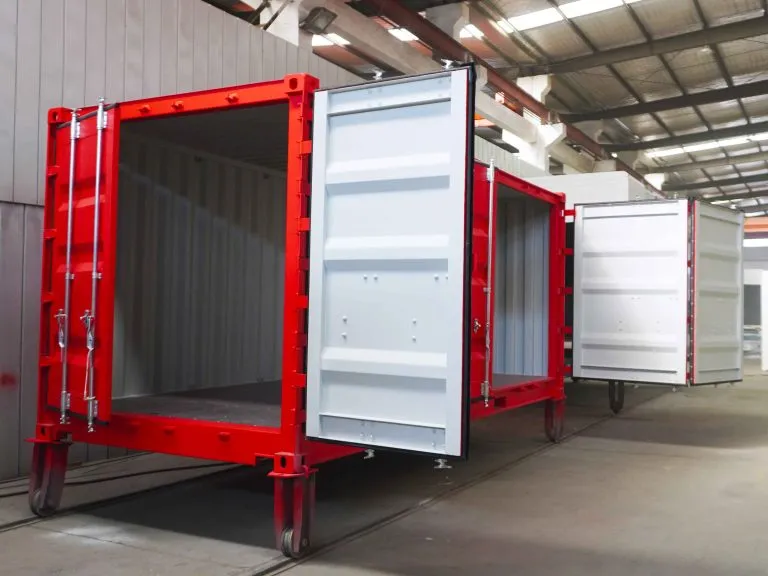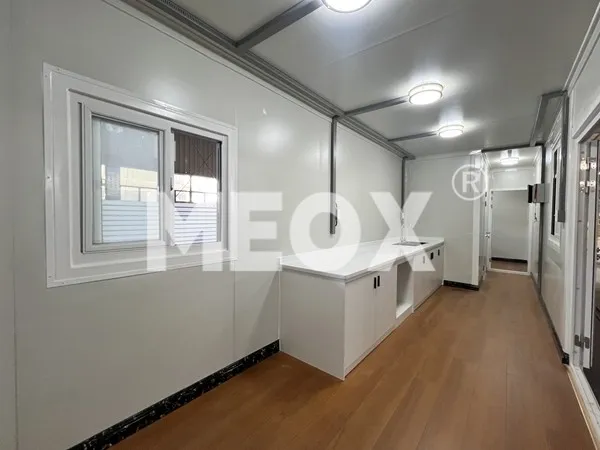
In a world where space is at a premium and sustainable living solutions are in high demand, modular container house(and its variants like modular shipping container houseand modular container homes) have emerged as a flexible, eco-friendly alternative to traditional construction. However, to ensure safety, durability, and compliance, these innovative structures must adhere to strict building codes—standards that vary by region but share core goals of protecting occupants and the environment. Suzhou Zhongnan Intelligent Equipment Co., Ltd., a leading manufacturer of custom containers, specializes in designing modular container housemodels that meet global building codes. With complete manufacturing equipment, a professional design team, and experience crafting containers for diverse conditions, they’re a trusted partner for wholesalers seeking code-compliant, market-ready housing solutions. This article explores key building codes for modular container homes, highlighting critical requirements, regional variations, and why Suzhou Zhongnan’s designs excel in balancing innovation with compliance.
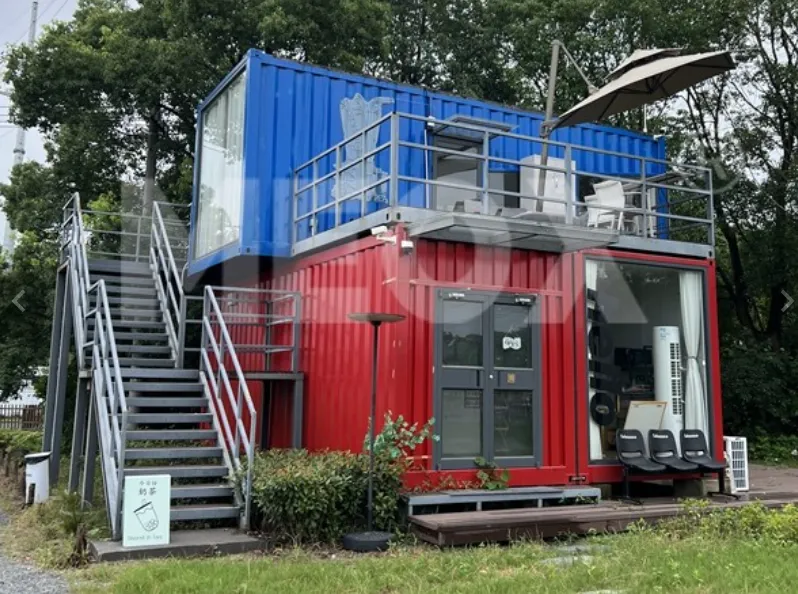
Structural Safety Codes for Modular Shipping Container House
- Load-Bearing Compliance for Modular Shipping Container House: A modular shipping container housemust meet structural codes governing load-bearing capacity—including resistance to wind, snow, and seismic activity. Suzhou Zhongnan reinforces container frames with additional steel beams (where needed) to distribute weight evenly, ensuring compliance with standards like the International Building Code (IBC) or Europe’s Eurocode. For example, in hurricane-prone regions, modular container housemodels include wind-resistant bracing and anchored foundations to withstand high winds. Wholesalers can note that these structural enhancements don’t compromise the container’s portability—critical for clients seeking both safety and flexibility.
- Floor and Roof Strength for Modular Container Homes: Modular container homesmust adhere to codes specifying floor and roof strength to support furniture, occupants, and environmental loads (like snow). Suzhou Zhongnan upgrades container floors with moisture-resistant plywood and steel joists, ensuring they meet minimum load requirements (e.g., 40 pounds per square foot for residential floors). Roofs are reinforced with corrugated steel or insulated panels, with sloped designs in snowy regions to prevent weight buildup. These upgrades ensure modular container housemodels are safe for long-term residential use, a key selling point for wholesalers serving housing developers or community projects.
Fire Safety Codes for Modular Container House
- Fire-Resistant Materials for Modular Container House: Modular container housedesigns must use fire-resistant materials to meet local codes—especially for insulation, wall coverings, and electrical components. Suzhou Zhongnan uses non-combustible insulation (like rock wool or fiberglass) and fire-rated drywall for interior walls, ensuring compliance with standards like the National Fire Protection Association (NFPA) codes. Electrical systems include flame-retardant wiring and GFCI outlets, reducing fire risk from short circuits. Wholesalers can emphasize that these materials also improve energy efficiency, making modular container homesboth safe and sustainable.
- Emergency Egress Requirements for Modular Shipping Container House: A modular shipping container housemust have clear emergency egress—codes typically require at least two exits (doors or windows) per living space, with unobstructed paths to safety. Suzhou Zhongnan’s designs include standard-sized exterior doors and operable windows (large enough for adult passage) in key areas like bedrooms and living rooms. For multi-container homes (linked modules), they add interior doorways between modules to create secondary escape routes. These features ensure modular container housemodels meet occupancy safety standards, critical for wholesalers serving clients in regulated markets.
Building Codes for Modular Container Homes by Region
| Region | Key Code Focus | Compliance Measures for Modular Container House | Suzhou Zhongnan Advantage |
| North America | IBC standards; seismic/wind resistance. | Steel bracing (seismic zones); wind anchors (hurricane zones); NFPA fire codes. | IBC-compliant designs + region-specific reinforcement. |
| Europe | Eurocode; energy efficiency (EPBD). | Insulated panels (U-value ≤0.15 W/m²K); solar-ready electrical systems. | Energy-efficient upgrades + Eurocode structural checks. |
| Asia (Tropical) | Flood resistance; heat mitigation. | Elevated foundations; breathable insulation; rain gutters. | Flood-resistant framing + heat-reflective roofing. |
| Australia | Bushfire safety; termite resistance. | Fire-resistant cladding; termite-proof foundations; ember-resistant vents. | Bushfire-rated materials + pest-resistant design. |
This table helps wholesalers match modular container housemodels to regional code requirements, ensuring clients avoid costly rework. It also highlights Suzhou Zhongnan’s ability to tailor designs to local standards, a key advantage for global wholesalers.
Energy Efficiency & Environmental Codes for Modular Container Homes
- Insulation and Ventilation for Modular Container Homes: Modular container homesmust meet energy efficiency codes—focused on insulation, airtightness, and ventilation. Suzhou Zhongnan adds continuous insulation to container walls, floors, and roofs, reducing heat transfer and lowering utility costs. Ventilation systems include heat recovery ventilators (HRVs) in cold climates, ensuring fresh air circulation without energy loss. These features help modular container housemodels meet standards like LEED (Leadership in Energy and Environmental Design) or Europe’s EPBD (Energy Performance of Buildings Directive), appealing to eco-conscious clients.
- Sustainable Material Use for Modular Shipping Container House: Many regions now require sustainable material use in construction—and modular shipping container housemodels excel here, as they repurpose existing shipping containers (reducing waste). Suzhou Zhongnan further enhances sustainability by using recycled steel for framing, low-VOC paints for exteriors, and FSC-certified wood for interior finishes. These choices help modular container homesqualify for green building certifications, a major selling point for wholesalers serving developers focused on sustainability.
Modular Container House FAQS
Do Modular Container Homes Require the Same Permits as Traditional Houses?
Yes—modular container homemodels require the same building permits as traditional houses, as they’re classified as residential structures. The permit process varies by region but typically involves submitting code-compliant designs (from Suzhou Zhongnan) for review by local building departments. Wholesalers can assist clients by providing detailed design documents (including structural calculations and material specs) that streamline the permit process, reducing delays.
Can a Modular Shipping Container House Be Modified After Installation to Meet New Codes?
Yes—modular shipping container housemodels are adaptable to code updates. Suzhou Zhongnan designs containers with modular components (e.g., removable insulation panels, upgradeable electrical systems) that make retrofits easy. For example, if a region adds stricter energy codes, clients can install additional insulation or solar panels without rebuilding the entire structure. Wholesalers can note that this adaptability ensures modular container homesremain compliant long-term, protecting clients’ investments.
Are Modular Container House Models Suitable for Permanent Residential Use?
Absolutely—when built to code, modular container housemodels are safe for permanent residential use. Suzhou Zhongnan’s designs meet all residential building codes (structural, fire, energy) and include features like insulated walls, proper ventilation, and durable finishes. Many clients live in modular container homesfor decades, with maintenance costs lower than traditional houses. Wholesalers can share case studies of permanent container communities to demonstrate their viability.
How Does Suzhou Zhongnan Ensure Modular Container Homes Meet Regional Codes?
Suzhou Zhongnan works with local code consultants in key markets to align modular container housedesigns with regional standards. Their design team reviews code updates regularly (e.g., new IBC requirements, Eurocode revisions) and integrates changes into standard models. For custom projects, they provide code compliance reports that verify structural safety, fire resistance, and energy efficiency. Wholesalers can trust that every unit meets local codes, eliminating compliance risks for clients.
Where Can Wholesalers Source Code-Compliant Modular Container House Models?
Suzhou Zhongnan Intelligent Equipment Co., Ltd. manufactures code-compliant modular container house and modular container homes—with designs tailored to global building standards. Their team provides detailed code documentation, region-specific upgrades, and bulk ordering options, making them ideal for wholesalers serving housing developers, community projects, or disaster relief initiatives. Visit their website to explore standard models, discuss custom code requirements, or learn about their quality control processes—your trusted partner for safe, compliant modular housing solutions.