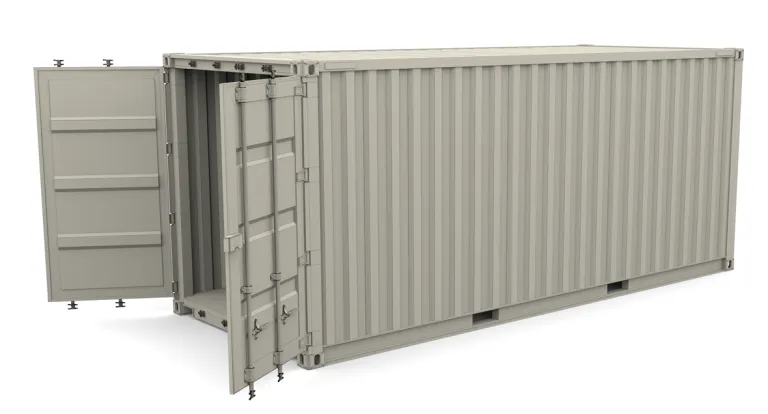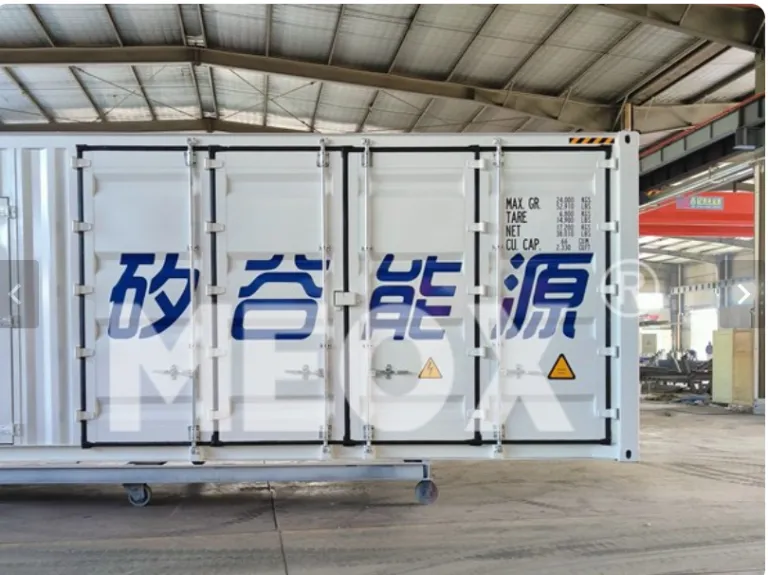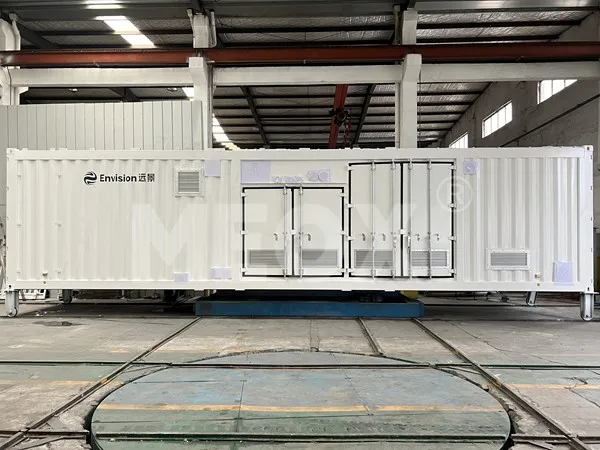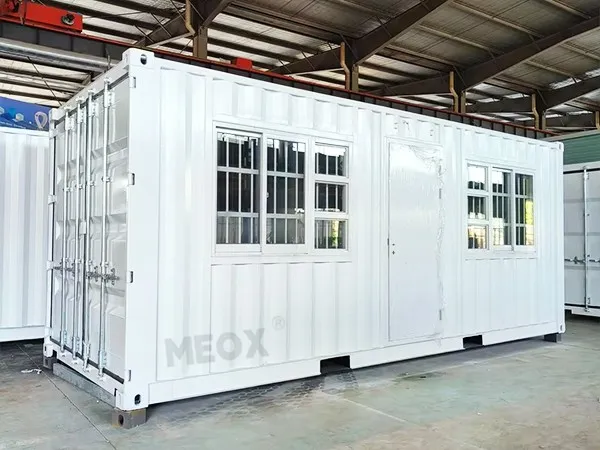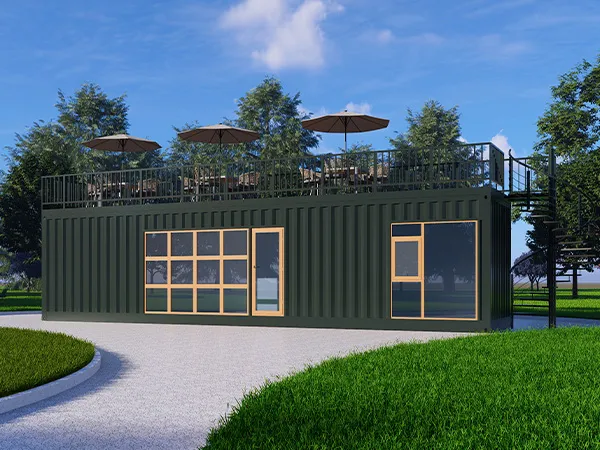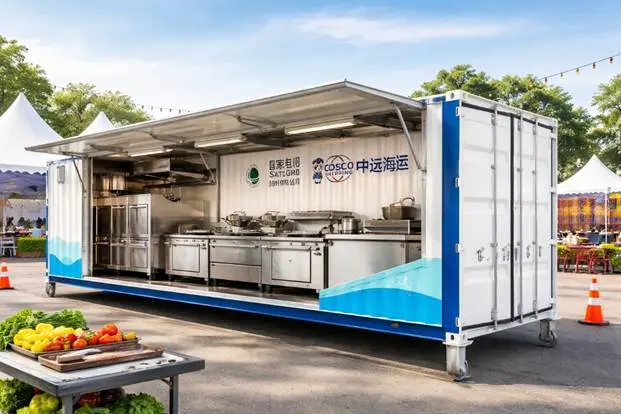
Off-grid living—powered by self-sustaining systems and free from reliance on municipal utilities—has become a sought-after lifestyle for remote workers, eco-enthusiasts, and communities in underserved regions. Modular container housemodels, especially modular shipping container housevariants, excel in this space: their durable structure, customizable design, and compact footprint make them ideal for off-grid setups. Unlike traditional homes that require extensive on-site infrastructure, modular container homescan be pre-equipped with solar panels, water collection systems, and waste management solutions—turning them into self-sufficient dwellings. Suzhou Zhongnan Intelligent Equipment Co., Ltd., a leading manufacturer of custom containers, specializes in designing modular shipping container housemodels optimized for off-grid use. Leveraging complete manufacturing equipment and a professional design team, they craft high-end, structurally stable containers (using sea freight corner heads and overall welding) that meet the demands of off-grid living—from remote cabins to luxury eco-resorts. This article explores the off-grid capabilities of modular container housesetups, highlighting key systems, structural advantages, and why Suzhou Zhongnan’s designs stand out for wholesalers seeking reliable, off-grid-ready housing solutions.
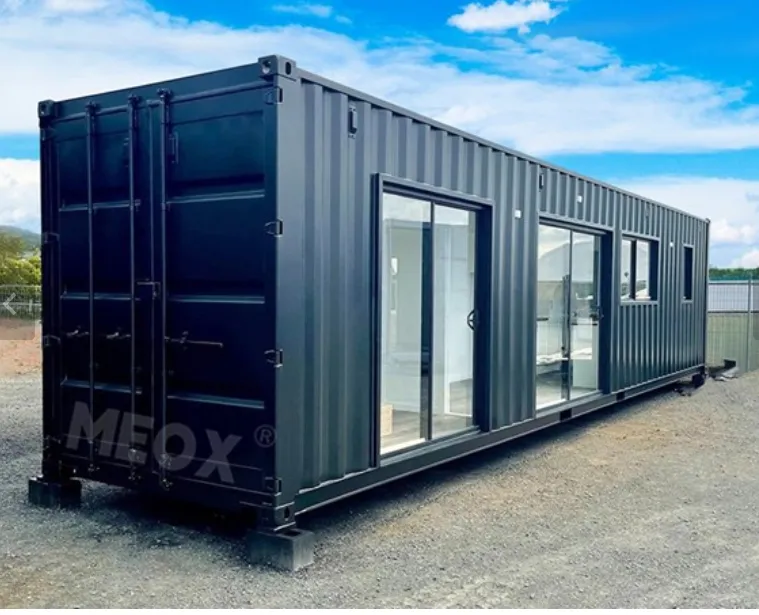
Off-Grid Power Systems for Modular Shipping Container House
- Solar-Powered Modular Shipping Container House: A modular shipping container houseoptimized for off-grid power integrates solar panels (mounted on the roof), battery storage systems, and inverters—all pre-installed during manufacturing. Suzhou Zhongnan’s design maximizes solar efficiency: panels are angled for region-specific sunlight exposure, while lithium-ion battery banks (stored in weatherproof compartments) store energy for nighttime or cloudy days. For high-energy needs (e.g., luxury modular container homeswith appliances), the company adds wind turbines or backup generators (powered by biodiesel) for redundancy. Wholesalers can note that this system reduces reliance on fossil fuels, aligning with eco-friendly client goals—critical for marketing to sustainable housing developers or high-end off-grid resorts.
- Energy-Efficient Design for Modular Container House: Off-grid power sustainability relies on minimizing energy use—and modular container housemodels from Suzhou Zhongnan include energy-efficient features to stretch stored power. These include LED lighting, low-energy appliances, and high-performance insulation (rock wool or spray foam) that reduces heating/cooling demands. The containers’ steel structure also retains heat in winter and reflects sunlight in summer, lowering HVAC needs. For wholesalers serving clients in extreme climates (e.g., cold mountain regions or hot deserts), this energy efficiency ensures off-grid systems can meet demand without constant upgrades.
Water Self-Sufficiency for Modular Container Homes
- Rainwater Collection & Filtration in Modular Container Homes: Modular container homesfor off-grid use include integrated rainwater collection systems—gutters along the roof direct water to storage tanks (hidden under the container or in a adjacent module), while filtration systems (carbon filters + UV purification) remove contaminants. Suzhou Zhongnan’s design can be customized for rainfall levels: arid regions get larger tanks (500–1,000L) and dehumidifiers (to harvest atmospheric moisture), while rainy areas add overflow valves to prevent flooding. This self-sufficiency eliminates the need for well drilling or municipal water access, making modular container housemodels ideal for remote locations. Wholesalers can emphasize this feature to clients in water-scarce regions or eco-resorts prioritizing sustainability.
- Greywater Recycling for Modular Shipping Container House: A modular shipping container housewith off-grid capabilities often includes greywater recycling systems—water from sinks, showers, and laundry is filtered and reused for irrigation or toilet flushing. Suzhou Zhongnan integrates compact, low-maintenance recycling units into the container’s underbelly, ensuring the system doesn’t take up living space. This reduces freshwater consumption by up to 50%, extending the life of rainwater stores. For wholesalers serving high-end modular container homes(e.g., luxury off-grid cabins), this feature adds a layer of sustainability that appeals to discerning clients.
Off-Grid Modular Container House for Different Use Cases
| Off-Grid Use Case | Key Off-Grid Need | Ideal Modular Container House Design | Structural Advantage of Modular Shipping Container House | Suzhou Zhongnan Advantage |
| Remote Eco-Cabin | Minimal environmental impact + self-sufficiency. | Small (20ft) modular container house; solar + rainwater + composting toilet. | Sea freight corner heads for stability on uneven terrain. | Compact design + eco-friendly system integration. |
| Luxury Off-Grid Resort | High-end amenities + energy efficiency. | Large (40ft) modular shipping container house; solar + wind + greywater recycling. | Overall welding for structural integrity (supports luxury finishes). | High-end customization + off-grid system redundancy. |
| Rural Community Housing | Scalability + low maintenance. | Linked modular container homes; shared solar array + communal water storage. | Durable steel structure (resists rural pests/weather). | Modular linking + low-upkeep systems. |
| Disaster Relief Shelter | Rapid deployment + basic self-sufficiency. | Lightweight modular container house; portable solar + water purification. | Sea freight design (easy transport via truck/ship). | Quick-assemble features + weather-resistant build. |
This table helps wholesalers match modular container housemodels to off-grid use cases, highlighting how Suzhou Zhongnan’s structural design (sea freight components, overall welding) enhances off-grid functionality. It also underscores why modular shipping container housevariants are preferred for high-end or demanding off-grid applications.
Structural Advantages of Modular Shipping Container House for Off-Grid Living
- Durability for Harsh Off-Grid Environments: Modular shipping container housemodels use sea freight-grade steel, corner heads, and overall welding—features that make them far more durable than detachable containers. This structural stability is critical for off-grid living, where homes may face extreme weather (hurricanes, snowstorms) or uneven terrain. Suzhou Zhongnan’s containers resist rust, pest infestations, and rot—eliminating the need for frequent repairs that are difficult in remote areas. Wholesalers can note that this durability reduces long-term maintenance costs, a key selling point for clients in hard-to-reach locations.
- Load-Bearing Capacity for Off-Grid Systems: The robust structure of a modular shipping container housesupports heavy off-grid equipment—solar panels, large water tanks, and wind turbines—without compromising integrity. Unlike detachable containers (which have lower load limits), Suzhou Zhongnan’s welded steel frames can handle roof-mounted solar arrays (up to 500lbs) and underbelly water tanks (1,000L+) with ease. This load-bearing capacity lets wholesalers offer clients fully equipped off-grid homes, rather than requiring post-installation upgrades.
Modular Container House FAQS
Can a Modular Container House Maintain Off-Grid Power in Cloudy/Windy Weather?
Yes—Suzhou Zhongnan’s modular container housemodels for off-grid use include redundant power systems to handle low-sun or calm conditions. A standard setup pairs solar panels with a backup battery bank (storing 2–3 days of power) and optional wind turbines (for windy regions). For extended cloudy periods, clients can add a small biodiesel generator (powered by locally sourced fuel). Wholesalers can assure clients that these systems are sized for regional weather patterns—e.g., larger batteries for cloudy northern regions, more wind turbines for coastal areas.
Are Modular Shipping Container House Models Too Expensive for Budget Off-Grid Projects?
While modular shipping container housemodels (with sea freight components and overall welding) are more costly than detachable containers, they offer long-term value for off-grid projects. Their durability reduces maintenance costs, and pre-integrated off-grid systems eliminate the need for separate contractor fees. Suzhou Zhongnan also offers scaled-down 20ft models (for budget projects) that retain core structural advantages but with simpler off-grid setups (e.g., basic solar + rainwater). Wholesalers can frame this as an investment—clients pay more upfront but save on long-term upkeep and utility costs.
How Do Off-Grid Modular Container Homes Handle Waste Management?
Modular container homesfor off-grid use include waste management systems tailored to the location: composting toilets (for remote areas with no septic access), incinerating toilets (for water-scarce regions), or small-scale septic tanks (for semi-rural setups). Suzhou Zhongnan integrates these systems into the container’s design—composting toilets are installed in ventilated compartments, while septic tanks are sized to fit under the container. For food waste, the company can add small compost bins (for gardens) or compactors (for larger households). Wholesalers can note that these systems are low-maintenance, critical for off-grid living.
Can a Modular Container House Be Expanded for Off-Grid Families Growing in Size?
Yes—modular container housemodels are inherently expandable. Suzhou Zhongnan’s design uses standardized linking components, so clients can add extra modules (e.g., a 20ft bedroom module to a 40ft main house) and integrate them into the existing off-grid system. The new module can share the solar array (with a single inverter upgrade) and connect to the water storage tank—no need to rebuild core systems. Wholesalers can highlight this scalability to clients planning for long-term off-grid living, as it avoids the need to relocate to a larger home.
Where Can Wholesalers Source Off-Grid-Optimized Modular Container House Models?
Suzhou Zhongnan Intelligent Equipment Co., Ltd. manufactures modular container house and modular container homesoptimized for off-grid use—all featuring sea freight-grade structural components, pre-integrated self-sustaining systems, and high-end customization options. Their designs cater to diverse off-grid needs, from budget cabins to luxury resorts. Visit their website to explore bulk ordering options, discuss custom off-grid system integration, or learn about their structural quality standards—your trusted partner for off-grid-ready container homes that balance durability, sustainability, and functionality.