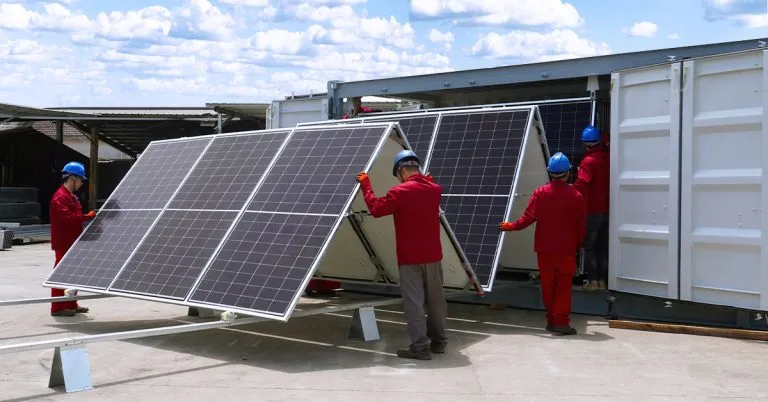
One of the big challenges with managing remote workers is determining places where they can sleep, rest, and get energised. Conventional methods of construction are not only slow and expensive but also hardly fit for tough or out-of-reach places. This is the reason the shipping container dormitory is rapidly becoming one of the leading workforce accommodation solutions. It combines the three main characteristics that are most valued together in a single transportable unit: structural robustness, architectural flexibility, and affordability.
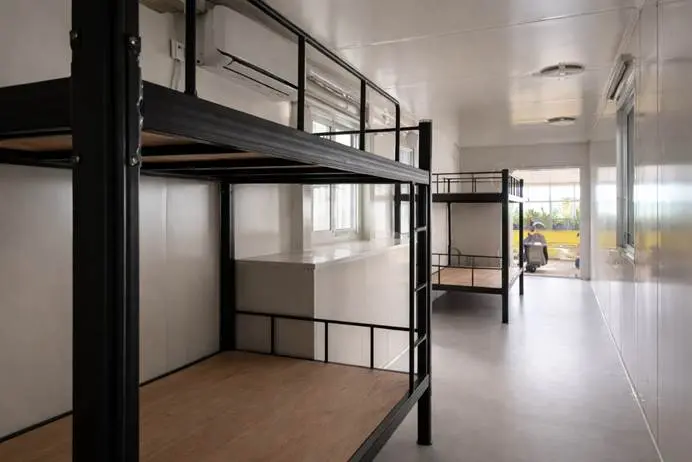
These dormitory units, which are made from modified steel shipping containers, offer a great combination of mobility, structural strength, and modern living comfort. Container dormitories are quickly becoming the accommodation choice for many different types of locations, like construction camps, mining sites, educational institutions, and emergency housing all over the world.
TheInternational Labour Organization(ILO) states that proper accommodation of workers can result in higher workforce productivity, safety, and employee well-being.
What Is a Shipping Container Dormitory?
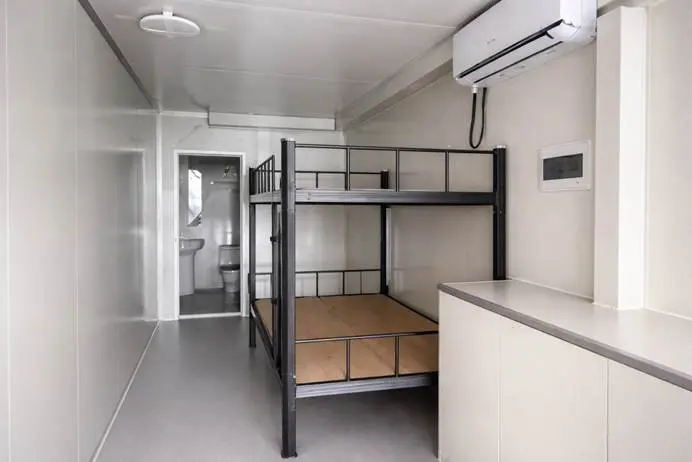
Shipping container dormitories refer to a specially designed type of accommodation made by using steel container shells and fully outfitted with a bedroom, electrical installation, insulation, air conditioning, as well as interior furnishings. Still, the dormitory-type container accommodation is designed differently from the regular ISO shipping containers, as it is intended for permanent living rather than for transporting goods.
Most typical users are:
- Construction and infrastructure companies’ housing site workers
- Mining and oil & gas operators in remote regions
- Disaster relief organizations needing rapid deployment
- Educational institutions requiring temporary student housing
- Military and government projects in austere environments
Key Structural and Design Features
A quality modular container dormitory for workforce housing is much more than just a steel box with a bed inside. Here is what distinguishes a standard-grade unit from a basic one:
Structural Integrity
Galvanized square-pipe keels have been used to strengthen the internal walls, the ceiling, and the floor. Providing better drainage and reducing wind resistance, as well as the accumulation of dust, is a sloped roof – higher at the front, lower at the back. Using these design features, the building can withstand earthquakes and hurricanes. This way, the units can be placed in coastal and seismic areas.
Wall and Exterior Finish
Corrugated steel plates have a 12mm wave height on the exterior wall panels to provide aesthetic appeal (added structure) and structural rigidity. The C3-model will be painted in three layers using a spray process that provides a total of 110μm of paint, which offers excellent protection against corrosion from wet environments (humidity, salt air), as well as UV exposure.
Windows and Doors
The doors are made of dust-proof and fire-rated steel. The windows feature aluminum frames that have a broken thermal bridge (thermally broken) and 3C-certified tempered glass – a combination that is often linked with safety as well as energy efficiency.
Electrical Safety
Each apartment contains separate circuits with their own switch. Smoke detectors and fire extinguishers come as standard equipment. We can wire the house either with exposed cables or hidden ones – it’s up to the client.
Container Dormitory vs. Conventional Workforce Housing
| Feature | Shipping Container Dormitory | Prefab Barracks | Permanent Construction |
| Deployment Speed | 4–8 weeks | 6–12 weeks | 6–18 months |
| Relocatability | High (crane/truck) | Moderate | None |
| Structural Lifespan | Up to 30 years | 10–15 years | 30–50 years |
| Seismic/Wind Resistance | Highly Resistant to Earthquakes and Hurricanes | Variable | Variable |
| Customization | High | Limited | High |
| Cost Efficiency | High | Moderate | Low |
The container dormitory has the advantages of speed and flexibility, especially for projects where the timeline is not fixed and the location can change over the years.
Customization Options
Configurability is probably one of the bestselling points of container-based accommodation. The platform of a shipping container house gives buyers a chance to tailor the layout, level of finishing, and utility-based integrations to the exact needs of their workforce.
| Customization Category | Available Options |
| Layout | Single room, shared bunks, suite-style, combined living/sleeping |
| Sleeping Arrangements | Single bed, bunk bed, twin/double configurations |
| Interior Finish | Standard, mid-range, home-decoration standard |
| Utilities | Air conditioning, water supply, electrical distribution |
| Color & Branding | Custom RAL colors, company logo |
| Connectivity | Open or concealed wiring, data/telecom options |
For bigger deployments, a bunch of units can be stacked together or laid out in rows to make a whole camp. They can also be combined with a shipping container office and modular container house units to create a self-contained site infrastructure.
Real-World Case Study: 50-Unit Dormitory Camp in Riyadh, Saudi Arabia (2023)
A civil engineering contractor undertaking a construction project outside Riyadh required housing accommodations for over 300 workers for a project lasting several years. Due to the location of the site, which is characterized by scorching summer heat, heavy sandstorms, and the possibility of earthquakes, regular prefab cabins couldn’t be considered as a solution.
The Challenge
The customer requested 50 units constructed to home-decoration interior standards. Further, these units should be corrosion-resistant to suit the desert climate, have uniform quality throughout the entire batch, and a strict delivery schedule.
MEOX’s Solution
Every unit was designed and built with a triple-coating C3 painting, with a total thickness of 110 m, aluminium windows with broken bridge and tempered glass, a roof slope for drainage, and independent electrical circuits. All 50 units were made, inspected, and shipped as one coordinated batch within the agreed timeline.
Outcome
The camp has run non-stop since it was delivered, and hardly any maintenance records have been reported. The client came back with a bigger order one year later.

Important Design Considerations Before Installation
Project owners must consider various factors before choosing a shipping container dormitory system. To get the best performance and increased comfort for the occupants, the owners have to carefully assess the site conditions (like ground stability, drainage, and transportation access) because they can really affect the installation schedule and the container’s longevity. On top of that, the owners should estimate the occupancy needs properly so that the number of beds, the hygiene facilities, and the entire room layout are in line with the local rules and the standards of the workforce. The climate aspect should not be overlooked as well. The materials for insulation, ways of ventilation, and protection from rain/wind should be chosen based on the local environment to ensure that the indoors are at a comfortable temperature all year round. And, setting up utilities like plumbing electrifying getting internet, and installing HVAC systems have to be done ahead of time to prevent any operating setbacks later. If combined with container canteens, the dorm units on bigger sites can improve the workers’ experience a lot, besides facilitating the running of their daily operations.
Frequently Asked Questions
How long does a shipping container dormitory last?
With proper care, regular maintenance, protective paint layers, and good insulation systems, a well-made shipping container dormitory can last for 20-30 years or even more.
Are shipping container dormitories comfortable in extreme climates?
Yes, modern dormitories are equipped with top-notch insulation materials, ventilation systems, and HVAC equipment to ensure that they have comfortable indoor environmental conditions in both hot and cold seasons.
Can container dormitories be relocated after installation?
Yes, mobility is a big advantage of modular container dorms. Most of these units can be taken apart, moved, and set up again at a different project location.
Conclusion
The present-day shipping container dormitory has been transformed into a very compact living solution for industries which is also very fast, flexible, and cost-controlling. When juxtaposed with conventional methods of construction, modular container dormitories score over them in quickness of delivery, having minimal impact on the environment and also being expandable very easily.
As the need for workforce housing rises in sectors such as construction, mining, infrastructure and industry in general, modular accommodation solutions will be very likely a major feature of project development in the future.
If you are one of those companies that cannot do without modular accommodation solutions, MEOX will give you the customized container dormitory systems that are not only rugged but also efficient in use and comfortable to the greatest extent possible for the people staying there.
Request a free quote or explore the full product specifications here.
Disclaimer: The technical information, materials, and references to specifications are mainly related to the container products of MEOX. The real specifications, materials configurations, and technical details might change based on project needs, local laws, and customers’ choices.