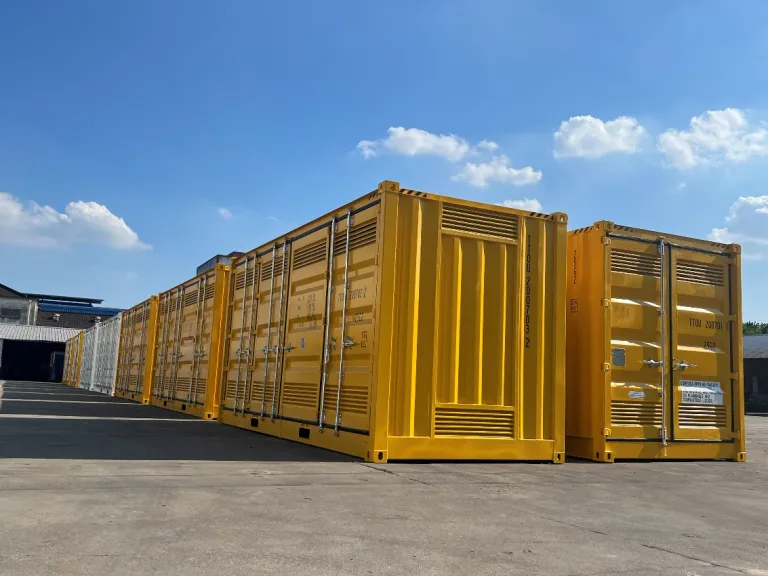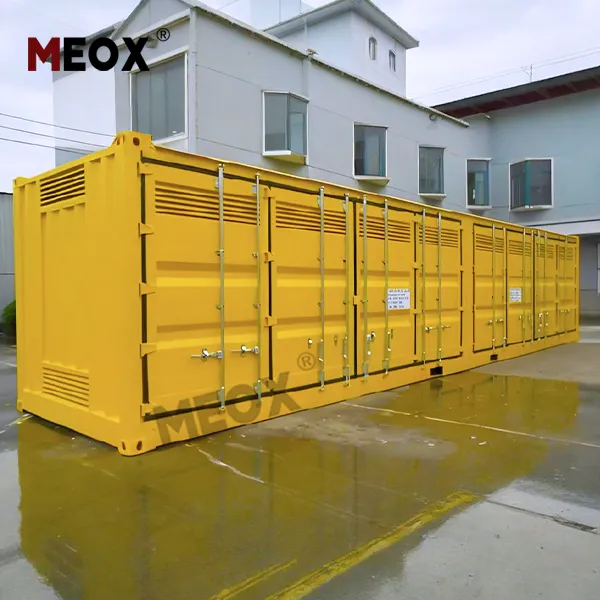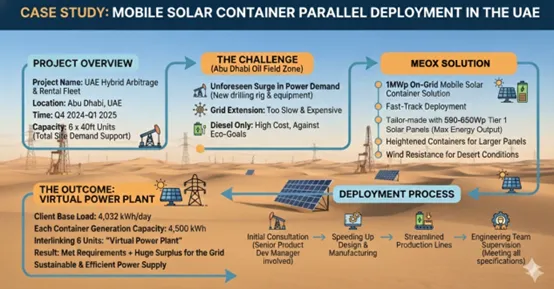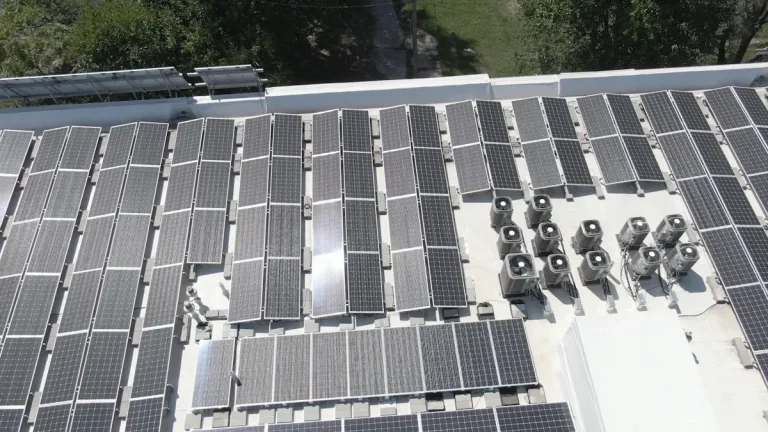
As the demand for flexibility and reliability in electrical infrastructure is rising rapidly with the expansion of renewable energy projects, industrial facilities, and remote power networks, traditional substations are usually characterized by long construction schedules, a lot of site preparation, and major maintenance efforts. But a Prefabricated Power Container is a small, factory-built solution that makes deployment easier while at the same time not compromising on high performance standards.
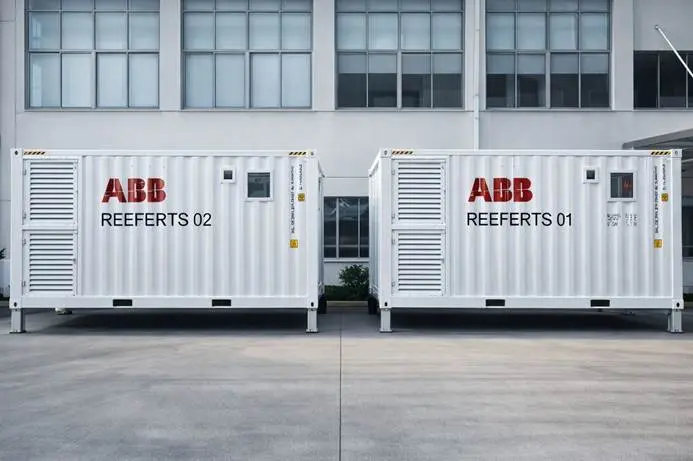
Apart from that, prefabricated power systems are increasingly becoming a practical choice for those organizations that want quicker project delivery and better operational performance, no matter whether they serve solar plants, mining, or public power distribution.
What Is a Prefabricated Power Container?
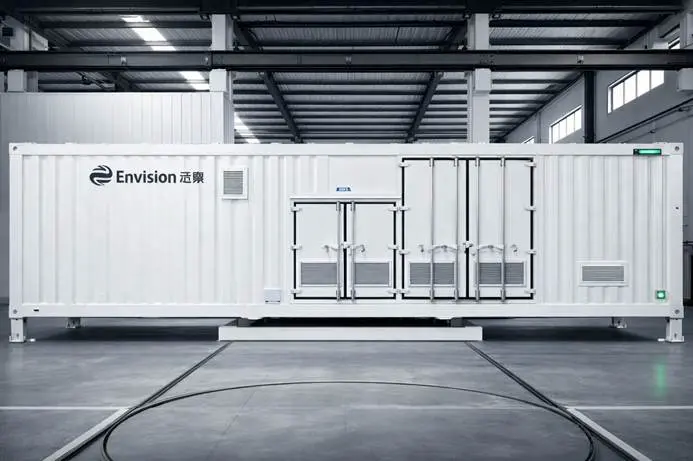
Prefabricated power containers are an engineered product that is pre-manufactured in a factory to hold electrical devices such as high voltage and low voltage switchgear, transformers, control and monitoring devices, and climate control technology all within one transportable unit.
Unlike traditional substations that require extensive on-site assembly, these containers are pre-tested before shipment, thereby significantly reducing installation complexity and commissioning time.
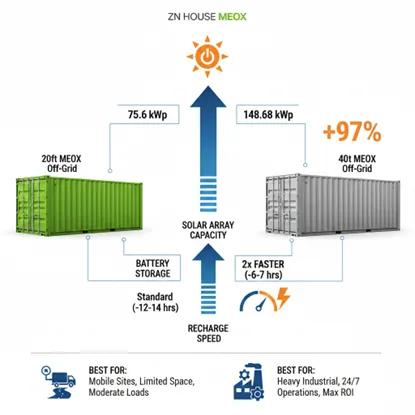
When it comes to projects that are in need of integrated energy infrastructure, companies usually combine power containers with other products like the Energy Storage Container and the Battery Energy Storage System which together form a comprehensive power management platform.
Why Demand for Prefabricated Power Containers Is Increasing
The International Energy Agency (IEA) points out that the worldwide renewable electricity capacity is growing at an unprecedented level, and this is resulting in higher needs for electrical infrastructures that can be scaled and deployed quickly. As the locations of solar and wind facilities are getting more isolated, modular power units are increasingly being seen as the key to efficient grid connection.
Besides, as per a BloombergNEF report, the use of containerized energy systems in renewable energy projects is on the rise, their main advantages being their flexibility, lower installation costs, and shorter deployment times.
Key Benefits
| Benefit | Traditional Substation | Prefabricated Power Container |
| Deployment Time | 3–4 Months | Within 30 Days |
| Site Footprint | Large Area Required | Compact Design |
| Factory Testing | Limited | Fully Tested Before Delivery |
| Relocation Capability | Difficult | Easy |
| Maintenance Frequency | Higher | Lower |
This is why renewable energy project developers who are working under tight project schedules will find modular power container solutions very appealing.
Core Features of a Prefabricated Power Container
Modern power containers are designed not only to function reliably in severe environments but also to shield the most vital electrical equipment.
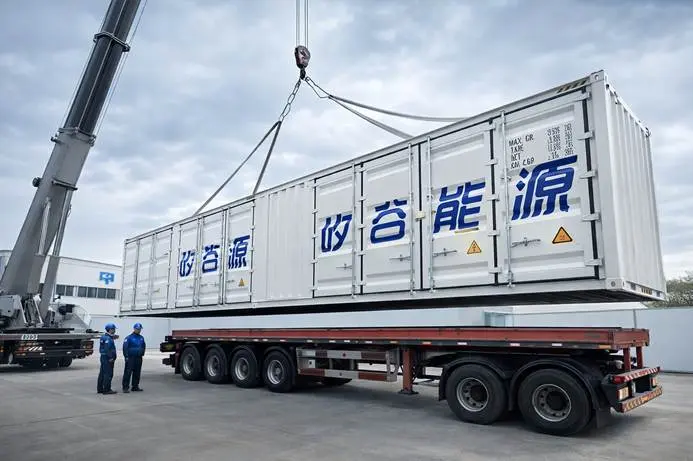
| Feature | Technical Advantage |
| Double-Wall Steel Structure | Improved corrosion resistance |
| IP54 Protection Rating | Protection against dust and moisture |
| Integrated HVAC System | Stable internal temperature |
| Remote Monitoring | Real-time operational visibility |
| Factory Integration | Reduced installation errors |
MEOX design is realized by using galvanized steel, intelligent warming-up to ambient parameters and remote monitoring technology, delivering really lower failure rates in harsh environmental conditions.
It is also suitable for those entities that need high-level power setups to link a Containerized Substation with their existing power networks with a view to raising the efficiency of distribution on a stand-alone basis.
Applications Across Multiple Industries
One reason why prefabricated electrical power container units for solar farms are so popular is that, in reality, they are very versatile.
Renewable Energy Projects
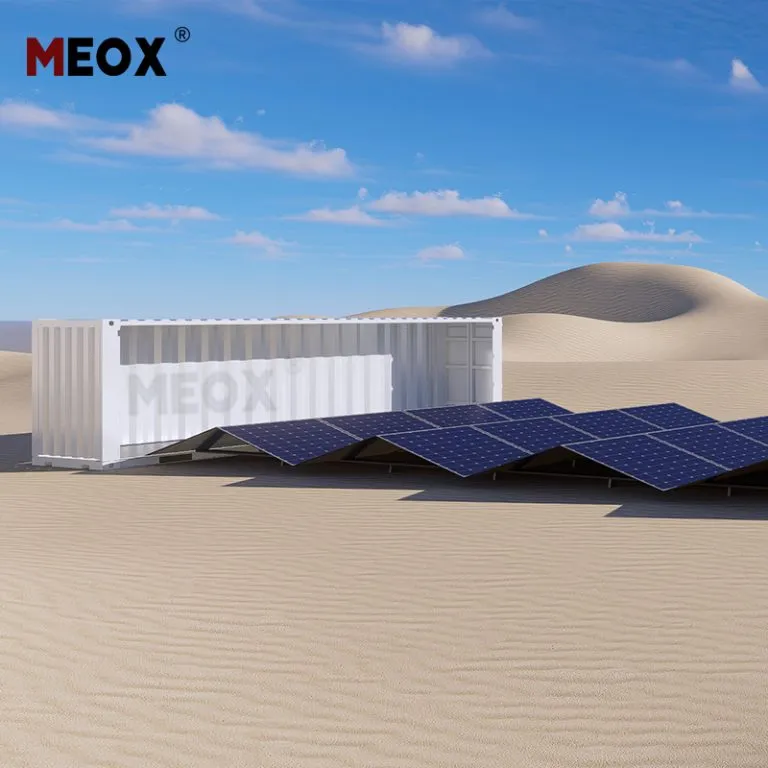
Solar and wind farms are usually set up in remote areas, so it may be challenging to build regular substations there. Prefabricated containers allow faster installation and easy integration with the grid.
Mining Operations
Mining sites are locations where durable electrical systems are a necessity. Those systems should have the ability to withstand vibrations, dust, and extreme temperatures. Containerized power solutions can assist in decreasing the extent of construction work that is necessary, at the same time also supporting a non-stop operation.
Utility and Grid Expansion
Prefabricated power systems are a means to upscale power capacity, which urban and rural utility providers are finding very useful, mainly in cases where building a permanent substation is not an option or is very difficult.
How Prefabricated Power Containers Improve Project Efficiency
Project delay often results from the civil construction work, equipment coordination, and testing requirements on-site.
Moving the engineering and assembly processes to a controlled factory environment largely, industrial facilities adopting containerized power distribution solution have a minimum of such problems.
Advantages include:
- Reduced labor requirements on site
- Faster commissioning schedules
- Improved quality control
- Lower transportation complexity
- Enhanced safety during installation
Real-World Case Study: Solar Power Project in South Asia
Around 200 megawatts green project in South Asia experienced several issues during the implementation phase.
Challenges
- High seasonal humidity levels
- Tight commissioning deadlines
- Risk of wiring and installation errors
- Remote project location
MEOX Solution
MEOX supplied factory-integrated prefabricated power containers equipped with:
- IP54 environmental protection
- Pre-configured switchgear systems
- Remote monitoring technology
- Factory-tested electrical assemblies
Results
| Project Outcome | Result |
| Commissioning Speed | 58 Days Faster |
| Wiring Errors | Reduced by 92% |
| Humidity-Related Faults | Zero Reported |
| Grid Synchronization | Successfully Achieved |
The project team did a great job of speeding up the energization without compromising dependable performance during the harsh weather.
Selecting the Right Prefabricated Power Container
Choosing the best prefabricated power container involves a thorough assessment of several major aspects. Those responsible for the decision should first assess the power requirement of their project. Then, they should consider the environmental factors where the unit will be running, such as the range of temperatures, humidity, and possible exposure to dust or corrosive substances. Other very important factors are the requirements for grid connection and the compatibility with the existing infrastructure. Also, the option for monitoring and automation to have real-time operational visibility must be considered. Besides, thinking about the possibility of future expansion to get the most value over time. Combining a container with other supporting systems like Energy Storage Containers or other modular electrical infrastructures can increase power solutions’ versatility and effectiveness. Also, this combination allows a comprehensive, dependable, and easily deployable power solution.
Frequently Asked Questions
How long does it take to install a prefabricated power container?
Just like a project, the commissioning and installation of most substations can be done way faster than traditional ones. Deployment could even be wrapped up within a few weeks based on the size of the project and the conditions of the site.
Can prefabricated power containers operate in extreme climates?
Yes, contemporary appliances are engineered for climate extremes, from desert scorching to sub-zero freezing. State-of-the-art insulation, temperature regulation mechanisms, and rust-proofing materials are key elements in maintaining a constant level of functioning.
Are prefabricated power containers suitable for renewable energy projects?
Absolutely. Their capability for speedy installation, modular construction, and simplified connection to the grid make them popular choices not only for solar farms and wind power plants but also for grid-scale battery storage.
Conclusion
Increasing demand for versatile and trustworthy power systems is the main reason behind the large-scale use of the Prefabricated Power Container. These systems, which integrate factory-verified electrical components, smart tracking systems, and quick installation features, present a viable option to traditional power stations.
Prefabricated power containers are an ideal choice for renewable energy project developers, utilities, mining companies, and different kinds of industries as they offer a flexible and efficient way of power distribution. Companies looking for contemporary energy infrastructures may check out MEOX solutions as one of the ways to get projects done quicker and assuredly operate for a long time.
Contact the MEOXengineering team today.
Disclaimer: This article uses technical data, specifications, performance figures, and materials from MEOX manufactured container products and projects only. Yet, the actual specifications, material configurations, and technical performance may differ based on project requirements, operating conditions, regional standards, and product customization.