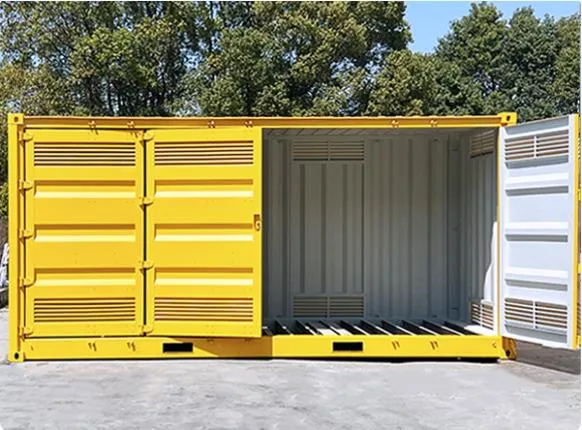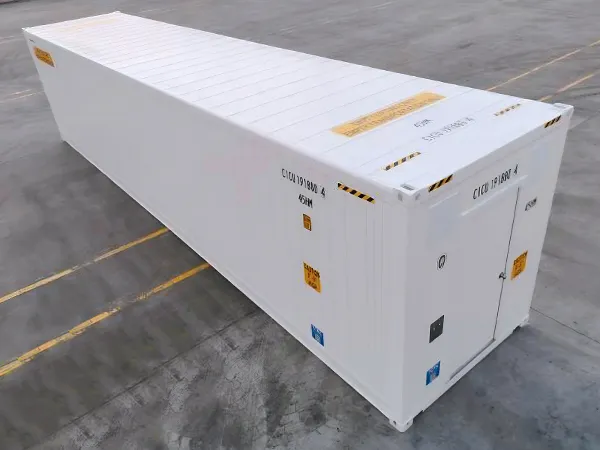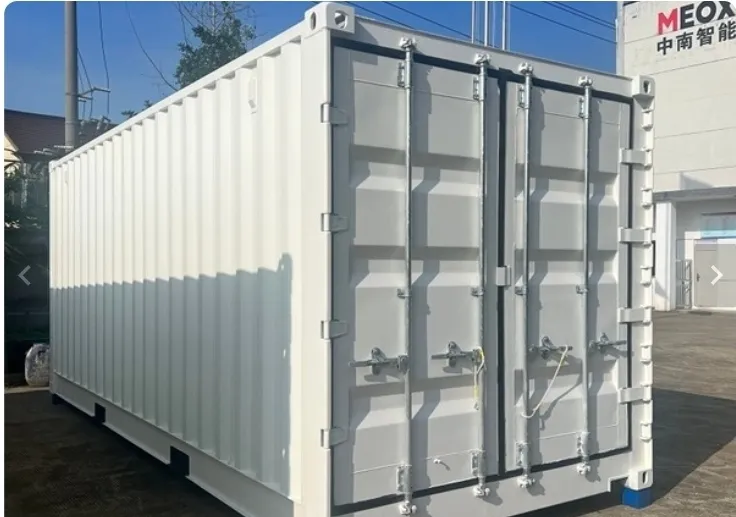
The agricultural sector is undergoing a quiet revolution. As farmers and agribusinesses strive to meet sustainability goals, reduce operational costs, and ensure energy reliability, innovative solutions likeenergy storage shipping containers,battery energy storage containers, andlithium ion battery storage containersare gaining traction. These modular, scalable systems are transforming how farms manage energy—powering everything from irrigation systems to cold storage facilities. This article explores how containerized battery storage is reshaping agriculture, offering efficiency, resilience, and a greener future.
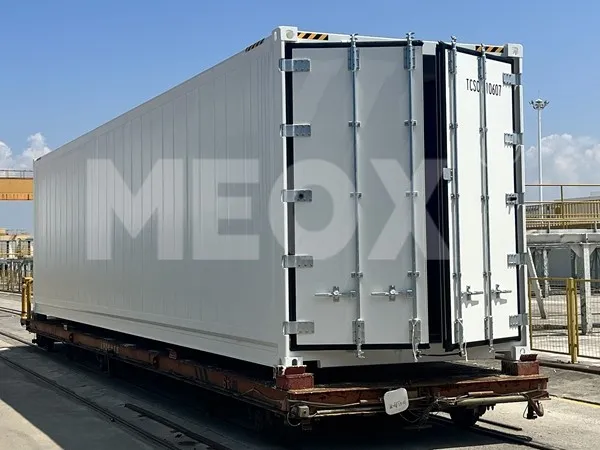
Energy Storage Shipping Containers: A Mobile Power Solution for Farms
The concept of repurposing shipping containers for energy storage is a perfect fit for the agricultural sector.Energy storage shipping containersare portable, self-contained units that house batteries, inverters, and energy management systems. Their modular design allows farmers to deploy them anywhere on the property, whether near solar panels in a sun-drenched field or beside a wind turbine on a remote pasture.
For farms operating off-grid or in areas with unreliable electricity access, these containers provide a lifeline. They store excess renewable energy generated during the day, releasing it during peak demand or nighttime operations. This mobility also means farmers can relocate the units as needed—for seasonal operations or emergency power during extreme weather events. The durability of shipping containers ensures protection against harsh environmental conditions, making them ideal for rural and rugged farming landscapes.
Battery Energy Storage Containers: Bridging the Gap Between Supply and Demand
Battery energy storage containersare engineered to address the intermittent nature of renewable energy sources. Solar panels and wind turbines generate power unpredictably, but agriculture demands consistency. These containers act as a buffer, storing surplus energy and discharging it when needed.
For example, dairy farms requiring 24/7 refrigeration or irrigation systems that operate at night can rely on stored energy without drawing from the grid or diesel generators. This reduces fuel costs and carbon footprints. Additionally,battery energy storage containerscan integrate with smart grid technology, allowing farmers to sell excess energy back to utilities during high-demand periods—a potential revenue stream.
The scalability of these systems is another advantage. Small family farms can start with a single unit, while large agribusinesses can deploy multiple containers to meet escalating energy needs.
Lithium Ion Battery Storage Containers: The Gold Standard in Efficiency
When it comes to performance,lithium ion battery storage containersare leading the charge. Lithium-ion batteries offer higher energy density, longer lifespans, and faster charging compared to traditional lead-acid alternatives. These traits make them uniquely suited for agricultural applications where space, reliability, and efficiency are critical.
Alithium ion battery storage containercan power high-energy equipment like grain dryers or electric tractors without frequent replacements. Their thermal management systems ensure optimal performance in temperature extremes, a common challenge in farming environments. Moreover, their lightweight design reduces transportation costs, and their minimal maintenance requirements free up time for farmers to focus on core operations.
As lithium-ion technology becomes more affordable, its adoption in agriculture is accelerating. These containers are not just an energy solution—they’re a long-term investment in operational resilience.
FAQs About Battery Energy Storage Containers
What are the main advantages of using energy storage shipping containers on farms?
These containers provide portable, weather-resistant, and scalable energy storage. They enable farms to harness renewable energy efficiently, reduce reliance on fossil fuels, and ensure uninterrupted power for critical operations like irrigation and refrigeration.
How do battery energy storage containers improve sustainability?
By storing excess solar or wind energy, these containers minimize waste and lower greenhouse gas emissions. They also reduce the need for diesel generators, aligning with eco-friendly farming practices.
Why choose lithium ion battery storage containers over other types?
Lithium-ion batteries offer superior energy density, longer cycle life, and faster charging. They perform reliably in diverse climates and require less maintenance, making them cost-effective over time.
Can these containers be customized for specific farm needs?
Yes. Containerized systems can be tailored in size, capacity, and configuration to match energy demands, whether for a small organic farm or a large commercial operation.
What is the return on investment for containerized battery storage?
While upfront costs vary, farmers typically see ROI through reduced energy bills, government incentives for renewables, and increased resilience against power outages. Many systems pay for themselves within 5–7 years.
The adoption ofenergy storage shipping containers,battery energy storage containers, andlithium ion battery storage containersis more than a trend—it’s a strategic shift toward energy independence and sustainability in agriculture. By embracing these technologies, farmers are not only future-proofing their operations but also contributing to a cleaner, more resilient food production system. As the sector continues to innovate, containerized battery storage will remain a cornerstone of this transformation.