With rising housing costs and growing environmental concerns, many are seeking innovative housing solutions like container homes. This article compares Container Homes vs Traditional Construction in terms of cost, construction time, and durability to help you make informed choices.
Cost Comparison: Container Homes vs Traditional Construction
A Comprehensive Comparison of Cost, Time, and Durability Initial Investment: Container Homes start at about $20,000 (not including shipping costs), providing a more affordable entry option than conventional homes (which typically exceed $100,000).
Cost per Square Foot:
Container homes: 100–100–120 per sq. ft.
Traditional construction: 500–500–600 per sq. ft. (varies by materials and location).
Customization Costs: Customized container homes may incur additional costs (150–150–300 per sq. ft.), while traditional homes face higher expenses due to complex designs.
Construction Time: Speed and Efficiency
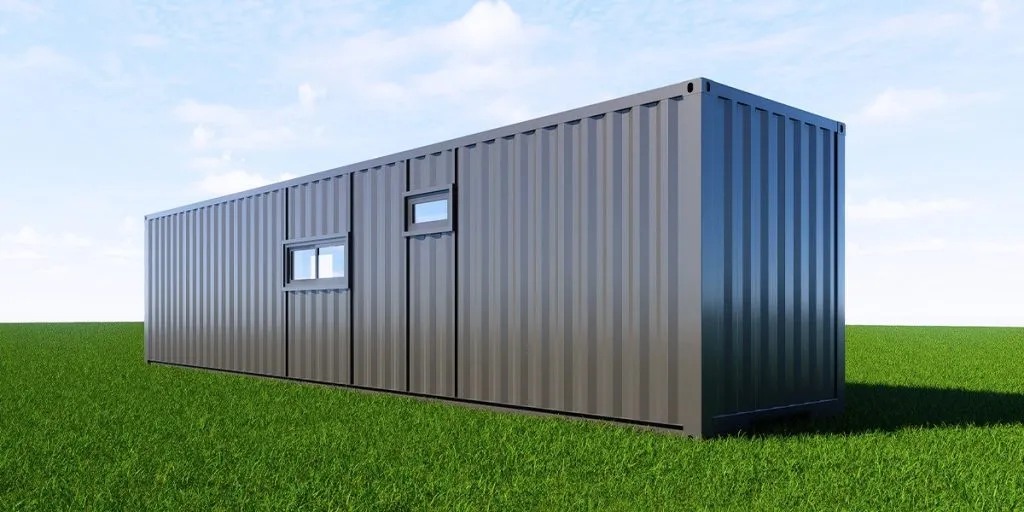
Container Homes: Modular construction allows faster timelines. Key steps include procurement, structural modification, module assembly, and finishing, often completed in weeks. Site preparation and unit construction can occur simultaneously.
Traditional Construction: Sequential processes (design, foundation, framing, utilities, finishing) typically take months.
Container Homes vs Traditional Construction: Durability and Maintenance
Container Homes vs Traditional Construction highlights major differences in material performance.
Structural Strength:
Container homes: Corrugated steel withstands 300–400 kPa compressive strength.
Brick-and-mortar: Brick walls average 150–200 kPa.
Weight:
Container: 2.2–3.8 tons per 20ft unit.
Traditional: 1.5 tons per m² of floor area.
Corrosion Resistance:
Container: Weathering steel lasts 25–30 years.
Traditional: The Concrete carbonation cycle spans 50 years.
Deformation Resistance:
Container: Resists 0.1% inter-story drift.
Traditional: Allows up to 0.2% drift.
| Specification | Container House | Brick and Concrete Structure |
| Compressive Strength | 300-400kPa (Wave Steel Plate) | 150-200kPa (Brick Wall) |
| Self-weight | 2.2-3.8 tons/20ft container | 1.5 tons/m² (Building Area) |
| Corrosion Resistance | Corrosion-resistant steel life 25-30 years | Concrete surface life 50 years |
| Modular Deformation | Can withstand 0.1% inter-layer displacement | Allow 0.2% inter-layer displacement |
Environmental Impact
Sustainability: Repurposing containers reduces waste and promotes recycling.
Energy Efficiency: Properly insulated container homes save energy, while traditional homes depend on material choices (e.g., natural insulation). This is a key point when comparing Container Homes vs Traditional Construction for eco-conscious buyers.
Zoning and Regulatory Considerations
Building Codes: Traditional homes comply with codes like Australia’s BCA (Classes 1–10). Container homes often require special permits and full inspections for permanent use, making Container Home Regulations a critical factor to research in advance.
Location Restrictions: Some areas ban non-traditional structures, affecting feasibility.
Conclusion: Making the Right Choice
When weighing Container Homes vs Traditional Construction, container homes excel in cost efficiency, speed, and durability but face zoning hurdles. Traditional construction offers regulatory ease at higher costs. Prioritize local regulations and personal needs when deciding which path suits you best.