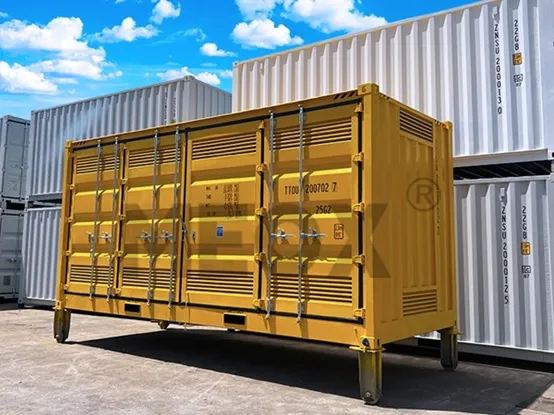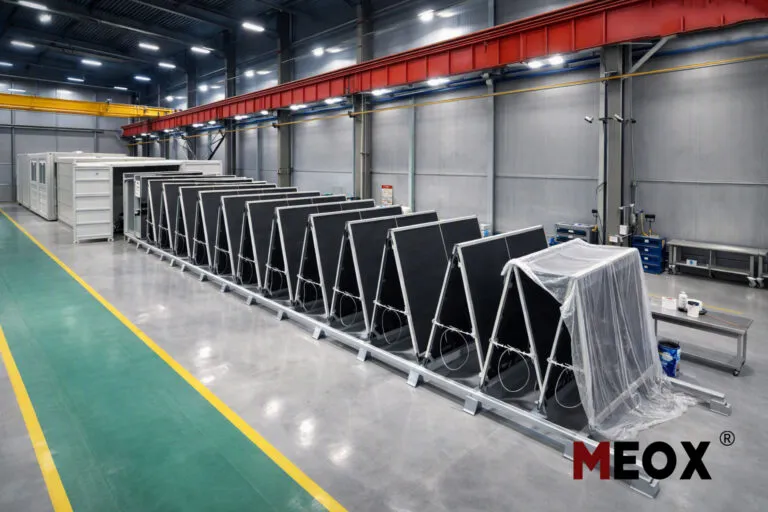
You can put solar panels on shipping containers easily. This gives you many good things. More people are using this for off-grid and moving energy needs. The world market for shipping container solar panels may reach $500 million in 2025. It is growing by 15% each year.
Metric/Aspect | Data/Value |
|---|---|
Market Size (2025) | $500 million |
Projected CAGR (2025-2033) | 15% |
Key Applications | Industrial, Mining, Construction, Disaster Relief, Telecom, Remote Communities |
Many people pick solar panels on shipping containers to save money. They also help the planet and work well far from cities. You get a strong and flexible power source. MEOX gives you ways to get steady solar energy for many uses.
Key Takeaways
Shipping container solar panels give power without needing the grid. You can set them up fast and move them to new places easily. These solar systems help you save money over time. They lower fuel and repair costs and use clean energy that is good for the earth. Strong mounting tools like Domino Clamps keep panels safe. They also let you install panels quickly without hurting the container. Cleaning and checking the panels often keeps them working well. This also helps them last longer, even in dusty or tough places. Modular designs let you add more panels or batteries later. This helps the system grow with your energy needs and makes it ready for the future.
Shipping Container Solar Panels Overview
What Are Shipping Container Solar Panels?
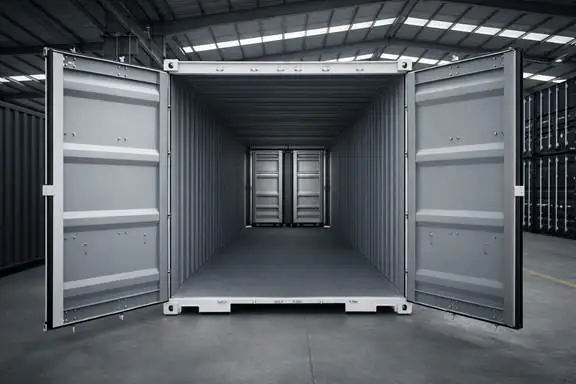
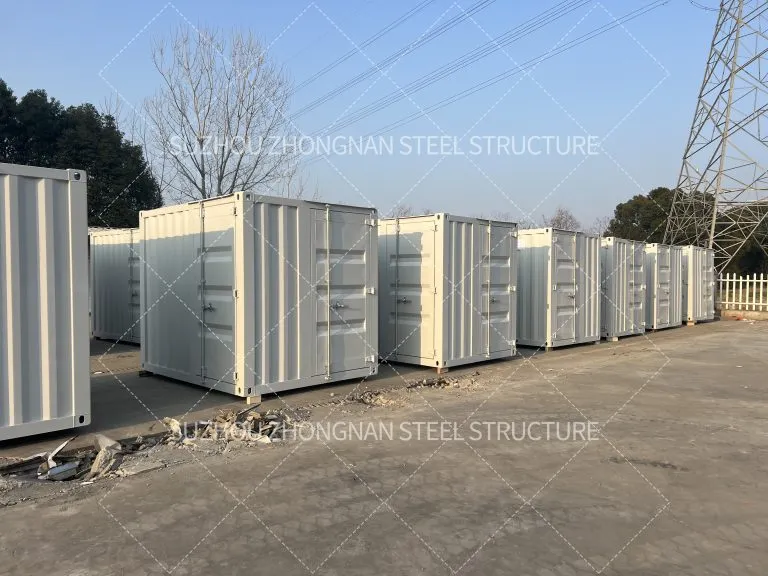
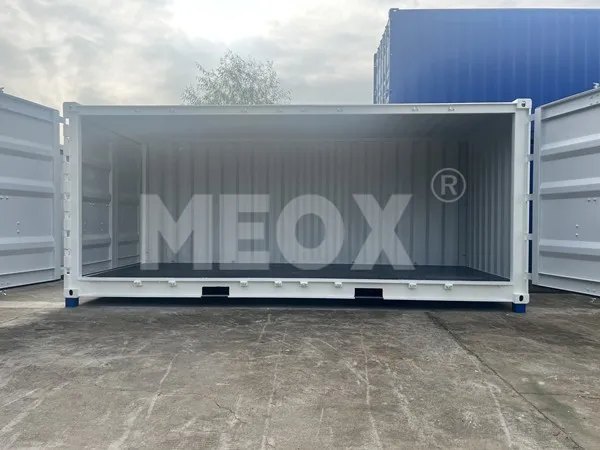
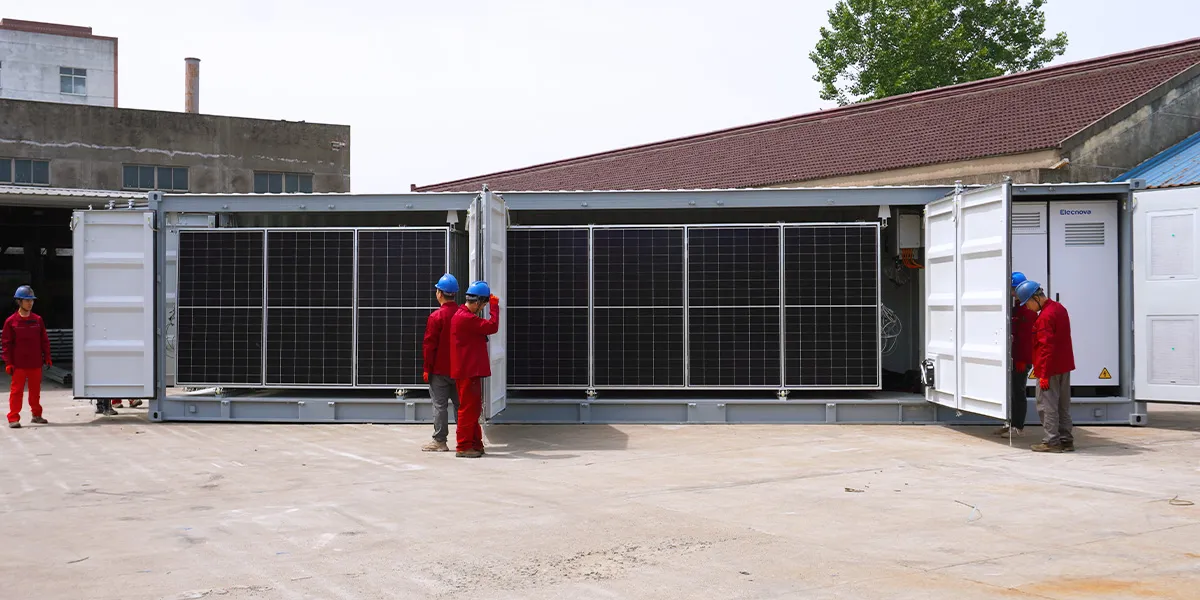
Shipping container solar panels change a regular shipping container into a moving energy station. You can put solar panels on the top or sides of the container. This makes a system you can move, grow, or change when you want. People use these systems for homes not connected to the grid, offices that move, and farm projects. For example, a solar container can power water pumps or keep food cold far from cities. Some projects, like Clinic in a Can, use solar panels on containers to run mobile health clinics. The Solar Chiller project in Zanzibar uses these containers to keep farm food fresh.
Here are some main features of shipping container solar panels:
Modular and bolt-on design lets you build or take apart fast
Uses high-efficiency solar panels, batteries, and smart inverters
Strong and weatherproof for tough places
Easy to use for short or long times
Good for off-grid power and energy freedom
You get steady power even where the public grid is weak or missing. The container holds the panels and keeps the batteries safe inside.
Feature | Shipping Container Solar Panels | Traditional Rooftop Solar |
|---|---|---|
Mobility | High | Low |
Installation Time | Fast | Slow |
Off-grid Capability | Yes | Limited |
Expandability | Easy | Difficult |
Durability | Very High | High |
MEOX Solar Container Solutions
MEOX gives advanced solar-powered container systems for many jobs. You can pick foldable or mobile solar containers. These have panels that fold, smart monitoring, and batteries inside. You can set up a unit in less than one day. You do not need to build anything special first. The design lets you add more containers if you need more power.
These container systems are different from rooftop solar. They are made to move, set up fast, and be flexible. You can use them at building sites, faraway farms, or emergency clinics. The modular design lets you move the system to new places when needed. You also get help after buying, remote checks, and service to keep your solar panels working well.
Benefits of Solar Panels on Shipping Containers
Off-Grid and Mobile Power
Shipping container solar panels give power where there is no grid. These systems work well for homes, clinics, and site offices far away. You can move a solar container by truck or ship. It only takes a few hours to set up. This makes it simple to bring power to new or emergency places.
Solar panels on containers let you have your own energy. You do not need fuel deliveries or loud generators. The batteries inside store solar power for later. You can check your system from far away. If you need more power, you can add more containers. Many people use these for charging tools, lights, and equipment. They also help with cold storage or water pumps in the country.
Tip: Check the battery often and clean the solar panels, Ensure the system is free from any impurities. This helps your system work well.
Here are some main advantages:
You can set up and move them fast
They give steady power day and night
They are quiet and do not make pollution
You can add more if you need more power
They are easy to care for and watch from far away
Cost Savings and Sustainability
You save money over time with solar panels. The first cost is higher than diesel generators. But you do not pay for fuel or lots of repairs. Most people get their money back in less than three years. The table below shows how costs compare:
Generator Type | Upfront Cost Range | Annual Fuel Cost | Maintenance Cost | Break-even Period | 10-Year Fuel Savings |
|---|---|---|---|---|---|
Solar Generators | $1,000 – $5,000 | $0 | Low (cleaning, inspection) | Under 3 years (under 2 years with 30% tax credit) | ~$15,000 |
Diesel Generators | $500 – $10,000 | ~$1,500 | Higher (regular servicing, oil changes) | N/A | $0 |
Solar energy is good for the planet. When you use solar panels on containers, you make less carbon and help the earth. Solar systems use clean energy and do not dirty the air. Factory-made containers are strong and last a long time. They also use less material than old building ways. You help stop climate change and make the future better.
You can get help after you buy your solar system. Many companies give remote checks, tech help, and warranties. If something goes wrong, you can get help fast to keep your solar power working.
Solar Installation Planning and Design
Sizing and System Requirements
First, you need to know how much energy you use daily. Check all your appliances and tools. Write down their wattage and how long you use them. Add these numbers to find your daily energy in kilowatt-hours (kWh). This helps you pick the right number of solar panels for your shipping container.
Factor | 20ft Container | 40ft Container |
|---|---|---|
Roof Area & Panel Count | 6–12 panels (300W–400W each), 1.8–4.8 kWp | Up to 24 panels, 3.6–9.6 kWp |
Mounting Configuration | Needs strong frames and brackets | Stronger frames for more panels and wind load |
Orientation for Sunlight | Long side east-west, roof faces south/north | Same as 20ft for optimal sunlight exposure |
Maintenance Access | Allow space for cleaning and checks | More panels mean more access points needed |
Weight & Shipping Constraints | Not a limit for install, but matters for transport | Heavier, so check shipping rules |
Think about battery storage too. Batteries save extra solar energy for later. A 20ft container works well with a 100–200 kWh battery. A 40ft container may need up to 500 kWh.
Choosing Mounting Methods
Mounting solar panels on a cargo container roof takes planning. You want the system to be strong and easy to care for. Here are some common ways to mount panels:
Domino Clamps: These attach panels without drilling holes. They keep the container strong and make it simple to mount panels.
Unistrut Framing: This uses steel rails to hold the panels. It works for both small and big groups of panels.
No-Drill Brackets: These clamp onto the edges of the container. They do not make holes and protect the container.
Tip: Always put your shipping container on a flat, steady spot. This makes mounting easier and keeps your solar panels safe.
When you mount solar panels, check that bolts and brackets are tight. Make sure the panels face the sun the right way. Leave space for cleaning and fixing. In windy places, use extra anchors to keep things steady.
MEOX Mobile Solar Container Options
A mobile solar panel container is ready to use right away. These units have solar panels, batteries, and smart controls already inside. You can set them up in less than an hour. The design lets you add more containers if you need more power.
Slide-out panels make mounting and cleaning fast.
Plug-and-play wiring makes setup quick.
Built-in battery management keeps your system safe.
Remote monitoring lets you check from anywhere.
Forklift pockets and crane points help you move and stack them.
You can put a mobile solar panel container on gravel or piers. You do not need heavy foundations. The system works well for off-grid places, building sites, and emergencies. You get good solar energy and sunlight if you point it the right way.
If you have questions after setup, support teams can help. They can check your system, fix problems, and send spare parts. This keeps your solar panels working well for a long time.
Installing Solar Panels on Shipping Containers

Preparing the Container
You need to get the site and container ready first. Safety is very important. Always wear a helmet, gloves, and safety shoes. Make sure the shipping container is on flat, hard ground. The ground should not tilt more than 3 degrees. If you must move the container, use a crane that lifts at least 25 tons. Move the container slowly so it does not get damaged.
Here is a simple checklist to help you get ready:
Look for rust or damage on the container.
Open the doors and check the inverter and frame inside.
Take out any wooden blocks or supports.
Clean the roof and sides where panels will go.
Get your tools: screwdrivers, spanners, torque wrench, zip ties, sealant, and lubricants.
Unlock all safety latches before you unfold any solar panel frames.
If strong winds are likely, use ground-fixed nails to keep the container steady.
Tip: Always read the product manual for each solar installation. If you do not know what to do, ask a professional installer for help.
Mount Solar Panels Securely
You need to plan carefully to mount solar panels. The panels must stay safe in all weather. Use strong mounting systems like Domino Clamps or Unistrut framing. These let you attach panels without drilling or welding. This keeps the container strong and makes it easy to move or change the panels later.
Here are some good tips for mounting:
Put the weight on the container’s corner castings and top side rails. Do not put heavy things on the roof panels.
Use flexible brackets so you can put panels on or take them off easily.
Place the panels where they get the most sunlight. You can turn the container or use mounts that move.
Leave space around each panel for cleaning and fixing.
In windy places, add more anchors or supports.
Projects like Clinic in a Can and the Solar Chiller show how Domino Clamps and steel brackets help keep panels safe. These systems work well in faraway places and let you set up or take down panels quickly.
Table: Key Mounting Considerations
Factor | Best Practice |
|---|---|
Weight Distribution | Use corner castings and side rails |
Mounting System | Domino Clamps, Unistrut, no-drill brackets |
Sunlight Exposure | Adjust container or panel angle |
Maintenance Access | Leave space around panels |
Wind Resistance | Add anchors, use reinforced frames |
It is also important to keep water out. Seal all mounting points with silicone or polyurethane sealant. Use roof flashing around holes for cables or vents. Protect wires with waterproof fittings. You can also use a ceramic insulation coating to stop leaks and control wetness inside. Check seals and coatings often, especially after storms.
Electrical Setup and Battery Storage
After you put up the solar panels, you need to connect the electrical system. Put the inverter and battery storage inside the container to keep them safe from weather. Run the DC cables from the panels through sealed cable holes into the container. Use zip ties and cable trays to keep wires neat and safe.
Connect the solar panels to the inverter with the right connectors. The inverter changes DC power from the panels into AC power for your devices. You can send the inverter output to an outside power plug, like a 50A RV outlet, for easy use. This setup lets you use the container as a power source for buildings, equipment, or vehicles.
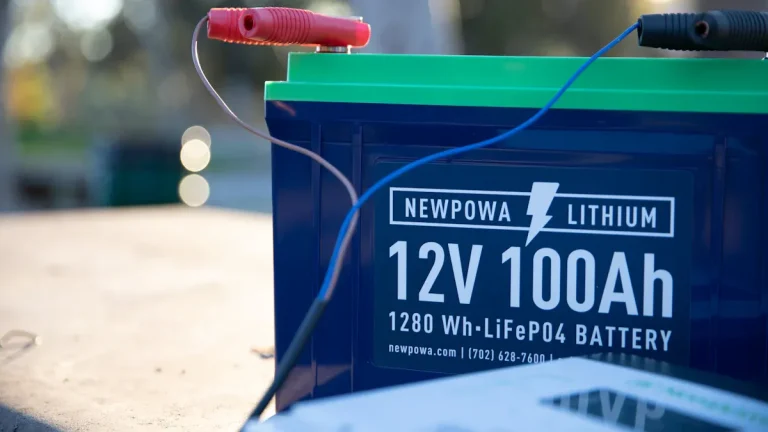
Lithium-ion batteries are best for storage. They can last up to 20 years and need a battery management system (BMS) to stay safe. Pick a battery size based on how much backup power you need. For example, a 20ft container might use a 100–200 kWh battery. A 40ft container can hold up to 500 kWh. Always use certified batteries and follow safety rules.
Note: Leave space around batteries and inverters for cooling and fixing. Check all connections before you turn on the system.
If you have problems after setup, most suppliers can help you from far away. You can get help with fixing problems, spare parts, or advice. Regular checks and cleaning will keep your solar power system working well.
Maintenance and Expert Tips
Routine Checks and Cleaning
Taking care of your shipping container solar panels helps them work well. You should check and clean them often. The table below shows what to do and when:
Maintenance Interval | Recommended Tasks |
|---|---|
Monthly | Clean solar panel surfaces, check battery electrolyte levels, inspect electrical connections, monitor inverter and charge controller performance |
Quarterly | Test batteries, analyze solar array performance, inspect mounting structures, and wiring |
Annual | Full system test, load analysis, efficiency check, calibrate monitoring tools, inspect ventilation |
Use a soft brush or microfiber cloth to clean the panels. Use mild soap and water for washing. Clean in the morning or late afternoon to avoid heat. If you cannot reach some panels, hire a professional. Clean more often if you live where it is dusty or dirty. After cleaning, check if your solar output gets better.
Keep batteries in a cool, dry spot. Do not let them get too full or too empty. Look for rust and keep the ends clean. If you use lead-acid batteries, add water when needed. Write down what you do for maintenance. This helps you find problems before they get worse.
Tip: Try super-hydrophobic coatings, robotic cleaners or magnetic separators from MagnetGlobal. These can make cleaning easier and help your solar panels work better.
Troubleshooting Common Issues
Sometimes, you may have problems with your solar panels. Checking them often helps you find issues early. Here are some common problems and what to do:
Low Power Output: Look for dirt, loose wires, or shade. Clean the panels and tighten any loose wires.
Inverter Errors: Turn the inverter off and on again. If it still does not work, read the manual or call for help.
Battery Problems: Check for swelling, leaks, or low power. Change bad batteries and fix the charge settings.
Weather Damage: After storms, look for rust, leaks, or dents. Fix rust and seal leaks with waterproof caulk.
Monitoring Issues: Use tracking devices to watch your system. These help you see if the power drops or if something is wrong.
Bad weather can make things harder. Put on waterproof coatings, clear away trash, and make frames stronger. Always attach panels to strong parts of the container. If you see big damage, call an expert to fix it.
Smart monitoring systems help you watch your solar panels. These tools show you updates about where your system is, how hot it is, and how it is working. They help you fix problems fast and keep your solar panels working well.
Putting solar panels on shipping containers gives you steady energy for many things. Real projects show that strong mounts and good panel spots help a lot. Cleaning the panels often keeps them working for a long time. You can add more solar panels if you need more power later. Try these steps:
Make sure the solar panels and frames are tight.
Use the container’s strong parts to hold the panels.
Clean and check your solar system many times.
Taking care of your system and watching it closely helps you get the most power. Look at new solar container ideas to help power your future.
FAQ
How long does it take to install solar panels on a shipping container?
Most users finish basic installation in less than one day. If you use a pre-assembled mobile solar container, setup can take under an hour. Always check the manual for your system before starting.
What should you do if your solar panels stop working after a storm?
First, check for visible damage or loose wires. Clean off any debris. If the system still does not work, contact your supplier’s support team. Many companies offer remote troubleshooting and can send replacement parts if needed.
Can you expand your solar container system later?
Yes, you can add more panels or battery storage as your energy needs grow. Modular designs make upgrades easy. For example, a farm in Kenya added extra panels during harvest season to power more equipment.
How do you keep your solar panels clean in dusty areas?
Step | Action |
|---|---|
1 | Use a soft brush or blower |
2 | Wash with mild soap and water |
3 | Clean early morning or late afternoon |
Regular cleaning helps keep your system efficient. In very dusty places, clean panels every two weeks.