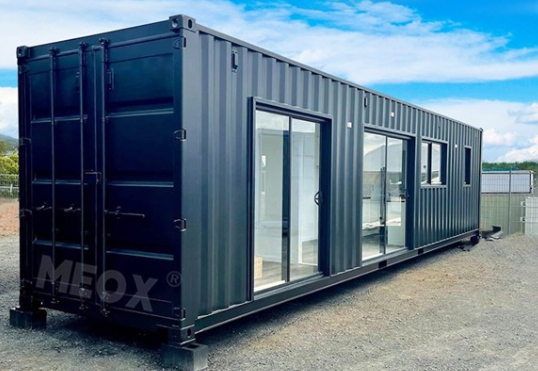
In the bustling world of logistics and cargo transportation, double ended shipping containers have carved out a niche for their convenience and functionality. These containers, also known as double door shipping containers or shipping container with doors on both ends, offer enhanced accessibility for loading and unloading. However, understanding their weight capacities is crucial for ensuring safe and efficient transportation. Whether you’re a shipping professional or a business owner looking to transport goods, knowing the weight limits of these containers can prevent overloading, avoid damage to the container and cargo, and comply with transportation regulations.

Standard Weight Capacities of Double Door Shipping Container
Double door shipping containers come in various sizes, and each size has its own standard weight capacity. For a common 20-foot double ended shipping container, the typical maximum payload capacity ranges from around 24,000 to 28,000 kilograms, depending on the container’s construction quality and design. This means that the combined weight of the goods loaded into the container should not exceed this limit to ensure safe handling and transportation. A 40-foot shipping container with doors on both ends usually has a higher payload capacity, often between 26,000 and 32,000 kilograms. These standard capacities are set to balance the container’s structural integrity with the need to carry substantial loads, making them suitable for a wide range of cargo types.
Factors Affecting Weight Capacities of Shipping Container with Doors on Both Ends
Several factors can impact the weight capacities of shipping container with doors on both ends. The material used in constructing the container plays a significant role. Containers made from high-grade steel tend to have higher weight capacities as they can withstand greater stress. The thickness of the steel walls and the strength of the corner castings also contribute to the overall weight – bearing ability. Additionally, the design and reinforcement of the doors in a double ended shipping container are important. Well – designed and reinforced doors can distribute the weight of the cargo more evenly, allowing the container to handle heavier loads. Environmental factors during transportation, such as road conditions and vibrations, can also affect the container’s ability to carry weight safely. A container that will be transported on rough roads may need to operate below its maximum capacity to avoid structural damage.
Importance of Adhering to Weight Limits in Double Ended Shipping Container
Adhering to the weight limits of double ended shipping containers is of utmost importance. Overloading a double door shipping container can lead to serious consequences. It can cause excessive stress on the container’s structure, leading to deformation, cracks, or even collapse. This not only endangers the cargo but also poses a risk to the safety of the transportation workers and other road users. Overloaded containers can also affect the stability of trucks, ships, or trains, increasing the likelihood of accidents. Moreover, violating weight limits can result in hefty fines and legal issues, as transportation regulations are strictly enforced. By respecting the weight capacities of shipping container with doors on both ends, you ensure the integrity of the supply chain and the smooth flow of goods.
Calculating Payload for Double Door Shipping Container
Calculating the payload for a double door shipping container requires careful consideration. First, you need to know the tare weight of the container, which is the weight of the empty container itself. Subtract this tare weight from the maximum gross weight (the total weight of the container when fully loaded) specified for the container. The resulting number is the payload capacity, or the maximum weight of the goods that can be loaded. For example, if a 40-foot double ended shipping container has a tare weight of 4,000 kilograms and a maximum gross weight of 30,000 kilograms, the payload capacity is 26,000 kilograms. It’s essential to accurately weigh the cargo before loading it into the shipping container with doors on both ends to stay within the allowable limits and avoid any potential problems during transportation.
Double Ended Shipping Container FAQS
Can I Increase the Weight Capacity of a Shipping Container with Doors on Both Ends?
In most cases, you cannot increase the weight capacity of a shipping container with doors on both ends beyond its specified limit. The weight capacity is determined by the container’s design, construction materials, and structural integrity, which are engineered to meet specific standards. Modifying the container to increase its weight capacity is not only difficult but also extremely dangerous and illegal in many regions. Overloading a double ended shipping container can lead to structural failure during transportation, causing serious damage to the cargo, the transportation vehicle, and endangering lives. It’s always best to abide by the manufacturer – specified weight limits for the safety of everyone involved in the shipping process.
What Happens if I Overload a Double Door Shipping Container?
Overloading a double door shipping container can have multiple negative consequences. Structurally, the container may experience excessive stress, leading to dents, cracks, or even breakage in the walls, floors, or doors. This can cause the cargo to shift during transit, increasing the risk of damage to the goods inside. From a transportation perspective, an overloaded container can affect the stability of the truck, ship, or train carrying it, making it more prone to accidents. Additionally, transportation authorities strictly enforce weight limits, and if caught with an overloaded double ended shipping container, you may face substantial fines, penalties, and legal action. In extreme cases, your shipping operations could be suspended, causing significant disruptions to your business.
How Do I Accurately Measure the Weight of Cargo for a Double Ended Shipping Container?
To accurately measure the weight of cargo for a double ended shipping container, you can use industrial – grade weighing scales. For smaller items, portable weighing scales can be used to weigh each piece individually, and then the total weight can be calculated by summing up the weights. For larger or bulkier items, platform scales or weighbridges are more suitable. These scales can handle heavy loads and provide precise weight measurements. If your cargo is palletized, you can weigh the entire pallet, including the goods and the pallet itself, and then subtract the weight of the empty pallet to get the net weight of the cargo. It’s crucial to ensure that the weighing equipment is calibrated correctly to obtain accurate results and stay within the weight capacity of your shipping container with doors on both ends.
Are There Different Weight Capacities for New and Used Double Door Shipping Container?
In general, the weight capacity of a double door shipping container is determined by its design and construction and is specified by the manufacturer. New and used containers of the same model and size should have the same maximum weight capacity when they are in good condition. However, a used container may have reduced structural integrity due to wear and tear, rust, or previous damage. In such cases, it’s advisable to have the container inspected by a professional before loading it to ensure that it can still safely carry its rated weight. Even if the weight capacity rating remains the same on paper, a used double ended shipping container may require more careful handling and loading to avoid potential issues during transportation.
Do Weight Capacities Vary Based on the Destination of the Double Ended Shipping Container?
The weight capacities of double ended shipping containers are primarily determined by their physical characteristics and construction, not by the destination. However, different regions and countries may have specific transportation regulations regarding maximum allowable weights on roads, bridges, and in ports. These regulations can influence how much weight you can actually load into a shipping container with doors on both ends for a particular journey. For example, a route with older or weaker bridges may have lower weight limits for passing vehicles, which could restrict the amount of cargo you can load into the container. It’s essential to research and comply with the weight regulations of the regions through which your double door shipping container will travel to ensure a smooth and legal transportation process.