Eco-lodges and off-grid glamping sites promise something that ordinary hotels cannot: a close connection to nature without losing basic comfort. Guests still expect light after sunset, reliable charging points, warm showers, and a reception desk that can handle daily operations. In that setting, renewable energy systems are not a background detail. They shape how the property works, how it feels, and how easy it is to run.
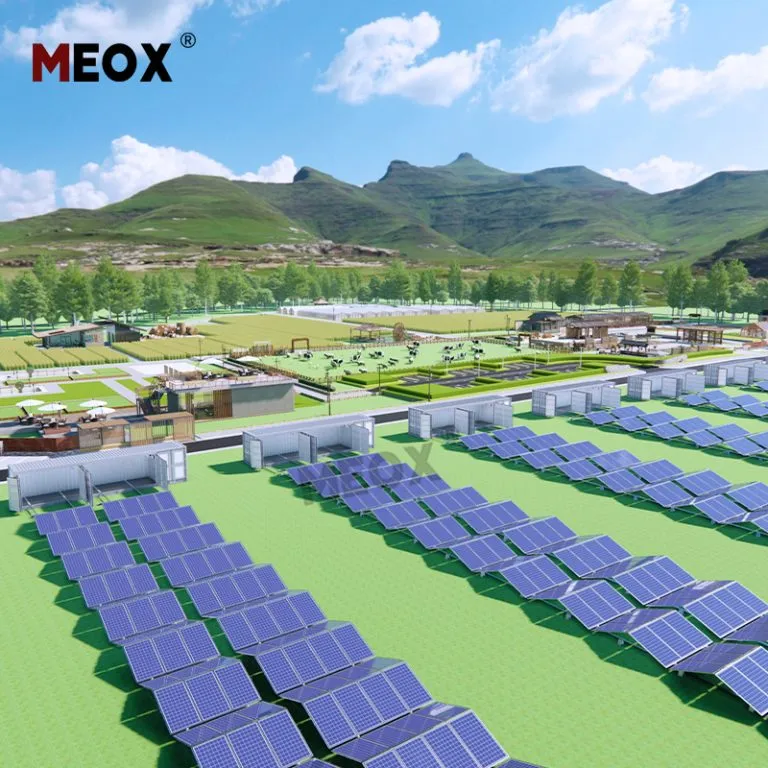
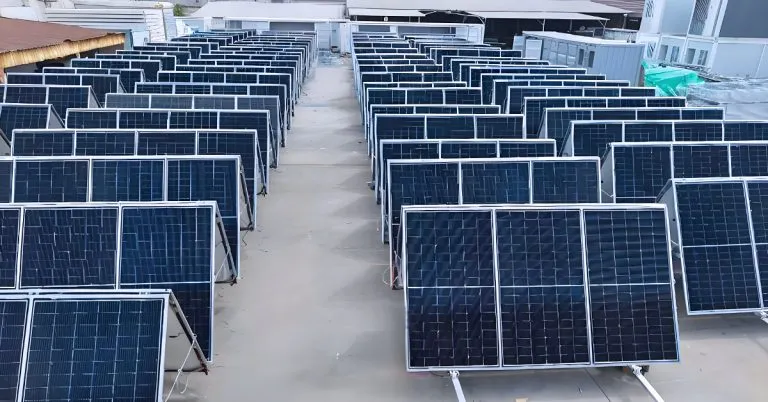
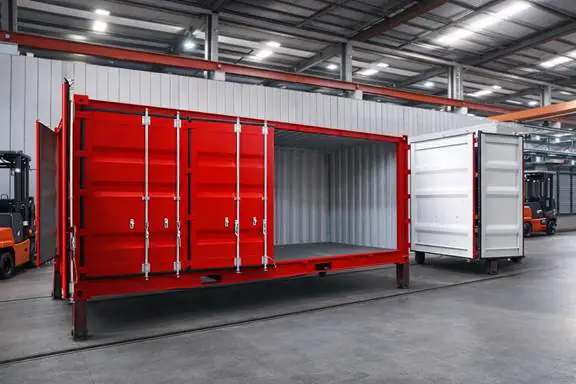
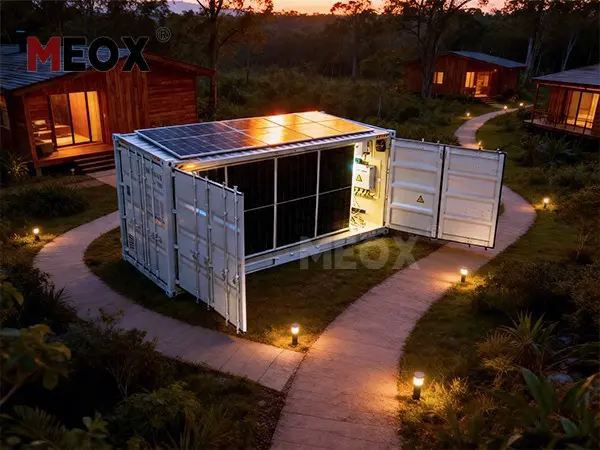
For many projects, a solar container offers a practical way to deliver that support. It can be placed close to guest clusters, service areas, or future expansion zones without forcing major site works. For hospitality teams managing scattered cabins, tents, or pods, renewable energy systems need to fit the layout rather than fight it. In practice, renewable energy systems also affect how quickly a site can open and how smoothly it can scale.
Renewable Energy Systems and the Power Reality of Eco-Lodges
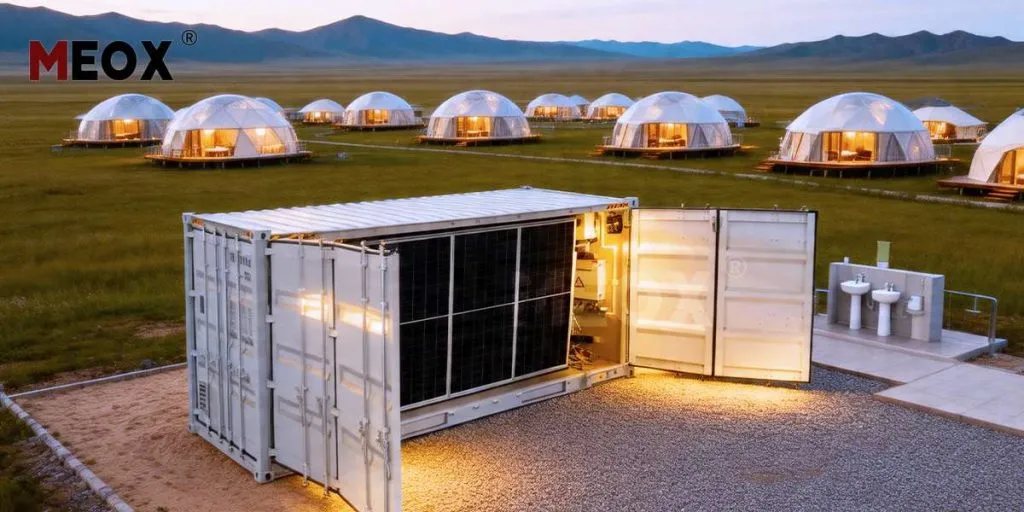
The first thing to understand is that eco-lodges rarely use electricity in one neat block. A small property may have guest cabins, a reception desk, pathway lights, a shared kitchen, wash areas, and staff accommodation. Off-grid glamping sites can be even more spread out, with separate tents or domes placed across uneven ground. Renewable energy systems must support all of those spaces in a way that feels simple to the operator.
The real challenge is not only total consumption. It is timing. Lights come on in the evening, charging peaks after dinner, and wash areas may draw power steadily through the day. A solar container can help organize that demand by acting as a central power point for the areas that matter most. That makes renewable energy systems easier to plan around guest comfort instead of treating electricity as a separate technical issue.
Renewable Energy Systems: Power Planning for Guest Spaces
Lighting is one of the most visible parts of the stay. Guests need safe movement from parking areas to reception, from reception to cabins, and from cabins to shared bathrooms after dark. Path lights, step lights, and low-glare markers help define circulation without making the site feel overbuilt. These systems are well suited to this kind of use because the loads are steady, modest, and important every night.
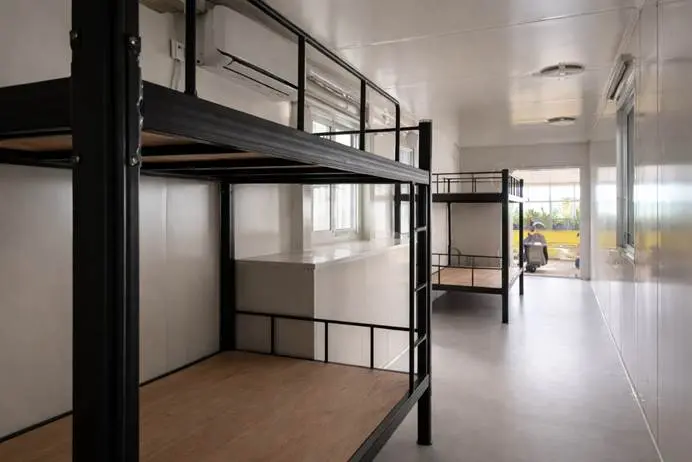
Inside guest units, the lighting needs are more specific. A sleeping area needs soft light, while a wash area or reading corner may need something brighter and more focused. In a glamping tent or dome, the layout matters just as much as the fixture itself. A solar container can provide a stable base for those loads, especially when units are separated and spread across the property.
Outdoor ambience is another reason renewable energy systems matter. Many eco-lodges rely on warm exterior lighting to create atmosphere around decks, trees, terraces, and dining areas. The result is not just visibility. It is part of the guest experience.
Charging and Daily Convenience
Charging has become a basic expectation even in remote destinations. Guests want to power phones, cameras, tablets, and laptops after a day outdoors. In some properties, they may also need to charge a speaker, shaver, or other small device. Renewable energy systems have to support that habit without making the site feel limited or inconvenient.
That is why charging points should be planned as part of the guest journey. Some properties place them beside beds. Others gather them in a lounge, reception area, or dining space. A solar container can support these shared zones well because it gives the operator a central source of power for practical daily use.
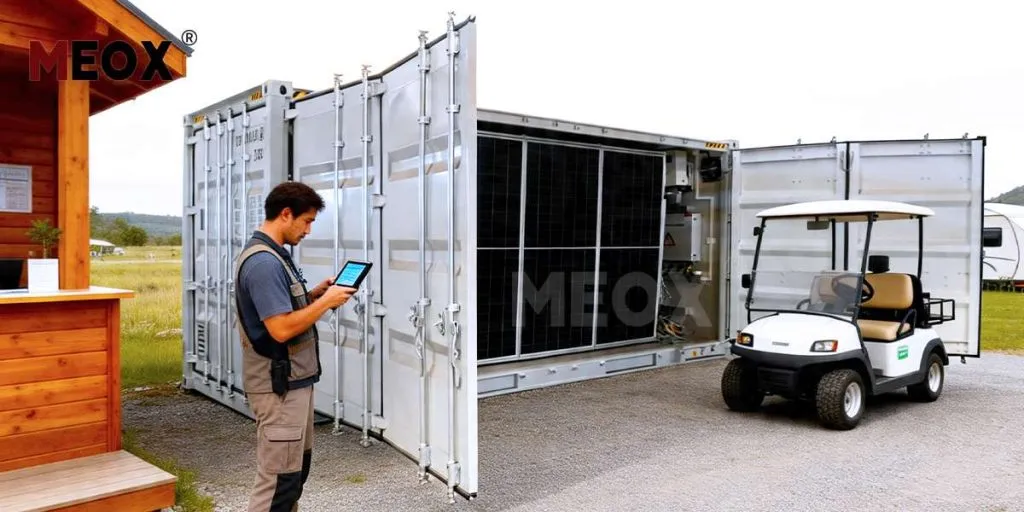
Staff charging matters too. Reception teams use phones, tablets, booking devices, and radios throughout the day. Maintenance teams may rely on handheld tools or communication gear. When renewable energy systems support both guest comfort and staff operations, they become part of the property’s daily workflow rather than a separate utility.
Basic Living Loads
Beyond lighting and charging, eco-lodges and glamping sites need power for a long list of small but important living loads. Fans, mini-fridges, kettles, hair dryers, and water pumps all affect whether a stay feels convenient or frustrating. Renewable energy systems are most useful when they can handle these everyday needs without forcing the operator to give up comfort.
Bathrooms and wash areas deserve special attention. Guests expect these spaces to be clean, well lit, and easy to use. Lights, ventilation, and small auxiliary devices all depend on dependable power. A solar container can support shared facilities when they sit away from the main reception area or across several accommodation clusters.
The operational side matters just as much. Reception desks need computers and printers. Kitchens may need refrigeration or simple beverage service equipment. In that sense, renewable energy systems are not only about the guest experience. They also keep the business side moving.
Layout Planning and Site Growth
The layout of an eco-lodge is often part of its appeal. Guest units may be separated to protect privacy and views, while common areas sit somewhere else to reduce noise and crowding. That creates a power challenge. Renewable energy systems must work across distance, not just within one building footprint.
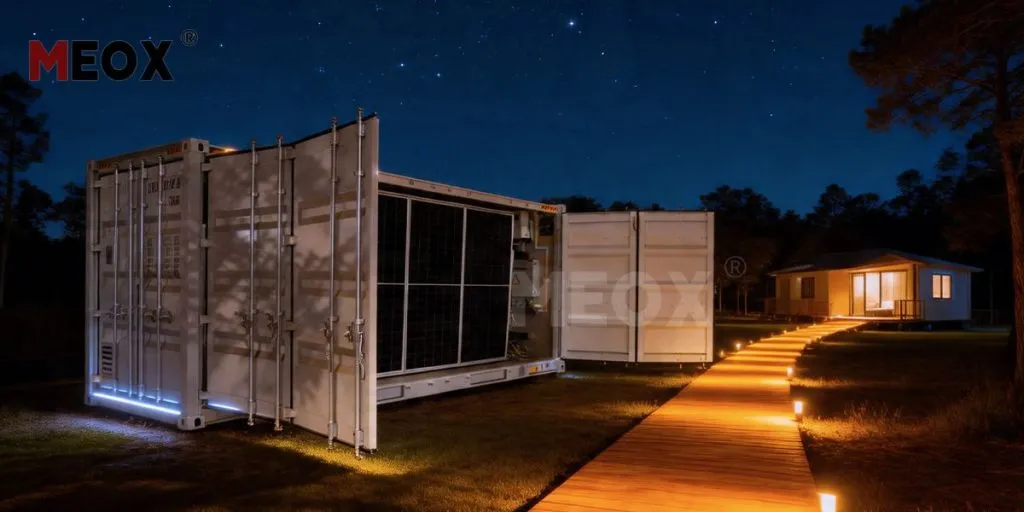
A solar container fits that situation because it can be positioned where the site actually needs support. It might sit near a service zone, at the edge of a parking area, or close to a cluster of cabins or tents. For operators, that flexibility is useful when the property is still evolving. Many glamping sites start small and expand in phases. New units, decks, or wash areas are added as demand grows, and renewable energy systems that can adapt to those changes are easier to manage.
This is also where the term renewable energy systems should be understood in a practical way. In hospitality settings, it is not only about cleaner energy. It is about making power usable in a layout that changes, spreads out, and needs to stay visually calm.
Safety and Low-Disruption Operation
Safety is part of guest comfort, even when it does not appear in the brochure. Pathway lights, entry lights, perimeter lights, and CCTV all help guests feel secure after dark. In remote sites, these functions matter even more because there may be no nearby utility network to fall back on. Renewable energy systems help keep those basics available without the noise and fuel handling associated with conventional backup equipment.
A solar container can also support backup power during short interruptions. That is valuable in a property where even a brief outage can affect lighting, communication, or front desk activity. Guests in a remote lodge do not expect an urban grid, but they do expect consistency. These systems help maintain that consistency in a way that fits the rhythm of an off-grid property.
Noise matters too. One reason people choose eco-lodges and glamping sites is to enjoy quiet. A power solution should not disturb that atmosphere. Renewable energy systems are especially valuable when the aim is to support operations without changing the feel of the place.
Renewable energy systems: What Buyers Should Review Before Choosing a Solar Container
For owners and project teams, the question is not simply whether renewable energy systems are useful. It is which setup matches the site’s actual use pattern. The first thing to review is daily load. How many lights are on after sunset? How many devices are charged each evening? Which spaces run for long hours, and which are only used at certain times? Those details matter more than a rough estimate.
The second thing to review is layout. A solar container works best when it is placed in a position that matches the site’s movement and maintenance needs. Staff should be able to reach it easily, and the power it provides should support the zones that matter most. In a scattered hospitality site, that often means serving guest units, wash areas, and central services together.
The third thing to review is growth. Many eco-lodges expand after the first season. More tents are added, more lighting is requested, or a new lounge space appears. Renewable energy systems that leave room for expansion are easier to manage and less likely to require a full redesign later.
Conclusion
Eco-lodges and off-grid glamping sites need power, but they need it in a way that respects the character of the place. Guests want comfort, staff need reliability, and operators need a system that can grow with the site. Renewable energy systems are valuable because they support lighting, charging, safety, and daily operations without making the property feel industrial.
For many projects, a solar container offers a practical way to bring those functions together. It fits scattered layouts, supports phased expansion, and helps keep the guest experience quiet and uncomplicated. In these properties, renewable energy systems are not just background infrastructure. They are part of what makes the experience work, and renewable energy systems can remain flexible as the property evolves.