
Solar Container for Agriculture: What You Need to Know for Sustainable Farming
A solar container for agriculture gives you steady solar power where you need it. It is easy to move and use. Many farms pay a lot for fuel and have power problems. A solar container lets you make clean energy on your farm. This helps the environment and saves you money. In Kenya, one farm used less diesel by 60% with this technology. They also grew more crops. You get a strong advantage and keep your farm working well, even far from cities.
Key Takeaways
Solar containers give farms clean and steady power. They help save money and keep the earth safe. These systems are simple to set up fast. They can grow bigger as your farm gets bigger because of modular designs. Solar containers help farms use less diesel and firewood. This saves money and makes less pollution. Smart controls and batteries help farms use energy better. They lower bills and help farms work well. Many farms around the world use solar containers. They use them for irrigation, storage, and processing. This helps farms grow more food and waste less.
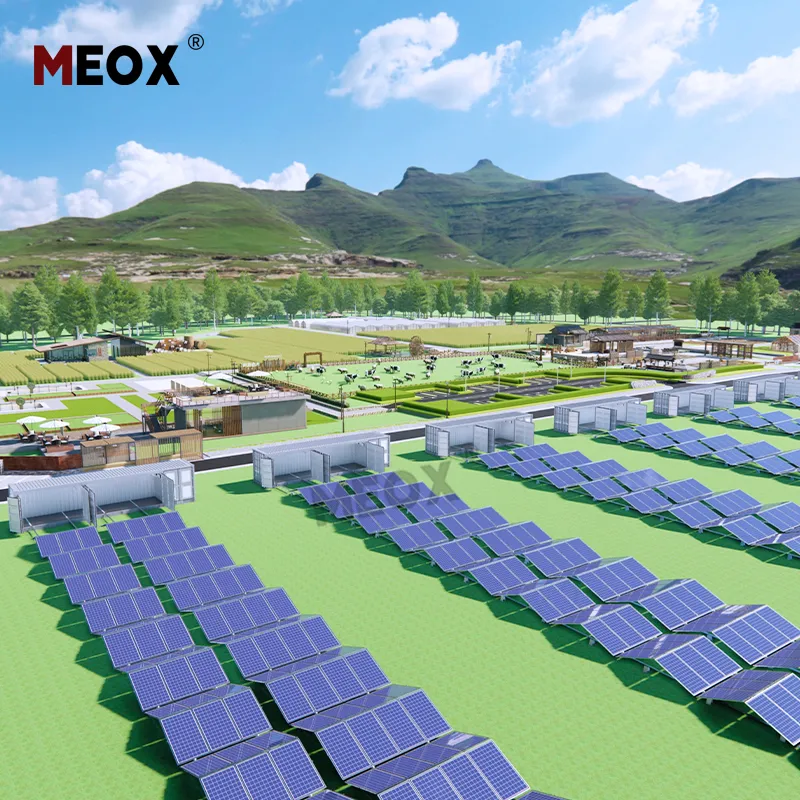
Solar Container for Agriculture: Overcoming Energy Challenges
A solar container for agriculture helps fix energy problems on farms. Many farms far from cities do not have steady power from the grid. You need good energy for irrigation, storage, and processing. A solar powered off-grid unit helps your farm work even if the grid is not close or does not work well.
Rural Electrification Gaps
Lack of reliable grid access in remote fields and outlying estates
Some farms are too far for the power grid to reach. Many farms in Africa and Asia have this issue. Farmers use firewood or diesel generators instead. This costs a lot and is hard work. Women often spend hours gathering firewood. Diesel is expensive and sometimes hard to get. Climate change makes things harder with droughts and less crops. Without steady power, you cannot use pumps or cold storage. This stops your farm from growing and earning more.
- Many rural farms use firewood because electricity costs too much.
- Gathering firewood takes time and hurts nature.
- High starting costs and not enough skills make solar hard to use.
- Bad roads and no grid lines stop you from getting steady power.
- Social habits and gender roles can slow down new technology.
High diesel fuel costs and logistical headaches
Using diesel generators is very expensive. You must buy fuel, move it, and fix engines often. Diesel prices change fast, so it is hard to plan money. Solar container for agriculture systems help lower your costs and use less fuel. You get steady energy prices and less pollution.
| Energy Application | Solar Container Cost (USD/kWh) | Diesel Cost (USD/kWh) | Additional Benefits of Solar Container |
| Water Purification | 0.39 | 0.63 (0.52-0.80) | Lower cost swings, no emissions |
| Milk Chilling | 0.38 | 0.59 (0.48-0.76) | Cuts greenhouse gases (~85,799 kg CO2 over 20 years) |
Tip: Solar containers help you avoid running out of fuel and need less fixing. You can use batteries to save energy for cloudy days.
Seasonal & Peak Load Variability
Irrigation vs. processing vs. cold-storage demand swings
Your farm needs more or less energy at different times. In summer, you need more power for irrigation. At harvest, you use cold storage and machines. These changes make it hard to control costs. Energy can be 15-30% of your farm’s total costs, especially when you are busy.
- Peak demand charges can make your bills higher if you use lots of power at once.
- Battery storage helps you avoid these high costs by saving energy.
- Solar systems let you use net metering, so you can store credits when you make extra power.
Need for fast-response power during harvest peaks
During harvest, you need quick and strong power for machines. Solar containers with batteries give you fast energy. You can use pumps, dryers, and coolers without waiting for the grid or diesel. This keeps your crops fresh and your farm working well.
- Use timers to run pumps at night and save money.
- Store energy in batteries for sudden high needs.
- Solar energy works well with daytime farm work, so you use less grid power during busy hours.
Environmental & Regulatory Pressures
Reducing carbon footprint and meeting clean-energy mandates
Many countries want farms to lower emissions. You may get fines or lose grants if you do not follow the rules. Solar container for agriculture systems help you meet these rules. You get clean energy and can earn carbon credits or tax breaks.
- Renewable energy lowers greenhouse gases and air pollution.
- Clean energy helps you follow new laws and avoid fines.
- Some programs give you money back for using solar power.
Minimizing noise, emissions, and on-site fuel storage risks
Diesel engines are loud and pollute the air. Storing fuel on your farm can be dangerous and break safety rules. Solar containers are quiet and do not need fuel storage. This makes your farm safer and nicer for workers and neighbors.
- Solar systems lower noise and remove fuel spill dangers.
- You do not have to worry about fuel deliveries or storage checks.
- Clean energy makes your farm look better and meets what buyers want.
Main Components of Solar Container for Agriculture
A solar container for agriculture uses many important parts to give you steady, clean power:
- Solar panels: Take sunlight and turn it into electricity for your farm.
- Batteries: Save extra energy for night or cloudy days.
- Inverters: Change stored DC power into AC power for your machines.
- Charge controllers: Stop batteries from getting too full.
- Wiring and mounts: Connect and hold the system safely.
- Monitoring systems: Help you watch how things work and find problems early.
- Optional backup generator: Gives extra power if solar is not enough.
- Cooling systems: Keep inverters cool in hot weather.
All these parts work together in a modular way. You can make your solar powered off-grid unit bigger or smaller as your farm grows. Smart controls help you manage loads, save energy, and keep your farm running well.
Note: Many farms in Kenya and India now use solar containers for irrigation and cold storage. They say costs are lower, there are fewer breakdowns, and crops grow better.
A solar container for agriculture gives you a strong and flexible way to get the energy you need. You can save money, follow new rules, and keep your farm working, even when things are tough.
Solar Container for Agriculture: A Farm-Ready Solution
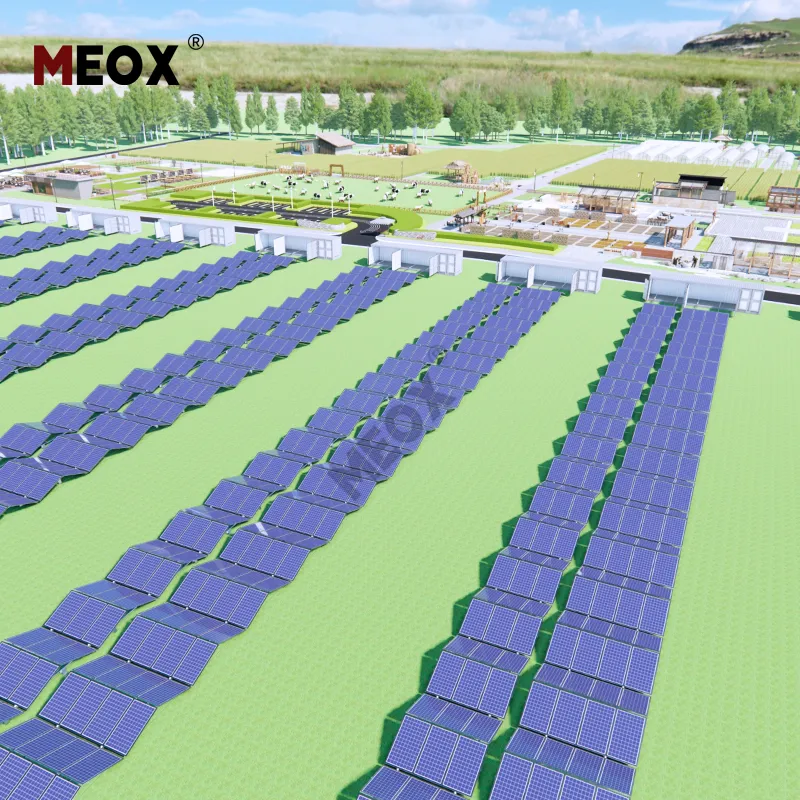
A solar container for agriculture gives your farm power fast. You can use off-grid shipping containers to bring clean energy to your fields. This helps you save money and protect the environment. It also keeps your farm running well.
Solar Container for Agriculture: Plug-and-Harvest Deployment
Pre-integrated PV, batteries, inverters—all in one ISO container
You get all the main parts in one container. The solar panels, batteries, and inverters are already inside. You do not need to buy more parts or hire many workers. Off-grid shipping containers come ready to use.
Setup in under a day with minimal civil works
You can set up a container farm in just a few hours. Two people can put the unit on flat ground and connect it. You do not need to dig or use special tools. Plug-and-play wiring makes setup easy. Farms in Kenya and India use this to save time. They cut setup time by 30%. You can start using solar power almost right away.
Modularity & Growth on Demand
Snap-together units to scale from tens of kW to multiple MW
You can add more container farms as you need more power. Each unit connects easily to the next one. This lets you grow from small to large without big changes.
Flexible siting: field edges, barn rooftops, mobile trailers
You can put container farms almost anywhere you want. Place them at the edge of a field, on a barn roof, or on a trailer. This makes it easy to use your land well and move the system if you need to.
Hybrid Integration Options
Seamless tie-in with diesel backup or existing grid connection
You can connect your solar container for agriculture to a diesel generator or the local grid. This gives you backup power when there is no sun. Farms use this to avoid losing power.
Optional wind, biogas, or tractor-driven alternator inputs
You can add other energy sources like wind or biogas. Some farms use tractor-driven alternators for extra power when they are busy.
Smart Farm Energy Management
Automated load-shedding, time-of-use charging, peak-shaving
Smart controls help you use energy in a smart way. The system can turn off things you do not need during busy times. It charges batteries when energy is cheap. It uses stored power when prices go up.
Remote dashboards for farm managers and agronomists
You can check your energy use on your phone or computer. Real-time data helps you find problems early and plan better. Farms using smart systems have cut energy use by up to 15%.
Tip: Smart farm energy management uses sensors and AI to save money and grow more crops. You get alerts for repairs and can track savings over time.
| Benefit | Impact on Farm Operations |
| Cost Reduction | Up to 30% lower energy bills |
| Fast Deployment | Ready in hours, not weeks |
| Water Savings | Up to 98% less water with hydroponics |
| Emissions Reduction | Up to 80% lower greenhouse gas emissions |
| Flexible Placement | Use on any terrain or building |
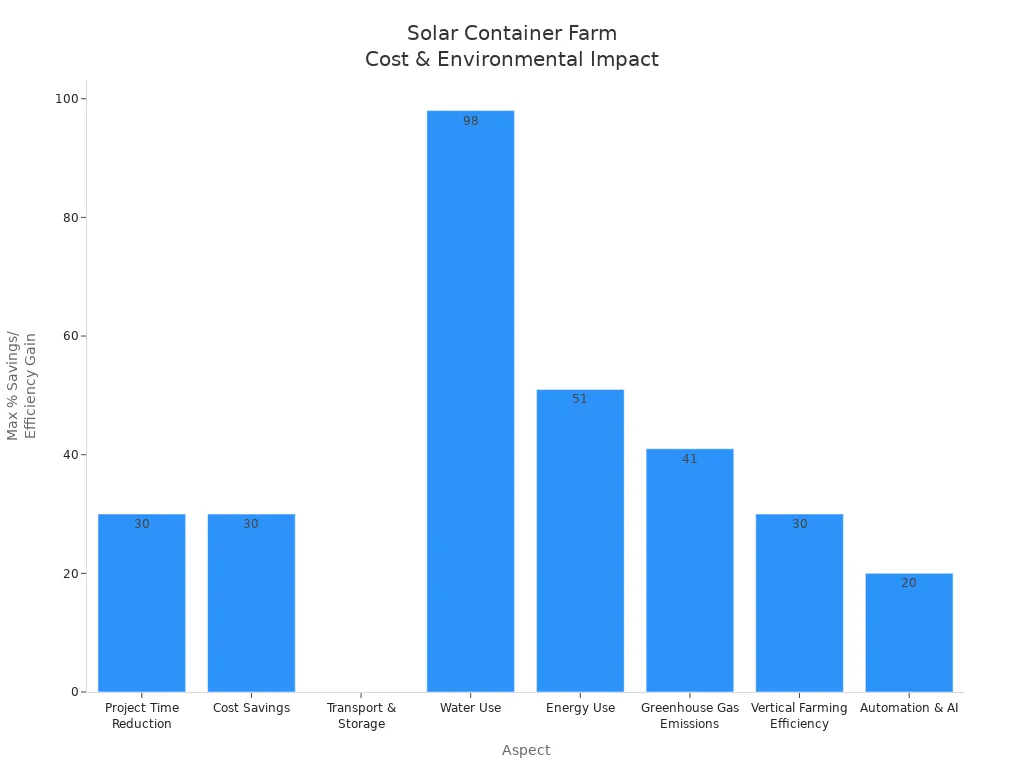
Container farms give you a way to power your farm that is good for the planet. You pay less, grow more, and help the environment. Many farms use this technology to stay ahead in farming today.
solar container for agriculture and container farms help you reach your goals for growth and sustainability.
Tailoring Technical Specs of Solar Container for Agricultural Needs
A solar container for agriculture gives your farm power anywhere. You can pick a system that fits your farm size. Small farms and big farms can both use these systems. Each setup has features to keep your tools safe. Your crops keep growing, even when the weather is bad.
Power & Storage Configurations
Small-scale (20 kW PV + 50 kWh battery) for micro-farms
If you have a small farm, you need a small system. A 20 kW solar array and a 50 kWh battery can run drip irrigation and lights. It also powers small pumps. This setup is good for farms that move or change places. You can move the container if you need to.
Mid-range (100 kW + 250 kWh) for greenhouses and irrigation hubs
Bigger farms with greenhouses need more power. A 100 kW solar array and a 250 kWh battery can run climate control and water pumps. It also powers cold storage. In India, farms use this to keep greenhouses working all year. They save 40% on energy costs. You get steady power for crops and can add more as you grow.
Large-scale (200 kW+ + 500 kWh+) for agri-processing centers
Large farms and agri-processing centers need lots of energy. Over 200 kW of solar panels and 500 kWh of battery storage can run dryers and grinders. It also powers big cold rooms. In Colombia, coffee growers use this to dry beans on their farms. This saves money on transport and stops spoilage. You can add more containers as your farm gets bigger.
You can choose a system that fits your farm. Modular designs let you add more power when you need it.
Solar Container for Agriculture: Farm-Grade Durability & Safeguards
Farms face dust, rain, pests, and storms. Solar containers have strong protections to keep your system safe.
| Feature | Description |
| Dust- and water-tight (IP65+) | Keeps out dust and rain so your equipment lasts longer. |
| Pest-proof cable entry | Stops bugs and rodents from chewing wires. |
| Integrated fire suppression | Protects your system from fire. |
| Lightning protection | Shields your equipment during storms. |
| Retractable solar panels | Panels fold in to avoid damage in strong winds. |
| Rugged environment design | Works in very hot, cold, or rough places. |
| Factory pre-assembly | Built and tested before delivery for fast setup. |
| Industrial-grade lithium batteries | Gives you steady power, even during long outages. |
You can trust your solar container for agriculture to work, even in bad weather.
Climate-Adaptive Features
Farming happens in many different climates. Your solar container can handle heat, cold, and changing sunlight.
Insulated walls and optional HVAC for extreme heat/cold
Insulated walls keep batteries and electronics at the right temperature. HVAC units help in very hot or cold places. This means your system works in deserts, mountains, or rainy areas.
Reinforced mounts for solar trackers or bifacial modules
Reinforced mounts let you add solar trackers or bifacial panels. Trackers follow the sun to get more energy. Bifacial panels use light from both sides and give up to 22% more power. Farms in Kenya use these to get more energy when it is cloudy.
Tip: Climate-adaptive features help you get the most from your solar container, no matter where your farm is.
Monitoring & Maintenance
You want your system to work with little downtime. Modern solar containers use smart technology to help you watch and fix your system.
- IoT monitoring lets you check energy use and battery health from your phone.
- Sensors check temperature, humidity, and light to keep crops healthy.
- Predictive alerts warn you before problems happen, so you can fix them early.
- Tool-free panel swap kits make it easy to change panels.
- On-site service packages give you fast help if you need repairs.
- Solar-powered monitoring helps you check crop growth, find pests, and keep your farm safe.
- CCTV and strobe lights protect your equipment and help count animals.
In Kenya, farmers use these tools to save 40% of water and grow 25% more crops. In India, solar cold storage units help cut fruit spoilage from 30% to 8%. You can see real results and save money with smart monitoring.
Note: Regular maintenance and real-time alerts keep your solar container for agriculture working well. You spend less time fixing things and more time growing your farm.
A solar container for agriculture gives you a smart and strong way to power your farm. You can pick the right size, trust it in bad weather, and use smart tools to keep it running. This technology helps small and big farms grow more and spend less. You can count on it for all your farming needs.
Field Applications of Solar Container for Agriculture
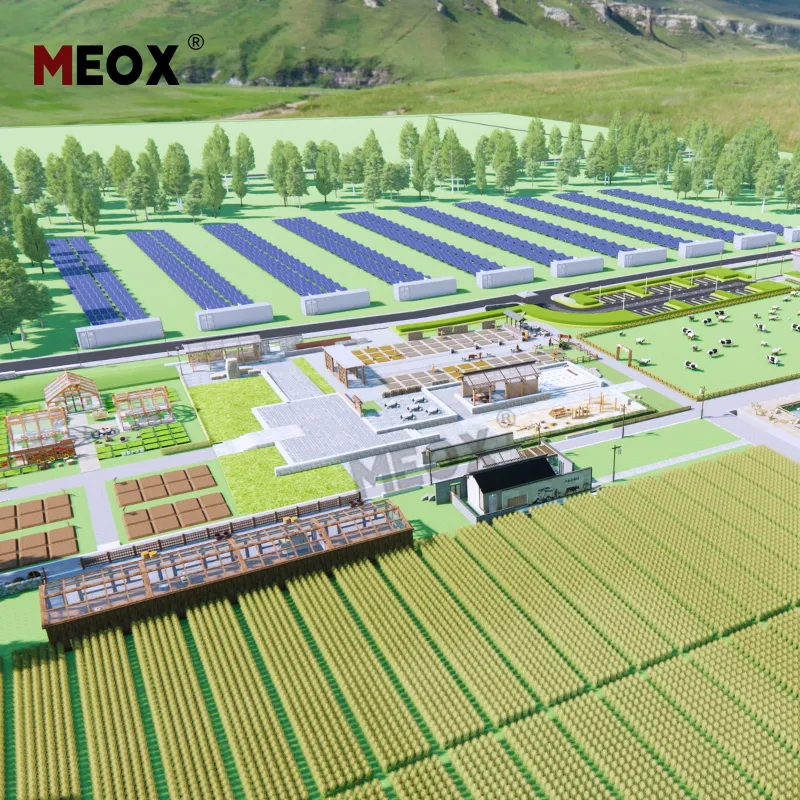
Solar container technology is changing farming by giving steady power to farms. You can use solar containers for irrigation, cold storage, and moving food processing. These tools help you keep produce fresh, waste less food, and make more money. Many farms now use solar containers to keep food safe and support sustainable farming.
Automated Drip-Irrigation in Southern Spain
60 kW system powers 15 ha of olive groves with real-time soil-moisture control
Solar containers make a big difference in Southern Spain. A 60 kW solar system runs drip irrigation for 15 hectares of olive trees. The system uses soil-moisture sensors to control water in real time. This helps save water and grow more olives. Smart irrigation checks moisture, pH, and temperature. You get updates on your phone or computer. It is easy to change water use and keep crops healthy.
Researchers in Murcia made a smart irrigation system that saves money. It uses solar power for pumps and sensors. You can use this system on small or big farms. Many farmers in Spain use this to grow more olives with less water. You can also use these systems for other crops that need careful watering.
Tip: Using solar power for drip irrigation can cut water waste by up to 90%. It also helps you grow more crops with less water.
Temperature-Controlled Greenhouses in The Netherlands
120 kW container supports year round tomato production, cuts energy costs by 40%
In The Netherlands, solar containers power greenhouses that control temperature. A 120 kW solar container helps grow tomatoes all year. Solar panels on the roof make about 60% of the energy needed each day. You use this energy for heating, cooling, and lights. This keeps plants growing even in winter.
Dutch greenhouses use solar energy to make the best climate for crops. You can lower your energy bills by up to 40%. Solar panels also help stop water from drying up and keep soil warm. This means healthier plants and better harvests. Many farms in The Netherlands use solar containers to grow tomatoes, cucumbers, and more. You can use this idea to make your greenhouse better.
| Application | Solar Container Benefit | Result |
| Greenhouse Heating/Cooling | Stable, renewable energy | Year-round fresh produce |
| Lighting | Lower grid dependence | Higher crop yields |
| Microclimate Control | Reduced water stress | Healthier, tastier food |
Note: Solar-powered greenhouses help you grow more food, save money, and protect nature.
Mobile Processing Unit for West African Cocoa
50 kW trailer mounted container runs grinders and dryers at remote farms
In West Africa, mobile solar containers help cocoa farmers. A 50 kW trailer unit powers grinders and dryers right on the farm. You do not have to move cocoa beans far for processing. This saves time and keeps produce from spoiling.
Mobile solar units help you deal with weak power and faraway farms. You can process up to 1.2 tons of cocoa juice each hour. Farmers get paid right away, which helps with money and lowers child labor. Mobile money makes payments safe and simple. You also get free rides from the farm to the processing place.
These units let you process cocoa pulp soon after picking. This keeps the taste and quality high. You can earn up to 19% more from cocoa pulp. The system also helps you reuse waste and lower your carbon footprint. Local people get new jobs and training. You can use these mobile units for other crops like fruit or vegetables to add value and waste less food.
Key benefits of mobile solar processing:
- Process fresh produce right on the farm
- Farmers get paid right away
- Lower costs for transport and work
- Better product quality and easier tracking
- Less food waste and fewer carbon emissions
Unique Features and Customization
Solar containers have special features that make them great for farms:
- Plug-and-play design:You can set up the system fast with little work.
- Weather resistance:Containers keep out dust and water and stand up to storms.
- Energy storage:Built-in batteries save solar power for night or cloudy days.
- Custom branding:You can pick colors, logos, and designs for your farm.
- Flexible sizing:Choose different sizes and power levels for your needs.
Deployment Speed, Scalability, and Support
You can set up a solar container in just a few hours. The modular design lets you add more units as your farm grows. You can put containers at the edge of a field, on a roof, or on a trailer. Support teams help with setup, care, and repairs. Remote monitoring tools warn you about problems, so you can fix things before they hurt your produce.
If you want to learn more about solar container solutions for your farm, visit the Mobile Solar Container product pageor check out the Energy Storage Solution overview.
Solar containers help you store, process, and deliver food well. You can keep produce safe, waste less, and earn more. This technology supports sustainable farming and helps you meet the need for healthy food.
Why Partner with MEOX: Solar Container for Agriculture
Picking a solar container for agriculture can change your farm’s power. You should see if this choice is right for you. Many farmers want to know about price, care, and growing later. You need a partner who knows your problems and helps you all the way.
Deep Agri-Sector Expertise
Farming has special problems. Dust, dirt, and weather can make solar panels work less well by up to 30%. Even a little dust can lower energy by 4%. Hail and storms can break panels. In Kenya, farms saved 60% on energy after using solar containers, but only with good help and setup.
MEOX has lots of farming experience. They give tips on where to put your solar container for agriculture. They show you how to keep panels clean and plan for more power later. Experts help you use solar with crops and animals. You can use both land and solar at the same time.
Tip: Always check your soil and farm spot before you put in solar. Use Google Earth to check for glare near airports. Talk to fire officials to make a safety plan.
Performance Guarantees & Ongoing Support
You want your solar system to last a long time. Bad care can cause big problems. Cleaning and quick repairs keep your system working well. MEOX gives support, remote checks, and easy panel swaps. You get alerts for dust, damage, or low battery.
| Concern Category | Description |
| High Initial Installation Cost | Starting costs are high, but you save money later and can get help. |
| Maintenance Challenges | Dust, dirt, and weather mean you must clean and check often. |
| Scalability and Land Use | Plan to grow and use land for both solar and farming. |
| Regulatory and Zoning Hurdles | Experts help you with permits and local rules. |
| Financing and Incentives | Support teams help you find grants and loans. |
You can start by looking at your land, talking to experts, and reading contracts. Find support that helps with setup, cleaning, and fixing. If you want more info, visit the MEOX website or ask the team for a plan. A solar container for agriculture is a smart, safe, and ready way to power your farm.
A solar container for agriculture gives your farm clean energy and steady power. It helps you spend less money on electricity. Farms like Sunny Acres Farm saved money and now make their own power. Many farms use solar containers for irrigation, greenhouses, and animals.
- You can get help from the government and pay in easy ways.
- Smart controls and batteries make your system work well.
- After-sales teams help you clean, fix, and upgrade your system.
Solar containers help you grow more food, waste less, and keep nature safe. Go to the MEOX website to find the right solar container for agriculture for your farm.
FAQ
What is a solar container for agriculture and how does it help with urban farming?
A solar container for agriculture gives you clean power for your farm. You can use it in urban farming to run lights, pumps, or small tools. Many city farms use solar containers to save money and grow food in places with no grid.
Can I use a solar container for vertical farming?
Yes, you can use a solar container for vertical farming. The system powers LED grow lights, fans, and water pumps. Many vertical farms in cities use solar containers to lower energy bills and keep crops growing all year.
How long does it take to set up a solar container on my farm?
You can set up most solar containers in less than one day. Two people can place the unit and connect it. No special tools are needed. Farms in Kenya and Spain reported using their systems within hours of delivery.
What maintenance does a solar container need?
You should clean the solar panels every month. Check the battery and wires for dust or damage. Many systems send alerts to your phone if something needs fixing. After-sales teams offer help with repairs and upgrades.
What should I do if my solar container stops working?
First, check the display for error codes. Clean the panels and check the battery. If you still have problems, contact your support team. Most companies offer remote checks and can send a technician if needed.
Tip: Keep a log of your maintenance and repairs. This helps you spot problems early and keeps your system running longer.
| Issue | Solution |
| Dirty panels | Clean with water and soft cloth |
| Low battery | Check connections, call support |
| System alert | Follow app instructions |
