Water treatment is essential for ensuring safe drinking water and managing wastewater. With increasing concerns over environmental protection and water scarcity, containerized water treatment systems have emerged as a groundbreaking solution. These systems offer a compact, flexible, and efficient way to meet the water treatment needs of various regions. Whether you’re dealing with wastewater treatment or seawater desalination, a containerized system can be the perfect solution for your needs.
What is a Containerized Water Treatment Plant?
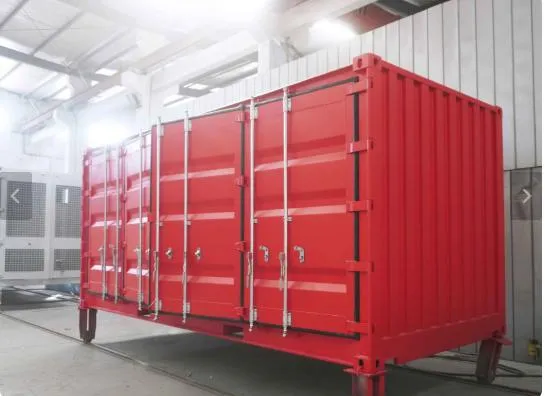
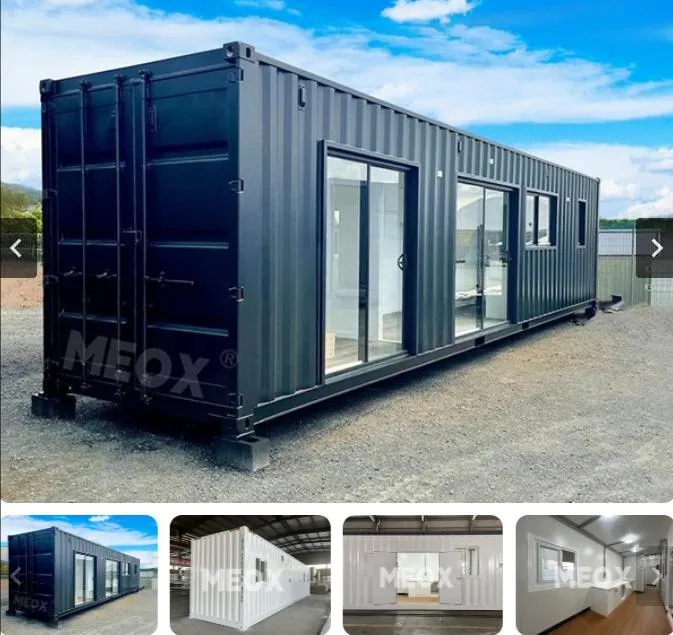
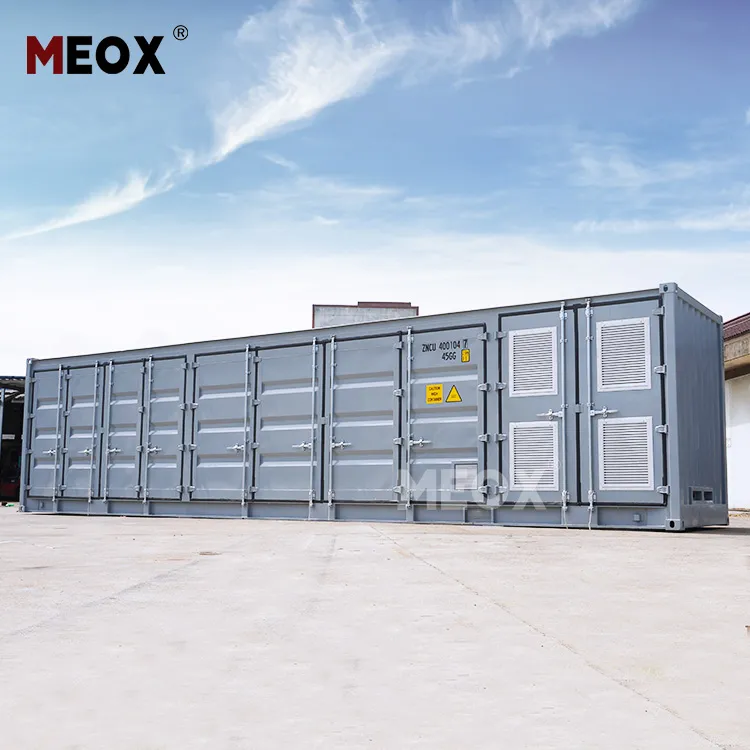
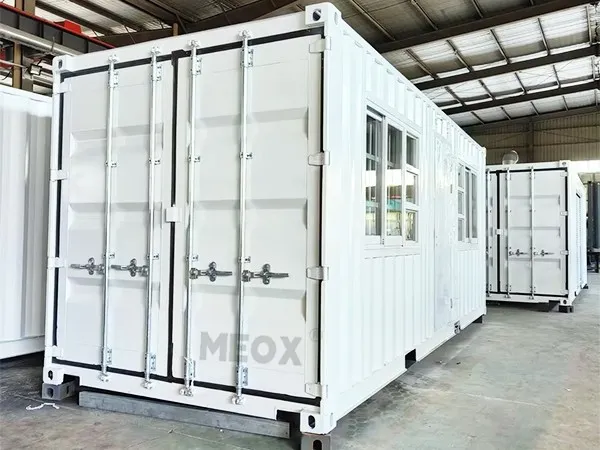
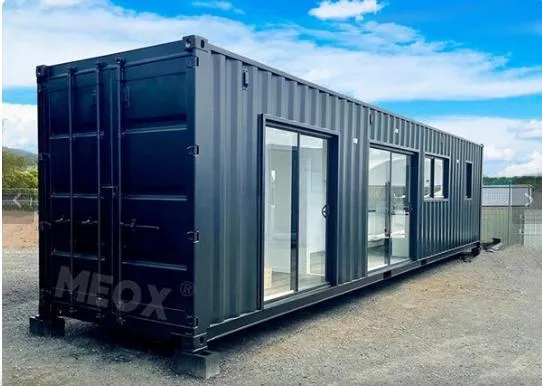
A containerized water treatment plantis a modular, compact system that integrates advanced water purification technologies into a standard shipping container. These systems are designed for various applications, including wastewater treatmentand seawater desalination, and they are ideal for areas where traditional treatment plants would be too large or impractical. The plant’s mobility allows it to be deployed quickly to different locations, offering a fast, cost-effective solution for water purification needs.
These systems are built to be installed quickly and can handle diverse water treatment tasks, making them perfect for both urban and rural environments. The modular design enables scalability, allowing you to expand or modify the system as needed, depending on the growing demand for water or wastewater treatment in your area.
Advantages of Containerized Water Treatment Systems
Containerized water treatment systemsoffer several significant benefits over traditional treatment plants. One of the key advantages is their mobility. Since the entire treatment system is housed in a single container, it can be easily transported from one location to another, allowing for flexible deployment. This is especially valuable in regions that face frequent natural disasters, where rapid setup and mobility are crucial.
Another major advantage is cost-effectiveness. Building a traditional water treatment facility involves significant investment in land, labor, and infrastructure. In contrast, a containerized solution significantly reduces both capital and operational costs. The system can be delivered pre-assembled and pre-tested, meaning installation is faster and less costly than constructing a plant from scratch.
The compact size of these units also makes them space-efficient, meaning they can be deployed in places with limited land area. Whether it’s a remote village, an industrial site, or an urban environment, the containerized system can be installed and operate efficiently, reducing the need for large-scale infrastructure.
Cost of a Containerized Water Treatment Plant
When it comes to purchasing a containerized water treatment plant, the costcan vary depending on several factors, including the capacity of the system, the complexity of the water treatment required, and the specific technologies integrated into the container. Typically, these systems are more affordable than traditional water treatment plants due to their modular design and reduced construction time.
For example, the cost of a containerized wastewater treatment plantfor small to medium-scale operations might range from $30,000 to $100,000. Larger, more advanced systems, particularly those designed for seawater desalination, can cost upwards of $500,000 or more. However, these costs are often offset by the reduced operational expenses, the ease of transport, and the quick installation time.
Additionally, because these systems are energy-efficientand require less maintenance than traditional plants, ongoing operational costs tend to be lower. This makes containerized water treatment an attractive option for communities and businesses looking to keep their water treatment expenses under control while ensuring reliable service.
Applications of Containerized Water Treatment Systems
Containerized water treatment systems have broad applications across different sectors. The most common uses include:
Wastewater treatment: These systems are ideal for municipal and industrial wastewater treatment, especially in locations where the demand for clean water treatment is high. They can treat sewage, industrial effluents, and other wastewater streams efficiently, reducing pollution and improving water quality.
Seawater desalination: In coastal areas where freshwater sources are scarce, containerized systems can be used for seawater desalination. These systems remove salts and impurities from seawater, providing a reliable source of potable water. Given their compact design, containerized desalination plants are well-suited for both large-scale and small-scale operations, offering an efficient solution to water scarcity.
Emergency water supply: In disaster-prone regions, containerized systems can be quickly deployed to provide emergency water treatment. They can be mobilized rapidly to provide clean drinking water in the aftermath of natural disasters, military operations, or humanitarian crises.
By using modular and transportable systems, these plants can be set up in record time, providing immediate relief to areas in need of fresh water or effective wastewater treatment.
Why Choose Containerized Water Treatment Systems?
If you’re looking for a solution that provides flexibility, reliability, and efficiency in water treatment, a containerized water treatment systemis the answer. These systems offer fast installation, low maintenance, and high performance, making them a practical solution for addressing the water treatment needs of various locations, from urban centers to remote villages.
Containerized systems are especially valuable for industries and municipalities that require scalable solutions. As your water treatment needs grow, you can easily expand the system by adding more modules. This makes containerized systems an investment that can adapt to future demands without requiring a complete overhaul.
Moreover, these systems are designed with sustainability in mind. With energy-efficient technologiesand minimal environmental impact, they help meet regulatory standards while also contributing to the overall goal of environmental conservation.
FAQs about Containerized Water Treatment Systems
What makes containerized water treatment systems more cost-effective than traditional plants?
Containerized systems reduce initial construction costs by eliminating the need for large-scale infrastructure and long-term installation processes. They are pre-assembled, reducing labor and material expenses.
How long does it take to install a containerized water treatment plant?
Installation times vary depending on the system’s size and complexity. However, containerized water treatment systems are designed for quick deployment, often taking only a few days or weeks compared to the months it would take to construct a traditional plant.
Can containerized systems handle large-scale water treatment projects?
Yes, containerized systems can be scaled up or down depending on the need. By connecting multiple containers, these systems can handle both small and large-scale operations efficiently.
Are containerized water treatment plants easy to maintain?
Yes, these systems are designed for low maintenance. Many components are automated, and the systems are built with durable materials to withstand the elements. Routine checks and minimal upkeep are generally all that is required to keep the system running smoothly.
Are containerized water treatment systems suitable for use in remote or disaster-stricken areas?
Absolutely. The mobility of these systems makes them perfect for remote locationsor emergency response situations, where quick access to clean water is essential.
In conclusion, containerized water treatment systemsare a practical and cost-effective solution for meeting water treatment needs across a variety of applications. From wastewater treatmentto seawater desalination, these systems offer flexibility, mobility, and energy efficiencythat traditional plants simply cannot match. They are fast to deploy, easy to maintain, and scalable to meet growing demand. Whether you are dealing with water shortages, industrial wastewater, or emergency situations, containerized systems offer a powerful solution that ensures clean, safe water.