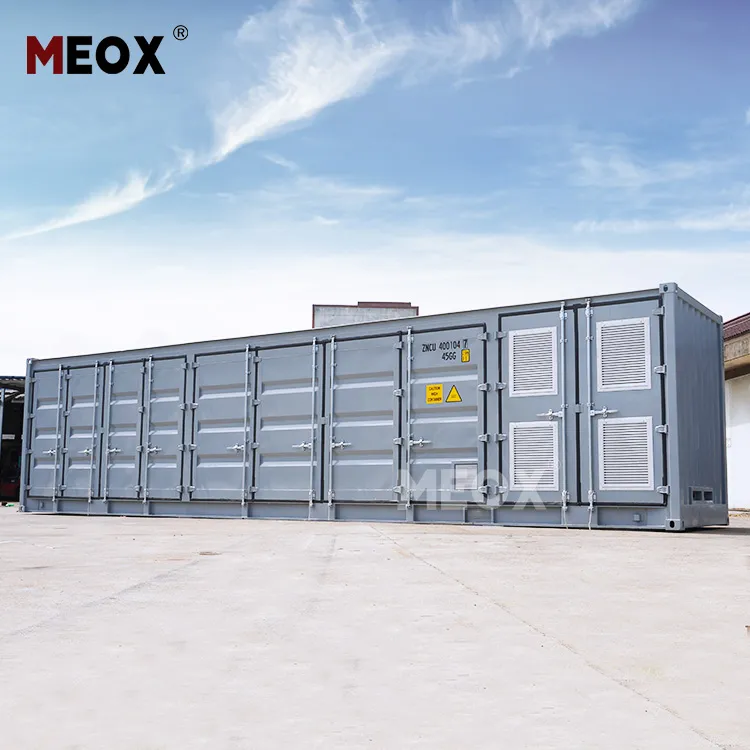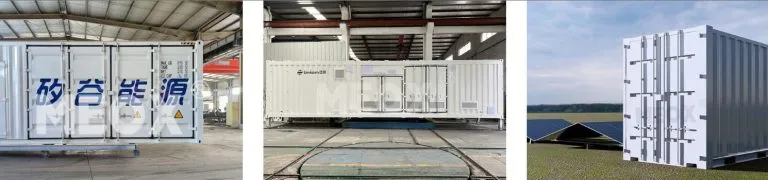
Solar panels are an attractive first option for temporary power on remote construction sites. But for a 50-person camp with no grid access and an eight-month timeline, generation alone rarely equals reliable supply. This article explains why solar panels for container site applications must be part of a packaged solution — with storage, inverters, and structured distribution — and shows how a pre-assembled solar container compares to traditional on-site builds in installation time, safety, and ROI.
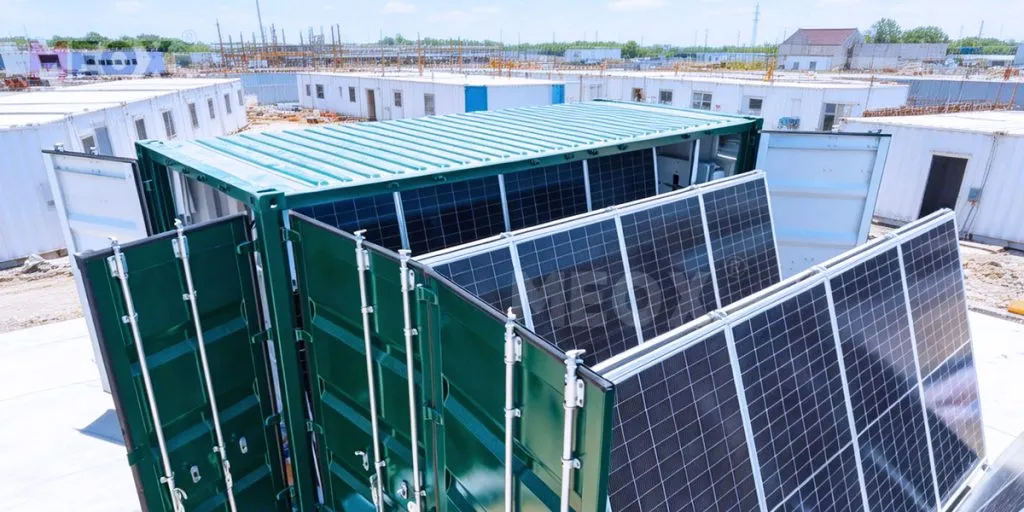
Solar panels in remote construction reality
Picture a construction camp with fifty workers, no grid connection, and an eight-month program. Contractors naturally consider solar panels because they are quiet, low-maintenance in operation, and avoid daily fuel logistics. But a PV array producing kilowatts at noon does not automatically translate into reliable power at 10 p.m. Camps run critical loads outside daylight hours; weather and seasonal sunlight variation reduce output; and mismatch between generation and load can cause downtime. That’s why many project managers now look beyond standalone solar panels for container site experiments and require integrated packages: pre-tested arrays, a robust solar inverter, battery storage sized for night autonomy, and a disciplined power distribution plan. This article focuses on real camp loads and operational problems you’ll face if you treat solar panels as a complete answer rather than one component in a system.
Solar panels for container site: Understanding real camp loads
Sizing a system begins with accurate demand data, not optimistic PV yield estimates. In a 50-person camp the typical electrical loads are:
Air conditioning (largest single load in hot climates)
Water heaters (instant or tanked)
Lighting (sleeping, work, and perimeter)
Office equipment (computers, routers, printers)
Kitchen appliances (microwaves, fridges)
Tool charging and small workshop machinery
A basic daily energy calculation is simple: Power (kW) × operating hours = daily kWh. Example template (replace numbers with your site values):
4 × 3 kW split AC units × 8 hours = 96 kWh/day
Hot water: 2 kW × 4 hours = 8 kWh/day
Lighting & office: 10 kW × 6 hours = 60 kWh/day
Total ≈ 164 kWh/day
This realistic approach helps you size array capacity and battery autonomy. When reading vendor claims, treat solar panels output as one input to a broader sizing exercise for solar panels for container site deployments.
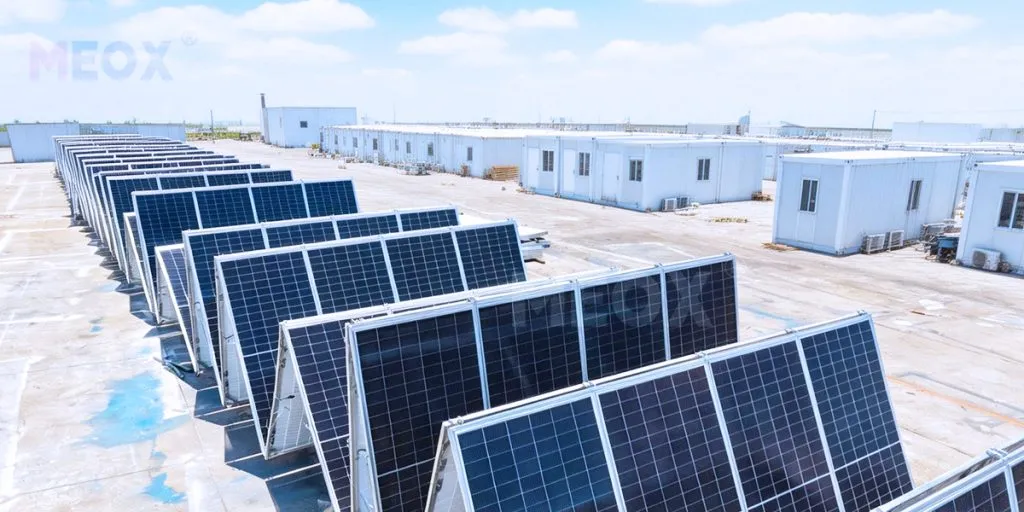
Solar Panels: Three practical problems when used alone
Treating solar panels as a standalone solution reveals three recurring operational problems:
Problem 1 — No energy storage. Solar produces during the day. Camps need power at night and during cloudy stretches. Without batteries, sites revert to diesel generators for reliability. That negates the operational and emissions benefits many sought.
Problem 2 — No integrated inverter system. Panels produce DC; camps need stable AC at regulated voltage and frequency. Without a properly specified solar inverter and automatic transfer logic, switching between generator, inverter, and any grid connection leads to voltage swings and equipment trips. Poorly matched components increase downtime.
Problem 3 — Chaotic temporary wiring. On many projects, panels, inverters, batteries, and loads are assembled in ad-hoc ways: temporary poles, junction boxes, and piecemeal wiring. This creates safety risks, difficult maintenance, and long re-commissioning when the site moves. Using solar panels repeatedly across projects becomes risky if the installation is not standardized.
Short, practical fixes are rarely enough. The operational reality is that solar panels for container site work best when they are pre-engineered into a structured module.
Solar panels for container site: What is a solar container system?
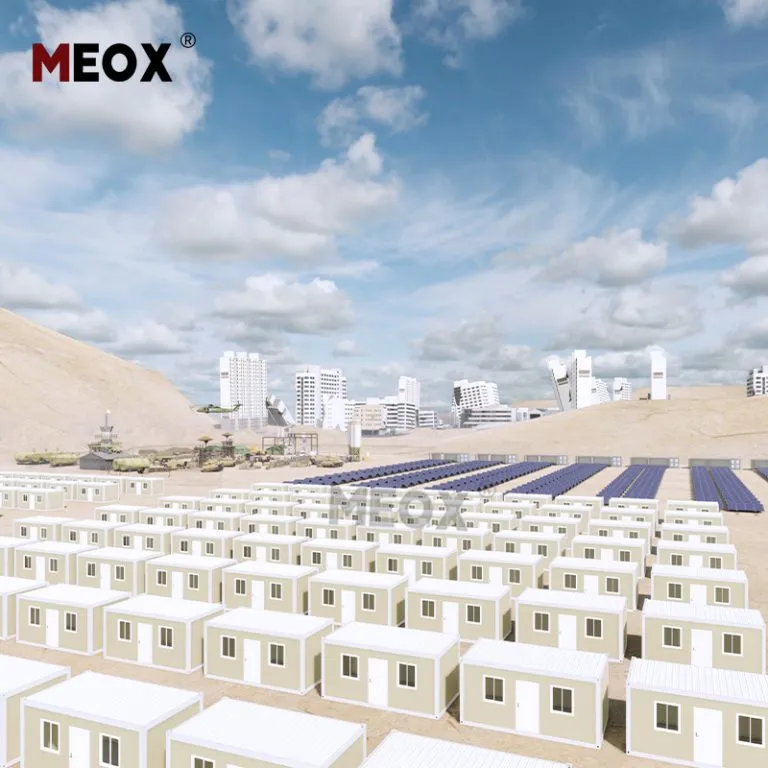
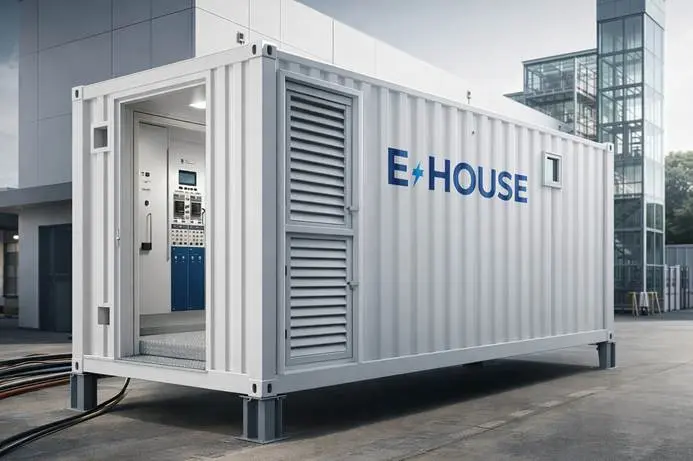
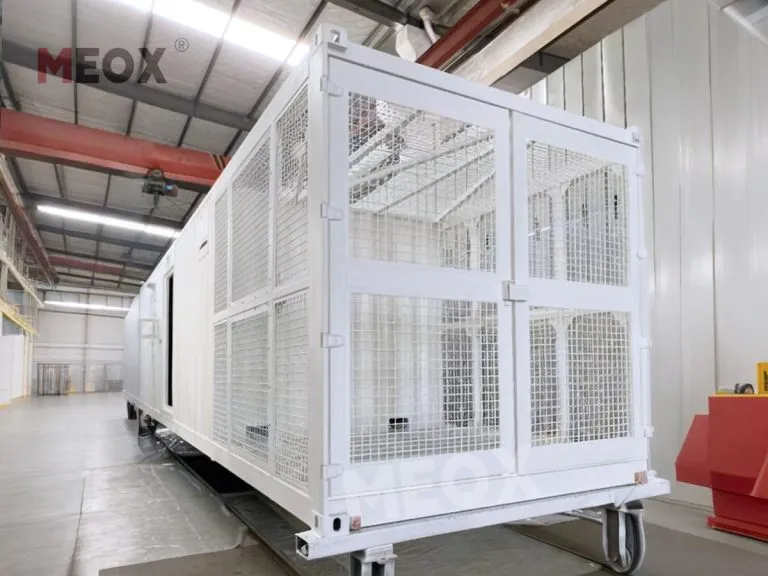
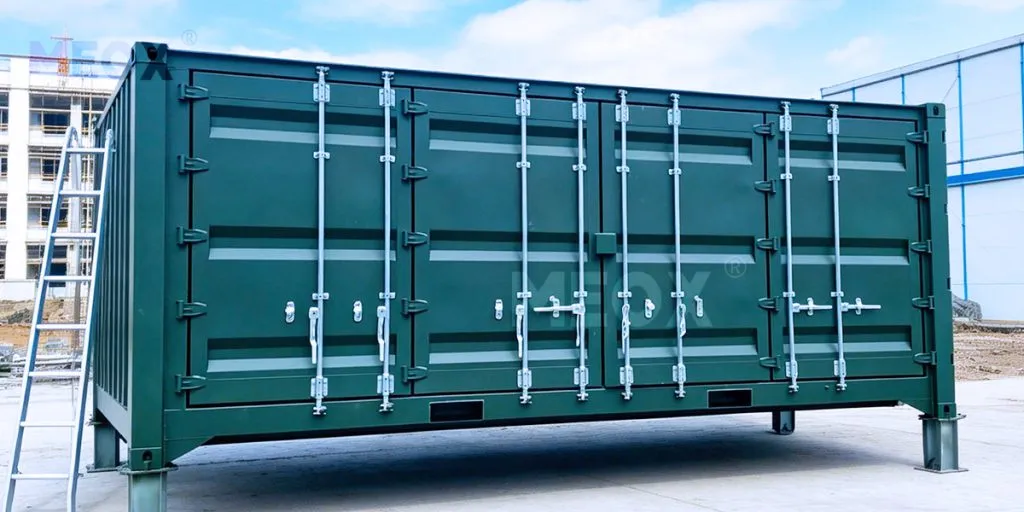
A solar container is a factory-assembled module where solar panels, solar inverter, solar batteries, distribution gear, protection devices, and monitoring are integrated into or onto a single structural container. Key benefits:
Factory pre-testing: wiring, protection, and performance verified before shipping.
Structured internal wiring: labeled AC/DC compartments, smaller field error risk.
Rapid commissioning: lift, connect fuel or mains, and commission in hours rather than days.
Mobility: designed for repeated relocation and re-use across sites.
Safety & monitoring: integrated fire detection, BMS (battery management system), and remote telemetry.
For remote construction, a solar container turns solar panels into a repeatable service element rather than a one-off project.
High-efficiency solar panels for construction: Matching components to load
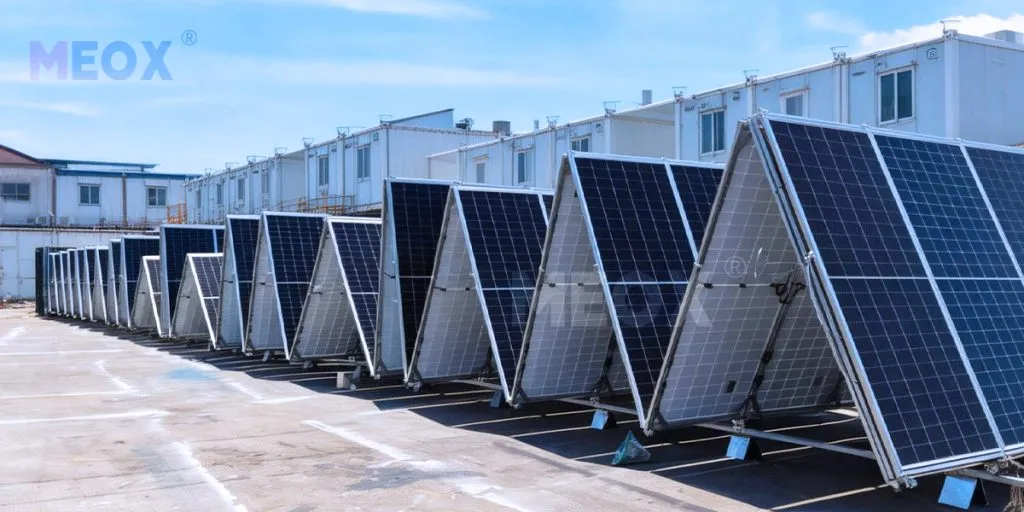
Space at a site is often limited: terraces, roofs, or fenced areas impose area constraints. That makes high-efficiency solar panels for construction attractive because they deliver more watts per square metre, requiring less mounting area and less ground disturbance.
Component selection basics:
Hybrid or off-grid inverter capable of generator synchronization and seamless transfer.
Lithium iron phosphate (LFP) batteries for long cycle life and improved safety. Aim for 1–2 days of autonomy as a minimum for camps.
Battery sizing should account for depth-of-discharge, derating at high temperatures, and expected mobility stress.
PV array sizing must cover daytime consumption plus enough surplus to charge batteries efficiently even on partly cloudy days.
Choosing high-efficiency solar panels for construction reduces rack infrastructure, simplifies mechanical works, and improves yield — especially when used inside a solar container with matched inverter and battery systems.
Temporary site solar panel installation: Traditional vs containerized setup
Traditional setup (field-built)
Panels, racks, wiring, battery room, and switchgear delivered separately.
On-site electricians assemble, test, and troubleshoot.
Typical commissioning time: ~7 days (variable).
Higher labour costs, safety exposure, and risk of inconsistent documentation.
Containerized setup
Pre-assembled and factory tested; arrive as one unit.
Off-truck, set in place, make AC/DC and grounding connections.
Commissioning: usually 1–2 days.
Lower field labour, faster ROI, and standard relocation steps for reuse.
For many projects, temporary site solar panel installation as a containerized unit reduces schedule risk and labor complexity.
Solar panels for container site: 8-month ROI analysis
A simple model clarifies the economics for an eight-month project:
Step 1 — Estimate energy demand
Example: 200 kWh/day × 240 days = 48,000 kWh.
Step 2 — Compare diesel cost
At $0.40/kWh → diesel cost ≈ $19,200.
At $1.00/kWh → diesel cost ≈ $48,000.
Step 3 — Compare with solar container investment
Example turnkey solar container cost: $60,000 (array + inverter + batteries + containerized installation).
Under high diesel pricing scenarios, fuel savings alone can yield payback in under 12 months. Under lower fuel prices, payback may be longer, but asset reuse across multiple projects shortens effective payback. Add intangible benefits: quieter site, lower emissions, and simpler fuel logistics.
Because the solar panels for container site solution is reusable, project accountants should amortize the unit across several deployments when evaluating ROI.
Solar panels for container site: 72-hour emergency power station scenario
A solar container also makes sense for disaster response. In a post-disaster command center needing 72 hours of independent operation, a hybrid module with foldable arrays, batteries sized for 72-hour autonomy, and a small generator achieves rapid, resilient deployment. The container form factor simplifies transport, connection, and integration with communications and medical equipment. In crisis use, the benefit of pre-tested solar panels integrated in a container is lower setup risk and faster mission readiness.
Solar panels for container site: Practical checklist for project managers
Actionable checklist:
Confirm daily load list with device hours.
Define night-time autonomy (hours and days).
Specify inverter capacity and generator synchronization needs.
Confirm battery chemistry (LFP preferred) and battery autonomy target.
Review earthing, lightning, overcurrent protection, and fire mitigation.
Plan the temporary site solar panel installation layout (transport path, crane lift points, and relocation procedure).
Require factory test reports that show array output, inverter behavior, and BMS logs.
Document relocation steps and label all connectors for reuse.
This checklist helps avoid common mistakes when procuring solar panels for container site systems.
Solar panels must be part of a system
Solar panels produce renewable energy, but generation alone does not guarantee supply stability for a 50-person, off-grid construction camp over eight months. Storage, inverter integration, structured wiring, and safety devices are essential. For speed, repeatability, and lower site risk, pre-assembled solar panels for container site systems (using high-efficiency solar panels for construction, matched inverters, and robust batteries) typically outperform ad-hoc installs. Treat solar panels as one element of a complete, transportable power system — and plan commissioning, documentation, and relocation from day one.