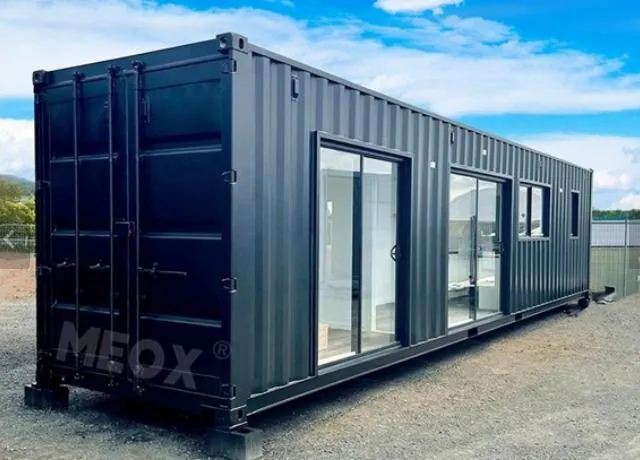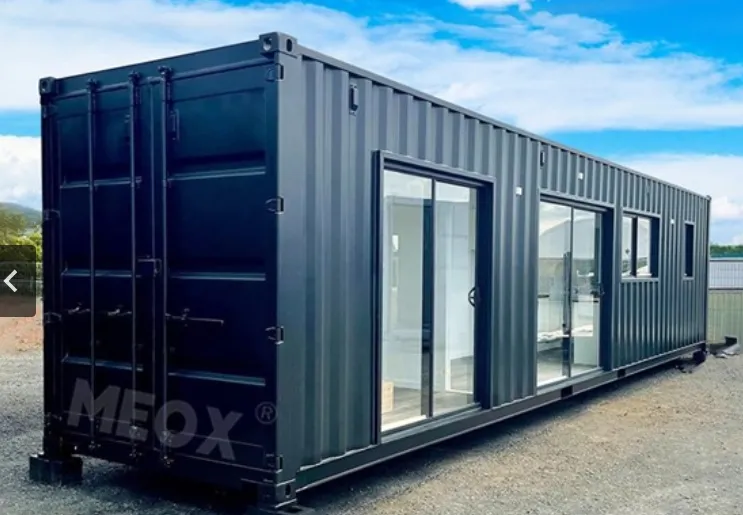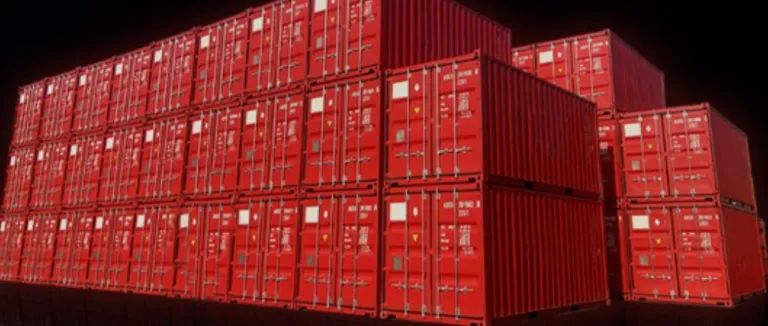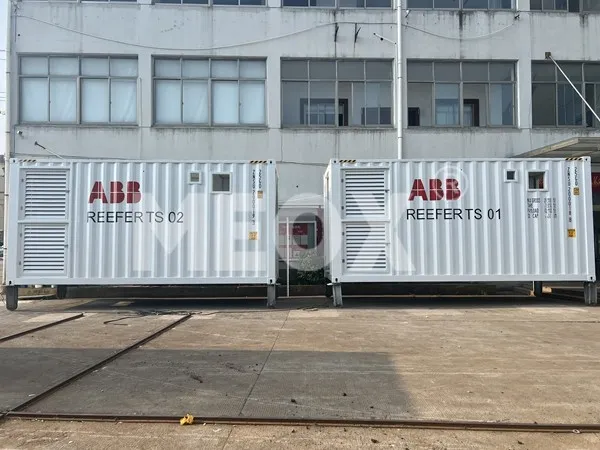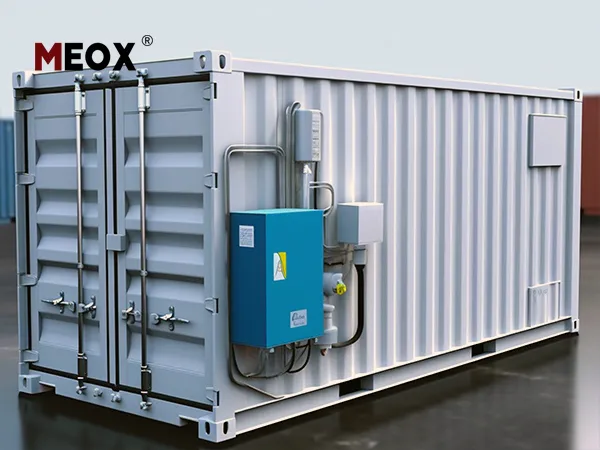
Industrial plants, renewable energy projects, and power grids are evolving in this modern world and the necessity of rapid, reliable, and expandable electrical infrastructures is increasing. A modular electrical house is an excellent solution for this purpose, as it combines electrical appliances, safety systems, and control components in a factory-assembled and tested enclosure.
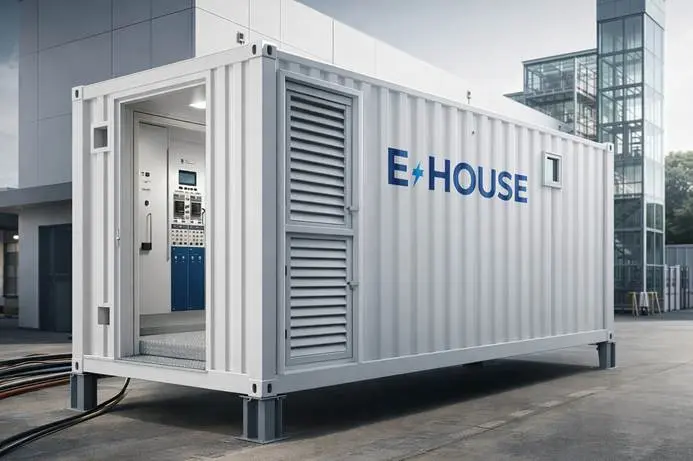
Modular electrical houses significantly reduce installation times compared to conventional construction methods and allow for greater quality consistency by utilizing the same component in multiple projects. These types of modular housing facilities simplify the deployment in remote or difficult site conditions. The modular electrical systems are mainly used by high-volume industries, like the mining industry, the oil and gas sector, renewable energy manufacturers, and electric utilities, to support their ability to deliver projects faster, as well as sustain reliable operation after delivery.
What Is a Modular Electrical House?
A modular electrical house is also called as an E-House, a power control room, or a prefabricated substation building. Generally, E-House is a pre-engineered steel building mainly used for installing medium and low voltage electrical equipment. These modular units are manufactured in factory atmosphere under controlled conditions and shipped to the project sites for quick installation.
Typical E-House may include:
- Switchgear systems
- Transformers
- UPS systems
- Battery energy storage controls
- SCADA and automation systems
- HVAC and fire suppression systems
- Lighting and cable management
These units are a centralized node for electrical infrastructure, replacing buildings made of concrete and mortar.
Key Advantages: Why Projects Choose Prefabricated E-House Solutions
According to the International Energy Agency (IEA), the continuous and fast increase in global renewable energy and the modernization of the electrical grid are leading to higher demand for modular and flexible electrical infrastructure solutions.
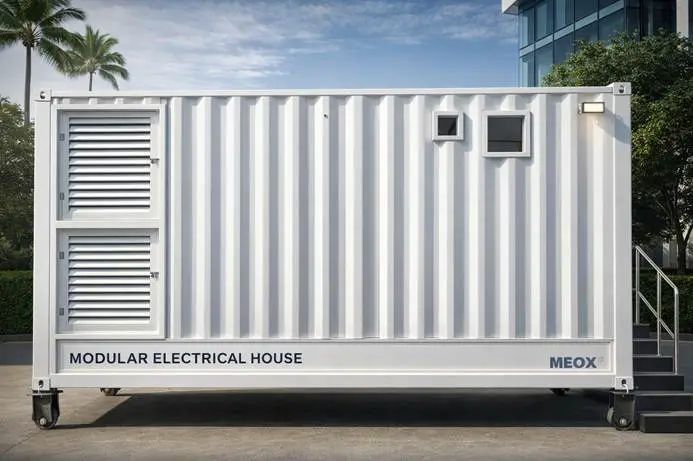
Speed and Schedule Certainty
Building an electrical room on-site can take a long time, sometimes even months. Still, using a prefabricated E-House can drastically shorten the construction time. Based on industry statistics, this modular method can cut the duration of the on-site work by up to 70%, which is really a major selling point for the renewable energy, mining, and oil and gas industries.
Since the locations of the devices and the cable connections are designed and tested in the factory beforehand, the unit will be very close to the installation and power-up stage upon delivery. This is a very important feature for project managers who have very short deadlines it might be the very factor that allows them to maintain their schedule instead of having to face expensive delays.
Factory Quality and Pre-Testing
Constructing in a factory with strict control eliminates a lot of the factors that impact the quality of the construction done on-site. For instance, temperature, humidity, and contamination are under control. Skilled and knowledgeable personnel perform the same tasks regularly. Also, the testing is done before the delivery and not post-installation.
By switching to a factory-first approach, it is possible to achieve better uniformity and lower the likelihood of problems being found towards the end of the project cycle, wherein the cost of rectification is the highest.
Flexibility for Harsh Environments
A prefabricated electrical house that is designed well can be used for making operations more productive and efficient. Steel enclosures can be fabricated to be corrosion resistant up to CX paint grade, offer protection from dust and rain, have thermal insulation, and be resistant to winds. Such characteristics in a solution would make it very well-suited for use in offshore platforms, desert locations, arctic areas, and tropics with high humidity.
Modular Scalability
It is very much possible to work with either a single-module or multi-module set-up. Adding more modules to a project without gutting the existing structures is feasible when a project is on the rise. This is very handy for renewables that are built in phases, where capacity is increased gradually.
Common Applications
The prefabricated E-House suits a wide range of industries:
| Industry | Typical Use Case |
| Renewable Energy | Consolidating power conversion and distribution at solar farms and wind plants |
| Oil and Gas | Temporary or permanent electrical infrastructure on remote or offshore sites |
| Mining | Fast-deploy power systems in locations without permanent infrastructure |
| Data Centers | Skid-mounted equipment enclosures for high-density electrical integration |
| Utilities / DSOs | Compact substations for grid distribution and switchgear rooms |
| Construction | Temporary site power during large infrastructure or industrial projects |
What to Look for in a Prefabricated Electrical House for Industrial Use
Not all E-House solutions are alike. When you are considering your options, try to follow the following:
| Factor | What to Assess |
| Customization depth | Can internal layout, room structure, and cable routing be tailored to your project? |
| Certifications | Does the unit meet IEC, ISO, and CSC requirements for your region? |
| Environmental ratings | Is corrosion, dust, moisture, and wind resistance appropriate for your site? |
| Factory testing scope | Is the unit fully tested before leaving the factory, including functional checks? |
| Mobility options | Is a skid-mounted or trailer-mounted version available if relocation is needed? |
| Fire protection | Can fire suppression systems be integrated per your project safety standard? |
The criteria act as a guarantee that the solution aligns with the technical and operational aspects of your project, rather than simply sticking to a generic catalogue specification.
Real Life Case Study: Remote Solar Farm Power Control Project
The Challenge
A Southeast Asian developer of renewable energy needed a quick electrical infrastructure solution for a solar farm project in a remote area. The site faced a number of issues:
- Limited local construction resources
- Extreme heat and seasonal rainfall
- Tight commissioning schedule
- Long transportation routes
To tackle these issues, MEOX supplied a custom prefabricated electrical house for remote industrial sites with built-in switchgear, HVAC, fire protection and SCADA systems.
Solution Highlights
- Factory assembled and pre-tested before shipment
- Reinforced steel structure for transportation durability
- High efficiency cooling system for tropical climates
- Rapid on-site installation completed within days
The project marks a significant milestone by reducing construction delays and improving operational reliability during commissioning.
Frequently Asked Questions
What is the lifespan of a modular electrical house?
A well designed modular electrical house can generally operate for 25-40 years depending on environmental conditions, maintenance practices and equipment specifications.
Can an E-House be relocated after installation?
Yes, lots of modular E-Houses are even relocation-ready. This is in particular advantageous for mining, oil and gas, and temporary industrial operations.
Are modular electrical houses suitable for extreme climates?
Yes. Manufacturers have the ability to tailor insulation, HVAC systems, paints, and structural reinforcements to different environments such as desert, arctic, tropical, or coastal.
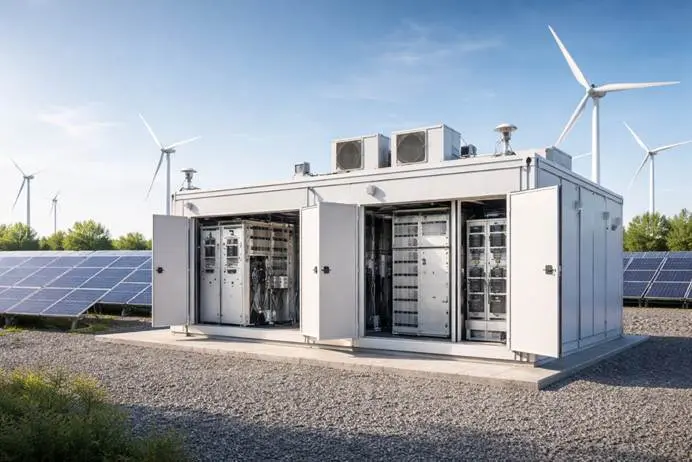
To learn more about customized modular electrical systems and integrated energy infrastructure, explore Prefabricated E-House Solutions and related Containerized Power Solutions from MEOX.
Conclusion
Implementing Modular Electrical House is a strategic choice for today’s industrial businesses that aim to reduce their risks, rely less on labor at the site, and at the same time, secure their vital assets from the adverse effects of the environment. Merging the strength of the structure with the versatility of the design and factory testing to the highest standards, these solutions offer a prompt, trustworthy way to durable power distribution.
Modular Electrical Houses provide industries with an expedited, risk-minimizing and greater accessibility alternative to the conventional method of constructing electrical buildings. These prefabricated systems increase mining operations and renewable energy facilities’ deployment speed, improve quality control, and allow for long-term operational flexibility.
As the energy infrastructure continues to develop in complexity, modular electrical solutions will increasingly become a vital element in the modern industrial power distribution support system.
MEOX offers fully customizable prefabricated electrical house solutions with factory assembly, pre-testing, and international certification support.
Contact MEOX for a free quote →
Disclaimer: Technical data and materials used as a reference in this article were derived from MEOX’s own produced container products. Specifications, materials configurations, and technical details may be modified as per project requirements and local standards.
To see these engineering principles in action, we invite you to view the following brief video demonstration of MEOX’s E-House | Prefabricated Electrical House Solution: