The large machinery used to be placed in the factory workshops. Currently, remote locations and developing locations require this machinery on site. This need is solved by the use of special equipment in the container form. The special equipment is placed inside a steel structure which can be transported, assembled, and even relocated.
The following guide explains the definition of the system, its application, and evaluation criteria. This guide includes an example of a small project and some questions with their respective answers.

What Is a Container Special Equipment Solution?
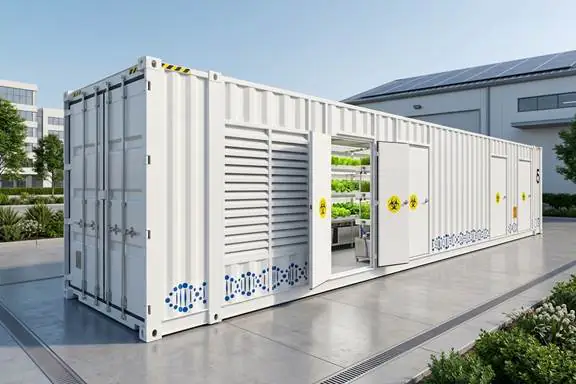
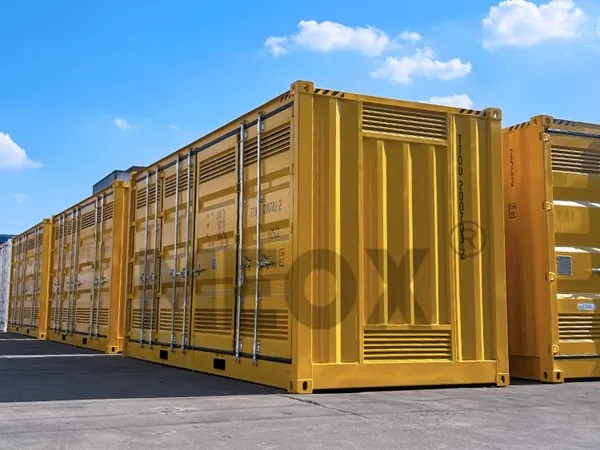
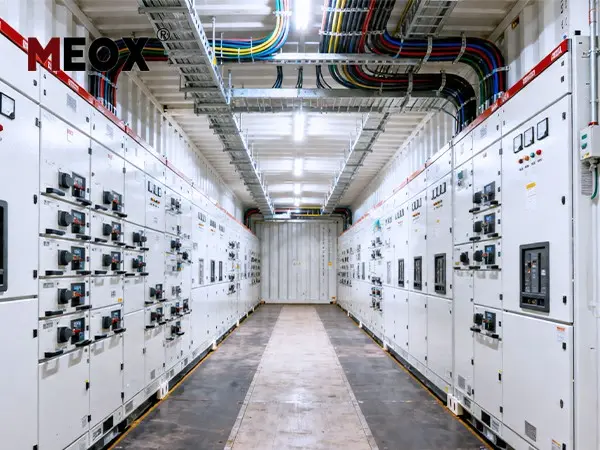
A container special equipment solution makes a standard container a specialized piece of equipment. The container has been modified to include certain equipment such as the generator, the waste water treatment unit, the logging unit, or the laboratory.
Here are the benefits of using containers:
- Mobility: Transportation is done by land, rail, or sea using current logistical.
- Controlled build quality: These include welding, painting, and equipment fitting, and all these are done in the factory and not in the field.
- Flexibility: The unit could be relocated or replaced due to changes in project requirements.
The dimensions and strength of freight containers meet international standards. Hence, this explains their easy shipping. The International Organization for Standardization has these specifications for freight containers (ISO, ISO 668 Series 1 freight containers). That shared standard is a major reason modified containers fit into global supply chains.
Why Operators Choose Containers Over Fixed Buildings
Fixed buildings take time and need skilled local labor. In remote regions, both are scarce. The table below compares the two approaches.
| Factor | Fixed Building | Container Special Equipment Solution |
| Construction time | Months, mostly on site | Weeks, mostly in the factory |
| Relocation | Not practical | Possible with standard transport |
| Site preparation | Extensive foundations | Often a level pad or simple base |
| Scalability | Requires new construction | Add or swap units |
| Quality control | Varies with site conditions | Repeatable factory processes |
| Customization | High, but slow | High, within container dimensions |
Containers have their disadvantages too. The inner capacity of the container is determined by the dimensions of the container itself, and therefore, very big equipment can be loaded using more than one container. Planning the design from the start prevents such issues.
Three Common Applications
A container special equipment solution covers many uses. Three of the most common are described below.
Shipping Container Swimming Pool
A shipping container swimming pool uses a steel container as the pool body. This type of unit is very much in use by many homes and other facilities like resorts and health clubs because of the benefits it offers.
Key planning points include:
- Ground support: A full pool is heavy, so the base must be level and load-rated.
- Water treatment: Filtration and circulation equipment must be sized for the pool volume.
- Local rules: Fencing, drainage, and safety requirements vary by region.
Waste Container Incinerator
Medical and hazardous waste are a concern in every industry that handles harmful substances. A waste container incinerator places the treatment equipment in a transportable enclosure. This helps clinics, field hospitals, and remote facilities that cannot easily ship waste elsewhere.
World Health Organization explains that majority of the waste generated by healthcare institutions is general in nature, and only 15% of it is considered hazardous waste (WHO, Health-care waste fact sheet). Similarly, care should be exercised as there could be harm done to the environment through pollution in case of poor control during combustion. As such, control of emissions, training of operators and permits become as crucial as the machine itself.
Shipping Container Laboratory
A shipping container lab brings testing capability to mines, construction sites, farms, and field research stations. In this design, all joints on the container are welded. The painting on the outside of the container is according to C4 corrosion category and is effective in giving protection against corrosion as long as the surface remains intact.
Laboratories also benefit from recognized quality frameworks. ISO/IEC 17025 sets general requirements for the competence of testing and calibration laboratories (ISO, ISO/IEC 17025). Requirements for container laboratory can be ensured by such elements as proper organization, constant environment and proper documentation. Requirement relates not only to laboratory itself but also to activities that take place in it.
Other Equipment That Fits Inside a Container
The same principle is also applicable in other types of machines. The following table shows an example.
| Equipment Type | Typical Use | Main Design Concerns |
| Generator equipment container | Backup or prime power for remote sites | Ventilation, noise, fuel storage, exhaust routing |
| Sewage treatment container | Wastewater treatment for camps and small communities | Corrosion resistance, odor control, discharge rules |
| Logging container | Field processing and workspace for forestry operations | Durability, vibration, mobility between work areas |
Every type has its own requirements, and that is the reason why one shape cannot serve for all. It starts from the machine and the conditions of its operation.
Design Features That Matter
Whatever the application, a few design features deserve attention.
Joint design and sealing. Complete welding of the joints will increase the air tightness and strength of the product. This could be an advantage in a lab, hospital or any other place where dust or moisture should not enter.
Protection against corrosion. C4 refers to the degree of corrosion of ISO 12944. It refers to both industrial and coastal conditions with moderate salinity. Choosing the appropriate coating will help extend the life of the product. Higher protection is required in coastal and humid environments.
Climate considerations. Temperature, humidity, and cold will affect both equipment and people. Insulation, ventilation, and air-conditioning need to be planned according to the weather conditions at the location.
Utility and access planning. Power supply, water, drainage, and entry should all be considered at the start. It is not cost effective to install these after product delivery.
Compliance Checklist
Equipment is sometimes regulated under several different statutes. Complete the list below before ordering.
| Area | What to Confirm |
| Container structure | Dimensions and strength follow recognized freight container standards |
| Equipment safety | Machinery meets local electrical and mechanical safety codes |
| Environmental rules | Emissions, wastewater, and waste permits are in place |
| Fire safety | Detection, extinguishing, and exit requirements are met |
| Operator training | Staff understand operation, maintenance, and emergencies |
| Documentation | Test reports, drawings, and manuals are supplied |
Requirements vary according to the country and even the city. Check with local authorities before purchase, not after delivery.
Case Study: A Field Laboratory for a Remote Construction Project
Background:
The infrastructure construction by a contractor in an isolated, dusty area required on-site testing. The movement of samples to another distant place caused delay in making decisions for several days.
Key challenges:
- Dust and humidity: Dust and water may affect equipment and test results.
- Limited site preparation: The area had no permanent structures.
- Tight schedule: The lab had to be operational shortly after arrival.
- Corrosion risk: Seasonal rain and humid air threatened the steel shell.
Solution:
ZN MEOX supplied a shipping container lab with fully welded joints for airtightness and a C4-standard coating for corrosion resistance. The internal seating area, the distribution of energy and the climate control system was installed and tested in the factory. The machine was delivered fully fitted, thus site work involved only placement and connection.
Results:
- Test turnaround reduced from days to hours.
- Stable interior conditions despite outdoor dust.
- Setup completed quickly with minimal site labor.
- The unit can be moved to the next project phase.
The takeaway is simple. Design for the site’s worst conditions, not its average ones.
How to Choose the Right Solution
Follow this process before asking for quotes:
- Define the purpose. Write down the actions that must be performed and how often.
- Map the site. Note climate, access roads, ground conditions, and utilities.
- Check regulations. Enumerate the permits needed for emission, water, and waste.
- Plan the layout. Leave space for operators, maintenance, and upgrading.
- Request documentation. Ask for drawings, test reports, and coating specifications.
- Compare lifetime cost. Consider transportation, maintenance, and repositioning in addition to purchasing costs.
Frequently Asked Questions
What is a container special equipment solution used for?
This is used in cases where there is need for heavy or specialized equipment beyond the factory premises. The common examples include generator set-ups, waste management units, laboratories, waste management machinery, logging camps, and swimming pools. In all these cases, there is a common element of the factory-made portable unit.
Can a container special equipment solution be customized?
Yes. These include the external dimensions, internal layout, internal finishing, and equipment. However, customization is limited by the dimensions of the container itself and transportation laws, which have to be known from the beginning.
How long does a container special equipment solution last?
The service life is determined by the type of equipment, weather, coating, and maintenance. Good coated steel tanks have a long service life. Coating inspection, seal inspection, and weld inspection play a vital role in avoiding corrosion problems. The equipment contained within the vessel should be treated as another piece of equipment.

Conclusion
The kind of solution works for remote areas, temporary arrangements, and extension of facilities. Optimal performance can only be attained when there is compatibility between the machine, environment, and laws.
If you are planning a project, ZN MEOX can review your site conditions and suggest a suitable configuration. Contact our team to discuss your requirements, or explore the Container Special Equipment Solution overview for available options.
Disclaimer
Technical information and materials mentioned within this article are sourced from ZN MEOX’s manufactured container range. Specifications, materials, and technical information may differ depending on the container type and project specifications.