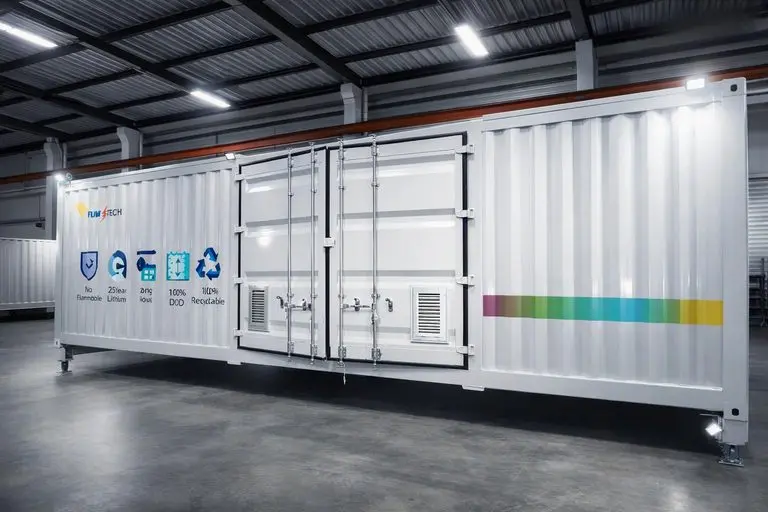
Every year there are many industrial accidents due to wrong storage of hazmat that result in fines by authorities and preventable ecological disasters. Regardless of whether you operate a chemical manufacturing plant, warehousing distribution items or work within the mining sector, storage of your hazardous material will always require due diligence. Laws specify that dangerous substances will be handled and stored in a specific way; the storage and handling of inflammable fluids or substances, corrosive or noxious chemicals and the coming into existence of dangerous waste is controlled to a high international level in whatever your individual field of business is. (i.e: mining, drilling for oil and gas, chemicals production and/or pharmaceutical products manufacturing and all of the other general manufacturing areas).
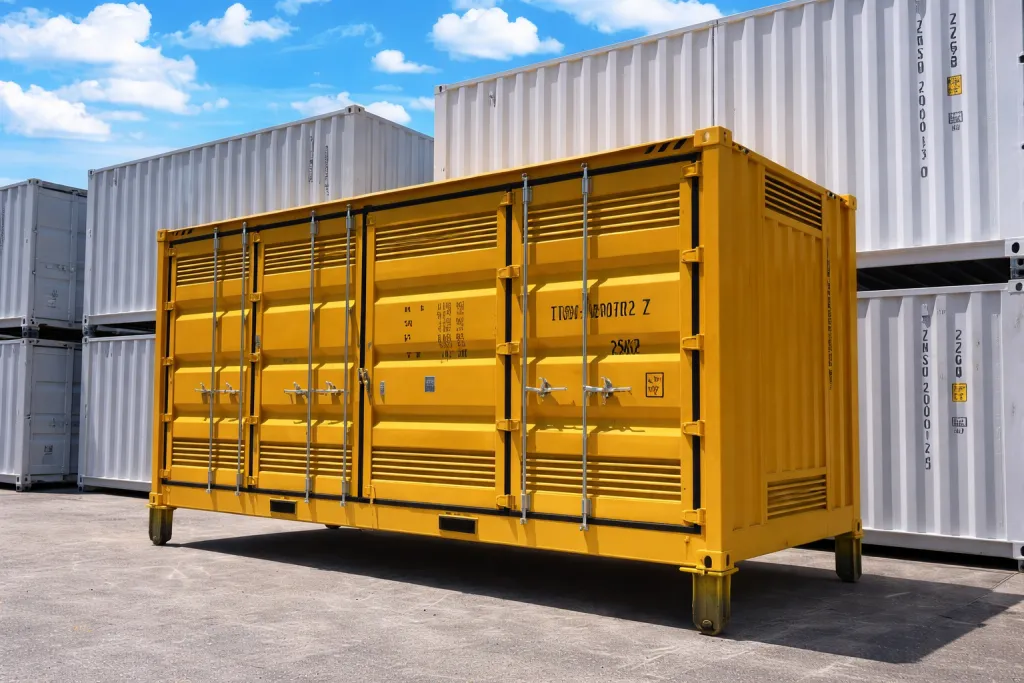
Improper storage can result in pollution, downtime, and safety-related events. Current hazmat storage containers. Today, hazmat storage containers can be a much safer and customizable approach. Unlike buckets and cans, today’s hazmat storage containers come with spill containment systems, fireproof materials, ventilation systems, and locked access controls. This enables companies to safeguard employees, property, and the environment. Transportation solutions are very important for businesses managing hazardous substances and not a matter of choice.
What is Hazmat Storage?
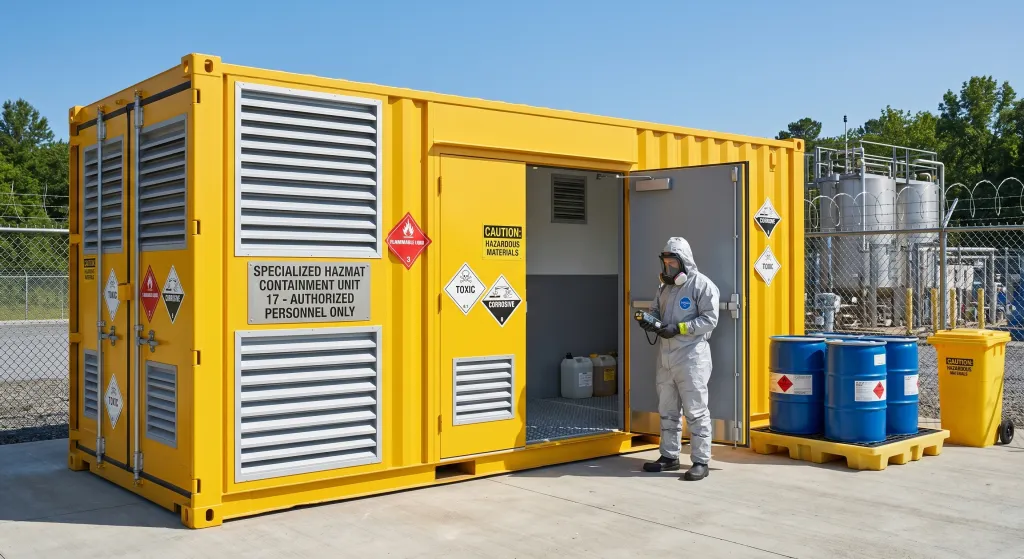
Hazmat storage is the term given to describe the safe storage and handling of hazardous materials (HAZMAT/hazmat) that could pose a risk to health life property or the environment. The containers will not be conventional shipping containers as they will conform to the rigorous international criteria provided by the International Maritime Dangerous Goods (IMDG) Code
U. S. Occupational safety and Health Administration (OSHA) reports that around the world thousands of accidents occurs every year at workplaces due to insufficient or improper storage of hazardous materials. Improper storage of hazardous materials is a major cause of accidents at workplaces. (Source: OSHA Hazardous Materials Standards, 29 CFR 1910).
The storage of toxic substances is not solely based on finding a place to store the problem it must also incorporate ensuring all structural aspects e.g., materials, safety systems etc are correctly designed and integrated as one certified unit.
Key Features of a Compliant Hazmat Storage Container
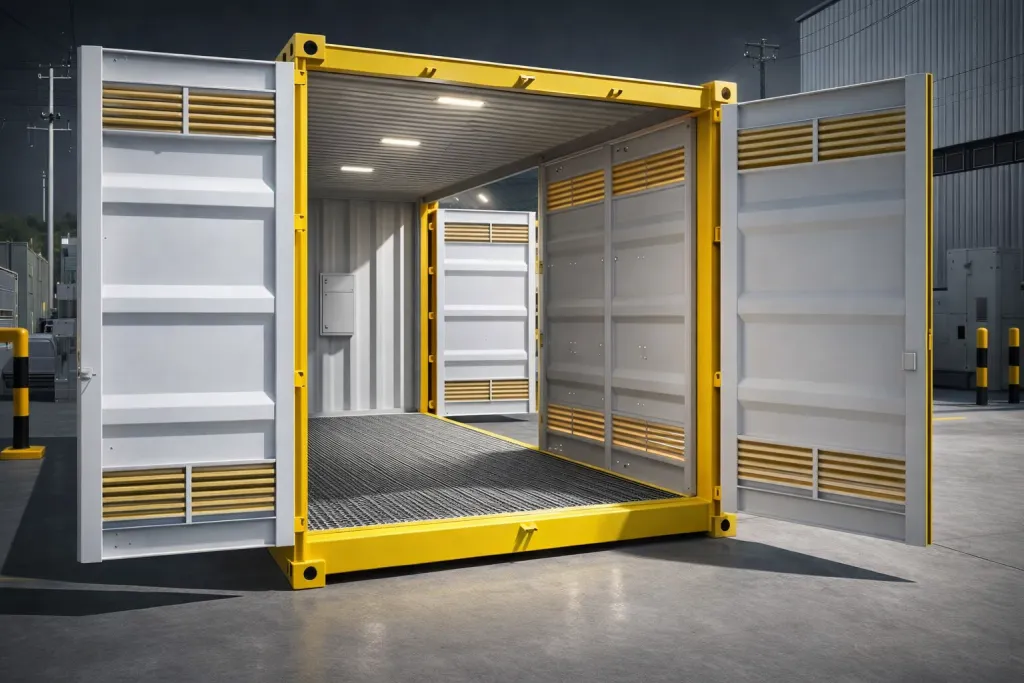
The modern hazardous goods container is much more than a reinforced metal box. It should also serve as an engineered safety device. The following are the characteristics that differentiates a fully compliant unit compared to a simple modified container:
| Safety Feature | Function | Why It Matters |
| Integrated Epoxy Sump System | Channels leaked liquids to a separate collection pit | Zero-tolerance spill containment; prevents soil and water contamination |
| Explosion Vent + Auto Fire Suppression | Explosion vent at top; 8 dry-powder extinguishers auto-trigger at 70°C | Automated hazard control without human intervention |
| Fire-Dampened Ventilation | 8 air intake vents with SUS304 stainless steel fire dampers | Fume control and automatic fire isolation |
| Emergency Eyewash & Shower | Accessible within 10 seconds; provides 15+ minutes of stable water | Immediate personnel decontamination after exposure |
| Electrostatic Discharge Grounding | Grounding devices at container entry | Prevents ignition from static electricity — critical for flammables |
| Corten Steel + Multi-Layer Coating | Zinc-rich epoxy primer and chlorinated rubber topcoat | Minimum 10-year water resistance and corrosion protection |
The function of each system relies on each other. Each feature must work together to not perform without one another. When designing a container to hold Class 3 flammable liquids, it has to: provide adequate ventilation; create an explosion-free work area inside the container; contain any spills; and provide sufficient safety for workers.
Which Dangerous Goods Classes Can Be Stored?
You must understand your containers’ UN DG classifications as a requirement to safely storing your hazardous waste, not as an incidental consideration. Refer to the following for the commonly managed UN DG classes for certified hazardous waste storage containers:
| DG Class | Substance Type | Example Materials | Key Container Requirement |
| Class 3 | Flammable Liquids | Solvents, fuels, alcohols | Explosion-proof design; fire suppression |
| Class 5 | Oxidizing Substances & Organic Peroxides | Hydrogen peroxide, bleaching agents | Enhanced ventilation to reduce fire risk |
| Class 6 | Toxic & Infectious Substances | Pesticides, biological agents | Leak-proof interiors; secure locking |
| Class 8 | Corrosive Substances | Acids, caustic soda | Acid-resistant lining; sealed sump |
| Class 9 | Miscellaneous Dangerous Goods | Environmentally hazardous materials | General containment; segregation options |
You should always refer to, and check with current local regulations related to your co-storage of various DG classes and your Safety Data Sheets (SDS) for compliance. If any materials are incompatible, they must be kept physically separated; some specially designed containers have inbuilt separating compartments for this reason.
Choosing the Right Container Size for Your Operation
Designing for hazmat storage containers one of the best decisions you can make is to look at the container footprint. Here is a summary of five popular container footprints and their typical use:
| Container Size | Best For | Key Advantage |
| 8 ft / 10 ft | Small quantities, on-site transfers, last-mile logistics | Full UN safety certification in the smallest possible footprint |
| 20 ft Dangerous Goods Container | General industrial hazmat storage; multi-modal transport | ISO-standard dimensions; globally compatible; best balance of volume and compliance |
| 40 ft Dangerous Goods Container | Large-volume shipments; consolidating multi-class DG goods | Maximum payload capacity; high-cube versions available for added height |
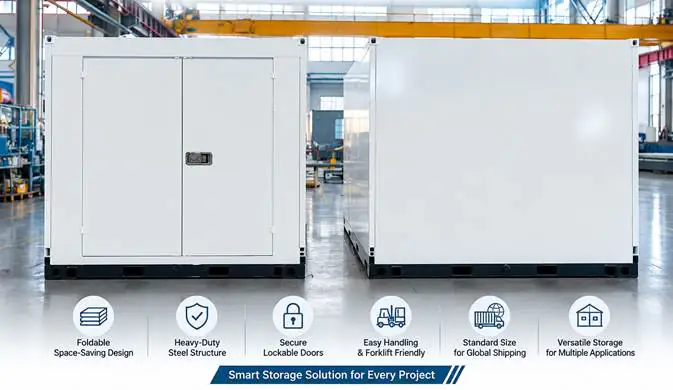
The 10ft dangerous goods container is especially useful to pharmaceutical companies who have a limited quantity (LQ) of hazardous chemicals to store, as well as for construction sites that have limited space but need to comply with regulations.
Why Specialized Hazmat Storage Containers are Essential
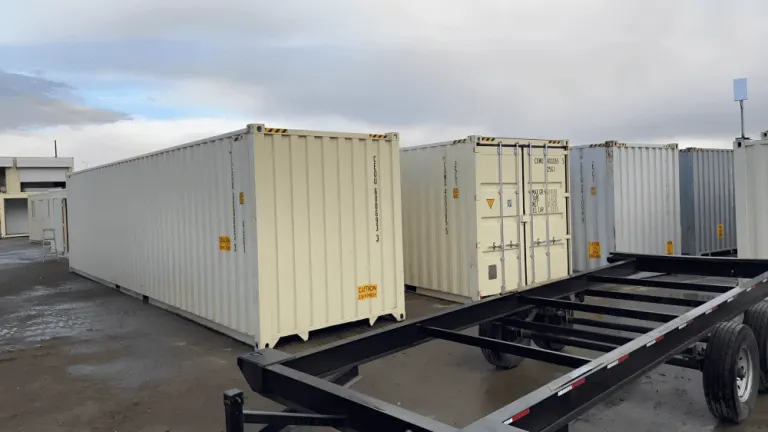
Standard shipping containers do not have the structural strength or the ability to withstand chemicals over time as an interim solution for hazardous materials. A dedicated container for Dangerous Goods has been specifically constructed of Corten A steel with multi-layered coatings for corrosion resistance.
Leakage Recovery and Containment
The “zero-tolerance” spill prevention is one of the most significant attributes of Hazmat Storage. High-grade units come equipped with an integrated epoxy sump system that directs any liquid spills via specific pipes to a collection pit. Thus, any potential for environmental release resulting from a breach in a container will still be contained within the boundaries of the footprint of the container.
Atmosphere and Ventilation Control
Chemical fumes can pose just as much risk as the chemicals themselves; therefore, an effective 10ft hazardous materials containers will have an airflow from the bottom of the container to the top and usually include air supply vents to aid with this airflow. This continuous atmosphere provides the means for vapours to escape, preventing the development or accumulation of either toxic or possible explosions occurring within the container.
Personnel Safety Measures
But safety is not only about the chemicals, it is about the people who handle them. Modern Hazmat Storage solutions feature:
- Emergency Eyewash/Shower Stations: Located near the exit for immediate decontamination.
- Internal Safety Locks: Specialized designs that allow doors to be opened from the inside to prevent accidental entrapment
Real-World Case Study: Chemical Storage Upgrade at a Southeast Asian Manufacturing Plant
Background
In the year 2024, a medium-sized Malaysian chemical manufacturing company was failing compliance due to several failed audits as their current storage facilities were not suitable for the hazardous materials being stored. The way in which it was set up, using an existing general-purpose container that had been re-engineered to use as a hazmat storage facility, created safety hazards as there wasn’t enough air flow through this storage area and there was no secondary containment systems installed. Regulatory agencies identified three Class 3/Class 8 violations during one inspection cycle.
Key Challenges
- No sump system, causing chemical residue to pool on the floor
- Ventilation design allowed fumes to accumulate near ignition sources
- No automatic fire suppression — workers were relying on hand-held extinguishers
- Strict timeline: the facility needed to pass a re-audit within 60 days
Solution
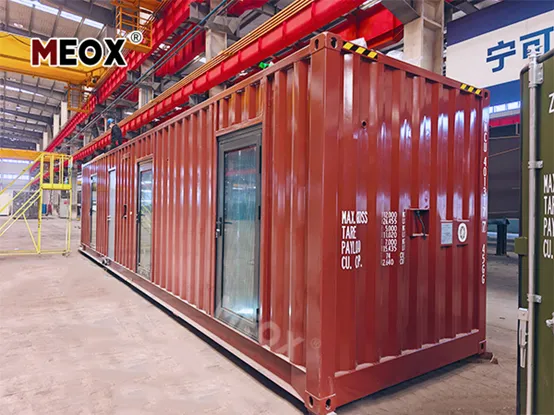
Two specially designed 20-foot containers for hazardous materials storage have been delivered by MEOX. The containers are designed for storing multiple classes of materials. The container has been installed in accordance with the compliance period; they included a built-in epoxy sump, fire-dampened ventilation/fire suppression systems using dry chemical powder, and copper grounding strips as part of the physical design.
Outcome
The facility was successfully re-audited with zero violations. The operations manager indicated that the automatic fire suppression system in combination with the sealed sump provides a considerable increase in operational confidence for their safety personnel.
Frequently Asked Questions (FAQs)
What materials can be stored inside a hazmat storage container?
Flammable liquids, corrosive chemicals, toxic materials, hazardous waste, gas cylinders, and industrial solvents are all suited to be housed in hazmat container solutions. Your container should be dimensioned to your chemical demands.
Are dangerous goods containers suitable for outdoor environments?
Yes, the majority of hazardous materials containers have been produced from weatherproof metal framework built in an anti-corrosive coating and to withstand harsh environments of outdoor manufacturing.
Can hazmat storage containers be customized?
Yes. There are lots of different ways that companies can help you customize your products through ventilation systems, shelving, fire suppression systems, insulation, lighting and security systems.
Conclusion
The proper storage of hazardous materials is essential for the safety of the workforce in an industrial setting. Increased laws and regulations regarding the handling of hazardous materials, coupled with the rising incidence of accidents in the workplace, have made it necessary that all businesses utilise a safer, more reliable method for storing these items.
The use of specialised containers designed specifically for storing hazardous materials offers a practical solution to this problem by combining mobility, compliance, spill containment, ventilation, and fire protection into one modular system for safe transportation to and from the job site. These systems are useful in all types of industries where hazardous materials are handled, including mining, manufacturing, energy, and chemical processing. The use of these systems minimises potential risks while providing greater operational flexibility.
Using containerised storage systems can provide companies with safer long-term management of hazardous materials, while providing other ongoing operational and environmental benefits.
Ready to Upgrade Your Hazmat Storage?
Since 2008, MEOX has implemented over 1500 custom container projects worldwide. We manufacture all our DG units to ISO 9001:2015 quality standards and UN transport certification requirements. Contact the MEOX team for your customized compliance evaluation.
Disclaimer: MEOX’s manufactured products are referenced in this article as the basis for the technical data, specs, and materials. Specifications, materials, and tech details may differ from those shown in this publication as a result of changing project requirements and custom manufacturing options.
To learn more about optimizing your hazardous material logistics, we invite you to watch the following video on ‘Maximize Container Space with Precision-packed Hazardous Waste Containers’: