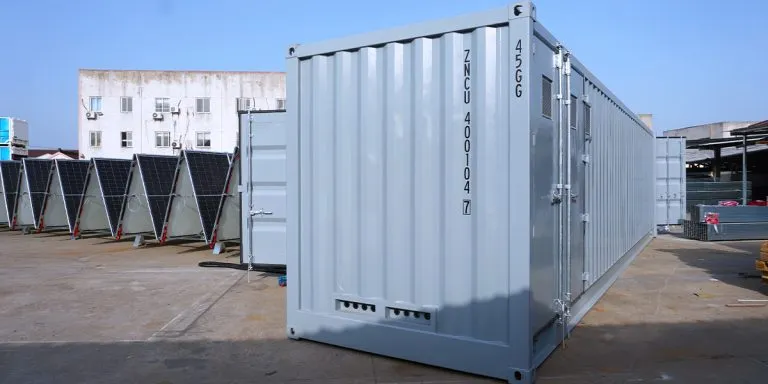
The changing nature of worldwide infrastructure means speed, efficiency, and reliability are the keys to successful project development. With new projects moving to renewables and decentralized power, the conventional way of constructing on-site electrical rooms is being supplanted by more advanced solutions, specifically, prefabricated electrical houses.
Providing an industrialized approach to power generation, the modular solution (also referred to as an E-House) integrates the various (but still complicated) electrical components throughout multiple different disciplines of electrical work into one portable and rugged enclosure that can be delivered quickly to market. With this solution in place, businesses will experience reduced risk of operation and an increase in productivity through the modularity of having multiple systems maintained through a single unit.
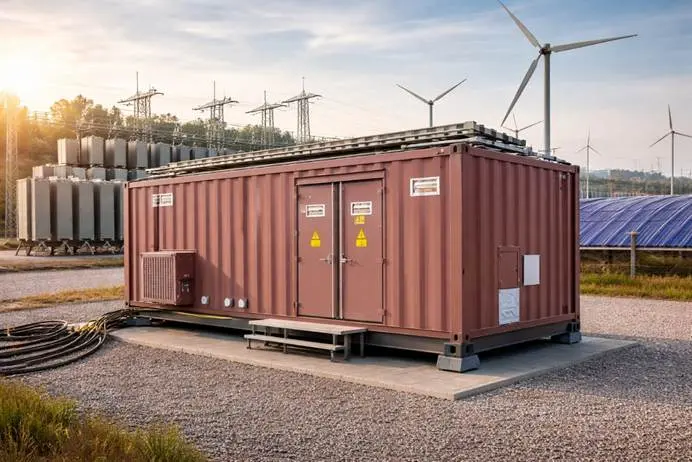
This article provides a discussion on the function of prefabricated electric houses, where these structures are typically found, as well as why they are rapidly becoming an important part of projects related to both industry and energy around the globe.
What Is a Prefabricated Electrical House?
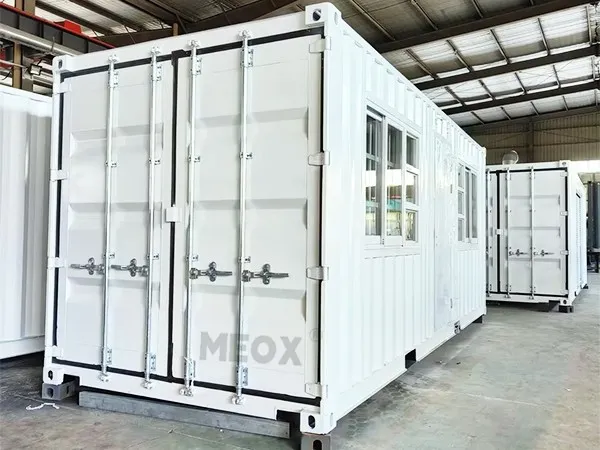
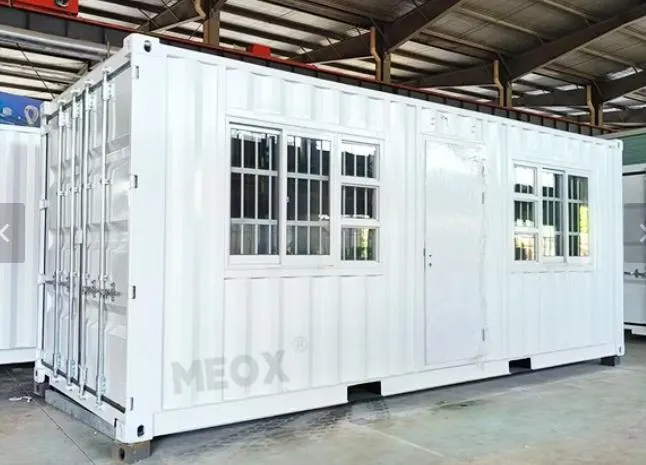
A Prefabricated Electrical House, also known as a Modular Electrical House or Containerized Electrical Substation, is a factory-built enclosure for MV/LV switchgear, transformers, control cabinets, protection systems and automation equipment.
The construction process of a prefabricated electrical house, as compared to an electrical room constructed at a construction site, is where this mainly occurs. Essentially, the prefabricated electrical house is built in a factory and wired with electricity and functionality is tested within that same factory environment. Because of this, as soon as the prefabricated electrical house has been delivered to the construction location, commissioning can usually begin immediately. This matters very much to project managers under tight timeframes or in remote areas.
According to the International Energy Agency (IEA) reports that in 2023 over USD 1 trillion was put into electricity infrastructure globally, now with increased demand for modular, pre-engineered options; to provide increased speed, safety and cost predictability. This is part of the wider recognition throughout the industry that the traditional onsite method of constructing electrical infrastructure is not the most effective method going forwards.
The Strategic Advantages of Modular Power Solutions
The use of a Prefabricated Electrical House has numerous advantages over traditional building methods. The National Institute of Building Sciences says, “Modular construction can shorten project schedules by up to 50% while reducing waste and increasing quality control.”
Accelerated Project Timelines
Electricity can be installed in traditional builds after buildings are complete, but that is not the case with a prefabricated electrical house, where foundation preparation and enclosure manufacture occur at the same time; this construction lends itself to computing-ready electrical supplies, which will be available to plug into once site preparation has been concluded.
Enhanced Reliability and Testing
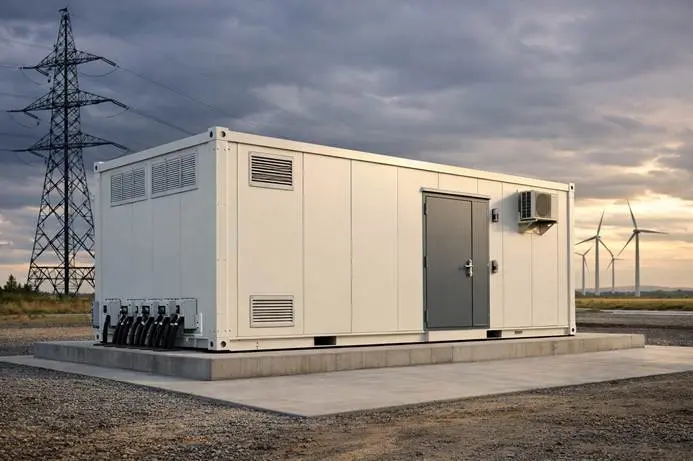
Factory Acceptance Testing (FAT) is performed on every Electric House prefab before shipping from the factory to the field. All equipment, switchgear, cabling & cooling systems are tested as one integrated system before leaving the factory. This significantly decreases the potential for integration errors typically found with traditional onsite construction projects.
Resilience in Harsh Environments
Constructing a facility on site for remote projects, such as offshore wind projects or mines, can be prohibitively costly and sometimes impossible. A custom-engineered E-House creates a controlled environment, enabling electrical equipment with sensitive components to be protected against salt spray, extreme temperature fluctuations, and seismic activity.
| Comparison Factor | Traditional On-Site Build | Prefabricated E-House |
| Installation Time | Months of on-site labor | Days to weeks |
| Quality Control | Dependent on local weather/labor | Controlled factory standards |
| Mobility | Permanent structure | Relocatable and modular |
| Testing | Serial testing on-site | Integrated Factory Acceptance (FAT) |
| Safety Risk | High (ongoing site construction) | Low (delivery of finished unit) |
Table: On-Site Construction vs. Prefabricated Electrical House
Main Applications of Prefabricated Electrical Houses
Prefabricated E-Houses are utilized in many different industries because of their simplified electrical integration and enhanced operational reliability.
Industrial Facilities
Mining operations, manufacturing facilities and oil and gas ventures often need temporary or remote electrical infrastructure. Modular E-Houses are an ideal solution for providing such infrastructure without requiring a permanent installation.
Renewable Energy Projects
Many renewable energy projects use E-Houses to consolidate their power conversion and distribution systems, usually in conjunction with Battery Energy Storage Container Solutions, in order to improve the reliability of the grid and the overall management of energy produced by these projects. Solar farms and wind power generation plants are typically constructed with E-Houses for this reason.
Utility and Substation Projects
Utilities use pre-fabricated E-Houses for substations, switchgear rooms, and control centers. They are factory tested and configured, minimizing commissioning complexity.
Data Centers
Data centers today need power supply systems that are uninterrupted. Modular electrical houses help speed up deployment while meeting strict reliability standards. These modular electrical houses help to speed up deployment while maintaining strict reliability standards.
Technical Specifications Overview
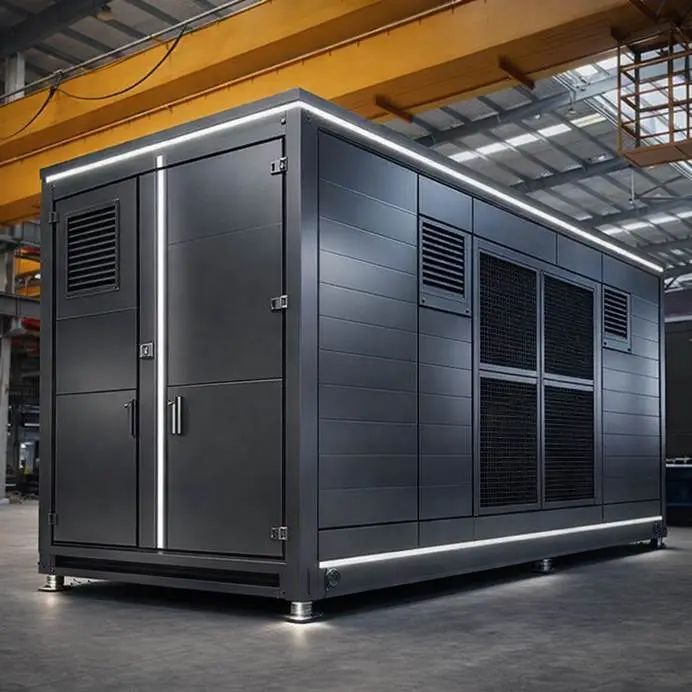
The table below is a reference specification for a standard 20FT pre-fabricated electrical house configuration. Custom specs are project-specific.
| Parameter | Reference Value |
| Type | E-Container |
| External Dimensions (L × W × H) | 6096 × 2438 × 2896 mm |
| Internal Dimensions (L × W × H) | 5898 × 2252 × 2493 mm |
| Cubic Capacity | 33 CBM |
| Tare Weight | 5,000 kg |
| Max. Gross Weight | 30,480 kg |
| Material | SPA-H (weather-resistant steel) |
| Anti-corrosion Paint Grade | Up to CX |
| Wind Resistance | Grade 10 |
| Certification | CSC Certificate |
| Service Life | 15–25+ years (with regular maintenance) |
A custom prefabricated E-House can be designed and engineered for projects with non-standard dimensions, higher voltage ratings, multi-room configurations or specialized fire suppression systems.
Real-World Case Study: E-House Substation for a DSO Industrial Project
The Challenge
An industrial site required a stationary power distribution solution from a Distribution System Operator (DSO). The project involved a walk-in substation that could be installed in an elevated position, support stable daily operations, and allow maintenance teams easy internal access — all while adhering to strict safety and environmental protection standards. Building a traditional on-site electrical room was not an option within the project timeline. The team also needed to ensure the internal organization was clean and accessible, with minimal on-site electrical work. The project needed a walk-in substation that could be installed in an elevated position, support stable daily operations and allow easy access to maintenance teams from the inside – all while meeting strict safety and environmental protection standards.
Due to the project schedule, a conventional electrical room could not be built on site. The team also had to keep the internal organization clean and accessible, with as little on-site electrical work as possible.
The Solution
MEOX supplied a walk-in E-House substation for DSO and industrial applications. The unit was optimized in-house for equipment access and safe maintenance, enabling high installation and robust environmental protection for outdoor long-term use. The factory assembled and pre-tested unit was delivered ready for fast commissioning. The result was faster project delivery, lower on-site labor and a power distribution solution that met the client’s operational and safety needs from day one. The unit was designed for high mounting and the internal layout was optimized for equipment access and safe maintenance. The enclosure offers good environmental protection for outdoor long-term use. The unit was factory assembled and pre-tested to ensure it was ready for fast commissioning.
The result was a faster project delivery, less on-site labor and a power distribution solution that met the client’s operational and safety needs from day one.
Frequently Asked Questions (FAQs)
What is the lifespan of a prefabricated electrical house?
The lifespan of a well-designed E-House is 20-30 years or more, depending on the environmental conditions, quality of maintenance and choice of components.
Are prefabricated E-Houses suitable for extreme climates?
Yes. Modern E-Houses can be designed for high temperatures, freezing conditions, coastal humidity, desert environments and seismic regions with custom insulation, HVAC and structural reinforcement.
Can a prefabricated electrical house be relocated?
Many modular E-Houses are designed for transportability. The ability to relocate is dependent on structure size, transportation regulations and project-specific engineering requirements. Whether it needs to be moved depends on the size of the building, the transportation rules, and the engineering needs of each project.
Conclusions
Increasing demand for faster and more flexible infrastructure is changing the way of deploying electrical systems in the industrial and energy sectors. With the efficiency of modular construction and advanced electrical integration, the Prefabricated Electrical House helps project developers reduce timelines, improve quality control, and enable remote installations.
As industries modernize power distribution systems, modular E-House solutions are expected to play an increasingly important role in renewable energy, mining, utilities, manufacturing and data center projects.
Request a free quote for a customized E-House and get a project-specific response from the MEOX technical team. At MEOX, we develop high-performance containerized solutions that adhere to the most demanding standards worldwide.
Disclaimer: The technical data, configurations and materials mentioned in this article are based on the container products manufactured by MEOX. Specifications, Materials, Dimensions and Technical Details can vary according to project requirements and regional standards.
To see our manufacturing process in action, we invite you to watch the following video on “E-House | Prefabricated Electrical House Solution Manufactured by MEOX”: