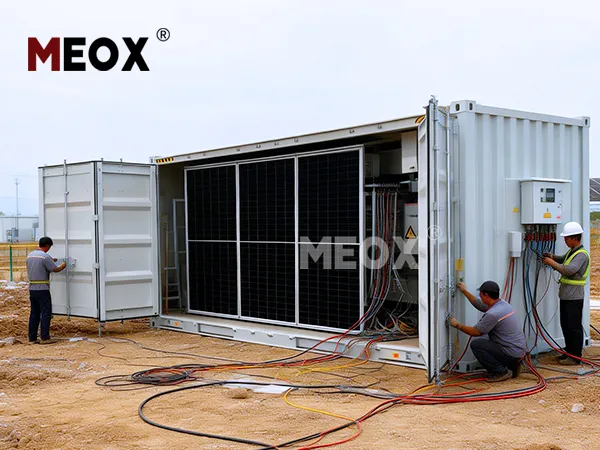
If you are in business launching a pop-up restaurant, setting up a temporary remote workplace or designing a marine galley kitchen, a shipping container can be an inexpensive, portable solution rather than constructing a kitchen from scratch. Shipping containers are made of steel, lightweight, transportable, adapted for commercial food service use and easily modifiable.
This article tutorial will take you over all the elements of a containerized kitchen, the types of applications, cost range, size, real-life examples of containerized kitchens and what to look out for when buying a containerized kitchen.
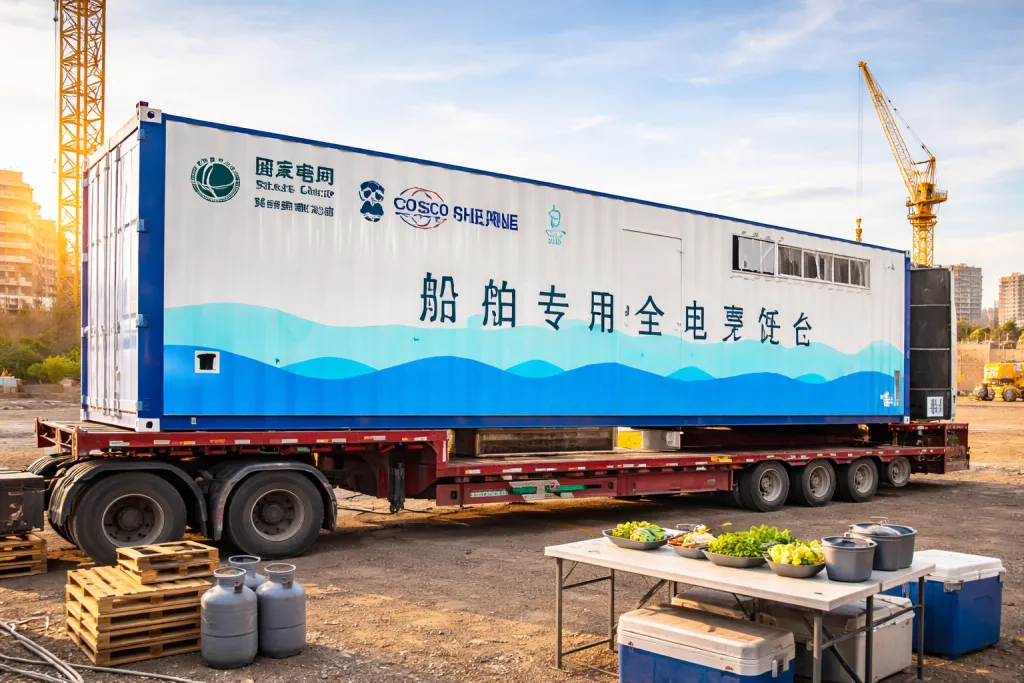
What Is a Shipping Container Kitchen?
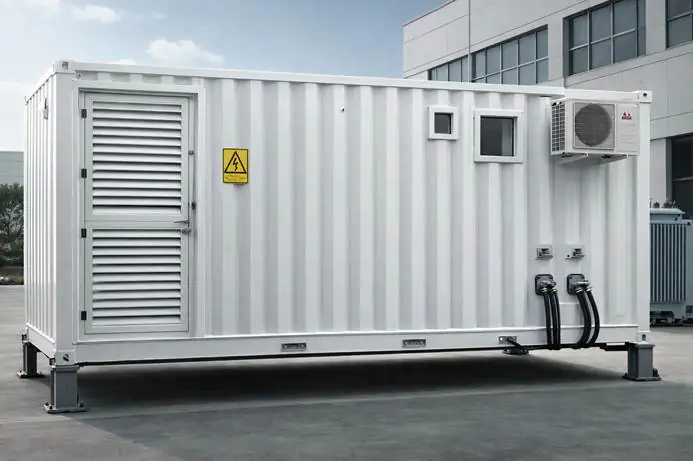
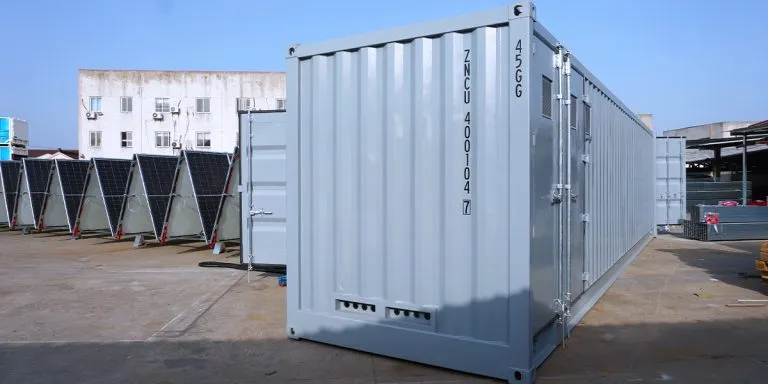
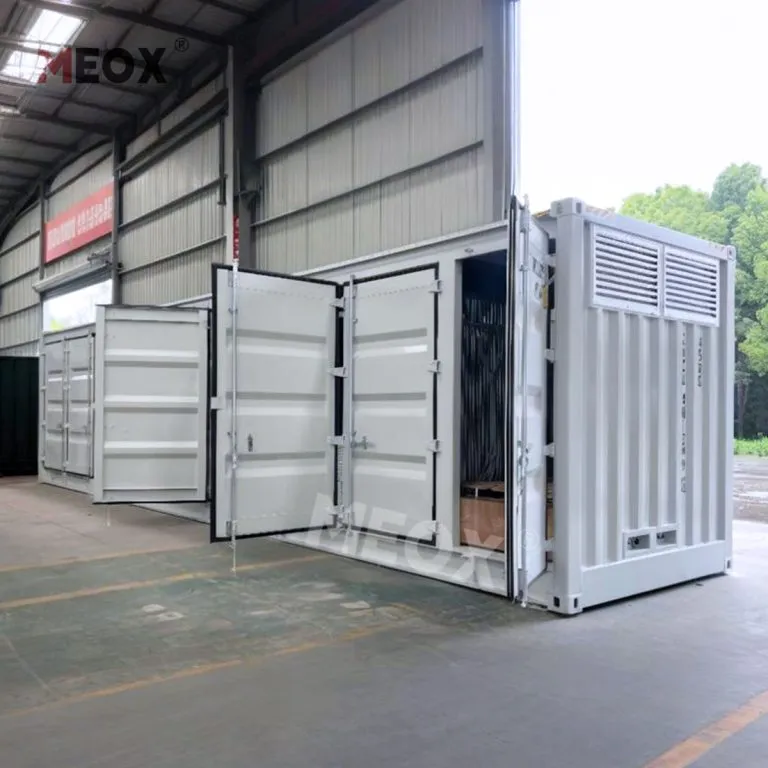
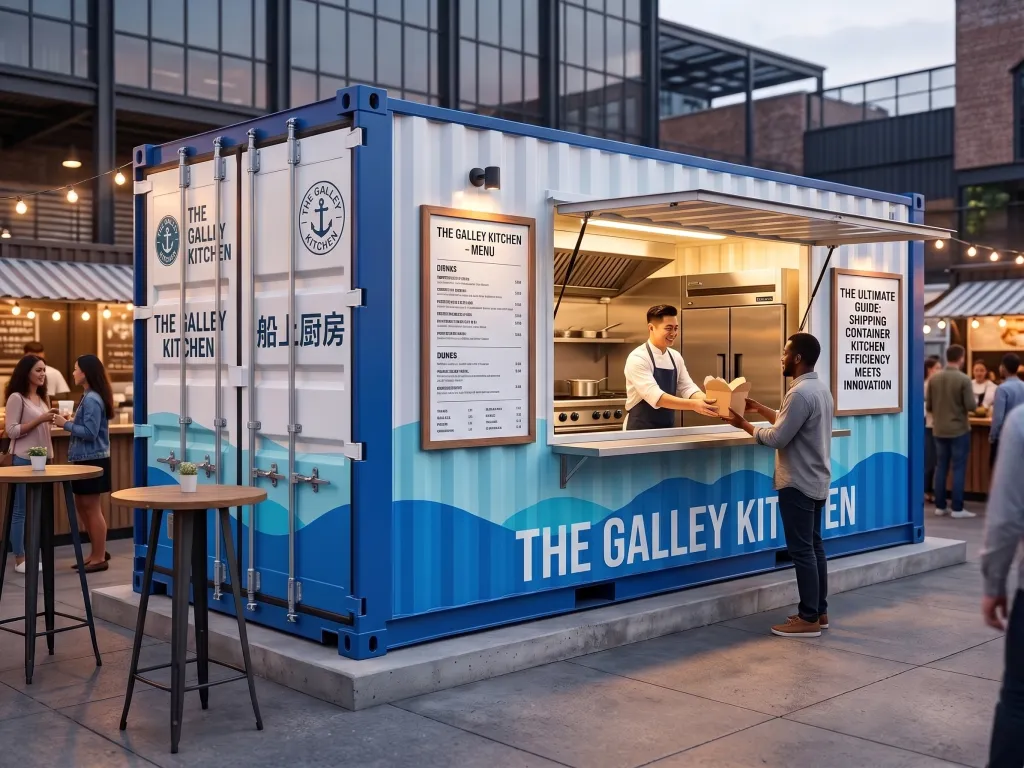
A shipping container kitchen is an ISO container (standard size 20ft, 40ft) recast and retrofitted into a fully operational kitchen. Changes to the interior are insulation, ventilation, stainless-steel work tops, plumbing, electrical systems, commercial cooking appliances, etc.
What you’ve got at the end is a self-contained, stand-alone culinary unit that can be moved by road, sea, or a crane with a minimum of fuss and set up almost anywhere.
Modular Building Institute states that modular and conventional construction can provide a 30-50% project timetable reduction over conventional construction, making this an important advantage for restaurants looking for speedy delivery and set-up of new locations.
Types of Shipping Container Kitchens
Not all container kitchens are created equally. It really does boil down to your use case, your volume needs and the level of mobility you’ll need for your operation.
| Type | Best For | Key Features |
| Standalone Mobile Kitchen | Food trucks, catering, pop-ups | Fully self-contained, road/ship-ready |
| Permanent Commercial Kitchen | Ghost kitchens, restaurants | Fixed installation, full utilities hookup |
| Marine / Offshore Kitchen | Ships, offshore platforms | Corrosion-resistant materials, marine certifications |
| Multi-Container Kitchen System | High-volume venues, stadiums | Linked units for prep, cooking, and storage zones |
| Outdoor Container Kitchen | Resorts, glamping, festivals | Weather-resistant, modular, fast-deploy |
All formats are customizable with different layouts, equipment packages and finishes.
Key Features of a Commercial Shipping Container Kitchen
When evaluating a commercial kitchen in a shipping container, the quality of the components is as important as the layout. Here are the core features to prioritize:
Structural Material
High-grade Corten steel (SPA-H specification) for its corrosion stability and strength, either on land or in the marine environment. The paint specification should match the environment in which it will be deployed; marine paint is required for on-deck or offshore units.
Interior Fit-Out
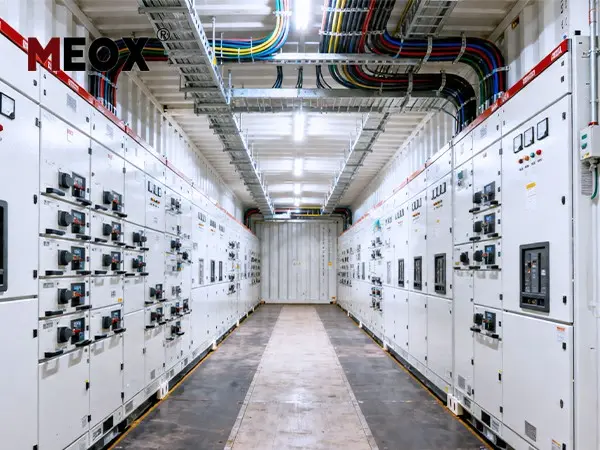
A well-set-out container kitchen generally has stainless steel work tops, cabinets, commercial ignition hoods, completed electrical circuits, drink and waste water services, heating, ventilation, and air conditioning systems, fire and safety alarm systems per relevant local/ international standards.
Insulation
Insulated wall and ceiling panels are key to maintaining consistent temperature and reducing energy consumption, especially in extreme climates.
Certifications
Expect CSC (Container Safety Convention) certification for the safety of the structure. Other marine authority approvals might be needed for marine deployment.
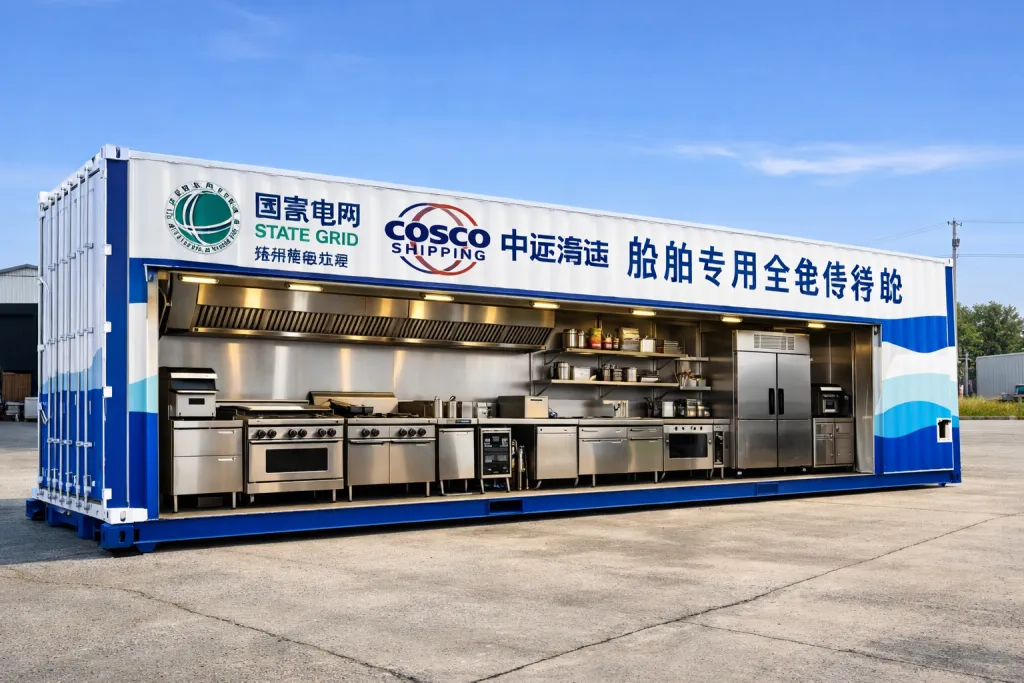
20ft vs. 40ft Container Kitchen: Which Do You Need?
Size selection is one of the simplest decisions to be made throughout the planning process. This table summarizes the main differences between them.
| Specification | 20ft Container Kitchen | 40ft Container Kitchen |
| External Length | ~6,058 mm | ~12,192 mm |
| Typical Use Case | Small cafés, single-station prep, mobile catering | Full-service restaurants, marine galleys, high-volume catering |
| Equipment Capacity | 1–2 cooking stations | 3–5+ cooking stations |
| Mobility | Easier to transport | More setup space required |
| Cost Range | Lower initial investment | Higher, but greater ROI for scale |
In high throughput scenarios (like 300+ meals/shift service), the extra available space in a 40ft format allows for multiple parallel cooking, storage, and service areas without sacrificing speed. See all shipping container kitchen specifications for dimensional data.
Real-World Case Study: Marine Galley Conversion for a Commercial Vessel
In managing a massive infrastructure project in Southeast Asia, a contractor with such a large infrastructure also encountered several operational issues. The issues raised by the particular situation were: no fixed kitchen facilities available on the remote project site, and traditional construction planning had been delayed due to local building conditions.
Key Challenges
- Tight project timeline
- Limited local infrastructure
- High daily meal demand for workers
- Seasonal heavy rainfall affecting site construction
Solution Provided by MEOX
MEOX provided several modular container kitchens, designed for quick installation and continuous operation. The kitchens incorporated heavy-duty insulation and industrial ventilation, with stainless steel work areas and integrated plumbing.
Due to the modular construction, the kitchens could be completed much quicker than traditional dry construction.
The units could sustain poor weather conditions and could then be moved to another job site. This project was used as evidence of the benefits of modular kitchen infrastructure in isolated, challenging working conditions.
Shipping Container Kitchen Cost: What Drives Pricing?
The Cost for shipping container kitchens depends on size, equipment package, level of finish, and destination requirements. Key cost drivers include:
- Container size (20ft vs. 40ft)
- Equipment Specification (basic prep kitchen vs. full-service commercial build)
- Insulation and HVAC Requirements (climate-controlled vs. ambient)
- Certifications Required (standard CSC vs. marine or offshore)
- Customization Level (standard layout vs. bespoke floorplan)
- Shipping and Installation Logistics
Standard container kitchens have gained popularity over traditional restaurant constructions as there are generally lower initial costs and a quicker build due to the removal of the foundations, pre-fabrication and quicker build times.
Frequently Asked Questions (FAQs)
What is the main advantage of a shipping container kitchen?
The main benefit is mobility combined with fast installation. These kinds of kitchens can be moved and set up far more quickly than traditional structures but still give a professional operation.
Can shipping container kitchens operate in extreme climates?
Yes. With the right insulation, ventilation and HVAC, container kitchens can work well (sometimes even better) in hot, cold, humid or faraway places.
Are container kitchens customizable?
Absolutely. Buyers can customize floor plan, equipment and technology, storage capacity, electrical systems, and sanitation facilities.
To explore customized modular kitchen solutions, visit the Shipping Container Kitchen product page.
Conclusion
A shipping container kitchen has an efficient kitchen solution for any organization that needs a reliable food manufacturing facility in transient, isolated or rapidly evolving conditions. Whether dealing with a construction camp or disaster relief, these kitchen modules offer portability, resilience and effectiveness that traditional buildings often cannot match.
For businesses wanting a more scalable infrastructure with shorter times to deploy, container kitchens are a cost-effective, forward-looking option.
Thinking of a food service project? If you would like to look into customized container kitchen solutions, then MEOX supplies purpose-engineered shipping container kitchens from 20ft mobile units to 40ft marine-grade galleys.
Contact the team to discuss specifications and request a quote.
Disclaimer: Technical data, specifications and materials specified in this article are based on the container products manufactured by MEOX. Actual specification materials, configuration and technical information may vary as the specific project requirements, local standards, and customization options.