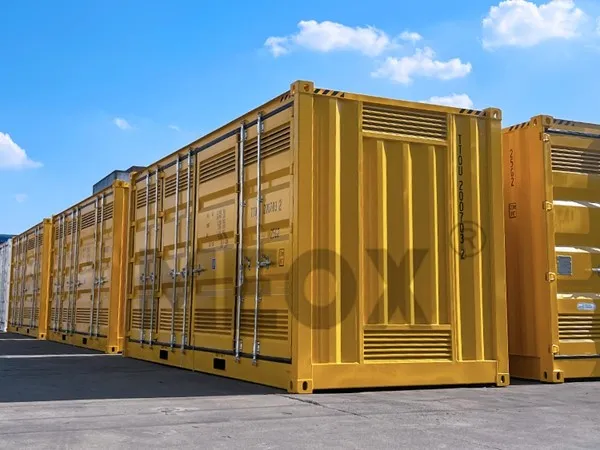
Power plants seldom enjoy delays. Electricity services, data centers, and factories require immediate availability of electrical systems, while still ensuring safety and efficiency. This is why the modular electrical house is becoming an excellent substitute for conventional civil engineering substations.
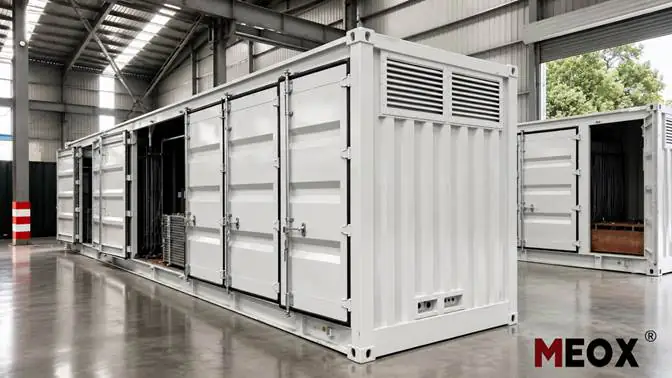
The eHouse is a type of prefabricated structure that contains equipment for power in one factory-fabricated module with all parts thoroughly tested beforehand. The prefabricated electrical house is increasingly preferred by engineers and purchasers over the poured-concrete building, since delivery takes place in a fraction of the time with far less on-site work.
What Is an eHouse, Exactly?
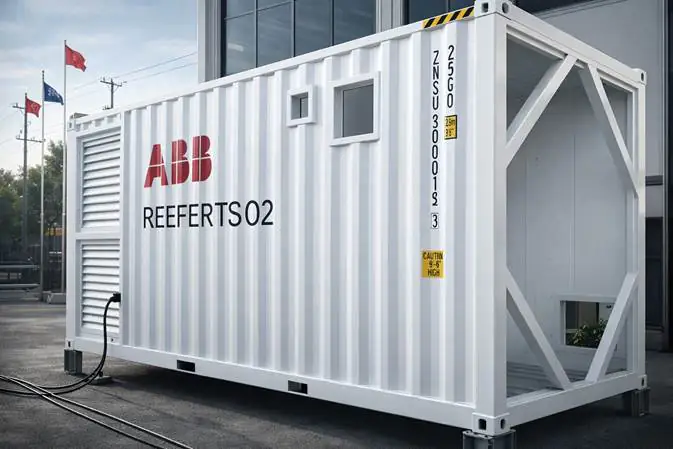
The eHouse is basically a transportable and modular prefabricated electrification solution created for housing the MV/LV switchgear, transformers and other control panels and protection devices. The fact that most of the work is done indoors reduces the impact of any possible labor shortage or bad weather on the completion of a project. The finished E-House is shipped as a complete unit and simply set onto a prepared foundation.
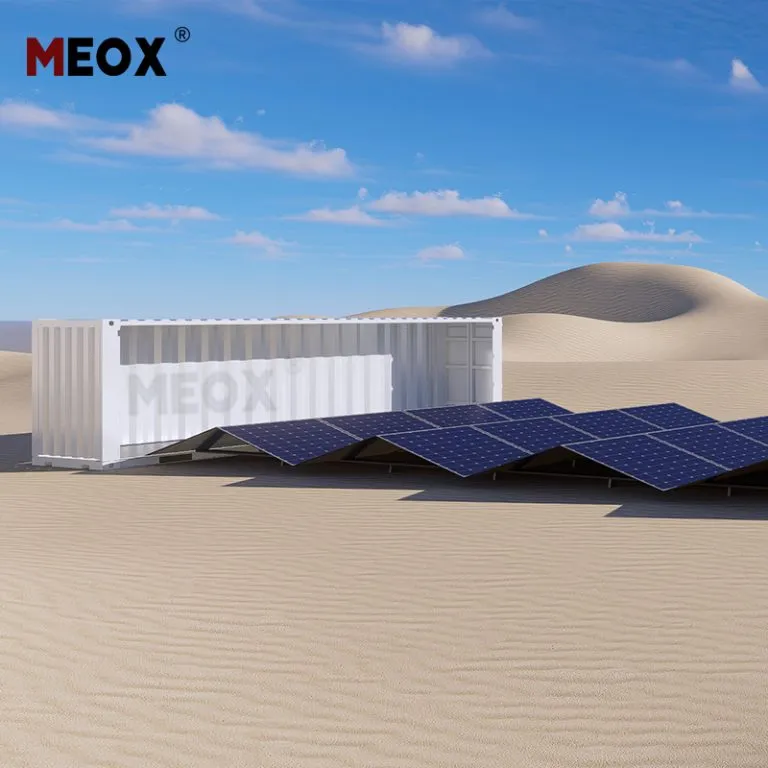
This walk-in or non-walk-in enclosure isn’t limited to one industry. A modular electrical house can support power stations, renewable energy sites, oil and gas operations, mining camps, and data centers, all with the same core benefit: factory quality delivered on a compressed timeline. On sites that pair switchgear with on-site generation, this enclosure is often specified alongside a mobile solar container or a battery energy storage container as part of a broader power package.
Common Applications of an Electrical House
| Application Sector | Why It Fits | Typical Configuration |
| Data centers | Fast deployment, scalable capacity | Non-walk-in skid unit |
| Renewable energy (solar/wind) | Remote siting, harsh weather resistance | Walk-in substation |
| Oil & gas | Explosion-resistant, corrosion-protected shell | Skid or trailer-mounted |
| Mining | Relocatable, rugged construction | Skid-mounted power module |
| Utility/DSO grid expansion | Faster commissioning than civil builds | Fixed walk-in E-House |
Beyond flexibility, the unit also solves a labor problem. It is common to face shortage of skilled electrical constructors and civil workers in far-away locations. All electrical connection work is done in the factory leaving the physical teams to just connect wires and devices at site.
E-House vs. Traditional Civil Substation
The comparison below highlights why a modular electrical house is winning over engineers who once defaulted to poured-concrete buildings.
| Criteria | eHouse (Prefabricated) | Traditional Civil Substation |
| Installation time | 6–10 weeks total project cycle | 6–18 months depending on complexity |
| Site work | Minimal — foundation and utility tie-in | Heavy civil engineering required |
| Mobility | Modular, relocatable, expandable | Fixed, costly to modify |
| Cost predictability | High, due to factory-controlled process | Exposed to weather and labor variation |
| Testing coverage | 100% factory pre-tested before shipment | Final testing largely done on-site |
According to the market analysis in different industries, Utilities pursuing grid modernization increasingly specify factory-built power infrastructure over conventional civil construction, citing faster commissioning and lower project risk.
Customization: Making Every Unit Project-Specific
No two sites are identical, so a genuinely useful Electrical House needs to flex around real project constraints. Typical customization options include:
- Size and layout — matched to equipment capacity and available footprint
- Single-room or multi-room structure — for zoning and easier maintenance
- Skid-mounted or trailer-mounted base — for temporary or remote sites
- Cooling and ventilation — tuned to internal heat load and climate
- Fire protection systems — integrated per project safety codes
- Cable entry, pit, or basement design — matched to the routing plan
- Walk-in or non-walk-in configuration — balancing access against footprint
Projects that need standby power alongside switchgear housing often pair this unit with a prefabricated power container, keeping generation and distribution equipment on a matching modular footprint.
Specifications at a Glance
| Item | Specification |
| Type | E-House |
| Length | 20FT |
| Cubic capacity | 33 CBM |
| External dimensions (L×W×H) | 6096 × 2438 × 2896 mm |
| Material | SPA-H weather-resistant steel |
| IP rating | IP54 standard; IP65 available |
| Operating temperature | −20°C to +50°C standard |
| Electrical standard | GB 7251.1/7251.12 (equivalent to IEC 61439-1/-2) |
As one maker of prefab electrical buildings says, electric houses (e-houses) are often preferred to traditional buildings since they minimize project management hassles and are easy to customize for equipment not adapted to ambient conditions at that particular site.
Real-World Case Study: Generator Housing for ABB Panama
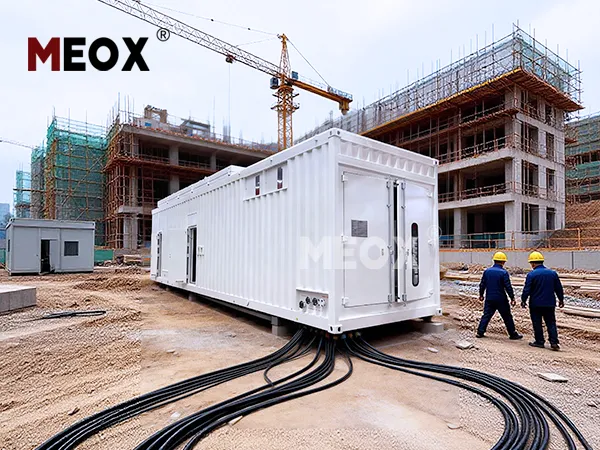
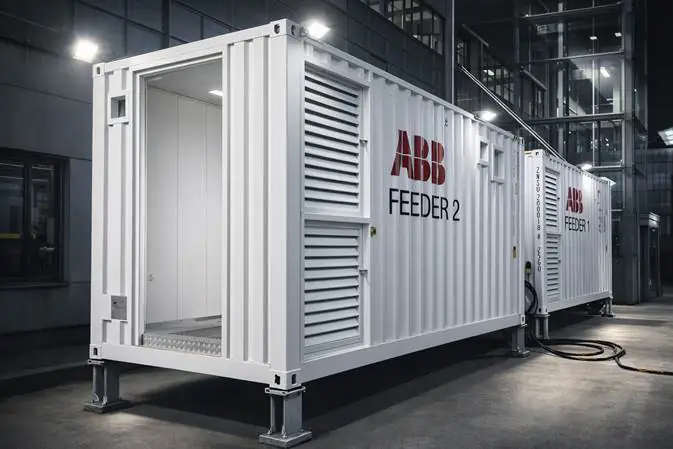
A recent project illustrates how a modular electrical house solves real deployment challenges. MEOX supplied 11 sets of 20ft generator containers to ABB Panama, with total delivery time from factory to site completed in eight weeks.
The Challenge
The client needed a uniform, corrosion-resistant enclosure design across all 11 units to keep installation fast and consistent across the industrial site.
The Solution
Weather-resistant steel construction was the feature that each container had on board. Apart from that, they were completely pre-fabricated, checked for their proper functioning, and shipped pre-assembled. Because of this, the on-site teams only had to do very simple tasks like setting and connecting each unit at different levels. An inbuilt measure was made so that any spill of oil, water, or fuel could be contained and it, plus other methods, helped in keeping the standards of safety compliance. The use of a uniform modular architecture also played a role.
The Result
Faster commissioning at the premises, minimized risk of installation and a design which is repeatable and has the capacity to scale up at several locations without the requirement of reengineering every single unit.
Frequently Asked Questions
What’s the difference between an eHouse and a traditional substation building?
An eHouse is factory-built and pre-tested before it ever reaches the site, so most of the electrical integration work is already complete. A traditional substation requires on-site civil construction and final testing after the building is finished, which takes considerably longer.
How long does it take to deliver a prefabricated Electrical House?
Delivery time depends on the level of customization, but factory assembly and pre-testing generally compress the schedule to a fraction of what a comparable civil build would need. Highly customized configurations naturally take longer than standard layouts.
Can an eHouse be relocated after installation?
Yes. Because the unit is modular and, in many cases, skid- or trailer-mounted, it can be redeployed to a new site if project requirements change, which is difficult or impossible with a fixed civil substation.
Choosing the Right Partner
A modular electrical house is only as reliable as the manufacturer behind it. Factory testing, material quality, and engineering support all affect how the unit performs once it’s in the field. MEOX designs and manufactures eHouse solutions tailored to voltage, layout, and site requirements, backed by in-house testing before shipment. Get in touch with MEOX to discuss a project-specific configuration.
Disclaimer: The technical data, specifications, and case study details referenced in this article are based on MEOX’s own manufactured container products. Actual specifications, materials, and technical details may vary by project and are subject to change; please confirm exact parameters with our engineering team before finalizing a design.
To see how a completed eHouse deployment comes together in the field, watch the following video on ‘MEOX E-House Solution video’, for a closer look at real project footage: