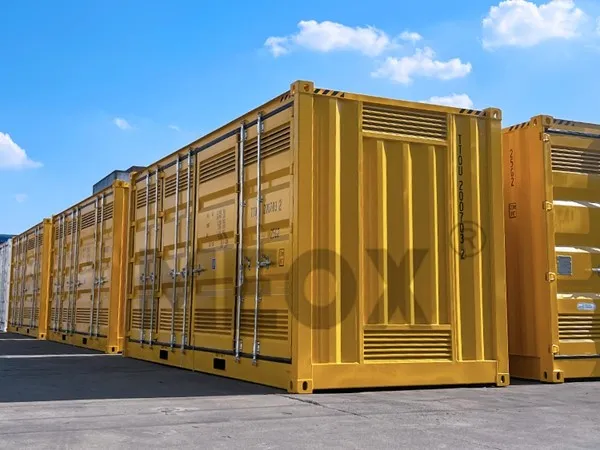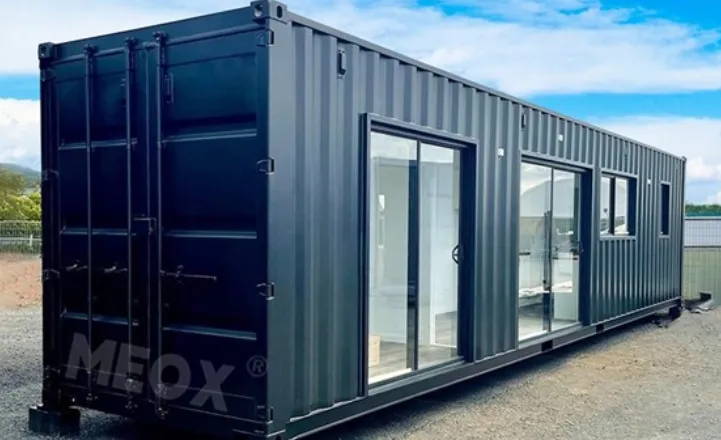
The offshore industry relies heavily on standardized containers to ensure safety, durability, and compliance with international regulations. Among these standards,DNV 2.7-1stands out as a critical certification foroffshore containers, particularly those used in harsh marine environments. This article explores the significance ofDNV 2.7-1, its requirements, and its impact on offshore operations.
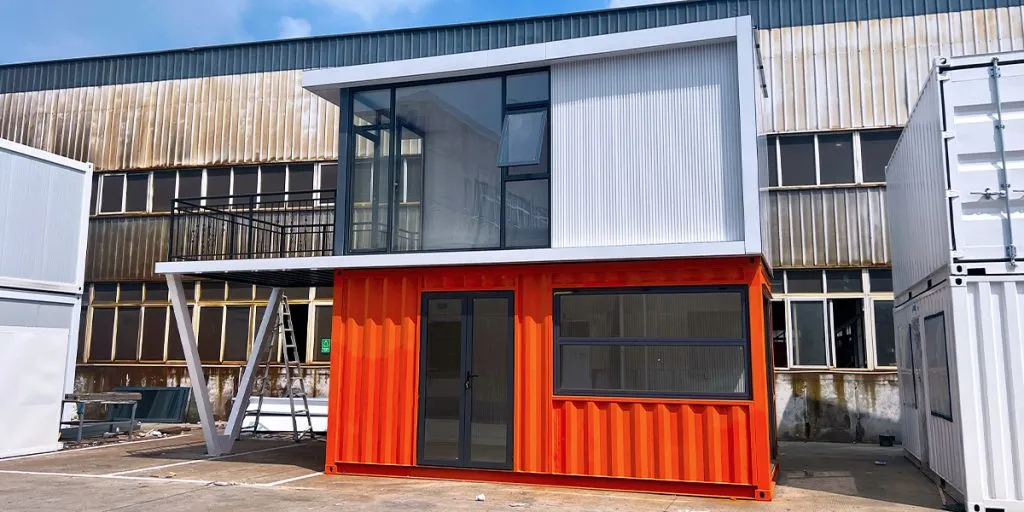
Understanding DNV 2.7-1 Offshore Containers
DNV 2.7-1is a globally recognized standard developed by Det Norske Veritas (DNV) to ensure the structural integrity and safety ofoffshore containers. These containers are subjected to extreme conditions, including heavy loads, corrosive seawater, and dynamic forces from waves and wind. The certification covers design, manufacturing, and testing processes to guarantee reliability. Containers meetingDNV 2.7-1requirements are essential for oil rigs, wind farms, and other marine operations where failure could lead to catastrophic consequences.
Key Features of a 10ft Offshore Container
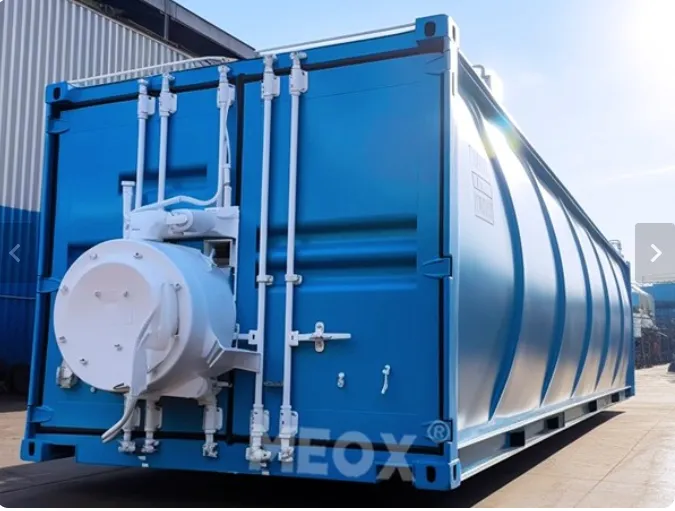
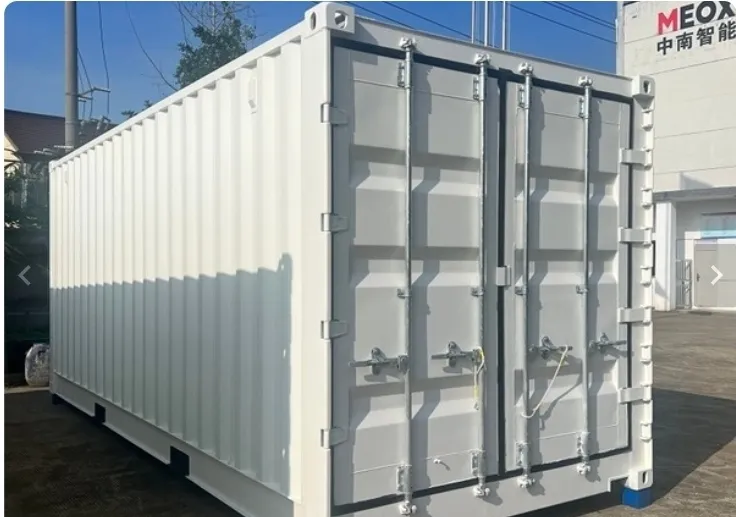
A10ft offshore containercertified underDNV 2.7-1must adhere to strict specifications. These include reinforced corner castings, corrosion-resistant materials, and load-bearing capacities that withstand offshore conditions. The compact size of a 10ft unit makes it ideal for limited deck space while maintaining compliance with lifting and stacking requirements. TheDNV 2.7-1 PDFdocumentation provides detailed guidelines on structural calculations and testing protocols, ensuring uniformity across manufacturers.
The Importance of DNV Container Certification
DNV container certificationis not just a regulatory formality—it is a safeguard against operational hazards. Certified containers undergo rigorous testing, including dynamic load assessments and environmental exposure trials. This ensures they can endure rough seas, heavy cargo, and frequent lifting without compromising structural integrity. Companies relying on uncertified containers risk equipment failure, legal penalties, and safety breaches, makingDNV 2.7-1compliance non-negotiable.
Accessing the DNV 2.7-1 PDF Guidelines
For engineers and procurement specialists, theDNV 2.7-1 PDFserves as an indispensable resource. It outlines technical requirements for design, materials, and testing procedures. The document is regularly updated to reflect advancements in offshore technology, ensuring containers meet evolving industry demands. Stakeholders can obtain the PDF directly from DNV’s official channels, ensuring access to the latest revisions and supplementary notes.
FAQs About DNV 2.7-1 Offshore Containers
What is the primary purpose of DNV 2.7-1?
The standard ensuresoffshore containerscan withstand harsh marine environments, prioritizing safety and durability through standardized design and testing.
How often must containers be recertified under DNV 2.7-1?
Recertification typically occurs every five years, though frequent inspections are recommended for containers exposed to extreme conditions.
Can a 10ft offshore container be customized for specific cargo?
Yes, but modifications must comply withDNV 2.7-1guidelines to maintain certification. Reinforcements or additional fittings require approval.
Where can I find the latest DNV 2.7-1 PDF?
The official DNV website or authorized distributors provide the most current version of theDNV 2.7-1 PDF.
Why is DNV container certification mandatory in some regions?
Regulatory bodies enforceDNV container certificationto mitigate risks in offshore operations, ensuring uniformity and safety across the industry.
This article highlights the critical role ofDNV 2.7-1in offshore logistics, emphasizing its standards, applications, and accessibility. By adhering to these guidelines, stakeholders can ensure operational efficiency and safety in challenging marine environments.