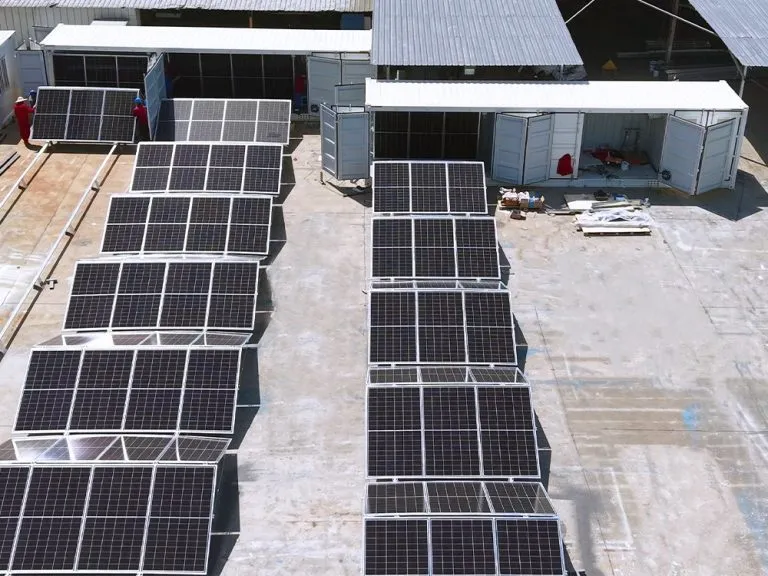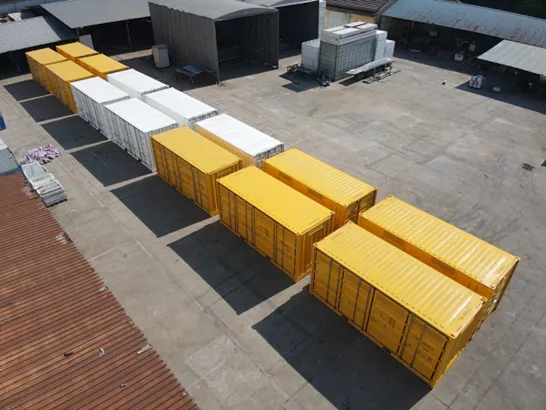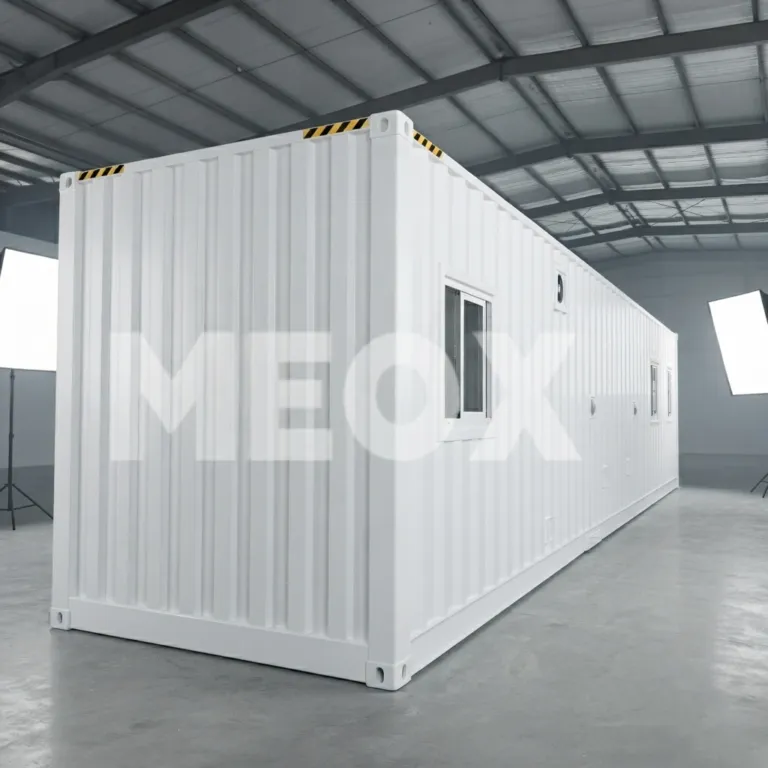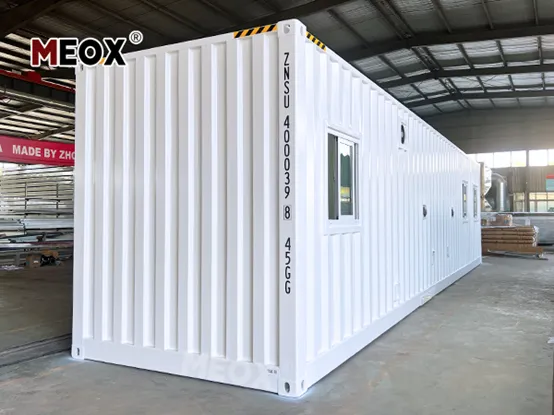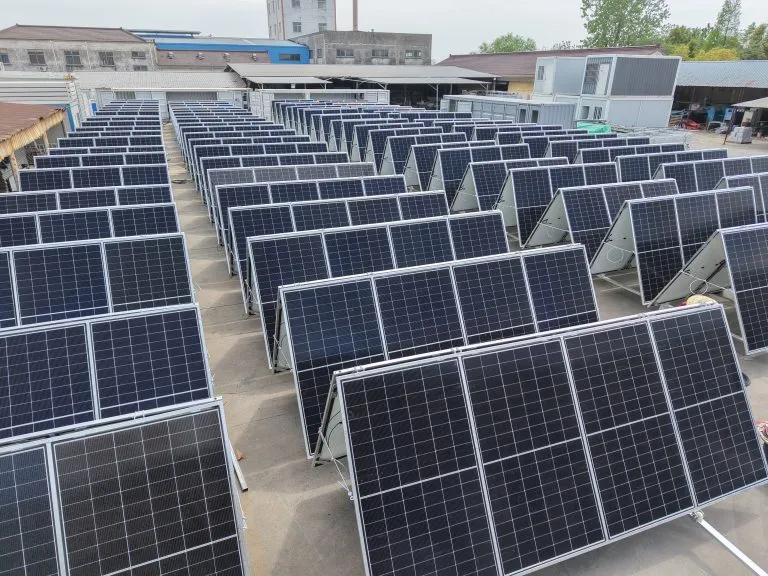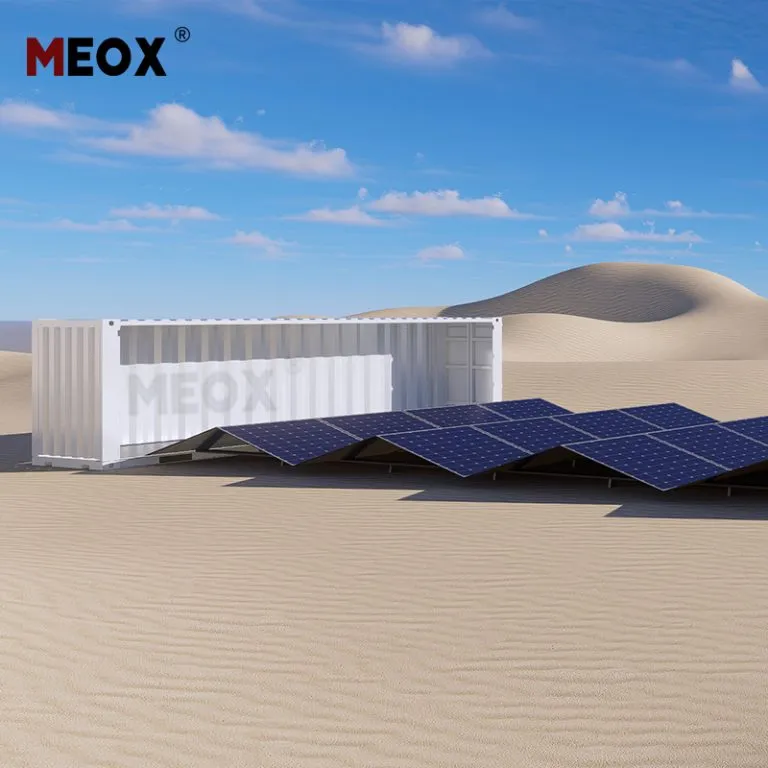
Solar battery temp is very important for battery life and how well it works in a solar container. In tough places, high voltage and hot temps can make batteries work worse. This can cause energy loss and even damage. Very hot or cold weather can make batteries last less time. It can also make them hold less energy and work less well. Smart temp control keeps solar systems safe. It helps people stop damage and stay safe. MEOX’s new container ideas show that good placement and temp control help solar batteries work well.
Key Takeaways
Temperature affects how well solar batteries work. Batteries last longer if they stay between 68°F and 77°F. This range helps them store energy better.
MEOX containers use special cooling and insulation. These features keep batteries safe from very hot or cold temperatures. This protects batteries and helps them last longer.
It is important to check battery temperature often. Smart sensors in MEOX containers change the conditions by themselves. This keeps batteries at safe temperatures.
Impact of Temperature on Solar Battery Performance

How Solar Battery Temp Affects Chemistry
Solar batteries use chemical reactions to store energy. The solar battery temp changes how these reactions happen. When it gets warmer, the chemicals move faster inside the battery. This makes the battery work harder, but it also makes it get old faster. If it gets colder, the chemical reactions slow down. The battery cannot store or give out energy as well.
Different batteries react to temperature in their own ways. Lithium-ion batteries work best between 59°F and 95°F. Lead-acid batteries can work in more temperatures, but they lose a lot of power when it is cold. The table below shows how temperature changes battery chemistry and how much energy they can hold:
Battery Chemistry | Charging Temperature Range | Discharging Temperature Range | Impact of Temperature on Capacity |
|---|---|---|---|
Lithium-ion | 32°F to 113°F | -4°F to 140°F | High temperatures can reduce capacity due to internal resistance. |
Lead-acid | -4°F to 122°F | -4°F to 122°F | Capacity can drop significantly in cold temperatures, e.g., to half at 0°F. |
Solar batteries in containers can face very hot or cold weather. High heat can make lithium-ion batteries lose power and get old fast. Cold weather can cut lead-acid battery power in half. It is clear that temperature changes battery chemistry. MEOX Mobile Solar Container is special because it works from -30°C to +60°C. This is a much bigger range than most other containers.
Effects on Charge and Discharge Rates
Solar battery temp also changes how fast batteries charge and give out power. When batteries get too hot, they can charge fast but may get too hot. Getting too hot can be dangerous and make the battery not last long. In cold weather, batteries charge slowly and may not get full power.
The table below shows how temperature changes how well batteries work:
Discharge Rate (C) | Temperature Effect on Performance | Performance Level (%) |
|---|---|---|
1 | Above 0°C | > 70% |
2 | Above 0°C | > 70% |
3 | Below 0°C | < 70% |
At discharge rates of 1 and 2 C, solar batteries work well above 0°C. When the discharge rate is 3 C and the temperature is below 0°C, performance drops below 70%. This means solar batteries in cold places may not give enough power when needed.
Scientists found a link between heat, discharge rate, and battery power. The formula logQ=−1.77+3.9C13T∗ shows that higher temperatures and faster discharge rates make more heat inside the battery. This heat can hurt the battery if not controlled.
MEOX Mobile Solar Container helps with these problems. It works in a big temperature range, from -86°F to +140°F. Most solar containers cannot work in such extreme weather. This makes MEOX a good choice for places with tough weather.
Tip: Always check the operating temperature range before picking a solar container. A bigger range means better performance and longer battery life.
Solar energy systems need batteries that can handle very hot or cold weather. Good temperature control keeps solar batteries safe and working well. MEOX containers use smart designs to keep batteries safe from heat and cold. This helps people get the most from their solar energy.
High Temperatures and Container Battery Lifespan
Accelerated Aging and Degradation
Solar batteries have big problems when it gets very hot. Heat makes chemical reactions go faster inside the battery. This breaks down battery parts more quickly. Batteries get old faster and do not last as long. Studies show LiFePO4 batteries wear out faster above 113°F. The table below shows how different temperatures change battery performance and what you should do:
Temperature Range | Impact on LiFePO4 Battery | Recommendation |
|---|---|---|
> 45°C (113°F) | Big damage, possible safety problems | Stop use, cool the battery |
25°C – 45°C (77°F – 113°F) | Gets old faster | Watch closely, keep air moving |
15°C – 25°C (59°F – 77°F) | Best performance and longest life | Keep battery in this range |
Hot weather also breaks down the electrolyte and wears out battery parts. Over time, batteries hold less energy and need charging more often. MEOX Mobile Solar Container uses special fans and cooling to keep batteries safe. These tools help batteries last longer and stop fast damage.
Safety Risks and Performance Loss
Very hot weather can make solar batteries unsafe. Heat can start chemical reactions that may cause fires. Even LiFePO4 batteries can have problems if they get too hot. Here are some common problems from high heat in solar containers:
Fire risk from batteries getting too hot
Batteries wear out faster and work less well
Batteries lose power and wear out early above 85°F
Batteries lose charge faster and need charging more often
MEOX containers fix these problems with strong insulation, smart sensors, and automatic cooling. These features keep solar systems safe and batteries working well, even when it is hot. By keeping batteries cool, MEOX helps people avoid damage and get steady solar power.
Low Temperatures and Solar Battery Temp Effects
Reduced Capacity and Efficiency
Solar battery temp goes down in cold weather. This change makes solar batteries work less well. When it gets cold, batteries lose power and do not work as well. The chemical reactions inside slow down. Less energy gets stored and less energy comes out.
Cold weather makes lithium-ion batteries lose power.
Batteries do not charge as well when it is cold.
More energy gets lost inside, so batteries work worse.
Solar batteries have more trouble when they freeze. Lithium-ion batteries can work from -4°F to 140°F. But below freezing, they lose power. Lead-acid batteries have even more problems. They can lose up to 30% of their power when it is cold. The table below shows how batteries act in very cold weather:
Battery Type | Impact of Low Temperatures |
|---|---|
Lithium-ion | Less power, lower efficiency, more resistance, voltage drops, safety risks if charged below freezing. |
Lead-acid | Power drops to 70-80%, works worse in cold weather. |
Solar battery temp is very important in winter. Lithium-ion batteries get warmer when used. This helps them work better and gives more power. Lead-acid batteries do not get better after freezing.
Cold Weather Solutions in MEOX Containers
MEOX containers use strong insulation and heating to protect batteries. These tools keep solar battery temp steady, even when it is very cold. Smart sensors watch battery performance and turn on heat when needed. Insulated walls stop cold air and help keep batteries warm.
Heating parts stop batteries from freezing.
Insulation keeps heat inside the container.
Sensors check battery temp and change systems for best results.
Solar battery temp control in MEOX containers gives steady solar power in cold places. These fixes help people avoid freeze problems and keep batteries working well all year.
Ideal Temperature Range for Solar Battery Performance

Recommended Operating Conditions
Solar batteries work best in a certain solar battery temp range. This range helps batteries last longer and work well. Most solar batteries, like those in MEOX containers, work best between 68°F and 77°F. At these temperatures, batteries give the most energy and stay safe. The table below shows how different temperatures change how batteries work:
Temperature (ºF) | Temperature (ºC) | Effect on Battery Performance |
|---|---|---|
68 | 20 | Best performance |
77 | 25 | Still good, but lead-acid batteries wear out |
15 | -8.3 | Lead-acid batteries lose half their life |
-4 | -20 | Battery stops working |
MEOX containers use smart insulation and cooling. These keep the temperature close to the best range. This helps solar systems work well in many places, even when the weather changes a lot.
What Happens Outside the Range
When solar battery temp get too high or low, problems start. High heat makes chemical reactions go faster inside the battery. This can hurt the battery, make it work less well, and shorten its life. Every 10°C above the best range can cut battery life in half. Cold slows down the battery and makes it lose power. Battery performance drops by about 0.5% for every degree above the best range.
High heat can cause:
Faster chemical breakdown
More risk of uncontrolled heat buildup
More self-discharge and less stored energy
Cold can cause:
More resistance inside the battery
Lower efficiency and less power
Lithium plating, which can hurt lithium-ion batteries
Temperature Condition | Effect on Battery | Description |
|---|---|---|
Low Temperatures | Lithium Plating | Metallic lithium forms and blocks battery function |
High Temperatures | Uncontrolled Heat | Too much heat, which is dangerous |
High Temperatures | More Resistance | Electrolyte breaks down, so less power and efficiency |
High Temperatures | Faster Discharge | Battery loses charge faster when not used |
Solar batteries work best when kept in the right temperature range. MEOX containers help control heat and cold. This keeps solar batteries safe and working well for many years.
Preventing Damage: Temperature Management Strategies
Ventilation and Cooling in MEOX Containers
Solar batteries need good airflow and cooling to stay safe. MEOX containers use special cooling systems to move heat away. Fans and air conditioning change quickly when the solar battery tem goes up. This keeps the container cool, even on hot days. Liquid cooling helps by moving heat away from battery cells. The table below shows ways to stop damage in solar containers:
Strategy | Description |
|---|---|
Optimal Temperature Ranges | Keep lithium-ion batteries between -20°C and 60°C for best results. |
Advanced Cooling Systems | Use liquid cooling to move heat away from batteries. |
Smart Monitoring Technologies | Battery Management Systems (BMS) track heat levels and prevent overheating. |
Phase Change Materials (PCMs) | PCMs absorb and release heat to keep temperatures steady. |
MEOX containers also use sensors to check solar battery temp all the time. When it gets too hot, cooling turns on right away. This stops batteries from getting too hot and keeps everything safe.
Insulation and Smart Monitoring
Insulation helps protect solar batteries from very hot or cold weather. MEOX containers use aerogel, which is a special material that blocks heat. Aerogel keeps heat from moving between battery cells. This lowers the chance of damage from temperature changes. The walls of the container keep heat inside when it is cold. They also block heat when it is hot outside.
Smart monitoring watches every battery cell closely. These systems find strange temperature changes and turn on heating or cooling. Battery Management Systems (BMS) keep batteries in the best temperature range, usually between 15°C and 35°C. Checking and fixing batteries often stops damage and overcharging. These steps help solar batteries last longer and work better anywhere.
Tip: Using smart temperature control means less fixing and longer battery life. MEOX’s solutions help batteries work well for up to 25 years.
Solar battery temp is very important for battery life and performance. MEOX Mobile Solar Container uses strong steel and good insulation. It also has climate control to handle tough weather.
Feature | Description |
|---|---|
Structural Strength | Can stand up to strong winds and extreme temps |
Climate Control | Protects batteries in hot or cold places |
People should check batteries often and use smart cooling. Managing temperature well helps batteries last longer. It also keeps solar power safe.
FAQ
What happens if solar batteries get too hot or cold during charging?
If solar battery temp get too hot or cold, charging slows down. Batteries can lose power or get hurt. MEOX containers help keep batteries safe when charging or giving out power.
How do charging and discharging cycles affect battery lifespan?
Every time you charge or use the battery, it gets older. More cycles make the battery last less time. MEOX containers use smart tools to protect batteries when charging or using them.
Why is temperature control important for charging and discharging in solar containers?
Temperature control keeps charging and using batteries safe. Batteries work better and last longer with good control. MEOX containers use sensors to watch charging and using cycles.
Tip: Check batteries often to help them stay healthy when charging or using them.
Also Read: Solar Storage Density Smart Battery Solutions for Next-Level Solar Container Performance