Introduction
Speed, consistency and adaptability are needed mainly for the power infrastructures of the modern world. If you have a remote mining site or a renewable energy facility, or an urban data center, the rapid installation of electrical equipment can play a vital role in determining project timelines. That is why the E-House exists.
This guide outlines all the major aspects of E-Houses, what they are, how they operate, where they can be found, and why the prefabricated model of E-Houses is replacing traditional civil construction onsite.
What Is an E-House?
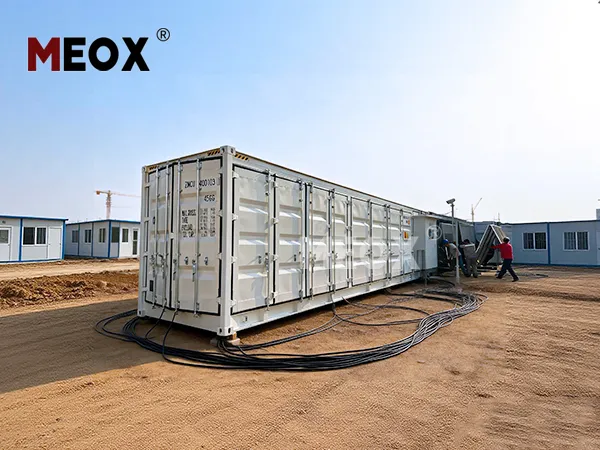
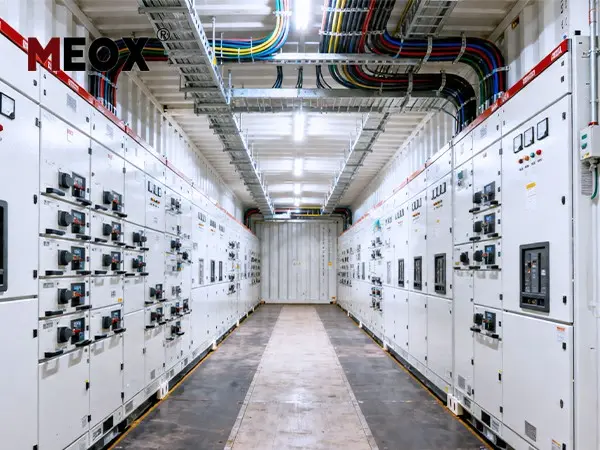
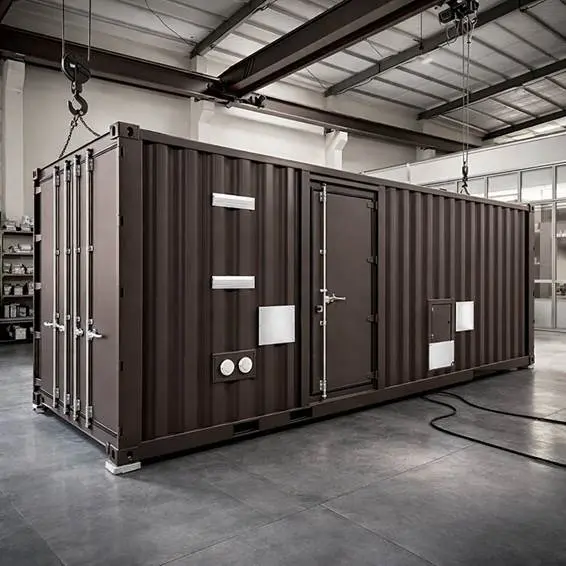
An E-House, or Electrical House, is a factory-built, modular box or container that contains insulated Medium Voltage and Low Voltage switchgear, transformers, control cabinets and the necessary equipment for protection and automation. An E-House may also be referred to as a Prefabricated Electrical House, Modular Electrical House or Containerized Substation.
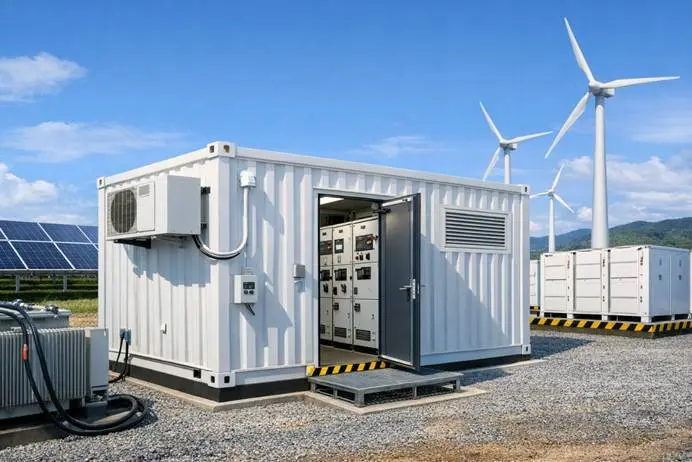
In essence, E-Houses have most of their fabrication, assembly, wiring and testing performed in a controlled environment – in a factory. Once the E-House is manufactured, it is transported to the jobsite and tested/commissioned with very little additional construction required on the jobsite.
By comparison, traditional electrical spaces involve site-built structures and equipment installation on-site, and face all the usual delays due to poor weather, manpower shortages and coordination difficulties.
As per the International Electrotechnical Commission (IEC), modular and prefabricated electrical systems have gained recognition for their effectiveness in improving project schedules in electrical power infrastructure, especially in areas where there are remote locations or high levels of technical complexity.
How a Prefabricated Electrical House Solution Works
A prefabricated electrical house solution combines three elements into one deliverable:
- Structural Enclosure: A steel modular shell designed for transport and harsh-environment performance
- Electrical Integration: pre-installed switchgear, transformers, and control panels configured to project specs
- Factory Testing: Full functional verification before the unit leaves the manufacturing facility
The unit only requires a prepared foundation, utility connections and final commissioning once it arrives on site. A plug-and-play approach cuts down time from transport to live operations dramatically.
Key Technical Specifications
| Parameter | Specification |
| Type | E-Container |
| Standard Size | 20FT |
| External Dimensions (L × W × H) | 6,096 × 2,438 × 2,896 mm |
| Internal Dimensions (L × W × H) | 5,898 × 2,252 × 2,493 mm |
| Tare Weight | 5,000 kg |
| Max. Gross Weight | 30,480 kg |
| Primary Material | SPA-H (weather-resistant steel) |
| Certification | CSC Certificate |
| Anti-corrosion Paint Grade | Up to CX (for offshore/marine) |
| Wind Resistance | Up to Grade 10 |
Note: Specifications for reference. Custom dimensions and configurations available.
Where Is an E-House Used?
The modular electrical house format is adaptable to a lot of different types of projects. Some of the industries that commonly use E-House solutions include:
| Industry | Typical Application |
| Renewable Energy | Solar and wind farm substations |
| Oil & Gas | Offshore platforms, remote wellhead power |
| Mining | Remote mine site power distribution |
| Data Centers | Compact, fast-deploy substation integration |
| Rail & Transport | Trackside power distribution |
| Industrial Plants | MV/LV switchgear enclosures |
| Utilities (DSOs) | Walk-in substation for grid distribution |
The E-House is a key element of the energy storage container product family to serve these sectors with configurable solutions designed for both temporary deployments and permanent infrastructure.
Core Advantages of a Modular Electrical House
Faster Project Delivery
The factory prefabrication of the electrical system eliminates the delay in construction due to bad weather. The electrical system is fabricated and tested while the site is being prepared, thereby drastically reducing the overall time duration for the project.
Higher Quality Consistency
A controlled factory environment ensures cleaner workmanship, more reliable connections and pre-testing. Problems can be rectified before the product is transported and not after its installation.
Flexibility and Scalability
Modular design also helps single-unit or multi-unit arrangements. When a project grows, more E-House modules can be incorporated without significant civil work.
Harsh Environment Performance
The enclosure is made of steel and can carry the anti-corrosion coatings up to CX, with protection against dust and humidity, thermal insulation and wind resistance up to 10. This means being adapted to the offshore sandy arctic and tropical environment no matter what.
Transportability and Relocation
The E-House is constructed as a portable substation. It can be shipped by sea or land through standard container logistics. For projects with changing locations or phases, it can be moved without demolition.
Research conducted by McKinsey & Company shows that modular construction methods (prefabricated) have, historically, been able to complete projects 20-50% faster than traditional, onsite methods of construction. As these methods continue to gain momentum across all sectors of infrastructure, these same methods could lead to significant cost savings as well.
Customization Framework for Specific Industrial Needs
Each industrial site has its own conditions of operation, its own environment and limitations of space. Because of this, modules of electrical enclosures have to be precisely customized in terms of size and layout to be properly integrated into the plant architectural conception.
Modular Customization Matrix Table
| Customization Vector | Engineering Design Options | Operational Purpose |
| Structural Access Form | Walk-In / Non-Walk-In Enclosures | Balances quick internal maintenance access with space-constrained footprints. |
| Mobility Mechanics | Skid-Mounted or Trailer-Mounted Bases | Supports rapid relocation in temporary mining zones or evolving oil fields. |
| Internal Partitioning | Single-Room or Multi-Room Formats | Isolates high-heat transformers from sensitive low-voltage control processors. |
| Thermal Regulation | Customized Industrial HVAC & Ventilation | Manages severe internal equipment heat loads in extreme outdoor climates. |
| Cable Management | Custom Routing Pits, Basements, & Entries | Minimizes electromagnetic interference and simplifies site connection. |
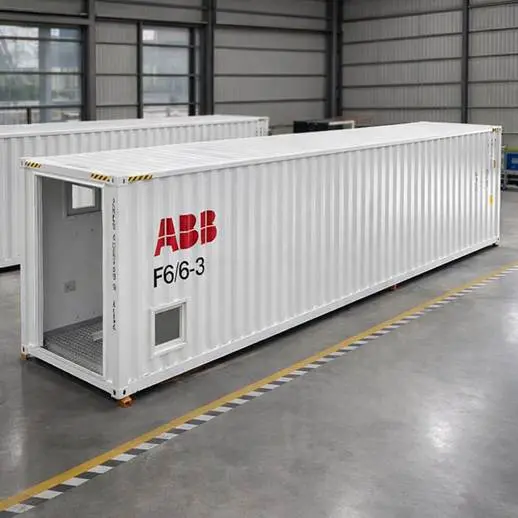
Real-World Case Study: Generator Container for ABB Panama
Project: 11 custom generator containers for one ABB project in Panama
Timeline: 2 months (from order to delivery)
Challenge: A client from the Central American country, Panama had power generators in remote sites located in a tropical environment. The company needed such kind of enclosure designs that could withstand heat, humidity as well as moisture. Also, the company had to adhere to strict delivery deadlines befitted with the required airflow and noise reduction features. Additionally, the client demanded an internal containment system for oil, water and fuel to minimize environmental impact.
Solution: The project specified a 20FT full steel container structure of weather-resistant SPA-H steel. Each unit was designed with access doors, optimized airflow channels and noise-dampening features. Internal containment measures were incorporated to prevent spill risk. Within the two-month window, MEOX completed engineering, fabrication and quality verification of all 11 units.
Outcome: The generator containers were delivered on time and met all operational requirements and have been performing reliably in the field. The project illustrates how E-House-type, factory-assembled enclosures can address site-specific challenges without impacting the project schedule.
FAQs About E-House Solutions
What is the primary purpose of an E-House?
What is an E-House? An E-House is a pre-fabricated modular building that safely houses and protects electrical equipment like switchgear, transformers and control systems.
Are E-Houses suitable for renewable energy projects?
Yes. E-Houses find wide use in solar farms, wind power stations and battery energy storage projects, as they can facilitate quick deployment and efficient power management.
Can an E-House be customized?
Yes. E-Houses can be customized to meet voltage requirements, climate conditions, insulation standards, fire protection systems and integrated energy storage solutions.
Conclusion
The modern E-House is more than a pre-fabricated electrical enclosure. It is a strategic infrastructure solution that helps industries improve deployment efficiencies, reduce the complexity of construction and support long-term energy reliability. As the demand for the integration of renewable energy and smarter power systems increases for industrial applications, modular E-House technology is expected to be an important part of future infrastructure development.
For companies that require modular electrical solutions that are scalable and reliable, MEOX is capable of providing custom-made E-Houses for tough industrial applications.
Submit an inquiry to the ZN MEOX engineering team today.
Disclaimer: Technical data, materials, and specifications listed in this article relate to manufactured container products and are based on MEOX-manufactured products. Actual specifications, materials, and technical configurations can be different depending on project needs and local code.
To see how an E-House solution comes together in practice, watch MEOX’s E-House Solution video: