Reliable electricity is often difficult for organizations such as remote mining camps, emergency responders during nationwide disasters or temporary construction sites to find. Traditional diesel generators are expensive to operate, loud and typically don’t meet organizational sustainability objectives. Mobile solar containers have revolutionized the electric energy sourcing process.
This article describes what mobile solar containers are, their operating capabilities and the reasons behind their increasing adoption in businesses for off-grid electric energy solutions.
What Is a Mobile Solar Container?
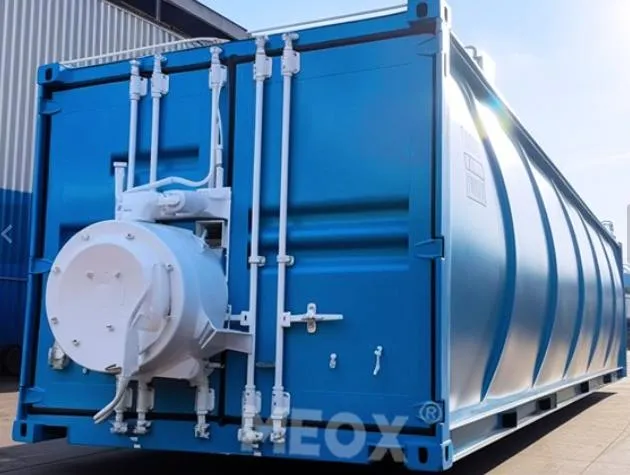
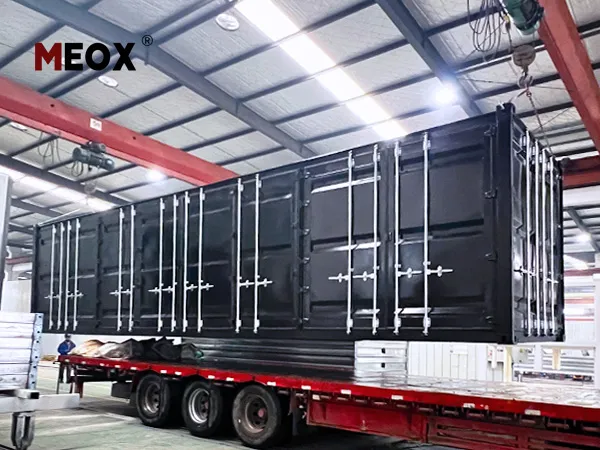
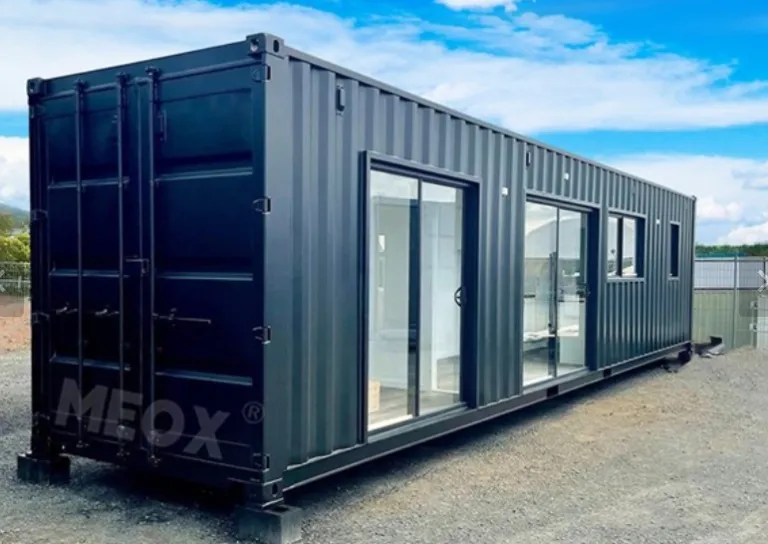
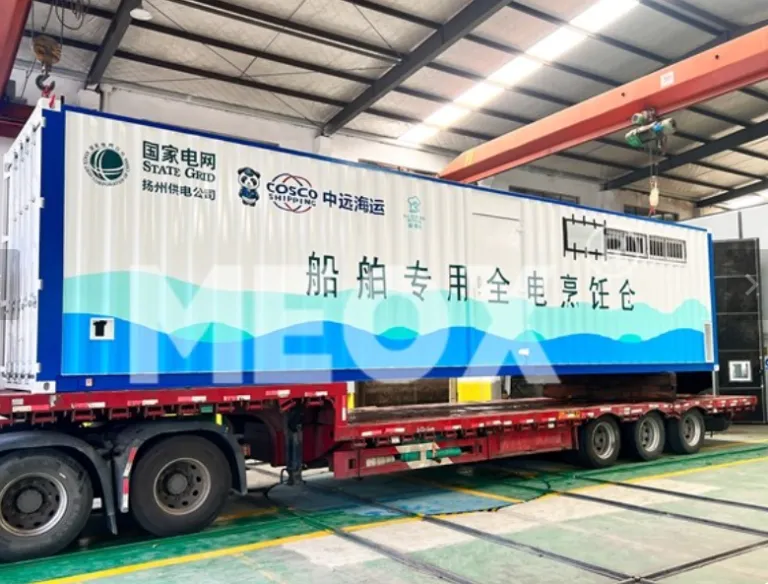
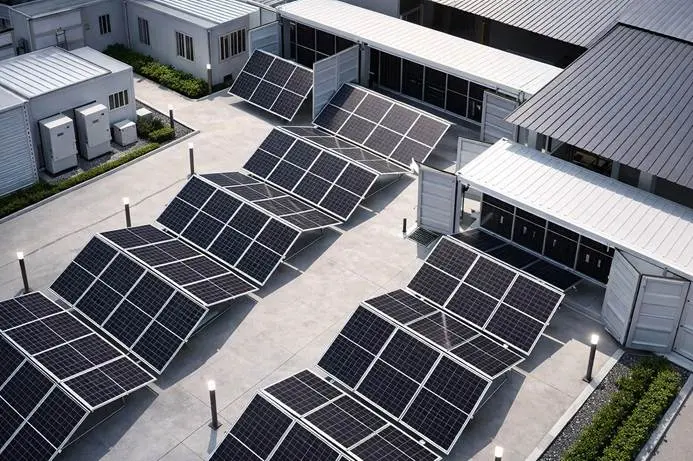
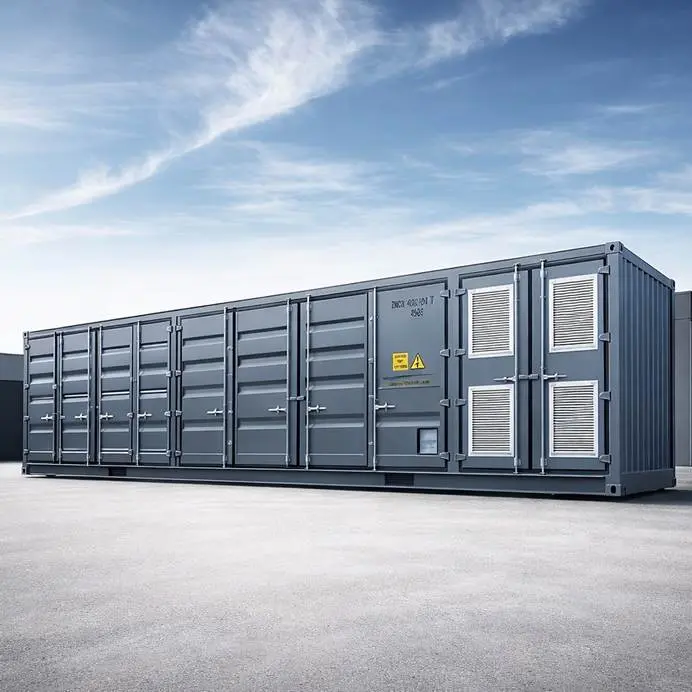
The mobile solar container is a self-sufficient, transportable energy system housed in an ISO shipping container. Inside the container is a complete energy supply system that includes photovoltaic (PV) panels, batteries, smart inverters, and power management systems. All of this is pre-assembled and ready to use upon delivery to the site.
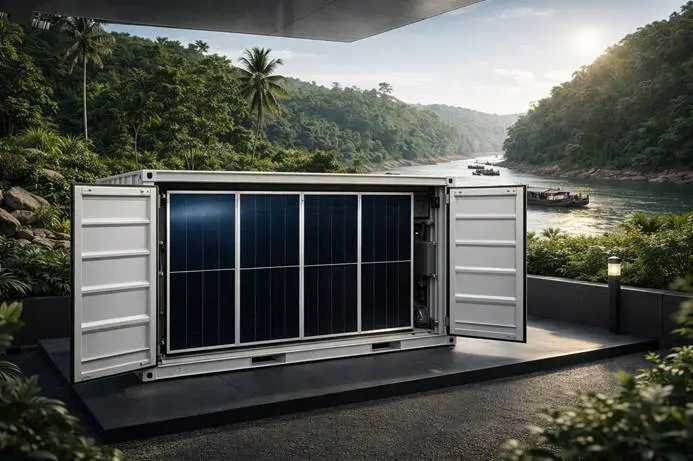
The main benefit of this type of system is speed and simplicity. When the system arrives at the installation site, it simply unfolds the solar panels and connects to the site equipment, and generates power instantly. No civil works, no weeks of installation, no diesel fuel deliveries.
There are two common configurations:
| Configuration | Solar Capacity | Modules | Setup Time | Installation Team |
| 20ft High Cube | ~113 kWp | 192 units | 120 min (fold) / 80 min (unfold) | 6 persons |
| 40ft High Cube | ~226 kWp | 384 units | 240 min (fold) / 160 min (unfold) | 12 persons |
Both configurations are compatible with lithium battery storage expansion and operate in on-grid, off-grid and hybrid modes.
Key Technical Features Worth Knowing
Before assessing any portable solar container power system, you should know how it was built as they are not all created equal.
Buyers looking at different performance and durability benchmarks in their power systems should consider:
| Parameter | Specification |
| Solar Panel Type | N-Type i-Topcon, 590W per module |
| Operating Temperature | −30°C to +60°C |
| Wind Resistance | Up to 65 m/s (approximately Level 12 typhoon force) |
| Corrosion Rating | C3 to C5-H Marine Grade |
| Bracket Material | Hot-dip galvanized Q235B carbon steel (78μm) |
| Certifications | TÜV-tested, CE-certified |
| Grid-Switch Response | Under 10 ms (grid to off-grid transition) |
| Design Lifespan | 15–20+ years |
The degree of engineering means the system is not only portable, but also tough enough to work well in deserts, at the beach, and in very cold places as well! With an IP65 protection rating from dust and water, this type of technology can be deployed anywhere in the world without worry about equipment failure due to the elements; perfect for remote setups.
As stated in one report published by the International Renewable Energy Agency (IRENA), there have been over 30% increases in off-grid solar photovoltaic capacity installed globally for both commercial and industrial use between 2020 and 2023, mainly due to the decreasing prices of solar PV panels and battery energy storage technologies.
How the System Works: Day and Night
Understanding how this system works will also illuminate why the solution is so effective for off-grid solar container energy storage.
During The Daylight Hours
The container lid opens, the solar modules unfold (laying flat), and the solar electric output will transfer to a distribution box through the wiring and power whatever is connected (e.g.: lights, phones, computers – anything). That same distribution box will power consumables immediately after generation.
During Night Hours and Cloudy Days
The energy stored in the container is automatically discharged to create a continuous flow of power (via an integrated lithium battery system). The system will transition seamlessly from generating solar energy to discharging energy from the integrated lithium battery system in under 10 milliseconds; smart inverters provide transition management.
The above process results in an autonomous power loop (24 hours). In addition, by allowing for the possibility of adding back-up diesel or wind inputs on a hybrid basis, the system can remain operational during extended periods of low-sun illumination.
Installation Efficiency: A Genuine Differentiator
A major benefit of using a mobile solar container is that it eliminates much of the on-site labour typically involved in building a ground-based solar system.
The time required to install the mechanical structure of a container-based solar system requires approximately 70% less labour than other types of single-axis tracker solar installations; for example, a 20-foot (100kW) container can be installed by six workers in only 120 minutes! This benefit is particularly significant in remote locations where there are not many skilled workers available for hire, as well as high costs for on-site housing and accommodation.
The plug-and-play wiring design reduces the opportunity for connection-related failures that often occur in field-assembled systems, thereby also improving the overall reliability and performance of the system. Factory pre-assembly also ensures that each unit will consistently meet the same quality standards since they are all fully tested prior to shipment from the manufacturing facility.
This methodology aligns with the “overall trend toward ‘modular, pre-integrated energy systems'” reported by researchers at BloombergNEF, which is expected to result in less risk on project deployment in off-grid and emerging markets.
Real-World Case Study: Indonesia in the Field
Location and Time: Abu Dhabi Oil Field, UAE; Q4 2024 – Q1 2025
The Challenge: The introduction of new drilling and recovery technologies caused an immediate increase in energy consumption. The extensions of the power grid stream are too costly and too long, and operating on diesel is against the company’s environmental and financial goals.
The Solution: As a connected fleet, six 40-foot mobile solar container units (1 MWp total) were specifically designed to withstand desert heat (45°C +) and windy/dusty conditions, and deployed within 6 hours of arriving on site.
The Outcome: The base demand for power was supplied from the fleet, while grid connections were also automated and allowed for maximum revenue during peak hours. In addition to those two operational functions that contributed to generating revenue, some units were installed temporarily at nearby mining operations as rental units, which converted what was previously a cost center into an income-generating asset.
Client Testimonial
“ZN House (MEOX) didn’t just hand us a product; they gave us a tool. The stability was on point right from the first day. With grid trading, we are turning the energy department from a cost center into a profit center. We still have the flexibility to lend a hand to our mining partners whenever they need us. This shift has really altered the way we do our O&M.”
—Eng. Faisal Al-Hashimi, Energy Director, Al-Mustaqbal Green Energy Solutions Limited
Comparing Your Power Options
The comparisons are more than just cost per kWh when looking at a mobile solar container compared to traditional options:
| Factor | Mobile Solar Container | Ground-Mounted PV Array | Diesel Generator |
| Setup Time | 2–4 hours | 1–2 weeks | Immediate |
| Mobility / Relocation | High | Fixed permanently | High |
| Fuel / Running Cost | Near zero | Near zero | Ongoing (high) |
| Carbon Emissions | Zero | Zero | High |
| Noise Level | Silent | Silent | Significant |
| Weather Resilience | IP65, wind/seismic rated | Site-dependent | Moderate |
| ESG Compliance | Strong | Strong | Poor |
The mobile format offers obvious benefits for operations that move between sites – or just want to avoid the long-term commitment of a fixed installation.
To know more about the on-grid solar container, visit our product pagehere.
Conclusion
One of the most beneficial features of a mobile solar container is that it combines solar power generation techniques with battery storage availability inside a compact, portable, standalone module that can be deployed quickly. These features make it ideal for construction, mining, disaster response and off-grid situations.
On top of that, the worldwide spread of renewables will open the way for containerized solar systems to be at the forefront of offering clean and resilient energy infrastructures.
Ready to Take the Next Step?
If your project requires clean, portable, and rapidly deployable power, MEOX’s Mobile Solar Container is designed precisely for that challenge. MEOX carries TÜV and CE certifications, has proven itself in more than 60 international deployments, and is engineered for a 20‑year design lifespan, a system shaped by real‑world operational pressures, not controlled lab assumptions.
Contact us for a customized quotation.
FAQs
What is the primary advantage of a Mobile Solar Container?
The biggest advantage is mobility in renewable energy generation. The system is portable and is easily deployed in remote or temporary sites.
Can a Mobile Solar Container completely replace diesel generators?
In many cases, yes. But some projects use hybrid systems that combine solar, battery storage and backup generators for maximum reliability.
How long does deployment typically take?
The time for deployment is system-dependent and site-dependent, but many containerized systems can be up and running within a few hours of arrival.
Disclaimer: The specs, settings, and components in this article come from MEOX’s actual container products. Real dimensions, materials, and tech details might differ based on project needs, local rules, or custom changes.
Watch the following ‘Mobile Energy Storage Folding Solar Container video by MEOX — the best way to understand how the folding deployment system works and what the full setup looks like in practice: