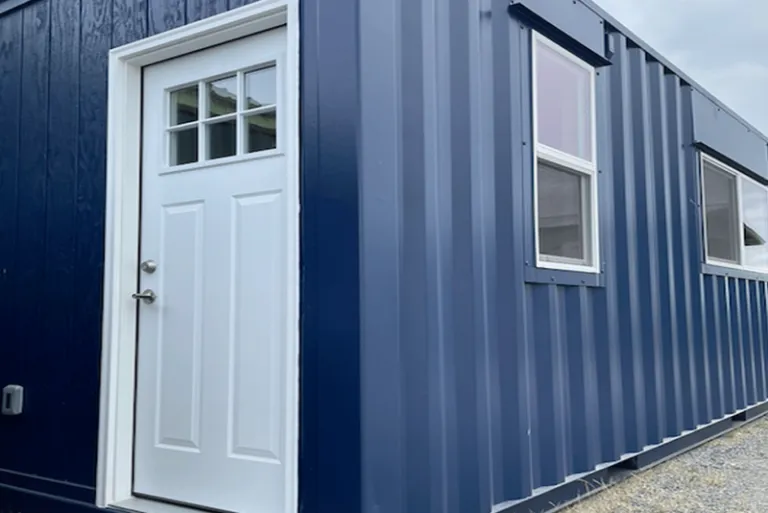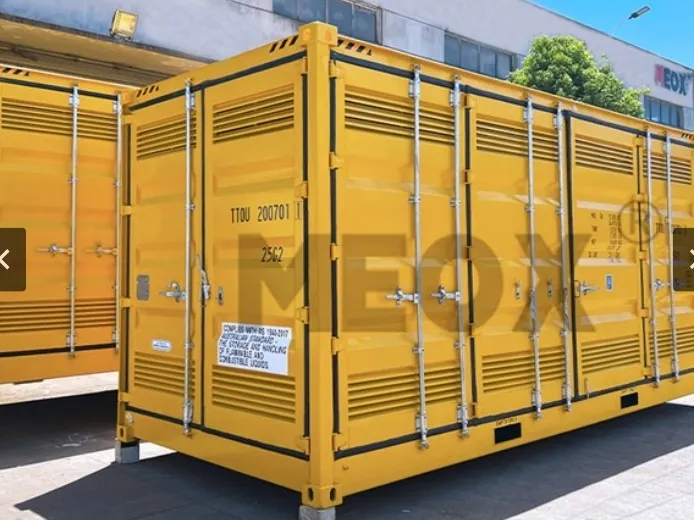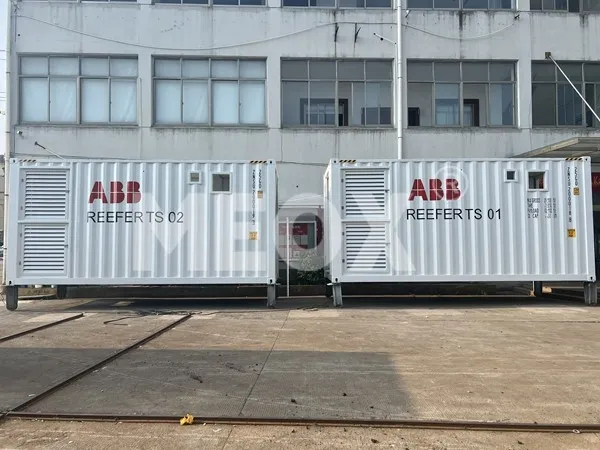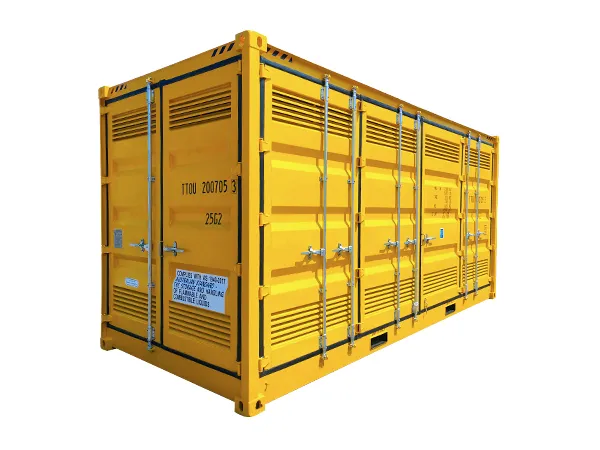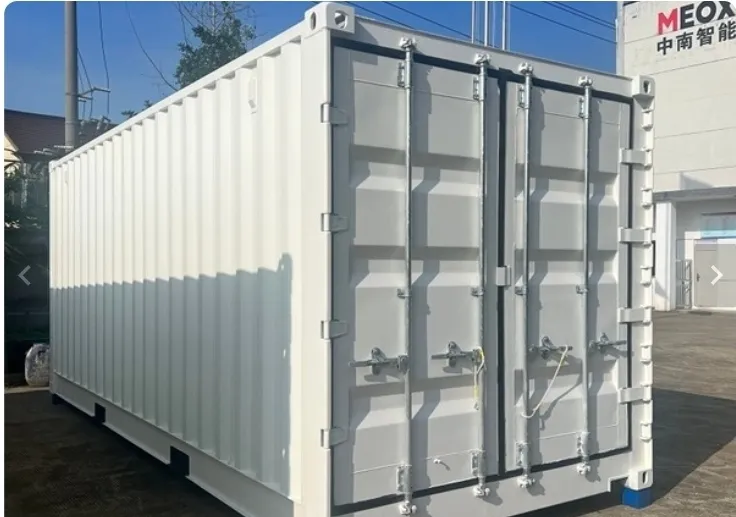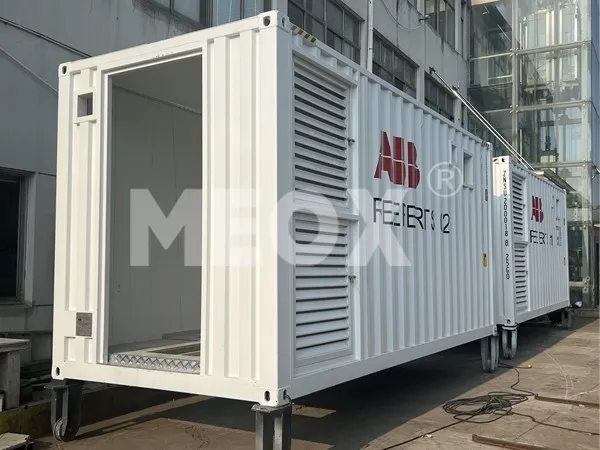
The shift towardcontainerized water treatment plantsrepresents a revolution in delivering clean water solutions at wholesale scale. For municipalities, industrial parks, mining operations, and disaster relief agencies procuring bulk water infrastructure, the inherent modularity ofcontainerised sewage treatmentandcontainerised roplantsystems offers unprecedented deployment speed and flexibility. However, realizing true large-scale potential demands deliberate engineering strategies that transform individual container units into seamlessly integrated, high-capacity treatment networks. Success hinges on standardized design, intelligent interconnection, and centralized control – turning prefabricated modules into powerhouse facilities.
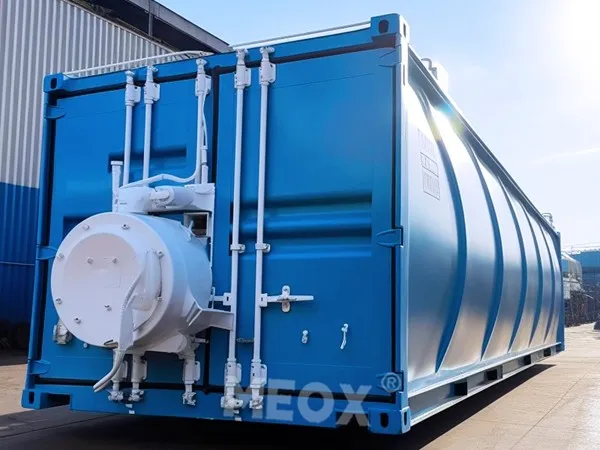
Modular Design Philosophy: The Foundation for Containerised Sewage Treatment Expansion
The core strength of acontainerized water treatment plantlies in its repeatable, factory-built modules. Scalability for wholesale deployment starts here.
· Process Segmentation: Complex treatment trains are broken down into discrete functional units housed in dedicated containers. Acontainerised sewage treatment system might separate screening/degritting, biological treatment, clarification, and sludge handling. Ancontainerised ro planttypically segments pretreatment, high-pressure RO trains, post-treatment, and chemical dosing.
·Standardized Skid Mounting: Identical treatment process skids within containers ensure interchangeability. A biological reactor skid in onecontainerised sewage treatmentunit is identical to its counterpart in another, simplifying spares, maintenance, and capacity additions.
·Corrosion-Resistant Construction: Wholesale systems face harsh, continuous operation. Using marine-grade steel, specialized coatings, and non-corrosive materials ensures long-term structural integrity across potentially hundreds of modules.
Site Optimization & Logistics for Containerised Sewage Treatment Mass Deployment
Scaling efficiently requires addressing the practical realities of deploying dozens or hundreds of containers.
· Minimal Site Preparation: Design focus on skid-mounted foundations or simple concrete pads reduces costly, time-consuming civil works. Standardized external connection points (power, water in/out, sludge out) allow rapid hookup.
· Transport-Optimized Design: Adhering strictly to container dimensions and weight limits ensures global transportability via standard trucks, ships, and rail. Internal equipment is secured for transit vibration.
· Pre-Commissioned Modules: Factory acceptance testing ensures eachcontainerized water treatment plantunit arrives on site functionally verified. “Plug-and-play” capability minimizes commissioning time – connect utilities and data, then start up.
· Phased Implementation Strategy: Large projects can be commissioned in phases. Stage 1 deploys a core set of containers for initial operation. Stage 2 seamlessly adds parallel treatment trains or additional process stages as demand grows, minimizing upfront capital and allowing capacity to match actual need.
Frequently Asked Questions About Wholesale Containerised Ro Plant Scalability
How quickly can capacity be increased with a modular containerised sewage treatment system? -h3
Significantly faster than traditional builds. Once the initial site infrastructure is in place, adding pre-built, pre-testedcontainerised sewage treatmentmodules involves delivery, placement, connection to standardized interfaces, and commissioning – often achievable in weeks, not months or years required for conventional plant expansion.
Can different types of containerized water treatment plants be integrated into one large facility?
Absolutely. Strategic modular design and standardized interfaces are key. A large facility might combine dedicatedcontainerised sewage treatmenttrains for wastewater,containerised roplanttrains for desalination or ultra-pure water, and potable water treatment containers.
What are the limitations on maximum capacity for a containerised ro plant approach?
Practical limitations primarily involve site footprint and inlet/outlet hydraulic capacity. However, modularity is inherently scalable. Stacking mitigates footprint concerns. The true limit is often the capacity of the central collection and discharge infrastructure, not the container system itself.
How is maintenance managed across hundreds of containerised ro plant modules?
Centralized enables predictive maintenance by monitoring equipment health across all modules. Standardized components simplify spares inventory. Maintenance can be performed on individualcontainerized water treatment plantunits offline while others continue operating, minimizing disruption. Access hatches, retractable skids, and clear service corridors are designed into each container.
Does scaling up with containerised sewage treatment efficiency or effluent quality?
No. Eachcontainerised sewage treatmentorcontainerised roplantmodule is engineered to meet stringent performance specifications independently. Centralized process control ensures consistent operation across all units. Effluent quality is maintained through rigorous design standards, proper hydraulic integration, and real-time monitoring/control of each process stage within the network. Performance is often more consistent than in large, single-tank conventional plants prone to channeling or uneven flow distribution.
The true power ofcontainerized water treatment plantsfor wholesale deployment lies not just in the individual unit, but in the engineered capacity to seamlessly aggregate them into vast, high-performance treatment facilities. Success demands embedding scalability into the core DNA of the design – through standardized modules, universal interconnections, centralized intelligence, and logistical optimization.Containerised sewage treatmentand containerised RO plant systems, when conceived with large-scale deployment as the primary objective, transcend their physical boundaries to offer municipalities and industries a future-proof, agile, and cost-effective solution for growing water and wastewater challenges. The ability to start small, expand incrementally with minimal disruption, and maintain consistent high performance positions containerized solutions as the strategic choice for wholesale water infrastructure.
Suzhou Zhongnan Intelligent Equipment Co, Ltd. provides the critical manufacturing foundation for this scalable future. As a specialized manufacturer of standard and custom containers, Zhongnan leverages its complete manufacturing facilities, professional production team, and skilled design engineers to deliver the robust, corrosion-resistant physical enclosures essential for reliable containerized water treatment plants, containerised sewage treatment systems, and containerised RO plant deployments. Their expertise in fabricating containers to precise technical specifications – including structural reinforcement for stacking, integrated utility corridors, and specialized coatings for harsh environments – ensures the modular building blocks meet the rigorous demands of large-scale, wholesale water infrastructure projects worldwide.