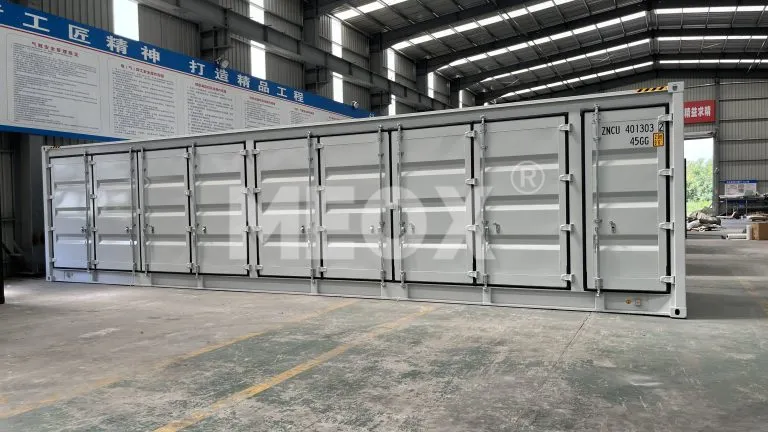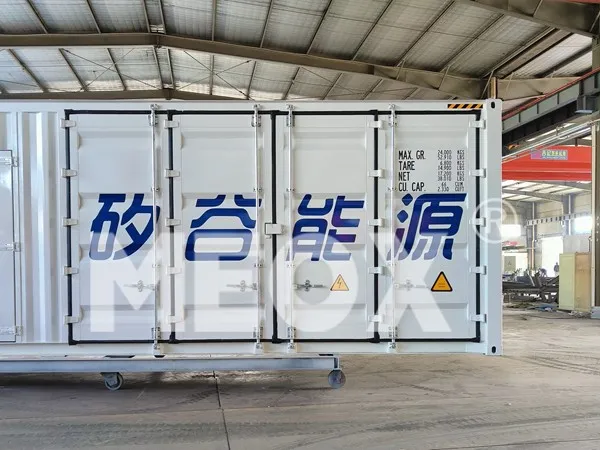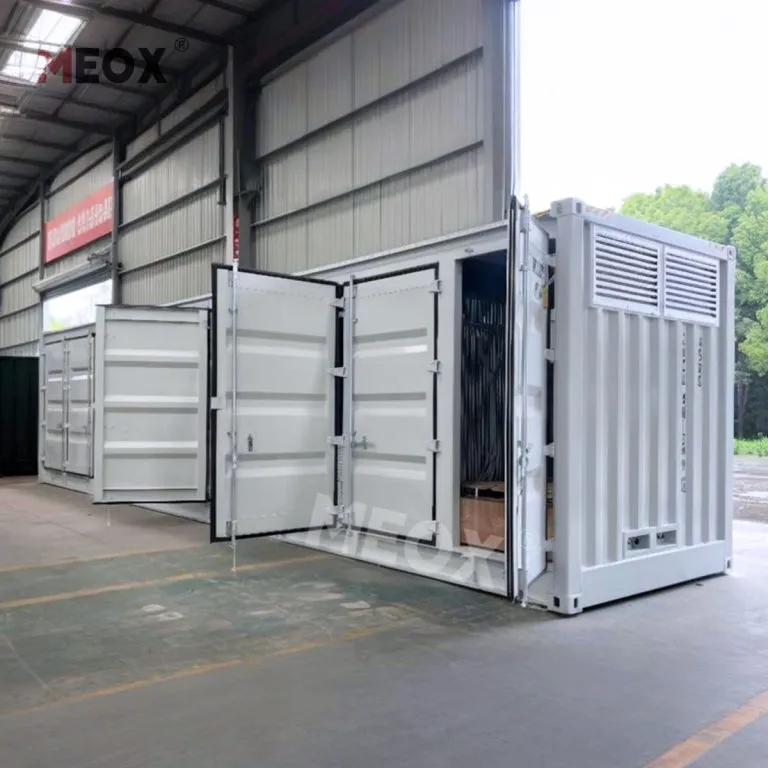
As wind energy continues to play a crucial role in the global transition to sustainable power, the need for effective energy storage solutions is growing. Energy storage containershave become a key component in optimizing wind energy systems, enabling the efficient capture and storage of energy generated by wind turbines. By providing a reliable means of storing energy for later use, solar battery containersand container battery energy storage systemsare helping wind energy projects operate more efficiently and reliably. Here’s how energy storage shipping containersand their unique applications contribute to the success of wind energy ventures.
Optimizing Wind Energy with Energy Storage Containers
One of the primary challenges with wind energy is its intermittent nature – energy is only generated when the wind is blowing. This variability can make it difficult to match energy supply with demand. Energy storage containershelp mitigate this challenge by providing a reliable solution for storing excess energy generated during periods of high wind production. These containers house battery systems that store electricity for later use when wind generation is low or demand is high.
By integrating container battery energy storage systemsinto wind farms, operators can ensure a steady and reliable power supply, even during times when wind conditions are less favorable. This flexibility is essential for grid stability, enabling wind energy to be integrated into the broader energy mix and reducing reliance on fossil fuels.
Enhancing Grid Stability with Energy Storage Shipping Containers
Energy storage shipping containersare pivotal in ensuring that wind energy can be reliably fed into the grid. These containers can be equipped with large-scale battery systems that store electricity generated by wind turbines, allowing it to be dispatched to the grid when needed. This capability is especially important in regions where renewable energy sources like wind make up a significant portion of the grid’s energy supply.
Container battery energy storage systemsprovide the grid with a buffer against fluctuations in wind power generation, reducing the risk of blackouts or power surges. By storing energy in solar battery containers, grid operators can manage supply and demand more efficiently, balancing renewable energy production with consumption and helping to maintain the stability of the entire energy network.
One of the major advantages of using energy storage containersin wind energy projects is their scalability and cost-effectiveness. Solar battery containerscan be easily scaled up or down depending on the size of the wind farm and the energy storage requirements. As wind farms grow and energy demand increases, additional container battery energy storage systemscan be added to meet the expanded needs of the operation.
Moreover, energy storage shipping containersare often more cost-effective than traditional energy storage methods, thanks to their modular nature. This allows wind farm operators to invest in energy storage systems incrementally, adding more storage capacity as needed without requiring a massive upfront investment. This flexibility makes energy storage containersa practical solution for wind energy projects of all sizes.
Supporting Energy Independence with Container Battery Energy Storage Systems
Container battery energy storage systemsplay a key role in promoting energy independence for regions relying heavily on wind energy. By storing excess energy during times of peak generation, these systems ensure that wind energy can be used when local energy demand is at its highest, reducing the need to import electricity from other sources.
In remote areas or island nations with limited access to traditional power grids, solar battery containersoffer a viable solution for storing and distributing wind energy without depending on external power supplies. This independence enhances energy security and makes it possible for communities to rely more heavily on local, renewable energy sources, contributing to the overall sustainability of the energy grid.
Streamlining Wind Energy Projects with Modular Energy Storage Containers
Another advantage of energy storage containersin wind energy projects is the ease with which they can be deployed. Energy storage shipping containersare pre-fabricated, modular units that can be quickly installed at wind farms. This modularity reduces the time and cost associated with constructing traditional energy storage facilities, making it easier for wind energy projects to scale up and deploy faster.
Furthermore, solar battery containersare highly adaptable, allowing for the quick swapping or upgrading of battery systems as technology evolves. This ensures that wind farms can continue to benefit from the latest advances in energy storage technology without needing to invest in entirely new infrastructure. The modular nature of container battery energy storage systemsstreamlines operations and helps wind energy projects become more efficient over time.
In conclusion, energy storage containersare playing an indispensable role in enhancing the efficiency, reliability, and scalability of wind energy projects. From improving grid stability to supporting energy independence and reducing costs, energy storage shipping containersand solar battery containersare helping wind farms operate more effectively and deliver cleaner, renewable energy to the grid.