Grid operators, mine managers, and disaster-response teams are all asking the same question this year: how do you add serious amounts of stored power to a site without building a power plant to house it? For a growing number of them, the answer is a battery energy storage container — a fully enclosed, factory-built system that arrives ready to connect.
This guide walks through what a battery energy storage container actually contains, how it performs, where it fits best, and what to check before specifying one for a project. Along the way, we’ll look at typical specifications, applicable safety standards, and a real deployment case from a coastal industrial site.
What Is a Battery Energy Storage Container?
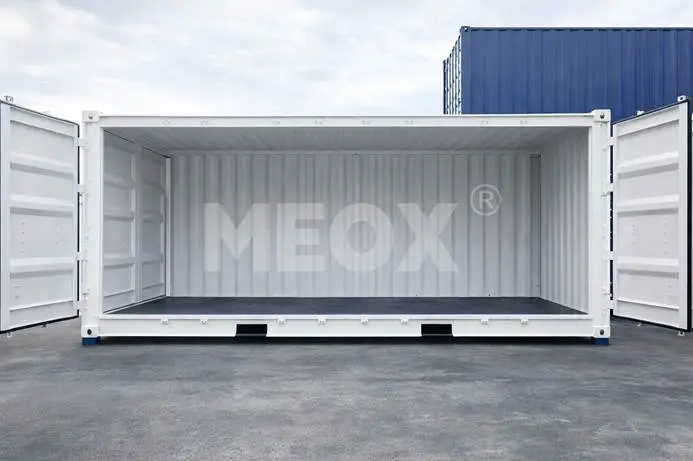
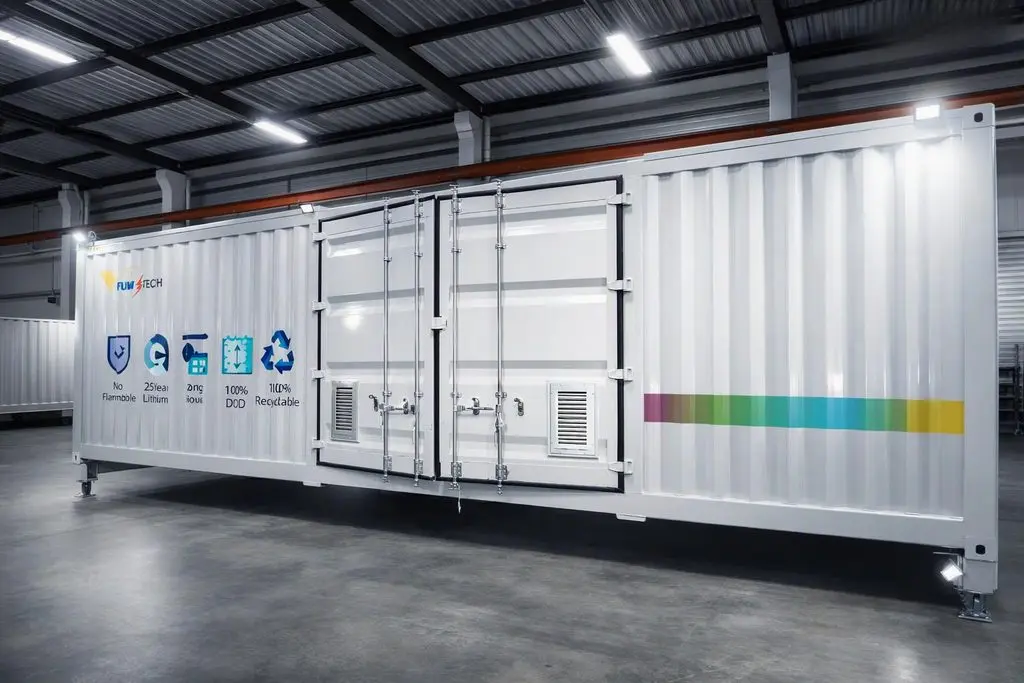
A battery energy storage container is a Battery Energy Storage System (BESS) built inside a standard ISO steel shipping platform, usually 40 feet long. Rather than constructing a dedicated power room, all of the battery racks, BMS, power conversion system, thermal control and fire protection equipment are housed in one closed structure that has a single opening.
A containerized battery energy storage system is able to be transported on truck, train, or ship to the required location, placed on a prepared pad, and connected thanks to the fact that everything is pre-integrated and has undergone factory testing beforehand. Because of this, the containerized battery energy storage system became the obvious first option for renewable integration and remote power in mining sites as well as industrial sites and backup solutions.
Why Demand for Containerized Storage Keeps Climbing
Battery storage is no longer perceived as something trivial for renewable projects. Based on the estimate of the International Energy Agency’s Global Energy Review, in 2025, battery storage was reported as the fastest-developing power technology. According to the analysis, 108 GW of new installations were introduced around the world in 2025, which is 40% more than in 2024, and the total amount of battery capacity was 11 times higher than in 2021. The above-mentioned source says that lithium-iron phosphate (LFP) chemistry makes up almost 90% of battery installations because it is cheaper and more suitable for use compared to other types of batteries.
That growth curve matters for anyone specifying hardware today, not just for utility planners. As storage moves from a specialty product to core grid infrastructure, buyers increasingly want systems that are standardized, certified for global logistics, and quick to deploy on a normal construction timeline — which is exactly the gap a 40ft battery energy storage container is designed to fill. It also explains why more procurement teams now ask for containerized formats by name, rather than specifying a custom-built plant room from scratch.
Core Components Inside a Battery Energy Storage Container
| Component | Function |
| Lithium battery racks (LFP standard) | Store electrical energy for later discharge |
| Battery Management System (BMS) | Monitors cell voltage, temperature, and state of charge |
| Power Conversion System (PCS) | Converts stored DC energy to grid-compatible AC and back |
| Thermal control system | Maintains stable internal temperature for battery health |
| Fire detection and suppression | Multi-layer protection at cell, module, and enclosure level |
| Remote EMS monitoring | Tracks performance and flags faults without a site visit |
Typical Performance Figures
Although the precise figures differ depending on the chemistry, capacity, and engineering of the project, the table provided below gives a fair idea of the values in the case of a standard energy storage system based on 40 ft containerization.
| Parameter | Typical Value / Range |
| Energy capacity per unit | 200 kWh – 5 MWh (scalable via parallel units) |
| Battery chemistry | LFP standard; NMC available on request |
| Cycle life | Up to ~6,000 cycles at 80% depth of discharge |
| Round-trip efficiency | Up to ~98% with DC-coupled architecture |
| Grid/off-grid transition time | Under 10 ms in VSG-enabled configurations |
| Operating ambient temperature | -20°C to +55°C, with cold-climate packages available |
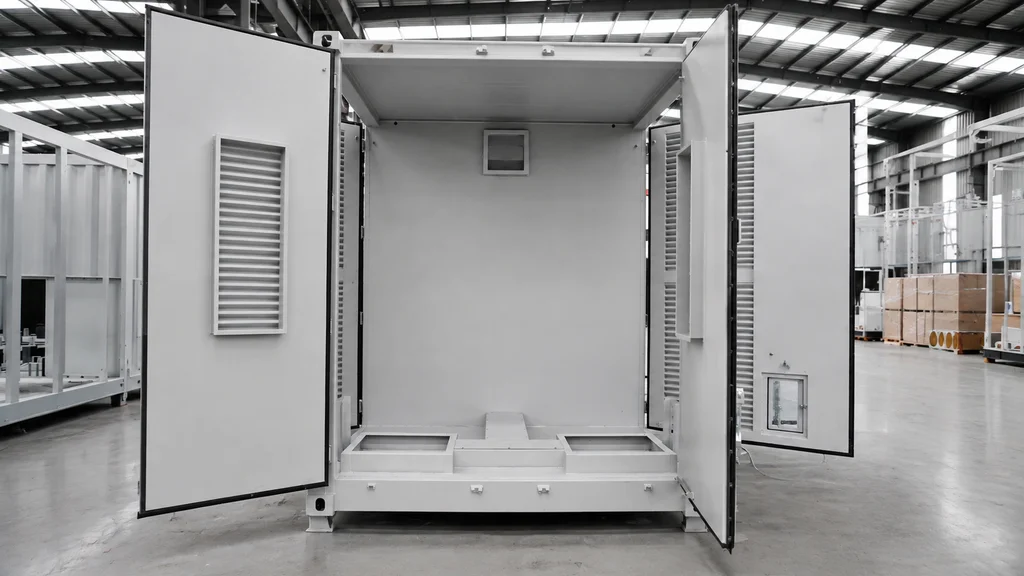
The shell around all of that hardware matters as much as what’s inside it. A Corten steel or SPA-H structure, rock-wool insulation, and hot-dip galvanized locking hardware are what let a battery storage container sit outdoors — coastal, desert, or high-vibration transport routes included — for years without the enclosure becoming the weak point.
Where a Battery Energy Storage Container Fits
A modular battery energy storage container for microgrids and remote sites solves a specific problem: how to add real storage capacity without a construction project. Common deployment scenarios include:
- Renewable integration and peak shaving — storing surplus solar or wind output for use when demand or tariffs peak.
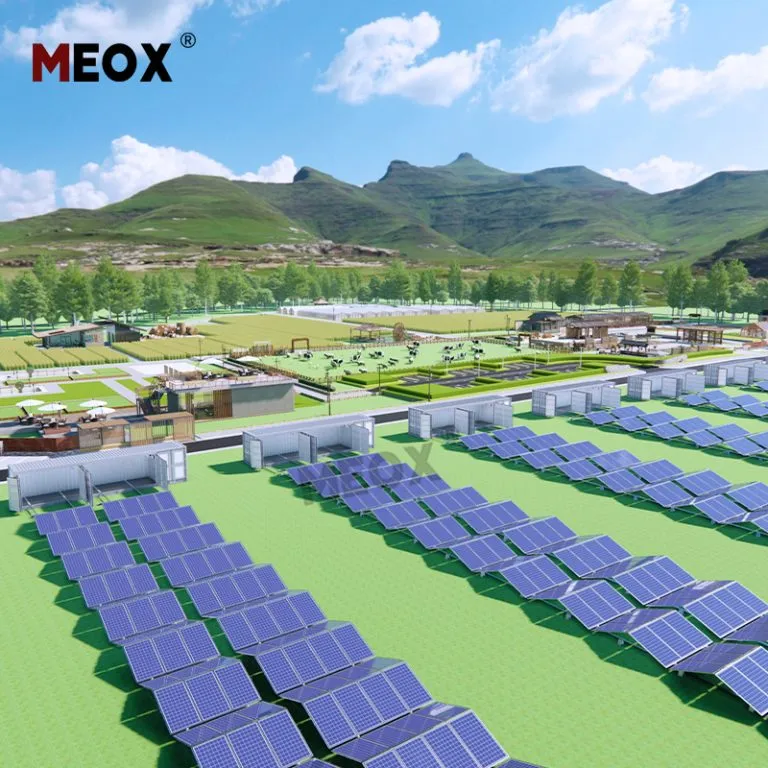
- Off-grid and hybrid microgrids — islands, mining camps, and remote bases pairing storage with solar and diesel backup.
- Mining and remote industrial sites — covering night-shift loads and cutting diesel dependence.
- Emergency and disaster response — rapidly deployable backup power for field hospitals and relief operations.
- Commercial and industrial demand management — reducing demand charges for factories and facilities.
- Telecom and critical infrastructure backup — keeping network and data infrastructure online during outages.
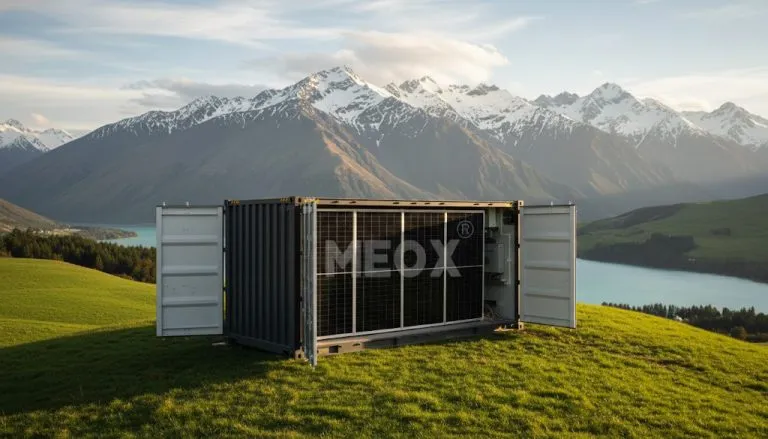
Many of these projects don’t use a battery energy storage container alone. It’s common to pair one with a Mobile Solar Container for generation, or fold it into a broader hybrid off-grid container power system that also manages diesel backup and switching logic.
Matching Deployment Type to Storage Configuration
| Site Type | Typical Priority | Suggested Configuration |
| Utility / renewable integration | Maximum cycle life, grid-tie response | Single or multiple 40ft units, VSG-enabled PCS |
| Remote mine or industrial site | Ruggedness, diesel offset | 40ft unit paired with solar and hybrid EMS |
| Disaster response / field hospital | Rapid deployment | Pre-configured unit, four-hour pad-ready install |
| Telecom / data infrastructure | Uptime, remote monitoring | Smaller capacity unit with EMS alarm integration |
Safety and Standards
Because a battery energy storage container concentrates a meaningful amount of stored energy in one enclosure, safety engineering isn’t optional — it’s the whole point of the sealed, multi-layer design. Two frameworks come up repeatedly in project specifications. NFPA 855, the U.S. standard for stationary energy storage system installation, sets comprehensive criteria for fire protection of ESS installations, tailored to the technology used, the installation setting, system size and separation, and the fire suppression systems in place — covering fire detection, explosion control, exhaust ventilation, and thermal runaway. Internationally, IEC 62933-5-2 sets safety requirements covering the operating lifecycle of grid-connected electrochemical storage systems.
The significance of the manufacturing quality standards should not be underestimated either. Certification of steel hulls by various classification societies such as GL, ABS, BV, and CCS enables shipping containers to go through standard shipping channels instead of being subjected to special cargo handling, making the entire process of exporting much easier, as well as assuring the easier obtaining of insurances and permits on site.
Case Study: Replacing Diesel Peak Load at a Coastal Industrial Site
A power engineering contractor working on a coastal industrial project in Southeast Asia needed to cut diesel generator runtime during evening peak demand, without shutting down operations for construction work. The site had two constraints: a compressed installation window before the next operating season, and salt-air exposure that had degraded previous outdoor electrical equipment within a few years.
ZN MEOX supplied a 40ft battery energy storage container engineered with a corrosion-resistant Corten steel shell and a coating package rated for coastal conditions, sized to shift several hours of evening peak load off the site’s diesel generators. Because the battery racks, BMS, and power conversion equipment arrived factory-tested inside the container, the contractor avoided building a dedicated plant room — the unit was craned onto a prepared pad, anchored, and electrically connected within days rather than months. Remote EMS monitoring let the site team track state of charge and temperature without a permanent on-site technician. The project reduced generator runtime during peak hours and gave the operator a maintenance model built around container-level fault isolation rather than shutting down the whole system for service.
Frequently Asked Questions
What size battery energy storage container is available?
Units are most commonly built on a 40ft ISO platform with capacity from 200 kWh up to 5 MWh per container. Larger totals are reached by running multiple units in parallel rather than building a single oversized enclosure.
How long does installation take on site?
Because the battery racks, BMS, and power conversion system are factory-integrated and tested before shipping, on-site work is largely limited to foundation preparation, positioning, and electrical interconnection. Some pre-configured units can be brought into service in as little as four hours on a prepared pad, though commissioning timelines vary by project scope.
What happens if one battery module develops a fault?
The modular container format allows fault isolation at the unit level. An affected container can be taken offline and serviced, or swapped, without shutting down the rest of the storage array — a practical advantage over storage housed in a single shared plant room.
Choosing a Configuration
Specifying a battery energy storage container starts with the load profile, not the container itself: how many hours of storage does the site actually need, what’s the expected cycling frequency, and how extreme is the ambient environment. From there, chemistry selection (LFP for cycle life and cost, NMC where energy density matters more), HVAC or liquid cooling needs, and the certification package required by the destination market all follow.
Freight logistics deserve early attention too. A 40ft battery energy storage container ships and installs using standard ISO corner-casting handling, so it moves through normal port and trucking workflows rather than requiring specialized cargo arrangements. Confirming the destination port’s container-handling capacity and the site’s crane or forklift access early in project planning avoids delays once the unit is built and ready to ship. Projects that also need generation on-site often pair a battery energy storage container with an Electrical House for switchgear and control, or a prefabricated power container where a faster all-in-one power build is the priority.
If you’re weighing a battery energy storage container against a stick-built plant room for an upcoming project, ZN MEOX’s engineering team can help size a configuration around your load profile, site conditions, and target certification. Get in touch with ZN MEOX to discuss capacity, chemistry, and delivery timelines for your next storage deployment.
Disclaimer
The technical data, specifications, and performance figures referenced in this article are based on ZN MEOX’s own manufactured battery energy storage container products and are provided for general informational purposes. Actual specifications, materials, certifications, and performance may vary by project, battery chemistry, and configuration, and should be confirmed directly with ZN MEOX during the formal quotation process.