Tilted panels get more sunlight. This changes solar cold storage for remote food systems. Cold storage that saves energy helps stop food loss. Food loss can be as high as 13% worldwide because of bad cold chain systems. New investments and better technology now give steady energy to places that need it. This helps keep food fresh and supports people’s jobs.
Key Takeaways
Tilted solar panels work better and catch more energy. They can get up to 87% of the energy. This helps keep food cold and fresh in faraway places.
Solar-powered cold storage stops food from going bad. This lets farmers sell their food for more money. It also helps people in the area make more money.
Advanced solar containers are simple to put together and move. They give steady cold storage, even when the weather is bad.
Tilted Panels & Solar Cold Storage
Maximizing Energy Efficiency
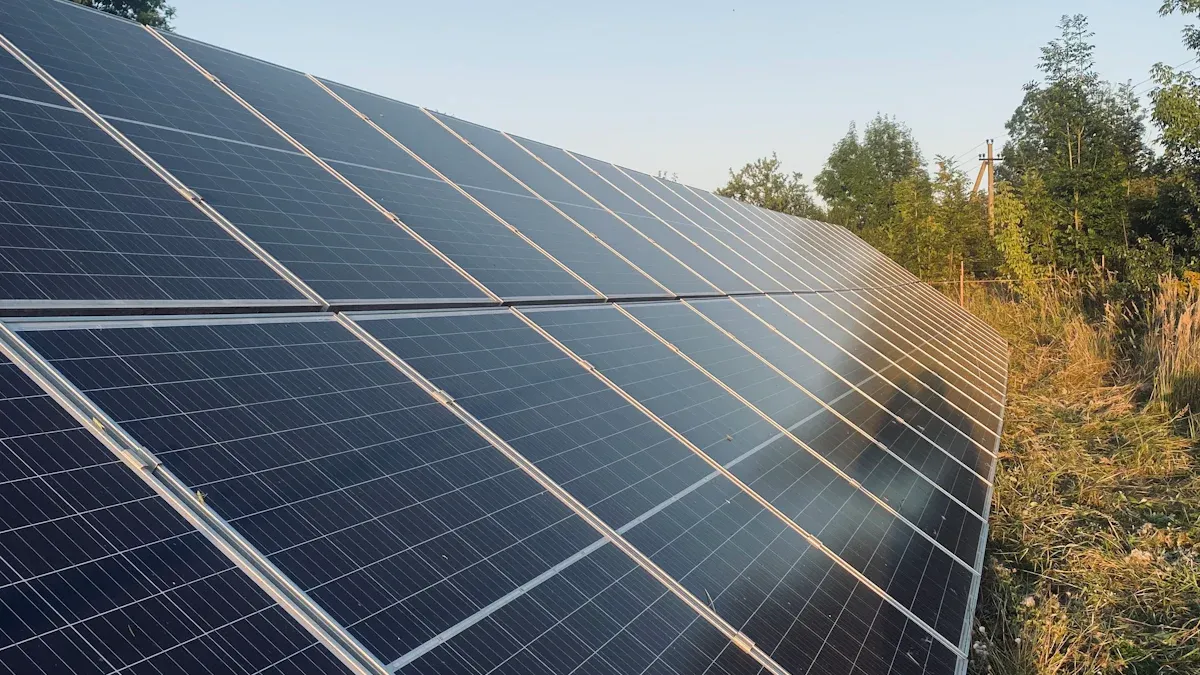
Tilted panels help make more solar energy for cold storage. When panels are tilted between 30 and 65 degrees, they catch up to 87% of the energy that tracking systems make in winter. Tracking panels can make about 40% more energy than flat panels. Fixed-tilt panels give 6% more energy at a 12-degree tilt and 9% more energy at tilts between 30 and 65 degrees.
Photovoltaic panels work best when they face the sun. This setup helps turn more sunlight into electricity. In remote places, this extra energy helps keep food fresh. Solar cold storage uses this power to protect food. Tilted panels and advanced photovoltaic technology make the system work better and more reliably.
Tip: Tilting panels the right way helps solar systems work well even when the weather changes. This gives steady energy for cold storage rooms.
MEOX Mobile Solar Container Advantages
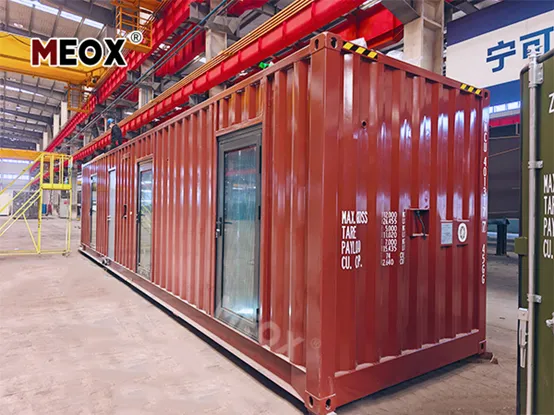
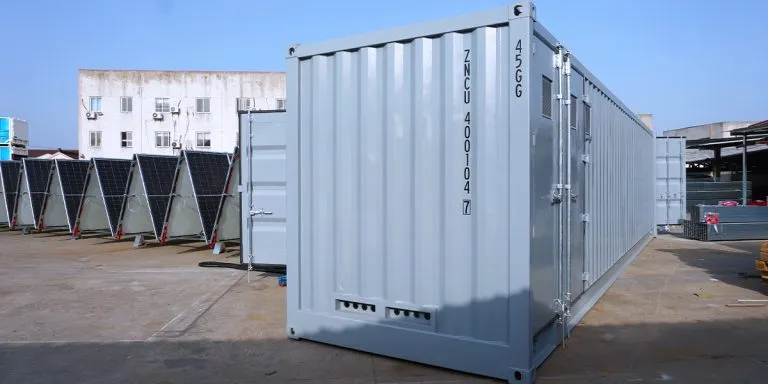
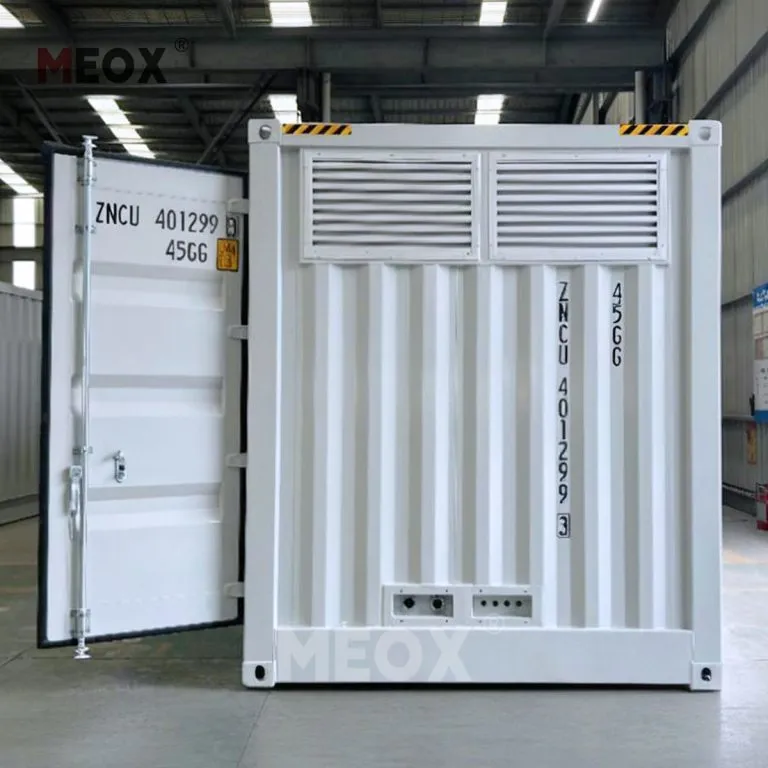
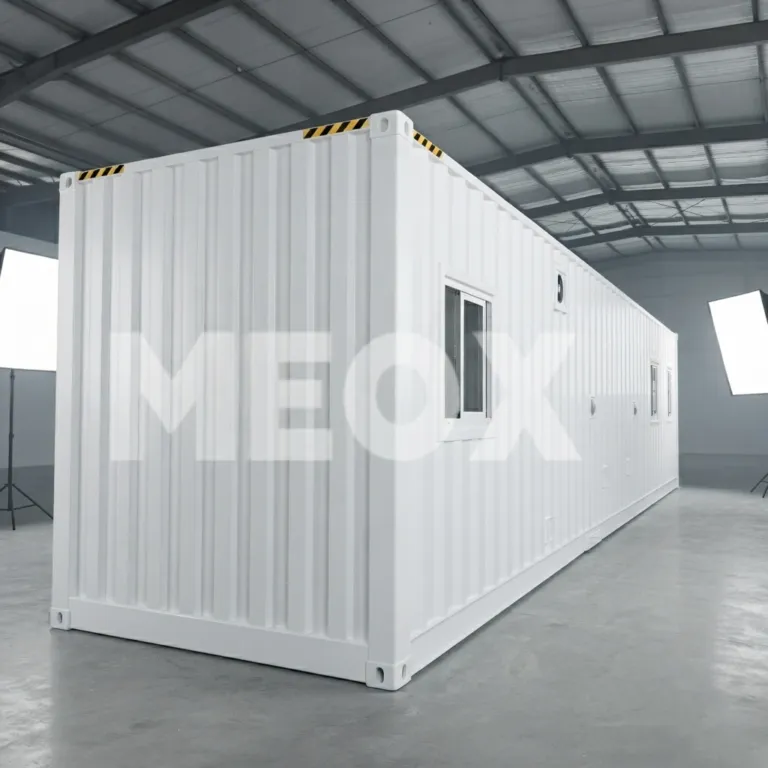
The MEOX Mobile Solar Container and Solar container are new ways to store food off-grid. These products are easy to move, strong, and simple to use. They are great for keeping food safe in faraway places. The containers have built-in energy storage, quick setup, and can handle bad weather.
Unique Feature | Description |
|---|---|
Flexible Deployment | Can be moved easily to meet changing power needs and lower risks. |
Integrated Energy Storage | Has batteries inside for off-grid use and can be changed to fit needs. |
Hybrid Options | Can switch between grid and off-grid modes for steady power. |
Certified Safety | Follows strict rules to make sure it is safe and works well. |
Advanced Customization Capabilities | Can be changed to fit special energy needs and wants. |
Solar containers use strong coatings, powder finishes, and tough photovoltaic panels with tempered glass. A research station in northern Iceland tested these containers in hard weather. The system worked in temperatures from -20°C to 10°C and wind gusts over 90 km/h. Double insulation and a snow-shedding design helped the containers stay strong and safe.
Plug-and-play solar containers are easy to set up and take care of. The modules need little building work and can be put in many places fast. These systems work alone, which is good for places without regular power.
Adding energy storage to tilted panels gives more energy, better battery use in cold, and higher efficiency. Advanced batteries like LiFePO4 work well in low temperatures. This setup uses less energy and helps heat cold storage better.
Benefit | Explanation |
|---|---|
Optimization of energy generation | Tilting panels right helps catch more solar energy, even when weather changes. |
Battery management in cold conditions | Advanced batteries like LiFePO4 work well in cold places. |
Efficiency improvements | This setup uses less energy and heats cold storage better. |
Tilted panels and solar containers make a green way to keep food safe. These solutions help people save food, waste less, and support local jobs. Using advanced photovoltaic technology and smart energy storage makes off-grid cold storage work well and stay reliable.
Tilted Panels for Food Security & Energy Solutions
Reducing Food Loss in Remote Areas
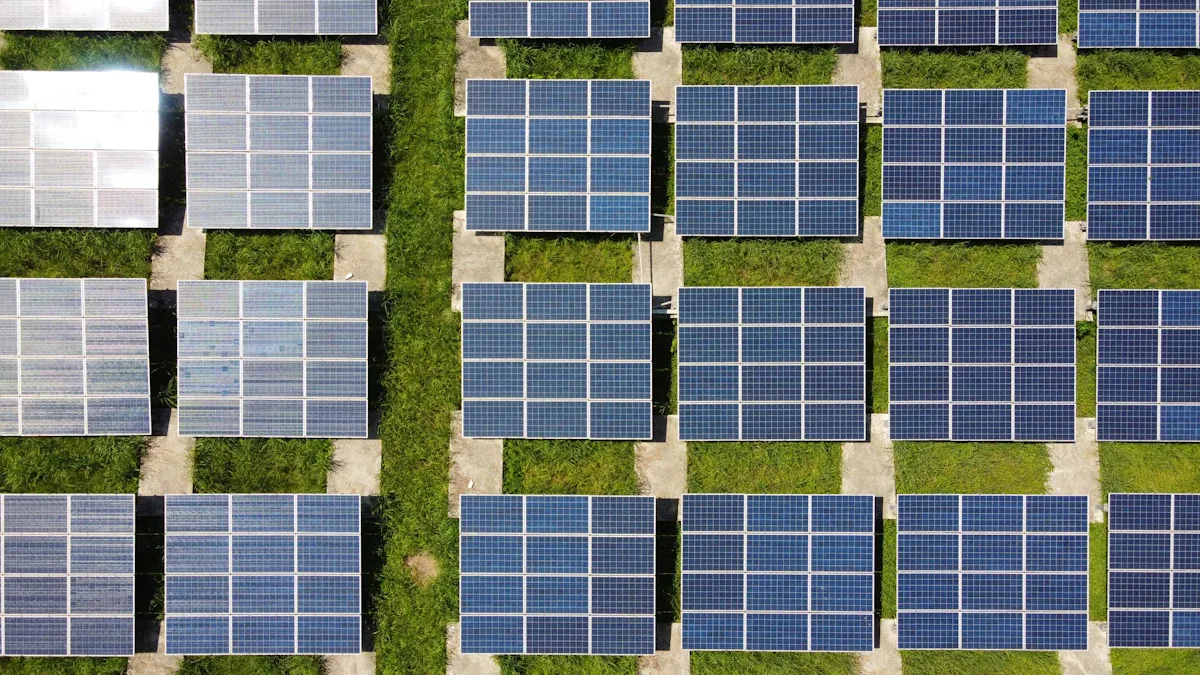
Solar-powered cold storage helps stop food from spoiling in faraway places. Farmers and fishers lose a lot of their harvest because they cannot keep it fresh. With solar cold storage, they can keep crops, fish, and meat longer. This lets them wait for better prices and waste less food.
Solar-powered cold storage helps farmers waste less and earn more money. These systems help keep food safe and support better farming in Africa.
Off-grid cold storage lets farmers in remote areas sell when prices are high. This means less food is lost after harvest and more money is made.
On Ukara Island in Lake Victoria, Tanzania, solar mini-grids helped fishers keep their catch fresh longer. This cut down on spoilage and let them sell fish for more money. A study showed that electricity from photovoltaic panels helped keep food fresh and made shared cold rooms useful.
A study in northeast Nigeria found that solar-powered cold storage helped people sell more fruits and vegetables. Market agents could sell more and pay farmers better prices. This helped make local food systems better and gave producers more ways to sell.
Solar cold storage systems make the right place for perishable goods. This keeps food fresh longer and lets it travel safely to far markets. Fast cooling with solar-powered refrigeration is important for the supply chain. For example, dragon fruit kept in solar cold rooms can be sold for four times more in the off-season, which helps farmers earn more.
Sustainable Energy for Cold Chains
Energy storage, hybrid systems, and solar drying systems help keep cold chains working well. These tools make sure food stays fresh even when the sun is not out. Hybrid solar systems, like mobile cold storage units, use both solar and battery power. This keeps the temperature steady and uses less fossil fuel. Electric vehicles can work with mobile cold storage to move food in a cleaner way. Keeping the right temperature and humidity helps stop germs and keeps food fresh longer.
Solar drying systems also help keep food safe. Passive greenhouse dryers dry food faster and cost nothing to run. They are easy to build and good for drying valuable foods. But they can only dry small amounts at once. New solar drying technology makes drying faster and better. These dryers use solar-assisted heat pump systems and thermal energy storage to keep food safe.
Benefits of Solar Drying Systems | Limitations of Solar Drying Systems |
|---|---|
Keeps farm products good quality | Hard to get even airflow |
Saves energy | May not make enough money |
Uses less energy | Can only dry a little at a time |
Makes dried food last longer | Drying changes with the weather |
Thermal energy storage and hybrid systems make cold chains stronger. They save extra energy from photovoltaic panels during the day and use it at night or when it is cloudy. This keeps cold rooms and crop storage working well. Using solar-assisted heat pump dryers and advanced batteries makes the system work better and saves energy.
Overcoming Challenges and Scaling Solutions
Solar-powered cold storage has some problems. It costs more at first than old systems. Weather can change how much energy is made, especially in cloudy places. Storage space may be smaller, and fixing things can be hard. Rules and permits can slow down projects.
High starting costs can make people unsure.
Bad weather can stop cold storage in cloudy places.
Small storage may not be enough for everyone.
Fixing solar equipment can cost more and take time.
Rules can make projects take longer.
Aspect | Solar Cold Storage Systems | Conventional Refrigeration Units |
|---|---|---|
Power Source | Renewable energy (solar panels) | Grid power or diesel generators |
Maintenance Needs | Regular checks on solar panels and battery health | Maintenance of refrigeration systems and generators |
Environmental Impact | Lower emissions, environmentally friendly | Higher emissions from diesel generators |
Operational Flexibility | Can be used in faraway places | Needs grid or other power sources |
New business ideas and ways to pay help fix these problems. Power Purchase Agreements (PPAs) let people get solar systems with little money up front. They pay for energy at a set price. Government help, like tax breaks and grants, makes it easier to use solar power. IoT sensors let people watch the system in real time, which helps it work better and waste less.
Business Model/Financing Option | Description |
|---|---|
Solar Energy Utilization | Solar panels make power for cooling and charge thermal storage for later. |
IoT Integration | IoT sensors watch cold chain operations in real time to help them work better. |
Cost Savings | Using less fossil fuel saves a lot of money over time. |
Government Incentives | Tax breaks, grants, and help from the government make solar power easier to use. |
Power Purchase Agreements (PPAs) | Lets people get solar systems with little money up front and pay for energy at a set price. |
Building Food Security, Sustainability, and Community Resilience
Solar-powered tilted panels cold storage helps stop food from spoiling, which is important for food security. It gives small businesses in poor areas new ways to make money. For example, cold storage units have handled over 70,000 kilograms of meat, making it last longer and helping local markets. The ColdHubs project in Nigeria brought solar cold rooms to rural places. Farmers could keep food fresh longer, sell for better prices, and improve their lives.
Solar cold chain solutions are better for the planet than diesel-powered ones. They make less pollution, cost less to run, and are quieter. Solar power uses energy from the sun, which helps protect the environment.
Advantage | Solar Cold Chain Solutions | Diesel-Powered Alternatives |
|---|---|---|
Greenhouse Gas Emissions | Much lower because less diesel is used | High emissions from burning diesel |
Operational Costs | Lower because less fuel and fixing is needed | Higher because of fuel and fixing costs |
Noise Pollution | Quieter, so less noise in cities | Diesel engines are loud and pollute |
Sustainability | Uses renewable solar energy | Needs fossil fuels |
Maintenance | Needs little fixing for solar panels | Needs more fixing for diesel engines |
Temperature Control | Advanced systems keep food safe | Basic temperature control |
Solar-powered trailers and cold rooms help use less diesel, lower pollution, and keep the air clean. These systems use smart monitoring to keep food safe and fresh. Communities can handle climate change and energy problems better. Farmers can store and sell their food when prices are best, which helps local economies.
Tilted panels, photovoltaic technology, and energy storage work together to make cold chains strong and green. These systems help keep food safe, save energy, and dry valuable foods. By using solar-assisted heat pump dryers, new solar drying technology, and thermal energy storage, communities can keep and process food better. This helps build a stronger and greener future for remote food systems.
Tilted panels and solar containers from MEOX help faraway communities use solar energy for cold storage. These tools help keep food safe and support ways to protect the environment.
Solar cold storage lowers greenhouse gas emissions and helps people use resources better.
Leaders can support cheaper technology and new business ideas to help more people use these systems.
FAQ
What makes solar-powered cold storage systems reliable in remote areas?
Solar-powered cold storage systems get energy from the sun. They save extra power in batteries. This helps keep food cold when there is little sunlight.
How do these systems help reduce food waste?
These systems help food stay fresh longer. They stop food from spoiling by keeping the right temperature. Farmers and fishers can wait to sell when prices are higher.
Can solar cold storage systems work during cloudy days or at night?
Yes, they can. The batteries store energy for later use. This stored power keeps the cold storage working when there is no sunlight.
Also Read: Smart City Solar Hubs: Future Solar Tech for Urban Resilience